
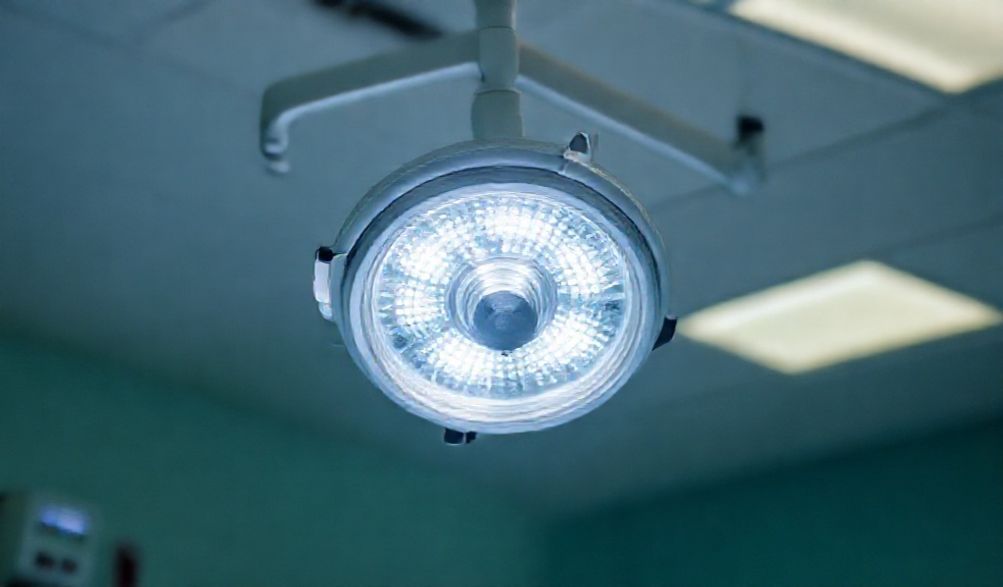
Procedure Lights: A Comprehensive Guide to Types, Uses, and Safety Standards
For anyone outside the medical field, the lights in an operating or examination room might seem like a simple detail. But for the clinicians working beneath them, these are not mere fixtures; they are precision instruments as vital as a scalpel. A search for “procedure light” is typically undertaken by a medical professional specifying equipment, a facility manager overseeing a renovation, or a curious patient. This guide serves as an authoritative resource, demystifying the critical world of medical illumination. We will draw on practical experience, technical expertise, and established safety standards to provide a complete understanding of what procedure lights are, how they are used, and what makes them indispensable for safe and effective patient care.
What Are Procedure Lights? Defining Medical Illumination
At its core, a procedure light is a specialized lighting system designed to provide optimal visibility for medical examinations, diagnoses, and interventions. Unlike general room lighting, these devices are engineered to meet the exacting demands of clinical work, where the quality of light can directly impact diagnostic accuracy and procedural success.
The Primary Function: Precision Illumination in Clinical Settings
The goal of a procedure light is to replicate, as closely as possible, the ideal conditions of natural daylight at the specific site of interest. This involves mastering three key elements:
- Shadow Reduction: Deep cavities and intricate tissues create shadows that can obscure critical anatomy. High-quality procedure lights use multiple light sources (often called “bulbs” or “LED modules”) arranged in a ring or matrix. These sources cast overlapping beams, effectively “filling in” shadows created by the surgeon’s hands, head, or instruments. Some advanced systems even feature computer-controlled shadow compensation.
- Color Accuracy: Distinguishing between subtle tissue shades—differentiating a healthy artery from a vein, identifying ischemic tissue, or detecting early signs of infection—is paramount. This requires a high مؤشر تجسيد اللون (CRI), a measure of a light’s ability to reveal the true colors of an object compared to natural light. Medical lights strive for a CRI of 90 or above (out of 100).
- Intensity and Depth Control: The light must be bright enough to illuminate deep within a surgical cavity without causing glare or clinician eye fatigue. This is measured as illumination depth—the ability to provide consistent, high-quality light at varying distances from the light head to the tissue. Modern lights offer adjustable intensity to suit different procedures and clinician preference.
Beyond the Operating Room: Diverse Clinical Applications
While the image of a large overhead light in an OR is iconic, procedure lights are ubiquitous across healthcare:
- Operating Rooms (ORs): For major and minor surgeries.
- Emergency Rooms (ERs): For trauma assessments, wound repair, and urgent procedures.
- Labor & Delivery Suites: For episiotomies, repairs, and initial newborn examinations.
- Dental Suites: For examinations, cavity preparation, and cosmetic work.
- Veterinary Clinics: For animal surgeries and treatments.
- Minor Procedure Rooms: For biopsies, endoscopies, and dermatological procedures.
- General Examination Rooms: For patient assessments and diagnostics.
Key Types of Procedure Lights and Their Specific Uses
Understanding the different categories of procedure lights is the first step in selecting the right tool for the task.
Surgical Overhead Lights: The Gold Standard for Major Procedures
These are the large, ceiling-mounted systems found in operating rooms. They are designed for prolonged, complex procedures requiring the highest level of illumination and sterility.
- Features: They typically have a large, multi-lens light head (often with 3, 4, or more light sources), a long-reach horizontal arm, and a central sterile handle that allows the surgical team to reposition the light without breaking the sterile field. The focus is on deep-cavity illumination with minimal shadowing.
- Light Source Evolution: Traditionally powered by halogen bulbs, the industry has overwhelmingly shifted to تقنية LED الحديثة. LEDs offer superior color temperature control, significantly less radiant heat, and lifespans measured in decades, eliminating the risk and cost of mid-procedure bulb failure.
Examination Lights: For Diagnostics and Minor Procedures
More versatile and often mobile, these lights are used in clinics, bedside exams, and minor procedure rooms.
- Design: They frequently feature a single light head on a fully articulating arm, mounted on a wall, ceiling, rolling floor stand, or even a cabinet. The arm allows precise positioning for tasks like wound dressing, ENT exams, or dermatology.
- Portability: Floor-standing models offer great flexibility, moving where needed. They provide high-quality light but generally have less illumination depth than major surgical lights, as they are designed for surface or shallow-cavity work.
Specialized Procedure Lights: Headlights, Endoscopic, and More
This category includes lights designed for unique applications.
- Surgeon Headlamps: Fiber-optic or LED lights mounted on a headband. They provide brilliant, shadow-free light that moves exactly with the surgeon’s gaze, ideal for deep and narrow surgical sites in specialties like neurosurgery or spinal surgery.
- Endoscopic/Laparoscopic Light Sources: These are not the light you see, but the light source that powers it. They generate intense, cool light that is transmitted through a fiber-optic cable to the camera scope inside the patient’s body, illuminating the internal surgical field for minimally invasive surgery.
- Dental Curing Lights: A highly specialized form of procedure light that emits a specific spectrum of blue light to polymerize (harden) dental composite resins used in fillings.
Critical Technical Specifications to Consider
When evaluating procedure lights, moving beyond marketing terms to understand technical specifications is crucial.
Light Source Technology: LED vs. Halogen
The shift from halogen to LED is the most significant advance in recent decades.
| Feature | LED Lights | Halogen Lights |
| :— | :— | :— |
| العمر الافتراضي | Extremely Long (50,000+ hours). Often outlasts the fixture itself. | Short (1,000 – 2,000 hours). Requires regular, costly replacement. |
| إخراج الحرارة | منخفض جدًا. Radiates minimal infrared heat, reducing tissue drying and clinician discomfort. | عالي جدًا. Emits significant radiant heat, which can desiccate tissue. |
| كفاءة الطاقة | ممتاز. Uses a fraction of the power for equivalent or greater light output. | ضعيف. Converts most energy into heat rather than light. |
| Color Rendering (CRI) | Consistently High. Can be engineered to achieve a near-perfect CRI >95. | Good, but Degrades. CRI starts high but decreases as the bulb ages. |
| Cost | Higher initial investment. | Lower initial purchase price. |
Verdict: For any new purchase or upgrade, LED is the unequivocal choice due to its superior performance, safety, and lower total cost of ownership.
Illumination Metrics: Lux, Field Diameter, and Depth
- Lux: A measure of illuminance, or how much light falls on a surface. A surgical light might deliver 40,000 to 160,000 lux at a central point. However, peak lux alone is misleading.
- قطر مجال الإضاءة: The size of the illuminated area at a given distance (e.g., “a 20cm diameter field at 1 meter”). This tells you the coverage area.
- Depth of Illumination (or Penetration): This is arguably the most critical spec. It describes how uniformly the light maintains its quality (in terms of lux and color) as you move the light head closer or farther from the target. A light with excellent depth will provide consistent, shadow-reduced light whether the cavity is 15cm or 30cm deep.
Maneuverability and Sterility: Design for the Clinical Environment
- Articulation & Balance: The light must move effortlessly and stay precisely where positioned. Look for smooth, fluid movements in the arms and a counterbalanced design that prevents “droop.”
- Sterility: The light head and any handles that can be touched during a sterile procedure must be designed for easy cleaning and disinfection. They should be seamless, with sealed seams, and made of materials compatible with hospital-grade disinfectants. The central sterile handle is a non-negotiable feature for OR lights.
Safety, Standards, and Regulatory Compliance
Procedure lights are classified as medical devices, and their manufacture and use are governed by strict regulations.
Adherence to Medical Device Regulations
- FDA (U.S. Food and Drug Administration): In the United States, surgical lights are typically Class II medical devices, requiring 510(k) clearance to demonstrate they are substantially equivalent to a legally marketed predicate device.
- CE Marking (Europe): Indicates conformity with health, safety, and environmental protection standards for the European Economic Area, often following the Medical Device Regulation (MDR).
- Other Standards: Compliance with international electrical safety standards (like IEC 60601-1) and specific performance standards for medical lighting (like IEC 60601-2-41) is essential.
Essential Safety Features: Heat Management and Electrical Safety
- Thermal Management: Even with cool LEDs, managing heat from the electronic drivers is vital. Proper heat sinks and ventilation prevent external surfaces from becoming dangerously hot and protect the internal components, ensuring longevity and safety.
- السلامة الكهربائية: Given the proximity to fluids and grounded personnel, procedure lights must have robust electrical isolation and insulation to prevent any risk of micro-shock or macro-shock to the patient or staff.
Routine Maintenance and Performance Validation
A light is only as good as its last inspection. A formal maintenance program is required.
* Performance Checks: Annual calibration by a certified technician should verify illumination levels (lux), color temperature, and field uniformity.
* Preventative Maintenance: This includes checking all mechanical joints, electrical connections, brake function, and cleaning internal filters.
* بروتوكولات التنظيف: Daily and between-procedure cleaning with manufacturer-approved agents is necessary to maintain sterility and prevent damage to optical coatings.
Selecting the Right Procedure Light: A Buyer’s Checklist
Assessing Your Clinical Needs and Procedure Types
Ask these questions:
1. What is the primary use? (جراحة كبرى، إجراءات طبية بسيطة، فحص عام؟)
2. ما هو العمق النموذجي لمنطقة العمل؟ (سطح، تجويف ضحل، تجويف عميق؟)
3. كم عدد الأشخاص الذين يحتاجون إلى ضبط الإضاءة أثناء الإجراء؟ (هذا يحدد الحاجة إلى المقابض الثانوية).
4. ما هو تخطيط الغرفة؟ (ارتفاع السقف، وضع الحامل السقفي، العوائق؟).
وضع الميزانية: التكلفة الإجمالية للملكية مقابل سعر الشراء الأولي
انظر إلى ما هو أبعد من السعر الظاهر. بالنسبة لمصباح LED، فإن التكلفة الإجمالية للملكية هي إلى حد كبير سعر الشراء بالإضافة إلى الحد الأدنى من الصيانة. أما نظام الهالوجين، فيجب أن تأخذ في الاعتبار بشكل كبير:
* تكاليف استبدال المصباح (كل 6-18 شهرًا، لكل مصباح).
* تكلفة العمالة لتغيير المصابيح.
* استهلاك أعلى للطاقة.
* التوقف عن العمل والمخاطر أثناء تعطل المصباح.
التثبيت وعلم ارتقاء الجسم: التخطيط للتكامل مع سير العمل
- طرق التثبيت: التثبيت السقفي يحرر مساحة الأرضية ولكنه يتطلب دعماً هيكلياً. الحوامل الأرضية توفر مرونة أكبر.
- سير العمل: يجب أن يغطي مدى حركة المصباح جميع المواقع الجراحية المحتملة في الغرفة دون التداخل مع المعدات الأخرى أو الأفراد.
- راحة الطبيب: يجب أن تكون الضوابط بديهية، والحركة سلسة، وألا يساهم المصباح في زيادة الضوضاء أو الحرارة في الغرفة.
مستقبل إضاءة الإجراءات: الاتجاهات والابتكارات
أصبح مصباح الإجراءات عقدة ذكية في غرفة العمليات الرقمية.
- التكامل مع التصوير والملاحة: تأتي المصابيح الآن مزودة بكاميرات 4K مدمجة للتسجيل أو التعليم. يمكنها التواصل مع أنظمة الملاحة الجراحية، وضبط التركيز أو الموضع بناءً على الموقع المتعقب للأداة.
- أنظمة الإضاءة الذكية: يمكن استدعاء أوضاع الإضاءة المحددة مسبقاً (مثل “قلبي”، “عصبي”، “سطحي”) بلمسة زر. كما تظهر تقنيات التحكم الصوتي والتكامل مع لوحات تحكم غرفة العمليات.
- تحسين الطيف المتقدم لمصابيح LED: تتجاوز الإضاءة البيضاء، حيث يمكن ضبط مصابيح LED لإصدار أطوال موجية محددة. يمكن لبعض الأنظمة محاكاة التصوير ذي النطاق الضيق (NBI), ، وهي تقنية تعزز تصور الهياكل المخاطية والوعائية، وقد تكون مفيدة في جراحة الأورام المفتوحة.
الأسئلة الشائعة (FAQ) حول أضواء الإجراءات الطبية
س5: ما هو العامل الأهم عند اختيار ضوء جراحي؟
ج: بينما العديد من العوامل مهمة،, فإن عمق الإضاءة الكافي والمتسق في موقع الجراحة هو أمر بالغ الأهمية لسلامة المريض ودقة الإجراء. ويلي ذلك مباشرة الموثوقية وتقليل الظلال.
س2: كم مرة تحتاج مصابيح الإجراءات إلى الخدمة أو المعايرة؟
ج: يوصي المصنعون عادةً بـ الصيانة الوقائية السنوية التي يقوم بها فني معتمد لضمان الأداء الأمثل والسلامة الكهربائية والتعقيم. اتبع دائمًا الجدول المحدد في دليل جهازك.
س3: هل يمكن لمصابيح LED الجراحية حقاً أن تضاهي جودة مصابيح الهالوجين التقليدية؟
ج: نعم. غالباً ما تتفوق مصابيح LED الحديثة على مصابيح الهالوجين في تجسيد اللون، وتوفر تشغيلاً أكثر برودة لتقليل جفاف الأنسجة، ولها عمر افتراضي أطول بكثير (غالباً 50,000+ ساعة)، مما يقلل التكاليف طويلة الأجل وانقطاعات الصيانة.
س4: هل هناك محاليل تنظيف محددة مطلوبة لمصابيح الإجراءات؟
ج: بالتأكيد. يجب عليك استخدام فقط مطهرات غير كاشطة، من الدرجة الطبية المعتمدة من قبل مصنع المصباح. يمكن للمواد الكيميائية القاسية أن تلحق الضرر بالطلاءات المضادة للانعكاس والمكونات البلاستيكية وتُضعف الفواصل. راجع دليل المستخدم للحصول على قائمة بالمواد المتوافقة.
الخاتمة
اختيار مصباح الإجراءات هو قرار حاسم يؤثر على نتائج المرضى وكفاءة الأطباء وسلامة المنشأة. إنه توازن بين المواصفات الفنية الصارمة—مثل عمق الإضاءة ومؤشر تجسيد اللون—وبين الحقائق العملية لسير العمل السريري و الالتزام الصارم بمعايير السلامة. كما أوضحنا، فإن المعيار الحديث هو تقنية LED، المختارة من خلال منظور التكلفة الإجمالية للملكية والمدمجة في خطة قوية للصيانة والامتثال. الاستثمار في البحث السليم والمعدات عالية الجودة والصيانة المنتظمة ليس مهمة إدارية؛ بل هو مكون غير قابل للتفاوض في الرعاية السريرية الحديثة والمسؤولة والفعالة. خطوتك التالية هي التشاور مع طاقم الهندسة السريرية وطلب عروض عملية من موردي المعدات الطبية الموثوقين لرؤية هذه الفروق الحاسمة في الممارسة الفعلية.
ص>