
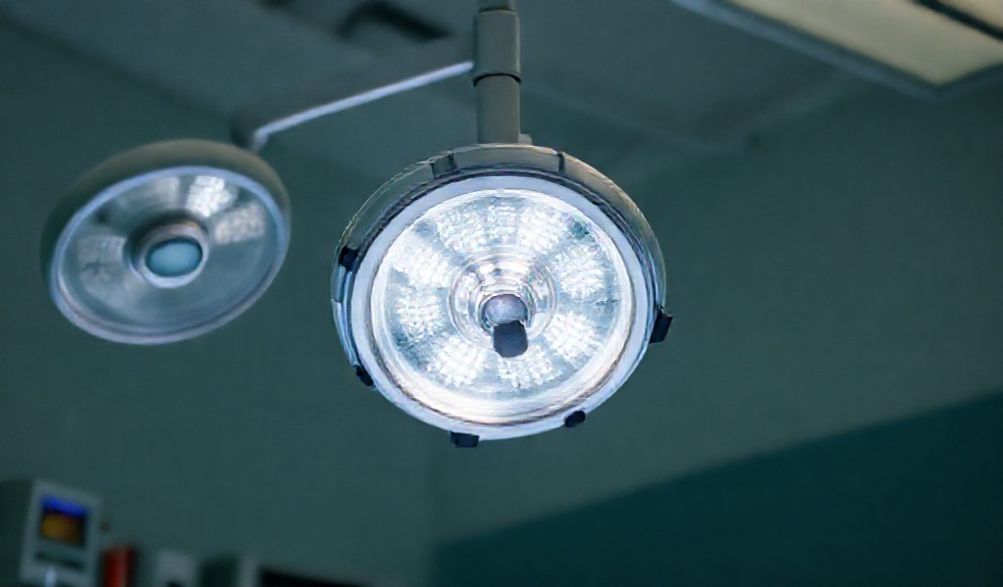
Surgery Lights: A Comprehensive Guide to Types, Features, and Selection for Optimal Outcomes
ما الذي يميز نتيجة جراحية جيدة عن نتيجة رائعة؟ بينما تعد المهارة والتكنولوجيا والعمل الجماعي عوامل بالغة الأهمية، إلا أن هناك عنصرًا أساسيًا واحدًا يدعمها جميعًا وهو visibility. In the high-stakes environment of the operating room, where millimeters and subtle color differences dictate decisions, lighting is not merely a utility—it is an extension of the surgeon’s senses. The right surgery light can enhance precision, reduce fatigue, and directly contribute to patient safety. The wrong one can cast deceptive shadows, distort tissue color, and become a source of frustration and risk.
This guide is designed to be your authoritative resource. Whether you are a surgeon advocating for better equipment, a hospital procurement specialist evaluating options, a surgical center manager planning an upgrade, or a medical student understanding OR fundamentals, this article synthesizes critical information from surgical ergonomics studies, peer-reviewed optics research, and technical specifications to provide a clear, unbiased framework. We will move beyond marketing jargon to explore the evolution, technology, and practical selection criteria for modern surgical illumination, empowering you to make an informed decision that benefits both the surgical team and the patient.
The Critical Role of Surgical Lighting in Modern Medicine
Beyond Illumination: Impact on Surgical Precision and Patient Safety
A surgery light does far more than just “light up the room.” Its core function is to create an optimal visual field that mimics natural daylight in a controlled, focused manner. Key performance aspects have direct clinical correlations:
- Shadow Reduction: A surgeon’s hands, head, and instruments inevitably obstruct the light path. Advanced lighting systems use multiple, strategically placed point sources to fill in these obstructive shadows, ensuring critical anatomy is never hidden. Poor shadow management can lead to visual fatigue and, in worst-case scenarios, obscured bleeding points or anatomical landmarks.
- Color Rendering: Accurate differentiation between arterial and venous blood, healthy and necrotic tissue, or subtle variations in organ color is vital. Lighting with poor color fidelity can mask cyanosis, misinterpret tissue perfusion, or alter the appearance of bile or other fluids.
- Depth Perception: In deep-cavity surgeries like those in cardiothoracic, pelvic, or spinal procedures, the light must effectively penetrate and illuminate vertical walls without creating a “hot spot” only on the surface. This three-dimensional illumination is crucial for spatial orientation and instrument manipulation.
Studies have consistently linked superior surgical lighting to tangible benefits: reduced operative times due to improved visual clarity, decreased surgeon eye strain and neck fatigue, and ultimately, a positive impact on patient safety and outcomes by minimizing visual-error-related complications.
A Brief History: From Sunlight to LED
The quest for perfect surgical light has evolved dramatically:
* Early Days: Surgeons relied on natural sunlight or simple oil and gas lamps, severely limiting when and where surgery could be performed.
* Incandescent & Halogen: The introduction of electric bulbs was a revolution. Halogen lights, with their brighter, whiter light, became the standard for decades. However, they were extremely hot, energy-inefficient, and had short lifespans.
* Metal Halide/HID: These offered better efficiency and color temperature than halogen but still suffered from significant heat output, long “strike” times to reach full brightness, and contained hazardous materials.
* The LED Revolution: Light Emitting Diode (LED) technology now dominates. It represents a quantum leap: instant on/off, minimal infrared heat radiation (reducing tissue desiccation and surgeon discomfort), exceptional energy efficiency (saving ~70% over halogen), and lifespans measured in decades rather than hundreds of hours. The controllability of LED arrays also allows for unprecedented precision in beam shaping, shadow management, and color tuning.
Key Technical Features and Specifications Explained
Understanding these terms is essential for evaluating any surgery light system.
Illumination Metrics: Lux, Lumens, and Field Diameter
- Lumens: A measure of the total visible light emitted by a source (its “luminous flux”). It’s a useful number but doesn’t tell the whole story.
- Lux (lx): This is the critical metric. It measures illuminance—how much light actually falls on a surface (lumens per square meter). A surgery light might produce 100,000 lumens, but what matters is the lux level at the surgical site, typically 40,000 to 160,000 lux at the center of the field. This ensures sufficient brightness for discerning fine detail.
- قطر مجال الإضاءة: This defines the size of the illuminated area at a specific working distance (e.g., 1 meter). A good system provides a large, uniformly bright field (e.g., 30cm diameter at 1m) with a soft edge to facilitate easy repositioning.
Color Temperature and Rendering Index (CRI)
- Color Temperature (Kelvin, K): Describes the hue of “white” light. Lower temperatures (3000K) are warm/yellowish, while higher ones (7000K) are cool/bluish. The surgical sweet spot is typically 4000K to 5000K—a neutral, daylight-like white that promotes accurate tissue differentiation without causing blue-light-induced eye strain.
- مؤشر تجسيد الألوان (CRI): On a scale of 0-100, CRI indicates how accurately a light source reveals the true colors of objects compared to natural daylight. For surgery, a CRI of 95 or higher is essential. A high CRI ensures that the subtle differences in tissue color, blood oxygenation (arterial vs. venous), and organ viability are rendered without distortion.
Shadow Management and Depth of Field
- إدارة الظلال: This is achieved through optical design. Modern lights use a multi-source array (dozens to hundreds of individual LEDs) arranged in a specific pattern within a reflector bowl. When an obstruction blocks some LEDs, the others from different angles fill in the shadow, dramatically reducing its density. This is often expressed as a “shadow dilution” percentage.
- Depth of Field: Also called “deep-cavity illumination,” this refers to the light’s ability to penetrate into a wound cavity and illuminate the sides, not just the base. It is achieved through a combination of the light head’s aperture, reflector design, and the beam’s convergence. Good depth of field provides a 3D view critical for complex procedures.
Types of Surgical Lights: A Comparative Analysis
Ceiling-Mounted Surgical Lights: The Operating Room Standard
These are the workhorses of the main OR, offering maximum flexibility and performance.
- Single-Arm vs. Multi-Arm Configurations:
- Single-Arm: Offers a streamlined design, often at a lower cost. Ideal for smaller ORs or where a single light head is sufficient (e.g., many orthopedic or superficial procedures).
- Multi-Arm (Dual, Triple, or More): Provides unparalleled flexibility. Multiple independent light heads can be positioned by different members of the team (e.g., surgeon and assistant), virtually eliminating all shadows. They can also be combined to create a larger, brighter field for major trauma or transplant surgery. This is the preferred choice for large, multi-specialty ORs and teaching hospitals.
- Central vs. Perimeter Light Head Design:
- Central Design: The light sources are clustered in the center of the head. This can create a more focused, penetrating beam excellent for deep cavities but may produce a slightly harder-edged light field.
- Perimeter Design: LEDs are arranged in a ring around the edge. This design excels at creating an exceptionally wide, even, and shadow-reduced field, perfect for surface procedures like plastic surgery or large open abdominal cases.
Portable and Specialized Surgical Lights
- Surgical Headlights: These wearable systems are indispensable for minimally invasive, dental, ENT, and neurological procedures. They provide coaxial illumination—light that follows the surgeon’s line of sight directly into a deep or narrow cavity, eliminating the head-shadow problem entirely. Modern LED headlights are lightweight, cool, and offer brightness and color temperature adjustability.
- Examination and Minor Procedure Lights: Found in outpatient clinics, emergency rooms, endoscopy suites, and labor & delivery. They are typically single-arm or wall-mounted units designed for flexibility over extreme intensity. They prioritize ease of positioning, sterilization, and cost-effectiveness for shorter, less invasive procedures.
How to Choose the Right Surgery Light: A Procurement Checklist
Assessing Clinical Needs by Surgical Specialty
One size does not fit all. Align the light’s strengths with procedural demands:
* Cardiac/Deep Cavity Surgery: Prioritize exceptional عمق المجال و penetration. Look for high central lux and a beam designed for deep illumination.
* Plastic/Reconstructive Surgery: Color accuracy (CRI >95) و large, even field homogeneity are paramount for accurately assessing skin flaps, grafts, and tissue viability.
* Neurosurgery: Minimal heat emission (to avoid heating sensitive neural tissue) and precise, shadow-free illumination in a confined space are critical. Lightweight, maneuverable arms are also key.
* Orthopedic Surgery: Often requires high intensity to see into deep joints and bone cavities, combined with robust construction to withstand potential contact in a busy OR.
* Teaching Hospitals: Superior shadow reduction **مؤشر تجسيد ألوان (CRI) مرتفع للغاية (95+)** very wide, uniform field are non-negotiable to ensure both the attending and trainees have an identical, clear view.
Evaluating Total Cost of Ownership (TCO)
Look beyond the sticker price. Consider:
1. Initial Purchase Price: The capital investment.
2. استهلاك الطاقة: LED systems consume a fraction of the power of halogen/HID, leading to significant annual savings.
3. Lamp/LED Replacement: Halogen bulbs fail frequently. Quality LED modules are rated for 50,000 إلى 100,000 ساعة—often 10-15 years of OR use—virtually eliminating this cost.
4. Maintenance & Service: Simpler LED systems with fewer moving parts and no bulbs can reduce service contracts and downtime.
5. Sterilization & Durability: Are the handles and light head designed for easy, rapid cleaning without degrading? Is the finish resistant to harsh chemicals?
Compatibility and Integration with the OR Ecosystem
The light must work within the OR’s physical and technological constraints.
* Mounting & Reach: Does the ceiling track or point allow for the light’s required footprint and weight? Does the boom have sufficient reach to cover the entire table without impeding anesthesiologists or equipment?
* Interference: Ensure the light’s electromagnetic emissions do not interfere with sensitive monitoring or imaging equipment.
* Sterile Draping: Is the light head compatible with disposable sterile drapes or handles? Is the design smooth and crevice-free to facilitate aseptic technique?
Maintenance, Sterilization, and Safety Standards
بروتوكولات التنظيف والتطهير الروتينية
Surgery lights are high-touch surfaces and potential vectors for Healthcare-Associated Infections (HAIs). Protocols must be strict:
* Between Procedures: Wipe down all handles, control panels, and accessible surfaces of the light head with an intermediate-level hospital-grade disinfectant.
* Daily/Weekly Terminal Cleaning: A more thorough cleaning per facility policy, following AORN (Association of periOperative Registered Nurses) and CDC guidelines.
* Sterile Drapes: بالنسبة للإجراءات الكبرى، يجب تطبيق غطاء معقم لاستخدام واحد أو مشمع على رأس الضوء بالكامل أو على الأقل على المقابض. اتبع دائمًا تعليمات الشركة المصنعة للاستخدام (IFU) لتجنب إتلاف الإلكترونيات الحساسة أو البصريات بالمواد الكيميائية غير المتوافقة.
فهم الامتثال التنظيمي (إدارة الغذاء والدواء الأمريكية، IEC 60601)
هذا أمر غير قابل للتفاوض لسلامة المرضى والموظفين.
* تصريح إدارة الغذاء والدواء الأمريكية: في الولايات المتحدة، يتم تنظيم أضواء العمليات الجراحية كأجهزة طبية من الفئة الثانية. يضمن الشراء من شركة مصنعة ذات سمعة طيبة أن الجهاز قد خضع لعملية التصريح 510(k) من إدارة الغذاء والدواء الأمريكية، مما يتحقق من سلامته وفعاليته.
* IEC 60601-1 & -2-41: هذا هو المعيار الدولي لسلامة والأداء الأساسي للمعدات الكهربائية الطبية، حيث يتناول الجزء 2-41 أضواء العمليات الجراحية على وجه التحديد. يضمن الامتثال الحماية من الصدمات الكهربائية، والمخاطر الميكانيكية، والحرارة الزائدة، والإشعاع. تحقق دائمًا من أن أي نظام قيد النظر يلبي هذه المعايير.
الأسئلة المتكررة (FAQ)
س: ما هو العمر الافتراضي النموذجي لمصباح الجراحة LED؟
ج: تم تصميم أضواء العمليات الجراحية عالية الجودة من نوع LED لتدوم من 50,000 إلى 100,000 ساعة. في ظل الاستخدام العادي لغرفة العمليات (حوالي 2000 ساعة سنويًا)، فإن هذا يعني 25 عامًا أو أكثر قبل أن يتدهور إخراج الضوء إلى 70٪ من قيمته الأصلية (غالبًا ما تعتبر هذه هي عمره الافتراضي).
كم مرة تحتاج أضواء الجراحة إلى الخدمة أو المعايرة؟
ج: يوصى بشدة بالصيانة الوقائية السنوية. وهذا يشمل فحص توازن وحركة الأذرع الميكانيكية، وفحص الوصلات الكهربائية، والتحقق من أنظمة التحكم. يجب إجراء معايرة رسمية لشدة الضوء (لوكس) ودرجة حرارة اللون وفقًا لجدول الشركة المصنعة، عادة كل 1-2 سنوات، لضمان أداء متسق.
هل يمكن تحديث أنظمة الإضاءة الهالوجينية القديمة باستخدام LED؟
ج: أحيانًا. تقدم بعض الشركات المصنعة مجموعات تجديد تستبدل مصباح الهالوجين والعاكس بوحدة LED. ومع ذلك، فإن تحليل التكلفة والعائد الشامل أمر بالغ الأهمية. قد لا تدعم الميكانيكا والبصريات والأسلاك القديمة إمكانات LED بالكامل، وقد يكون من الأفضل توجيه الاستثمار نحو نظام LED حديث ومتكامل بالكامل مصمم لأداء مثالي.
ما هي السمة الأكثر أهمية للمستشفى التعليمي؟
ج: يُعد الحصول على حقل ضوئي تقليل الظل **مؤشر تجسيد ألوان (CRI) مرتفع للغاية (95+)** استثنائي، واسع، ومتجانس أمرًا بالغ الأهمية. غالبًا ما يكون نظام LED متعدد الأذرع بتصميم محيطي هو الأمثل، لأنه يضمن أن كل شخص حول الطاولة – الجراح الرئيسي، والمقيمون، وطلاب الطب، والمساعدون – لديه رؤية واضحة وغير معيقة ومتسقة لموقع الجراحة.
س: هل هناك أضواء محددة موصى بها للجراحة طفيفة التوغل؟
ج: بينما تستخدم الأضواء العلوية للإضاءة العامة لغرفة العمليات،, فإن أضواء الرأس الجراحية هي في كثير من الأحيان أداة الاختيار للجراحة طفيفة التوغل. فهي توفر ضوءًا مباشرًا ومحوريًا عبر منافذ المنظار أو الشقوق الضيقة العميقة، مما يضيء المنطقة الدقيقة التي يشاهدها الجراح على الشاشة دون أن يلقي بظلال من رأسه أو الأدوات التي يمسكها بالقرب من المنفذ.
الخاتمة
اختيار ضوء الجراحة هو قرار حاسم يقع عند تقاطع التميز السريري، والإدارة المالية الرشيدة، والكفاءة التشغيلية. إنه ليس مجرد شراء قطعة من المعدات، ولكنه استثمار في أداة تؤثر مباشرة على دقة الجراحة، وأداء الفريق، وسلامة المريض. لقد حققت الرحلة من الهالوجين إلى LED مكاسب ملحوظة، لكن فهم الفروق الدقيقة في اللوكس، ومؤشر تجسيد اللون، وإدارة الظلال، وتصميم النظام هو المفتاح لتحقيق تلك الفوائد.
بينما تمضي قدمًا، استفد من قائمة المراجعة المقدمة هنا. استشر فريق الهندسة السريرية لديك للتحقق الفني. الأهم من ذلك،, اطلب عرضًا عمليًا في بيئة غرفة عمليات محاكاة – لا يوجد بديل لرؤية وشعور أداء الضوء مباشرة. راجع التقييمات في الأدبيات المنشورة من قبل الأقران وراعِ القيمة الإجمالية، حيث تلتقي الأداء السريري المتفوق، والسلامة الثابتة، والتكلفة الدورية المواتية.
سينير اختيارك الطريق نحو نتائج أفضل لسنوات قادمة.
ص>