
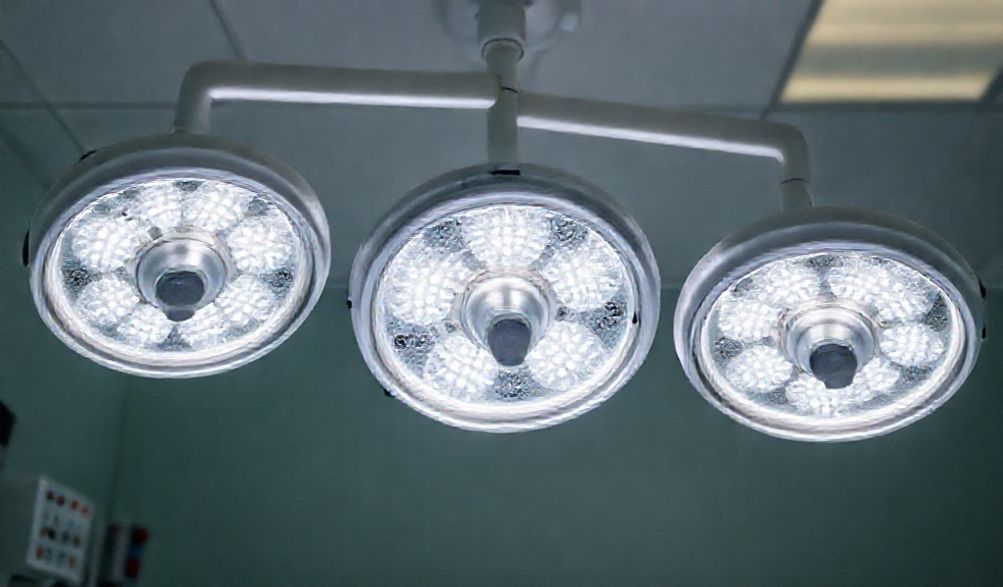
Your Complete Guide to Buying Surgery Lights for Sale: Features, Types & Selection Tips
Introduction
في بيئة غرفة العمليات عالية المخاطر، كل تفصيل له أهميته. ومن بين أكثر المعدات أهميةً، رغم أنها تُغفل أحياناً، هي surgical lights overhead. Far more than simple illumination, modern operating room (OR) lights are sophisticated tools engineered to enhance a surgeon’s vision, reduce fatigue, and directly contribute to patient safety and procedural success. For hospital administrators, procurement officers, and clinical directors, purchasing these systems represents a significant capital investment with long-term implications for clinical outcomes and operational efficiency.
The market for surgery lights for sale is vast and varied, spanning from premium new systems to certified refurbished units, from multi-arm ceiling mounts to specialized portable solutions. Navigating this landscape requires a clear understanding of both clinical needs and technical specifications. This comprehensive guide is designed to be your definitive resource. We will demystify the key performance metrics, compare the primary types of lights available, and provide a practical, step-by-step framework for making an informed purchasing decision. Drawing on industry standards, clinical insights, and procurement best practices, our goal is to equip you with the knowledge to select a lighting system that delivers optimal value, performance, and reliability for your facility.
Understanding Surgical Lighting: Why It’s More Than Just a Bright Light
The Critical Role of Illumination in Surgical Outcomes
Surgical lighting’s primary objective is to replicate natural daylight as closely as possible within a confined and often deep surgical site. Its performance is measured not just in raw brightness, but in its ability to reveal anatomical truth. Poor lighting can lead to eye strain, increased surgeon fatigue, and—most critically—compromised visualization that can affect the precision of dissection, the accuracy of tissue differentiation, and the control of bleeding.
Key aspects of illumination directly impact outcomes:
* Shadow Reduction: A single light source creates harsh, obstructive shadows from the surgeon’s head and hands. Quality surgical lights are designed with multiple LED point sources or advanced diffusion optics to fill in these shadows, providing consistent, uniform light across the entire field.
* Color Rendering: The Color Rendering Index (CRI) measures a light’s ability to reveal the true colors of objects compared to natural light. In surgery, a high CRI (typically >90) is non-negotiable. It allows surgeons to accurately distinguish between arterial and venous blood, identify subtle tissue changes, and recognize nuances in organ health, which is vital for procedures in fields like oncology, plastic surgery, and general surgery.
* Depth of Field: This refers to the light’s ability to maintain focus and intensity deep within a cavity (e.g., during abdominal or pelvic surgery). A light with excellent depth of field provides clear, bright illumination even when the focal distance changes, without requiring constant, disruptive repositioning.
Organizations like the Association of periOperative Registered Nurses (AORN) provide guidelines on recommended illumination levels, underscoring the fact that proper surgical lighting is a foundational element of patient safety protocols.
Key Performance Metrics of a Quality Surgical Light
When evaluating surgery lights for sale, focus on these core technical specifications:
- Lux & Lumen Output: Lux measures the intensity of light (illuminance) falling on a surface. For surgery, the required lux level at the center of the field is substantial. General surgery typically requires 40,000 to 160,000 lux, while specialized fields like neurosurgery or microsurgery may demand even higher intensities (up to 200,000 lux). Lumens measure the total light output of the source itself. A balance of high lumens and precise optical control delivers the necessary lux without wasteful glare.
- إدارة الظلال: This is achieved through design. Lights with multiple LED modules arranged in a concentric pattern, or those using a large, single reflector with a special diffusion filter, effectively minimize the creation of distinct shadows. The goal is “shadow dilution,” where any remaining shadows are soft and unobtrusive.
- مؤشر تجسيد الألوان (CRI): As mentioned, seek a CRI of 90 or higher. Some advanced lights even offer tunable white light, allowing surgeons to adjust the color temperature to their preference for specific procedures.
- Depth of Field: This is a function of the light’s optical design. A good depth of field (often measured as a range, e.g., 800mm to 1200mm) means the light remains in focus and maintains a high percentage of its central lux intensity even as the distance to the surgical site varies.
Types of Surgery Lights for Sale: Finding the Right Fit
Ceiling-Mounted Surgical Lights: The OR Standard
These are the workhorses of the main operating theater, offering powerful, hands-free illumination.
- Single vs. Multi-Arm Configurations:
- Single-Arm Lights: Offer a streamlined design and are often sufficient for smaller ORs or less complex procedures. They provide excellent maneuverability but may have limitations in shadow management compared to multi-source systems.
- Multi-Arm Lights: Feature two or more independent light heads on separate arms. This allows two surgeons to position light from different angles, virtually eliminating shadows. They are the preferred choice for complex, multi-specialty operating rooms.
- Central vs. Lateral Mounting:
- Central Mounting: The light is suspended from the center of the OR ceiling. This provides the most symmetrical range of motion and is ideal for operating tables that are not fixed in position.
- Lateral Mounting: The light is mounted on a track or fixed point to the side of the operating table. This frees up ceiling space above the table for other equipment (like imaging monitors or anesthesia booms) and can be advantageous in rooms with specific workflow designs.
Portable and Specialized Surgical Lights
Not all procedures happen under a central ceiling light. Several specialized types cater to unique needs.
- Surgical Headlights: These wearable systems provide a powerful, focused beam of light that moves precisely with the surgeon’s gaze. They are indispensable in specialties where the surgical site is narrow or requires extreme angles, such as Otolaryngology (ENT), dentistry, plastic surgery, and neurosurgery. Modern LED headlights are lightweight, cool, and offer excellent battery life.
- Veterinary Surgery Lights: Designed for animal clinics, these lights must accommodate a wider variety of table heights and patient sizes. They often feature robust construction, easy-to-clean surfaces, and may have adjustable color temperatures to aid in visualizing tissue and vessels through fur or feathers.
- LED Examination Lights: While not for major surgery, these portable or wall-mounted lights are perfect for minor procedures, wound care, examination rooms, and endoscopy suites. They offer high-quality, cool light in a more compact and cost-effective package.
The Modern Standard: Advantages of LED Surgical Lights
The shift from halogen and xenon to Light Emitting Diode (LED) technology has revolutionized surgical lighting. When searching for surgery lights for sale, LED systems should be your default consideration.
Clinical and Operational Benefits of LED Technology
- Cooler Light Output: Traditional bulbs emit a significant amount of infrared (heat) radiation. This can lead to tissue dehydration at the surgical site and discomfort for the surgical team. LEDs produce minimal heat, directing almost all energy into visible light.
- Exceptional Longevity & Reduced Maintenance: A high-quality LED module can last 50,000 to 60,000 hours—often a decade or more of clinical use—before luminosity degrades significantly. This eliminates the frequent, costly bulb replacements and recalibrations required with older technologies.
- كفاءة الطاقة: LEDs consume substantially less power than halogen or xenon bulbs to produce the same or greater light output. This translates to meaningful long-term savings on hospital energy bills and a reduced environmental footprint.
Advanced Features in Contemporary LED Systems
Today’s premium LED surgical lights are integrated technology hubs:
* عناصر التحكم البديهية: Touchscreen panels or sterilizable handles allow for easy adjustment of intensity and focus without breaking sterility.
* Surgical Mode Presets: Specialized modes can enhance visualization for specific tasks. For example, a “vascular mode” might adjust the light spectrum to increase the contrast of oxyhemoglobin, making blood vessels more distinct.
* OR Integration: Lights can be networked into the operating room’s control system, allowing them to interface with surgical video cameras, monitors, and room lighting for seamless workflow.
A Step-by-Step Guide to Evaluating and Purchasing
إجراء تقييم للاحتياجات في منشأتك
Before looking at any products, answer these foundational questions:
1. Clinical Scope: What surgical specialties will the light serve? (e.g., Cardiac, Orthopedic, General, Microsurgery). The most demanding procedure sets the performance benchmark.
2. Physical Environment: What are the dimensions of the OR? What is the ceiling height and type (hard ceiling, track system)? Are there weight-bearing constraints?
3. Financial Parameters: What is the total available budget? It’s crucial to think in terms of إجمالي تكلفة الملكية (TCO)—including purchase price, installation, energy costs, and potential service contracts—rather than just the upfront sticker price.
Navigating the Procurement Process
- New vs. Refurbished Equipment: This is a key cost consideration.
- New Lights: Come with full OEM warranties, the latest technology, and guaranteed compliance. This is the best choice for new construction or flagship ORs.
- Certified Refurbished Lights: High-quality refurbished surgery lights for sale from reputable vendors can offer savings of 30-50%. The critical factor is the refurbishment standard: the unit should be completely disassembled, worn parts replaced, LEDs and electronics tested, optics cleaned and aligned, and finished to meet or exceed original OEM specifications. A comprehensive warranty (often 1-2 years) is mandatory.
- Key Questions for Vendors:
- What are the full warranty terms and what do they cover?
- What is your service and support network like? Response time?
- Can you provide documentation of compliance with ISO 60601-1 (safety) and ISO 9680 (performance)?
- Is the system upgradeable (e.g., adding a camera, new light head)?
- The Importance of Demos & Trials: Never buy a surgical light sight-unseen. Request a demonstration in a simulated OR environment. Have surgeons and nurses manipulate the light, test its focus and shadow control, and evaluate the control interface. This hands-on assessment is invaluable.
Installation, Maintenance, and Total Cost of Ownership
Planning for Successful Installation
Proper installation is critical for safety and performance. It requires close coordination between the vendor, your clinical engineering team, and facilities management.
* Structural Assessment: Confirm the ceiling can support the light’s weight, especially for large multi-arm systems.
* Electrical Requirements: Ensure adequate power supply and outlets are in the correct location.
* Clearance and Workflow: Verify the light’s range of motion covers the entire operating table area without interfering with other ceiling-mounted equipment.
Ensuring Longevity and Performance
- Routine Maintenance: Follow the manufacturer’s cleaning protocols using approved, non-abrasive disinfectants that won’t damage lenses or housings. Regular inspection of arms, joints, and brakes should be part of the clinical engineering schedule.
- Service and Parts: Understand the recommended service intervals and the availability (and cost) of critical replacement parts like handles, control panels, or LED modules.
- Calculating Total Cost of Ownership (TCO): An informed financial analysis includes:
- Purchase Price (or lease cost)
- Installation & Integration Fees
- Estimated Annual Energy Consumption
- Cost of Replacement Parts/Bulbs over 10 years
- Cost of Service Contracts or per-incident repairs
- Potential downtime costs
A light with a higher upfront price but lower energy use, no bulb replacements, and a strong warranty may have a far lower TCO than a cheaper, less efficient alternative.
قسم الأسئلة الشائعة
س1: ما هو العمر الافتراضي النموذجي لمصباح جراحي LED؟
ج: High-quality LED surgical lights are rated for 50,000 to 60,000 hours of operation. With typical daily use in an OR, this often translates to over a decade of service before a significant drop in luminosity occurs, far outperforming halogen or xenon bulbs.
Q2: Can I buy a reliable refurbished surgical light?
ج: Absolutely, provided you purchase from a certified and reputable refurbishment specialist. Ensure the vendor provides a detailed report of the refurbishment process, guarantees that the unit meets original OEM performance specifications, and offers a robust warranty (minimum 1 year) with full service documentation.
Q3: How much does a standard ceiling-mounted surgical light cost?
ج: Prices vary dramatically. A new, single-arm LED light might start around \$15,000, while a top-tier, multi-arm system with advanced features can exceed \$50,000. Certified refurbished models can offer substantial savings of 30-50% off new list prices. Always budget for installation, which can add several thousand dollars.
Q4: What certifications should I look for?
ج: The essential certifications are ISO 60601-1 (safety standard for medical electrical equipment) and ISO 9680 (specific performance requirements for surgical luminaires). Depending on your region, look for FDA Clearance (USA) or علامة CE (Europe), which indicate the device is approved for clinical use in those markets.
Q5: How do I know what light intensity (Lux) I need?
ج: تتطلب الجراحة العامة عادةً 40,000 إلى 160,000 لوكس في مركز مجال الإضاءة. بينما تتطلب التخصصات عالية الدقة مثل جراحة الأعصاب، وجراحة العيون، أو جراحة الأوعية الدموية الدقيقة غالباً الطرف الأعلى من هذا المدى أو أكثر. ضع مواصفاتك بناءً على الإجراء الأكثر تطلباً بصرياً الذي ستدعمه غرفة عملياتك، واستشر الإرشادات السريرية ذات الصلة.
الخاتمة
يعد اختيار surgery lights for sale يعد اختيار إضاءة غرفة العمليات قراراً استراتيجياً يؤثر في كل عملية تجرى تحت تلك الإضاءة. فهو يوازن بين الحاجة الحرجة للتميز السريري والواقع العملي لإدارة المرافق والميزانية. من خلال تجاوز مقياس السطوع البسيط لفهم المبادئ الأساسية لإدارة الظل، وإعادة إنتاج اللون، وعمق المجال—وعن طريق التقييم الدقيق لأنظمة الإضاءة الحديثة (LED) مقابل احتياجات منشأتك المحددة—يمكنك القيام باستثاث واثق ومستعد للمستقبل.
تذكر أن الخيار الأرخص نادراً ما يكون الأكثر اقتصاداً على المدى الطويل. رجح البائعين الذين يظهرون خبرة، ويقدمون دعماً شاملاً، ويوفرون وثائق امتثال واضحة. باتباع النهج المنظم الموضح في هذا الدليل—من التقييم الأولي للاحتياجات إلى حساب التكلفة الإجمالية للملكية—ستكون مؤهلاً لاختيار نظام إضاءة جراحي يعزز قدرات جراحيك، ويساهم في تحقيق نتائج مرضية متفوقة، ويقدم خدمة موثوقة لسنوات قادمة.
ص>