
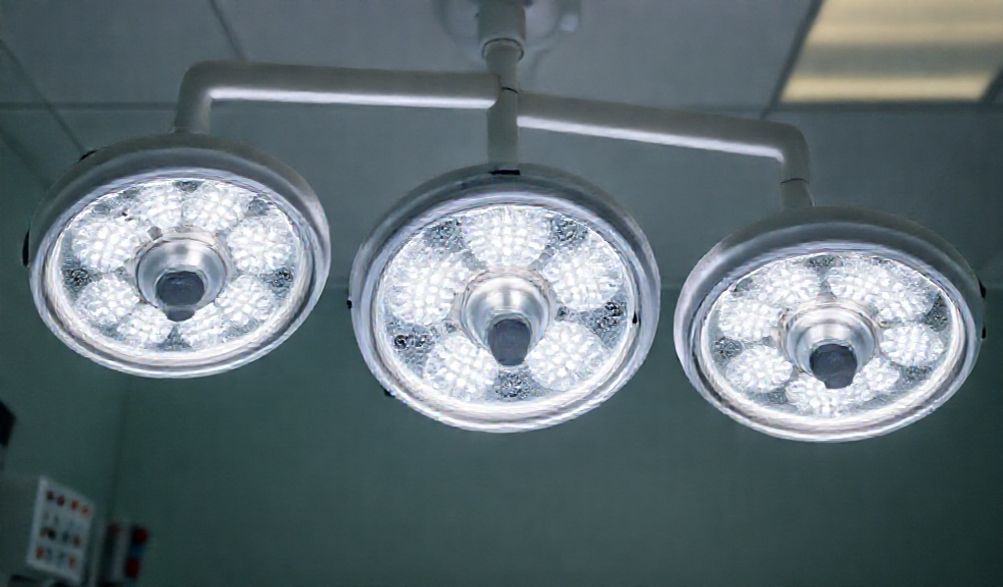
Your Guide to Buying Surgery Lights for Sale: Features, Types, and Key Considerations
In the high-stakes environment of an operating room, every piece of equipment plays a pivotal role. Yet, few are as fundamentally crucial—and as often underestimated in procurement—as the الضوء الجراحي. It is the literal spotlight on the surgical field, a tool that directly dictates a surgeon’s ability to see, differentiate, and operate with precision. Choosing the right surgery lights for sale is not merely a purchasing decision; it’s a critical investment in patient safety, staff well-being, and procedural efficiency.
Whether you are commissioning a new operating suite, upgrading outdated halogen systems, or expanding your facility’s surgical capabilities, navigating the market can be complex. With a myriad of technical specifications, configurations, and suppliers, making an informed choice requires a clear understanding of both clinical needs and engineering principles. This comprehensive guide is designed for healthcare administrators, clinical engineering teams, and procurement specialists. We will demystify the key features, explore the main types of surgical lights available, and outline a step-by-step procurement process to ensure you select a lighting solution that delivers optimal performance, durability, and value for your facility.
Understanding Surgical Lighting: Core Principles and Importance
Before evaluating specific models, it’s essential to grasp why surgical lighting is so specialized. Unlike general ambient lighting, a surgical light must create a controlled, intense, and shadow-reduced field of illumination that mimics natural daylight as closely as possible.
The Role of Illumination in Surgical Precision and Safety
The primary goal of a surgical light is to enable the surgeon to see minute details, differentiate between subtle tissue types, and perceive true colors of anatomy and blood. This capability has a direct and measurable impact on clinical outcomes.
- تقليل الظل: Advanced optical systems are engineered to eliminate the shadows cast by a surgeon’s head and hands. Multiple light sources or specially designed reflectors converge to fill in shadows, providing consistent illumination across the entire wound cavity.
- Visual Fatigue: Poor lighting—characterized by glare, uneven fields, or incorrect color temperature—forces the surgical team’s eyes to work harder, leading to fatigue, headaches, and decreased concentration. Optimal lighting reduces this strain, promoting longer, safer periods of focused work.
- Procedural Efficiency: When a surgeon can see clearly without adjusting the light constantly or struggling to discern details, procedures can often be performed more quickly and with greater confidence, potentially reducing operating time and improving patient throughput.
Key Technical Specifications Explained
Navigating product brochures means understanding the language of light. Here are the non-negotiable specs to evaluate:
- Lux and Lumen Output: Lux measures the intensity of light (illuminance) falling on a surface. For major surgery, a minimum of 40,000 to 160,000 lux at the center of the light field is typical, with the ability to focus this intensity deep into a cavity. Lumens measure the total light output of the source itself.
- Color Temperature (Kelvin): Measured in Kelvins (K), this describes the “warmth” or “coolness” of light. Surgical lights typically range from 4000K to 5000K. A color temperature around 4500K is often preferred, as it provides a bright, neutral white light that enhances contrast and tissue differentiation without causing a blueish cast.
- مؤشر تجسيد الألوان (CRI): This is arguably the most critical specification. CRI measures a light’s ability to reveal the true colors of objects compared to natural sunlight (which has a CRI of 100). For surgery, a CRI of 90 or higher is essential. A high CRI allows for accurate distinction between arterial blood, venous blood, fatty tissue, and organ parenchyma, which can be life-saving.
- Depth of Illumination: This refers to the light’s ability to provide adequate illumination at the base of a deep, narrow incision (e.g., in spinal or pelvic surgery) without causing excessive heat on the surface tissues. Modern LED systems excel at delivering deep-cavity illumination with minimal thermal radiation.
Main Types of Surgery Lights for Sale
Surgical lighting solutions are designed for different environments and specialties. The right choice depends on your facility’s procedures, room layout, and workflow.
Ceiling-Mounted Surgical Lights
The workhorse of the main operating room, ceiling-mounted lights offer the greatest flexibility and performance.
* المزايا: They free up floor space, provide extensive vertical and horizontal reach, and are engineered for perfect balance, allowing easy positioning that stays put.
* Configurations:
* Single-Arm: Common for minor procedure rooms or where space is limited.
* Double-Arm / Multi-Link: The standard for major ORs. Multiple articulated arms provide extensive reach and positioning flexibility, often allowing the light head to be placed directly over the field from almost any angle.
* Multi-Arm Systems: Feature two or more independent light heads on separate arms, allowing for dual-field lighting or setup by multiple surgeons.
Surgical Headlights and Loupe Lights
For specialties where the surgical field is small, deep, or requires the light to move precisely with the surgeon’s viewpoint, head-mounted systems are ideal.
* Ideal For: Dentistry, Otolaryngology (ENT), Plastic and Reconstructive surgery, Neurosurgery, and any microsurgical procedure.
* Key Features: They provide co-axial illumination (light shines along the line of sight, minimizing shadow). Many integrate directly with surgical loupes for magnification. Modern versions use bright, cool-running LEDs powered by a lightweight battery pack.
Portable and Stand-Alone Surgical Lights
These mobile units offer versatility for non-dedicated spaces or as supplemental lighting.
* Use Cases: Emergency Departments, Labor & Delivery rooms, minor procedure suites, outpatient clinics, and field hospitals.
* الاعتبارات: Evaluate battery life (for cordless models), stability of the wheeled stand, boom reach, and whether the light output and CRI meet the demands of the intended procedures. They are a cost-effective solution for variable needs.
Critical Features to Evaluate Before You Buy
Beyond core specs, these design and usability features separate adequate lights from exceptional ones.
Optical System and Light Field Design
This is the heart of the light’s performance.
* Parabolic Reflectors vs. LED Matrix: Traditional systems used a single bulb with a large, faceted reflector to create a homogeneous field. Modern LED matrix systems use dozens of small, individually controlled LEDs. This allows for exceptional homogeneity, smoother dimming, and often, the ability to shape or enlarge the light field digitally. LED matrices are now the industry standard for their performance and efficiency.
* Homogeneity & Glare: The light field should be even, with no hot spots or dark rings. Look for a high homogeneity percentage (e.g., > 60% within a defined area). The design should also minimize specular glare from wet tissues or instruments.
في مرحلة ما بعد الجائحة، إمكانية التنظيف أمر لا يقبل الجدل.
The light is a frequent point of contact in a sterile environment.
* Cleanability: All handles, control panels, and external surfaces should be seamless, smooth, and resistant to common hospital disinfectants (e.g., bleach-based solutions). Absence of crevices where contaminants can lodge is paramount.
* Sealed Optics: The light head should be completely sealed to IP ratings (like IP4x or higher) to prevent dust, fluids, and microbes from entering the optical chamber, which is critical for infection prevention and maintenance.
Ergonomics and Ease of Use
If a light is difficult to position, it won’t be used optimally.
* Balance & Drift: The light head should be perfectly balanced on its arms. After positioning, it should exhibit zero “drift” — it must stay exactly where placed without sagging or shifting, even over long procedures.
* Control Interfaces: Look for intuitive controls. Options include:
* مقابض معقمة: Allow the scrubbed team to adjust focus and intensity without breaking sterility.
* Touchscreen Panels: Often mounted on the light head or a nearby column for detailed control.
* Foot Switches or Remote Controls: For hands-free adjustment.
The Procurement Process: A Step-by-Step Guide
A structured approach ensures you meet clinical needs and achieve long-term value.
Assessing Your Facility’s Specific Needs
Start with an internal audit.
* Needs Analysis: Consult with surgeons and OR nurses. What specialties are performed? What are their common complaints about current lighting? Measure room dimensions, ceiling height, and structural support points.
* Budgeting with TCO: انظر إلى ما هو أبعد من سعر الملصق. احسب إجمالي تكلفة الملكية (TCO), which includes:
* Purchase Price
* Installation & Calibration
* Energy Consumption (LEDs use far less power)
* Preventive Maintenance
* Cost and frequency of bulb/LED module replacement (LEDs last for years).
Researching Reputable Manufacturers and Suppliers
Due diligence on your vendor is as important as on the product.
* Verification: Ensure the manufacturer holds relevant certifications: FDA registration, ISO 13485 (quality management for medical devices), and that the product complies with IEC 60601-1 و IEC 60601-2-41 (the specific standard for surgical luminaires).
* Supplier Evaluation: Choose a supplier with proven experience in healthcare installations. Ask for customer references, details of their technical support network, and their process for installation and training.
Requesting Demos and Evaluating Warranties
Never buy based on paper specs alone.
* In-Facility Demonstration: Insist on a live demo in one of your ORs. Have surgeons and staff use the light during a mock setup. Test its balance, drift, controls, and the quality of the light field on a simulated surgical site.
* Warranty Scrutiny: A strong warranty reflects confidence in the product. Expect a minimum of 2-3 years on parts and labor, with specific long-term coverage (e.g., 5-7 years or 50,000+ hours) on the LED engine. Understand the response time for service and parts availability.
Installation, Maintenance, and Safety Compliance
The journey doesn’t end with the purchase order.
التركيب والمعايرة الاحترافية
This is not a DIY project.
* Certified Installation: Installation must be performed by certified technicians. It involves structural mounting to the ceiling (which may require reinforcement), electrical connections, and ensuring the system’s full range of motion is safe and unobstructed.
* المعايرة الأولية: After installation, the light must be calibrated to ensure the light field is centered, homogeneous, and delivering the specified lux levels at the standard working distance.
Creating a Routine Maintenance Schedule
Proactive care prevents failures.
* Daily/Weekly: Staff should wipe down surfaces and check for any obvious damage or movement issues.
* سنوياً/كل عامين: A certified service engineer should perform a full inspection: verifying light output (lux), color metrics, checking balance and brake function, and inspecting all mechanical and electrical components.
Meeting Regulatory and Safety Standards
Maintain a compliance file.
* Key Standards: Keep documentation proving compliance with IEC 60601-1 IEC 60601-1 (السلامة العامة) و IEC 60601-2-41 (particular safety for surgical lights). This is critical for Joint Commission or other accreditation surveys.
* Record-Keeping: Maintain logs of all installation certificates, calibration reports, preventive maintenance activities, and any repairs.
قسم الأسئلة الشائعة
Q1: What is the typical lifespan of modern LED surgical lights?
ج: غالبًا ما يتراوح العمر الافتراضي لمصابيح LED الجراحية عالية الجودة بين 50,000 إلى 60,000 ساعة، مما يتفوق بشكل ملحوظ على المصابيح الهالوجينية التقليدية. وهذا يعني أكثر من عقد من الخدمة الموثوقة مع الحد الأدنى من الصيانة، بافتراض الاستخدام النموذجي في غرفة العمليات.
س2: هل يمكنني تحديث مصباحي الجراحي القديم برأس إضاءة LED جديد؟
ج: تقدم بعض الشركات المصنعة مجموعات ترقية أو رؤوس LED متوافقة للأنظمة الحالية. ومع ذلك، يجب تقييم التوافق وسلامة الهيكل والسلامة الكهربائية بشكل احترافي. غالبًا ما يُوصى باستبدال النظام بالكامل لضمان الأداء المضمون وميزات السلامة الحديثة والتغطية الكاملة للضمان.
س3: كم تبلغ تكلفة نظام الإضاءة الجراحية النموذجي؟
ج: تختلف التكاليف بشكل كبير حسب النوع والميزات والعلامة التجارية. قد تبدأ أضواء الحوامل المحمولة من \$5,000 – \$15,000. يمكن أن تتراوح أضواء السقف ذات الذراع الواحد القياسية من \$15,000 – \$40,000. تتراوح أنظمة السقف المتقدمة متعددة الأذرع وكبيرة القطر من LED لغرف العمليات الرئيسية عادةً من \$40,000 إلى أكثر من \$100,000. ركز على القيمة - إجمالي تكلفة الملكية - وليس فقط السعر الأولي.
س4: ما الضمان الذي يجب أن أتوقعه عند شراء أضواء العمليات الجراحية؟
ج: تقدم الشركات المصنعة ذات السمعة الطيبة عادةً ضمانًا شاملاً لمدة 2-5 سنوات على قطع الغيار والعمل للنظام بأكمله، مع ضمانات ممتدة (مثل 5-7 سنوات) مخصصة لمحرك LED. اقرأ دائمًا الشروط لفهم ما هو مشمول وإجراءات الخدمة.
س5: هل توجد خيارات “صديقة للبيئة” أو موفرة للطاقة لأضواء العمليات الجراحية؟
ج: بالتأكيد. تُعد أضواء LED الجراحية المعيار لكفاءة الطاقة، حيث تستهلك طاقة أقل بنسبة تصل إلى 80٪ من أنظمة الهالوجين القديمة. كما أنها تنتج حرارة مشعة أقل بكثير، مما يقلل الحمل على نظام التدفئة والتهوية وتكييف الهواء في غرفة العمليات، مما يساهم في توفير طاقة إضافي للمنشأة.
الخاتمة
يعد اختيار أضواء العمليات الجراحية المناسبة للبيع قرارًا مهمًا يؤثر على كل إجراء يتم تنفيذه تحتها. فهو يوازن بين المتطلبات السريرية الثابتة - التقليل المتفوق من الظلال، وإعادة إنتاج اللون الممتاز، والإضاءة الشديدة والباردة في نفس الوقت - والمتطلبات العملية للتعقيم، وبيئة العمل، والقيمة التشغيلية طويلة الأجل. من خلال اتباع عملية شراء منضبطة - تقييم الاحتياجات، وفهم المواصفات الرئيسية، وتقييم الموردين بدقة، والتخطيط للتركيب والصيانة الاحترافية - يمكنك القيام باستثتماد واثق.
تذكر، في سياق غرفة العمليات، فإن الضوء الأكثر فعالية من حيث التكلفة ليس الأرخص، بل الذي يوفر تصورًا استثنائيًا بشكل موثوق لآلاف الساعات، ويعزز أداء وسلامة فريق الجراحة، ويصمد لسنوات مع الحد الأدنى من التوقف. تعاون مع موردين معتمدين وذوي سمعة طيبة يقدمون دعماً قوياً. في النهاية، يعد الاستثمار المدروس في الإضاءة الجراحية المتميزة استثمارًا لا غنى عنه في سلامة المرضى وقمة التميز الجراحي.
ص>