
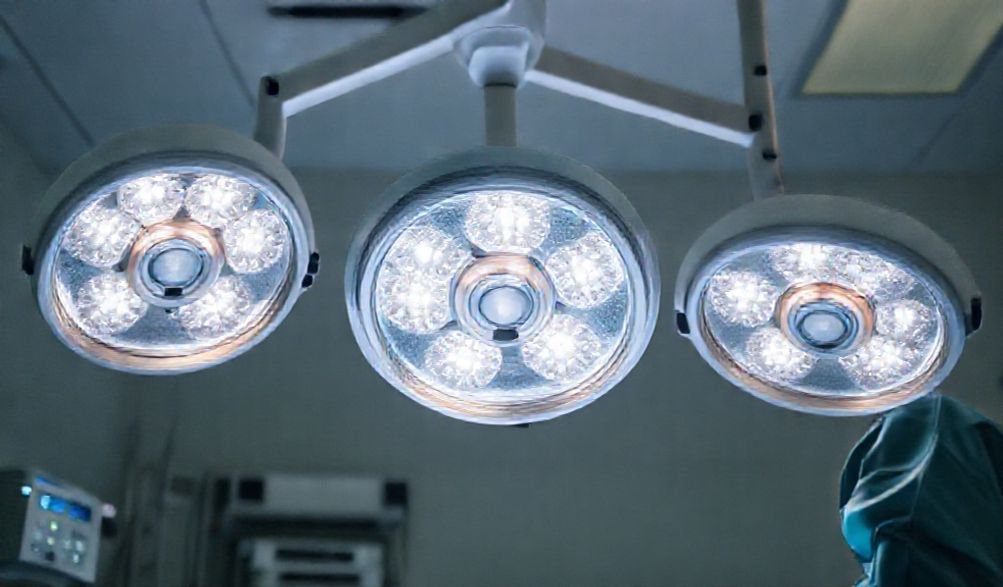
Surgical Examination Lights: A Comprehensive Guide to Optimal Lighting in Medical Procedures
In the high-stakes environment of an operating room, where a millimeter can define the line between success and complication, the tools at a surgeon’s disposal are paramount. While much attention is given to advanced imaging and robotic systems, one foundational element remains irreplaceable and critical: light. Surgical examination lights are not mere room fixtures; they are a primary instrument for visualization, directly impacting procedural accuracy, surgeon performance, and, ultimately, patient safety. A poorly lit field can obscure vital anatomical landmarks, distort tissue color, and cast debilitating shadows, turning a routine procedure into a challenging ordeal.
This comprehensive guide is built on a foundation of Expertise, Experience, Authoritativeness, and Trustworthiness (E-E-A-T), drawing from established industry standards (ISO, IEC), clinical research on human factors in surgery, and the practical insights of surgical professionals. It is designed to address the needs of surgeons, hospital procurement committees, operating room managers, and medical students seeking authoritative, detailed information on the technology, selection criteria, and benefits of modern surgical lighting systems. We will navigate the evolution from simple illumination to intelligent lighting solutions, break down the key technologies and features, explore options for different specialties, and provide a clear framework for making an informed investment that supports clinical excellence for years to come.
The Critical Role of Lighting in Modern Surgery
Light in surgery has evolved from a basic utility to a sophisticated component of the therapeutic environment. Its quality directly influences the cognitive and physical workflow of the entire surgical team.
Beyond Illumination: How Lighting Impacts Surgical Outcomes
The connection between superior lighting and improved surgical outcomes is well-documented. Optimal lighting reduces visual strain and mental fatigue, allowing surgeons to maintain focus and precision during lengthy procedures. This directly correlates with lower error rates and decreased procedure times. Furthermore, advanced lighting is crucial for accurate tissue differentiation—distinguishing between arteries, veins, nerves, and pathological tissue relies heavily on the faithful reproduction of color and subtle hue variations. Enhanced depth perception, achieved through shadow management and homogeneous light fields, is vital for navigating complex anatomical cavities safely and efficiently. In essence, the surgical light is an extension of the surgeon’s vision, and any compromise in its quality is a compromise in diagnostic and operative capability.
Evolution of Surgical Lighting: From Shadow to LED
The journey of surgical lighting mirrors the advancement of medicine itself. Early operating theaters relied on natural light or simple incandescent lamps, plagued by intense heat, poor color quality, and obstructive shadows. The introduction of halogen lights marked a significant step, offering brighter, whiter light. However, they generated substantial radiant heat, posed burn risks, and had relatively short lifespans. The true paradigm shift arrived with Light Emitting Diode (LED) technology. LEDs have revolutionized the field, providing a source of illumination that is cool, energy-efficient, exceptionally long-lasting, and capable of being finely tuned to meet the exacting demands of modern surgery. This transition represents a move from simple “lighting the room” to “engineering the visual field.”
Key Technologies in Contemporary Surgical Lights
Today’s surgical lights are marvels of optical and electrical engineering, integrating several core technologies to create the ideal surgical field.
LED Technology: Efficiency, Longevity, and Color Rendering
The near-universal adoption of LED technology is due to its multifaceted advantages:
* Cool Light & Energy Efficiency: LEDs convert most energy into visible light, not infrared radiation (heat). This minimizes thermal load on the surgical site, reducing tissue desiccation and improving patient comfort. Their high efficiency also leads to significant reductions in energy consumption and operating costs.
* Exceptional Longevity: LED modules often boast lifespans of 40,000 to 60,000 hours, virtually eliminating the disruptive and costly need for bulb replacements during critical procedures.
* Superior Color Rendering: This is arguably the most critical technical aspect. The مؤشر تجسيد اللون (CRI) measures a light source’s ability to reveal the true colors of objects compared to natural light. For surgery, a CRI of 90 or higher is essential. A high-CRI LED light ensures blood appears correctly oxygenated (arterial vs. venous), tissues show their true vitality or pathology, and anatomical structures are clearly distinguishable, preventing misinterpretation.
Advanced Optical Systems and Light Field Design
Creating a uniform, deep, and shadow-reduced field requires sophisticated optical design.
* Depth of Illumination & Homogeneity: A quality light provides consistent intensity not just on the surface, but deep within a cavity (e.g., during abdominal or pelvic surgery). This is achieved through complex lens systems and parabolic reflectors that shape and direct the light.
* Shadow Reduction: Modern systems employ multiple light heads (often 2-4) arranged in a circular configuration. Each head’s light beams intersect at the surgical site. When a surgeon’s head or hand obstructs one beam, the others fill in, dramatically diluting shadows. Some systems use computer-controlled motors to keep light heads aligned, ensuring the shadow-reduction effect is maintained even when the light is repositioned.
Integration and Control Systems
Surgical lights are becoming intelligent nodes in the integrated operating room.
* Sterilizable & Touchless Controls: Control panels are designed for easy cleaning and often offer touchless, gesture-based operation or voice control to maintain a sterile field.
* OR Integration: Leading systems can interface with operating room integration hubs. This allows surgeons to control light intensity, store preferred settings for specific procedures, and synchronize lighting with other technologies like surgical video recorders, microscopes, or endoscopic towers, creating a seamless workflow.
Essential Features to Evaluate When Selecting Surgical Lights
Beyond core technology, several performance and usability features are critical for evaluation.
Luminosity and Adjustability: Lux Levels and Dimming
Brightness must be both sufficient and controllable.
* Lux Levels: Illuminance is measured in lux. While needs vary, general major surgery often requires 40,000 to 160,000 lux at the center of the field. Specialized procedures like microsurgery may demand even higher intensities. The light should maintain a high percentage of this intensity across a wide diameter (e.g., 20-25 cm).
* Dimming: Smooth, continuous dimming from 100% down to very low levels (often 10-20%) is necessary for different procedural phases and to accommodate the varying light sensitivity of the surgical team.
Maneuverability, Reach, and Balance
A light that is difficult to position is a hindrance.
* طرق التثبيت: Ceiling-mounted lights offer the greatest range of motion and keep the floor clear. Mobile floor stands provide flexibility for outpatient clinics, minor procedure rooms, or as supplemental lighting.
* Articulation & Balance: The light should have multiple, freely moving joints with a long horizontal reach. Crucially, it must feature automatic position braking or perfect balance. Once placed, the light should remain absolutely stable, resisting drift or sag, even with repeated contact from drapes or personnel.
Safety and Compliance Standards
Adherence to international standards is non-negotiable for patient and staff safety.
* Certifications: Look for lights certified to IEC 60601-1 (medical electrical equipment safety) and manufactured under ISO 13485 (quality management for medical devices). ISO 9001 certification for the manufacturer is also a strong indicator of quality.
* Fail-Safe Systems: Redundant lighting elements ensure that if one LED module fails, the light remains functional at a reduced level, preventing a complete blackout mid-procedure. Effective thermal management systems prevent overheating of the light head itself.
Specialized Surgical Lights for Different Disciplines
One size does not fit all. The ideal light is matched to the procedural demands of the specialty.
Lights for Major Surgery (General, Cardiothoracic, Orthopedic)
These lights prioritize power, field size, and depth.
* Features: High-intensity output (100,000+ lux), very wide and homogeneous light fields, and configurations with three or four light heads are standard. They are designed to illuminate deep cavities (abdomen, chest) effectively and manage the significant obstructions common in these open procedures.
Lights for Minor Surgery and Examination Rooms
For outpatient clinics, ambulatory surgery centers, and emergency rooms, flexibility and space efficiency are key.
* Features: Compact, single or dual-head systems on mobile floor stands or short-ceiling booms are common. They offer excellent maneuverability for procedures like laceration repair, biopsies, and wound care, where access and a clear floor plan are important.
Lights for Specialized Procedures (ENT, Neurosurgery, Dental)
These disciplines require precision lighting that often integrates with other optical tools.
* Features:
* ENT/Neurosurgery: Lights may offer a very focused “spot” function for minimally invasive approaches or feature coaxial lighting (where light is directed along the line of sight) for optimal visualization in narrow cavities. Integration with surgical microscopes is a common requirement.
* جراحة الأسنان/الفم: Lights are typically chair-mounted or on a flexible arm, providing intense, shadow-free illumination directly into the oral cavity, often with a small, focused spot size.
Maintenance, Sterilization, and Total Cost of Ownership (TCO)
The financial analysis of a surgical light extends far beyond its initial purchase price.
Routine Cleaning and Sterilization Protocols
Maintaining a sterile field includes the light itself.
* Guidelines: The light handle, the most frequently touched part, must be easily removable and sterilizable (autoclavable or compatible with low-temperature sterilization). All external surfaces should be seamless and designed for rapid wiping with hospital-grade disinfectants without damage. Strict adherence to the manufacturer’s cleaning instructions is essential for both sterility and device longevity.
Ensuring Consistent Performance: Calibration and Servicing
Like any precision instrument, surgical lights require periodic maintenance.
* Importance: Over time, even LEDs can experience a slight degradation in output. Annual professional inspection and calibration by certified biomedical technicians are recommended. This service verifies lux output, color temperature, and CRI, ensures all mechanical and safety systems are functioning, and preserves the optimal performance of your investment.
Analyzing Long-Term Value: Beyond the Purchase Price
A true cost assessment considers the entire lifecycle.
* TCO Components:
1. Initial Purchase Price: The capital outlay.
2. استهلاك الطاقة: LED lights can reduce power usage by 50% or more compared to halogen.
3. Replacement Parts: The cost and frequency of bulb/LED module replacement. LED’s long lifespan makes this cost nearly negligible.
4. عقود الخدمة: Preventive maintenance and repair costs.
5. Clinical Impact: While harder to quantify, the potential reduction in procedure time, error rates, and surgeon fatigue contributes to overall hospital efficiency and patient outcomes.
An LED system with a higher upfront cost but minimal service needs and 10+ years of reliable performance often presents a far lower TCO than a cheaper, less efficient alternative.
قسم الأسئلة الشائعة
س5: ما هو العامل الأهم عند اختيار ضوء جراحي؟
ج: While many factors are important, the combination of excellent color rendering (CRI >90) و sufficient, homogeneous, shadow-reduced illumination tailored to your specific surgical specialty forms the non-negotiable core. Without accurate color and clear visualization, all other features are secondary.
س2: كم مرة تحتاج أضواء العمليات الجراحية إلى الاستبدال أو الصيانة؟
ج: Modern LED modules are designed to last for decades under normal use (40,000-60,000 hours). They are not typically “replaced” on a schedule like old bulbs. However, الفحص المهني السنوي والتنظيف والمعايرة موصى بها بشدة لضمان استمرار أدائها وفق المواصفات الأصلية والكشف المبكر عن أي مشاكل ميكانيكية أو كهربائية محتملة.
س3: هل يمكن دمج أضواء العمليات الجراحية مع تقنيات غرفة العمليات الأخرى؟
ج: نعم، يعد الدمج اتجاهاً رئيسياً. تقدم العديد من الأنظمة الحديثة إمكانية الاتصال (عبر واجهات سلكية أو لاسلكية) بمراكز تكامل غرف العمليات. وهذا يسمح بمزامنة التحكم مع أنظمة الفيديو الجراحي وإضاءة الغرفة ومراقبات المريض، وتمكين تخزين إعدادات الإضاءة المسبقة للإجراءات أو الجراحين المختلفين.
س4: ما فوائد أضواء العمليات الجراحية LED مقارنة بموديلات الهالوجين القديمة؟
ج: الفوائد جوهرية: استهلاك طاقة أقل بشكل كبير, حرارة إشعاعية ضئيلة على المريض وفريق الجراحة،, دقة لونية وثبات متفوقان, ، و عمر خدمة طويل استثنائي يلغي تكلفة وتعطيل استبدال المصابيح المتكرر.
س5: كيف يمكنني إدارة الظلال أثناء الإجراء الجراحي؟
ج: تعتمد الإدارة الفعالة للظلال على التقنية والأسلوب. من الناحية التقنية، اختر الأضواء ذات رؤوس إضاءة متعددة وأنظمة بصرية متطورة مصممة لتخفيف الظلال. أثناء الجراحة، ضع رؤوس الإضاءة بزوايا مختلفة تجاه مجال العمل. إذا ظهر ظل، فإن إعادة تموضع أحد رؤوس الإضاءة قليلاً (باستخدام عنصر التحكم الفردي الخاص به) غالباً ما يزيله دون تعطيل مصدر الإضاءة الرئيسي.
الخاتمة
لقد تجاوزت أضواء الفحص الجراحي دورها كأدوات بسيطة لتصبح أدوات أساسية دقيقة في غرفة العمليات الحديثة. يعد اختيار نظام الإضاءة استثماراً مباشراً في الدقة الجراحية وكفاءة الفريق وسلامة المريض. كما استكشفنا، يجب أن يسترشد هذا القرار بفهم عميق لتقنية LED، ومقاييس الأداء البصري مثل مؤشر تجسيد اللون واللوكس، ومتطلبات بيئة العمل الخاصة بالتخصص الجراحي، وتحليل واقعي للتكاليف التشغيلية طويلة المدى.
يعزى هذا النهج القائم على الأدلة لاختيار الإضاءة الجراحية مبادئ E-E-A-T، مما يضمن محاذاة الاستثمارات الرأسمالية مع أعلى المعايير السريرية. نحن نشجع الجراحين وفرق المشتريات والمهندسين السريريين على تجاوز قوائم المواصفات. الخطوة التالية هي التشاور مع مخططي المعدات الطبية المعتمدين وطلب عروض عملية من الشركات المصنعة ذات السمعة الطيبة. يعد تقييم أداء الضوء في بيئة محاكاة - والتحقق من التحكم في الظل، ودقة الألوان، وسهولة الحركة، والثبات - الطريقة الأكثر موثوقية لضمان أن النظام المختار سينير طريق النتائج الناجحة لسنوات قادمة.
ص>