
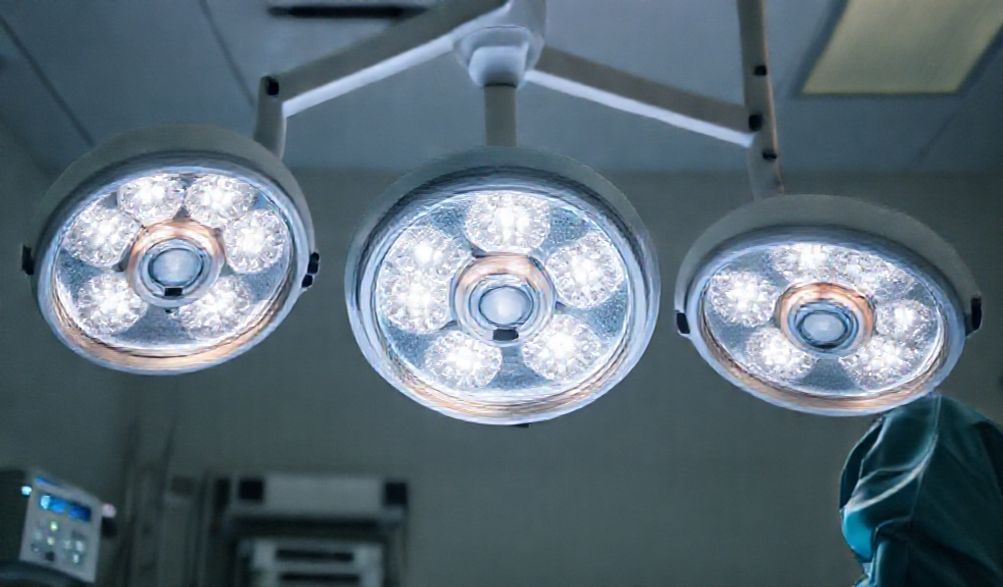
Surgical Examination Lights: A Comprehensive Guide to Optimal Lighting in Medical Procedures
In the high-stakes environment of the operating room, where precision is measured in millimeters and outcomes hinge on flawless execution, one foundational element is often overlooked: light. It is the medium through which a surgeon sees, interprets, and acts. Consider this: studies suggest that up to 30% of a surgeon’s time can be spent managing inadequate lighting, directly impacting procedure duration and potentially complicating outcomes. Surgical examination lights are not mere fixtures; they are critical, life-enabling tools that bridge the gap between surgical skill and successful patient care.
This guide serves as an authoritative, in-depth resource for surgeons, clinical directors, facility managers, and procurement specialists. Our goal is to move beyond basic specifications and explore the profound impact of illumination on modern medicine. We will dissect the core technologies behind today’s advanced systems, provide a structured framework for selecting the right equipment, and outline the essential protocols for maintenance and safety. By integrating key concepts like تقليل الظل, color fidelity, ، و ergonomic design, we aim to illuminate the path to optimal lighting solutions for any clinical setting.
The Critical Role of Lighting in Modern Surgery
Light in surgery is analogous to a musician’s instrument. Its quality defines the performance. The right surgical light transforms the operative field from a challenging visual puzzle into a clear, detailed landscape, enabling not just sight, but insight.
Impact on Surgical Precision and Outcomes
The direct correlation between lighting quality and surgical accuracy is well-documented. Optimal illumination is defined by several key factors:
- Tissue Differentiation: Accurate color rendition is paramount. Surgeons rely on subtle variations in color—the pallor of ischemic tissue, the blush of healthy vasculature, the yellow of adipose tissue—to make critical decisions. Poor lighting can mask these differences, leading to diagnostic uncertainty.
- Depth Perception and Detail: A high-intensity, focused beam with excellent depth of illumination allows a surgeon to see into deep cavities (like in cardiothoracic or pelvic surgery) without shadows obscuring vital structures. This three-dimensional clarity is essential for navigating complex anatomy.
- Reduced Visual Fatigue: Inconsistent lighting, glare, or insufficient intensity forces the eye’s muscles to work harder, leading to strain. Over the course of a long procedure, this fatigue can degrade fine motor control and concentration.
As noted in a review published in the Journal of Clinical Engineering, “The visual demands of surgery are extreme… Lighting systems must provide illumination that supports both the physiological limits of human vision and the cognitive tasks of surgery.” This expert perspective underscores that lighting is a human factors engineering challenge as much as a technical one.
Enhancing Patient Safety and Reducing Fatigue
The benefits of superior surgical examination lights extend beyond the immediate visual field to encompass the entire surgical team’s well-being and, by extension, patient safety.
- Minimizing Cognitive Load: When lighting is optimal, the surgeon’s brain is freed from the task of compensating for poor visibility. Cognitive resources can be fully dedicated to decision-making and technical execution.
- Ergonomics and Posture: Surgeons often contort their bodies to “chase the light.” Modern lights with wide, deep illumination fields and easy maneuverability allow the surgeon to maintain a neutral, healthy posture, reducing physical strain and the risk of long-term musculoskeletal injury.
- Team Coordination: A well-lit field is a shared field. Assistants, nurses, and anesthetists all benefit from clear visibility, facilitating better communication, anticipation, and coordination during critical phases of the operation.
Key Technologies in Contemporary Surgical Lights
The evolution from simple incandescent bulbs to today’s intelligent systems represents a quantum leap in surgical support technology. Understanding these technologies is the first step in making an informed choice.
LED vs. Halogen: A Performance Comparison
The shift from halogen to LED is the defining technological transition in surgical lighting.
- LED (Light Emitting Diode): The modern standard.
- اقتصادي التكلفة، يتحرك تلقائيًا مع الكرسي. Extremely long lifespan (50,000+ hours), minimal heat radiation (reducing tissue drying and surgeon discomfort), high energy efficiency, instant full intensity, and exceptional color stability over time. LEDs offer precise control over color temperature.
- يمكن أن يتعارض مع حركة المساعد، قد يكون له مدى محدود، ويرتبط عمر الضوء بعمر الكرسي. Higher initial purchase price, though this is offset by the total cost of ownership. Requires sophisticated heat-sink design to manage the heat generated at the diode junction.
- Halogen: The traditional technology.
- اقتصادي التكلفة، يتحرك تلقائيًا مع الكرسي. Lower upfront cost, familiar warm light quality.
- يمكن أن يتعارض مع حركة المساعد، قد يكون له مدى محدود، ويرتبط عمر الضوء بعمر الكرسي. Very high heat output (infrared radiation), short bulb life (1,000-2,000 hours), gradual dimming and color shift over the bulb’s life, higher energy consumption, and frequent, costly bulb replacements that breach the sterile field.
For any new procurement or upgrade, LED technology is the unequivocal recommendation for its safety, performance, and long-term economic benefits.
Understanding Essential Technical Specifications
Navigating product specifications requires fluency in key metrics:
- Illuminance (Lux): The amount of light falling on the surgical field. Typical requirements range from 40,000 to 160,000 lux, depending on the specialty. Intensity must be adjustable to suit different procedures and surgeon preference.
- مؤشر تجسيد الألوان (CRI): A measure of a light’s ability to reveal the true colors of objects compared to natural light. For surgery, a مؤشر تجسيد لون 90 أو أعلى is essential for accurate tissue discrimination.
- Color Temperature (Kelvin): Describes the hue of the “white” light. Surgical lights often operate in the 4000K-5000K range, providing a neutral white that balances visual comfort with accurate color perception. Some systems offer tunable color temperatures.
- Depth of Illumination: The ability to provide consistent, shadow-reduced light at varying distances from the light head to the wound (e.g., from 60cm to 1 meter). This is a critical measure of optical design quality.
- إدارة الظلال: Achieved through multi-point source designs (e.g., multiple LED clusters) or reflector systems. When a surgeon’s head or instrument obstructs one light source, others fill in, dramatically reducing obstructive shadows.
Advanced Features for Complex Procedures
Today’s surgical examination lights are integrated systems:
* مقابض معقمة: Allow the surgeon or assistant to reposition the light without breaking sterility.
* Camera Integration: Dedicated ports or built-in 4K cameras for recording or broadcasting procedures for teaching and telemedicine.
* Specialty Light Modes: Adjustable color spectra to enhance contrast for specific tissues (e.g., a blue-enriched mode to better visualize capillaries or a mode optimized for fluorescence-guided surgery).
* Connectivity & Control: Integration with the OR’s control system for preset lighting scenes, voice activation, or touchless adjustment.
How to Choose the Right Surgical Examination Light
Selecting a light is a strategic decision that balances clinical need, operational workflow, and financial planning.
Assessing Your Clinical Needs and Specialties
Begin with a clinical audit:
* Surgical Specialty: A neurosurgery or ENT suite requires a high-intensity, focused light with exceptional depth for deep, narrow cavities. An orthopedic or trauma OR needs a very broad, uniform field to illuminate large areas. Laparoscopic suites may prioritize integration with imaging systems.
* OR Size and Layout: Ceiling height, the presence of other ceiling-mounted equipment (booms, monitors), and the room’s footprint will dictate optimal mounting solutions.
* Procedure Mix: Facilities performing long, complex procedures (e.g., organ transplants) will place a premium on light stability, heat management, and ergonomic design to reduce team fatigue.
Evaluating Mounting Options and Mobility
- Ceiling-Mounted (Single or Multi-Arm): The most common solution, offering the greatest range of motion, keeping the floor clear, and providing stable, suspension-free positioning. Ideal for dedicated operating rooms.
- مثبت على الحائط: A space-saving alternative for smaller rooms or specific procedural areas, though with a more limited range of motion.
- Mobile Floor-Stands: Offer ultimate flexibility for use in multiple rooms (e.g., minor procedure rooms, emergency departments, labor & delivery), in field hospitals, or as a supplemental light. Consider maneuverability, stability, and cable management.
Budgeting: Total Cost of Ownership (TCO)
The purchase price is just the entry point. A true financial analysis considers:
1. استهلاك الطاقة: LEDs consume 50-70% less power than equivalent halogen systems.
2. الصيانة وقطع الغيار: Halogen systems require regular, costly bulb replacements. LED systems have minimal recurring parts costs but may have higher service costs for electronic components.
3. Durability & Lifespan: An LED system lasting 10+ years versus a halogen system requiring multiple major refits in the same period.
4. عقود الخدمة: Factor in the cost and coverage of manufacturer-supported service agreements.
Investing in a higher-quality, energy-efficient system almost always yields a lower TCO and greater clinical satisfaction over a 5-10 year period.
Installation, Maintenance, and Safety Protocols
A perfect light is only as good as its installation and upkeep. Rigorous protocols are non-negotiable for patient safety and equipment longevity.
Proper Installation for Optimal Performance
Installation must be performed by certified clinical engineers or authorized technicians. Key considerations include:
* Positioning the primary light to align with the standard surgical site position.
* Ensuring electrical connections meet hospital-grade standards and local codes.
* Verifying that the full range of motion does not interfere with other OR equipment or violate sterile boundaries.
Routine Maintenance and Cleaning Checklist
Adherence to manufacturer guidelines is paramount for warranty and safety.
* Daily/Pre-Procedure: Wipe down handles and non-sterile surfaces with a hospital-grade disinfectant. Perform a functional check of intensity control, movement, and balance.
* أسبوعيًا/شهريًا: Inspect the light head glass/cover for cracks or discoloration. Check all arms and joints for smooth movement and secure locking.
* Annual/Bi-Annual: Professional calibration and inspection by a qualified service engineer to check illuminance levels, color metrics, and mechanical integrity. This scheduled service is critical for maintaining peak performance and is a cornerstone of a compliant clinical engineering program.
Common Troubleshooting and Safety Checks
- Flickering/Dimming: Usually indicates a failing power supply, loose connection, or (in halogens) an end-of-life bulb.
- حركة صلبة أو عائمة: May require re-balancing of the arms or inspection of the friction joints and gas springs by a technician.
- Uneven Light Field or Dark Spots: Could signal failing LED clusters or degradation of internal reflectors/light guides, requiring professional assessment.
The Future of Surgical Lighting
The frontier of surgical illumination lies in intelligence and integration.
Integration with Digital Operating Rooms
The surgical light is becoming a connected data node. Future systems will automatically adjust intensity and focus based on the surgical step (guided by the OR schedule or AI analysis of the video feed), integrate seamlessly with robotic consoles, and respond to voice commands or gesture control, creating a truly responsive ambient environment.
Advances in Imaging and Guided Surgery
Lighting is converging with advanced imaging. We are already seeing systems with built-in fluorescence capabilities for real-time visualization of blood flow, bile ducts, or cancerous tissue. The next step is the integration of Augmented Reality (AR), where the surgical light could project vital imaging data (from MRI/CT scans) directly onto the patient’s anatomy, providing an X-ray vision overlay that enhances precision and reduces cognitive load.
قسم الأسئلة الشائعة
What is the ideal Color Rendering Index (CRI) for a surgical light?
A CRI of 90 or higher is the clinical standard. This ensures that the colors of tissues, blood, and organs are rendered as accurately as possible under artificial light, which is crucial for correct identification and differentiation during surgery.
س: كم مرة يجب صيانة أو معايرة أضواء العمليات الجراحية؟
A comprehensive professional service and calibration should be performed at least annually, as per most manufacturers’ recommendations. However, a basic functional check (intensity, movement, balance) should be part of the OR team’s daily or pre-procedure routine.
Can LED surgical lights cause tissue heating?
High-quality LED surgical lights are specifically engineered to emit minimal infrared radiation, making them significantly “cooler” than halogen lights and drastically reducing the risk of tissue drying or thermal injury. However, no light source is entirely free of heat, so maintaining the recommended distance from the tissue (usually outlined in the manual) is always important.
What is the typical lifespan of an LED surgical light?
LED modules are typically rated for 50,000 to 100,000 hours of operation. In practical terms, with average OR use, this can translate to 15-20 years of service before a significant drop in output, far exceeding the 1,000-2,000 hour lifespan of a halogen bulb.
س4: هل توجد مصابيح مخصصة للتخصصات الجراحية المختلفة؟
Absolutely. While general surgery lights are versatile, specialties often have specific needs:
* Cardiothoracic/Neurosurgery: Lights with very high intensity and exceptional depth of illumination for deep-cavity work.
* جراحة العظام/الصدمات: Lights with a very wide, homogeneous field to cover large anatomical areas like an entire limb or the spine.
* Ophthalmic/ENT: Lights with highly focused, coaxial illumination and often integrated magnification.
* الإجراءات البسيطة/الأمراض الجلدية: أضواء سقف متنقلة أو أصغر حجمًا ذات تجسيد ممتاز للألوان للإجراءات السطحية.
الخاتمة
تُعد أضواء الفحص الجراحي ركيزة أساسية في الرعاية الجراحية الحديثة، حيث تؤثر مباشرة على الدقة والسلامة وأداء الفريق. يتطلب اختيار النظام المناسب تحليلاً دقيقاً للاحتياجات السريرية، وفهماً عميقاً للمواصفات الفنية مثل مؤشر تجسيد اللون وعمق الإضاءة، ونظرة استراتيجية لإجمالي تكلفة الملكية. علاقة على ذلك، يجب حماية هذا الاستثمار من خلال التركيب الدقيق والصيانة المنضبطة والالتزام ببروتوكولات السلامة.
كملاحظة ختامية حاسمة، نؤكد على أهمية التعاون: اشِرِك مهندسيك السريريين، واستشِر جراحين ذوي خبرة من التخصصات ذات الصلة، واشْرِك مع موردين معتمدين يقدمون تدريباً قوياً ودعماً خدمياً. تعتمد سلامة المرضى والتميز الجراحي على التآزر بين الأيدي الماهرة والرؤية المستنيرة.
دعوة للعمل: نشجعكم على إجراء مراجعة شاملة للإضاءة في مناطق الإجراءات الرئيسية لديكم. هل تلبي أنظمتكم المعايير الحديثة؟ لدورة المشتريات القادمة، تجاوزوا عروض الأسعار الأساسية من الموردين. انخرطوا في عملية استشارية مع متخصصين يمكنهم مساعدتكم في تحويل سير العمل السريري إلى استراتيجية إضاءة مثالية. سيلاحظ مرضاكم وفريقكم الجراحي الفرق.
ص>