
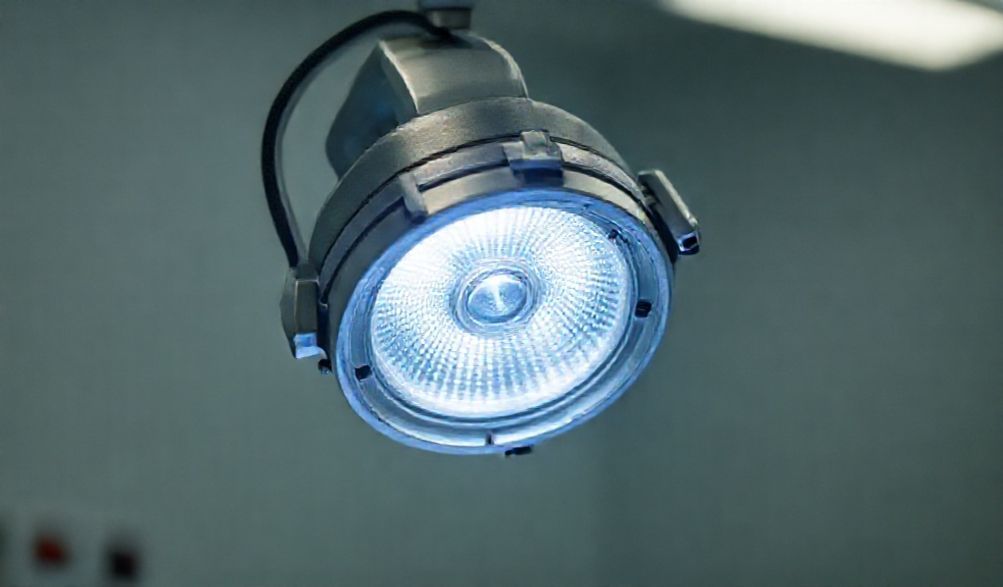
Surgical Head Lamps: A Surgeon’s Guide to Enhanced Precision, Safety, and Outcomes
Introduction
Every surgeon knows the moment: leaning into a complex anatomical field, where a millimeter’s deviation carries significant consequence. In these critical moments, the quality of your vision is paramount. Yet, the universal challenge remains—overhead operating lights, while essential, cast shadows, create glare, and often fail to illuminate the deepest recesses of a surgical site. The struggle for clear, shadow-free, and intensely focused light is a constant in the operating theater.
This is not merely a matter of convenience. Proper surgical illumination is a fundamental pillar of procedural success, as critical as a steady hand or a sharp scalpel. It directly impacts surgical precision, surgeon ergonomics, and, most importantly, patient safety. When visualization falters, risk increases.
This comprehensive guide delves into the essential world of the surgical head lamp. Far more than a simple headlamp, these sophisticated systems are engineered to become a seamless extension of the surgeon, delivering controlled light exactly where it’s needed. We will explore the technology behind these devices, break down their key features and benefits, and provide a clear framework for selecting the right system for your specific surgical discipline. Drawing from established surgical best practices, technical device specifications, and the evolving demands of modern minimally invasive surgery, this post serves as a definitive resource.
Whether you are a practicing surgeon seeking an upgrade, a surgical resident building your toolkit, a hospital procurement specialist evaluating options, or a surgical assistant optimizing the operative environment, this guide aims to empower you with the knowledge to make a truly informed decision about head-mounted lighting solutions.
Why Illumination is Critical in Modern Surgery
Beyond Basic Visibility: The Impact on Surgical Precision
The primary function of a surgical head lamp is to eliminate the barriers to perfect visualization. This goes far beyond simply “seeing better.”
- Depth Perception & Shadow Reduction: Overhead lights create shadows from instruments, hands, and even the surgeon’s head. A head-mounted light source, co-axial with the surgeon’s line of sight, dramatically reduces these obstructive shadows. This enhanced contrast and shadow control are crucial for accurately discerning tissue planes, identifying delicate structures like nerves and micro-vessels, and navigating complex three-dimensional anatomy.
- Color Differentiation & Tissue Recognition: Accurate color rendition is vital. Is that tissue ischemic, inflamed, or healthy? Modern LED-based head lamps provide a consistent, high-color-rendering index (CRI) light that reveals true tissue color, aiding in critical decision-making during dissection and ensuring complete removal of pathological tissue.
- The Link to Efficiency and Accuracy: Superior visualization translates directly to operative efficiency. With a clear, bright, and focused field, surgeons can work with greater confidence and speed, potentially reducing operative time. More importantly, it enhances accuracy, minimizing the risk of inadvertent damage to surrounding structures and ensuring the procedure is executed exactly as planned.
Ergonomics and Surgeon Well-being: Reducing Fatigue and Injury
The physical toll of surgery is well-documented, and poor lighting is a major, often overlooked, contributor.
- The Strain of Compensating: Inadequate or poorly positioned light forces surgeons into strained, static postures—craning the neck, hunching the shoulders, or twisting the torso—to “chase” the light. Over a long procedure or a career spanning decades, this leads to significant neck, back, and eye fatigue.
- The Ergonomic Solution: A properly fitted surgical head lamp brings the light source to the surgery, not the surgeon to the light. By delivering illumination directly down the visual axis, it allows the surgeon to maintain a neutral, comfortable posture. This reduction in physical strain improves concentration and endurance during long cases and is an investment in career longevity, helping to mitigate the risk of work-related musculoskeletal disorders.
Patient Safety and Improved Clinical Outcomes
Ultimately, every technological advancement in the OR circles back to one goal: improving patient care.
- Mitigating Iatrogenic Risk: Enhanced visualization is a direct patient safety intervention. By providing a clear view of the surgical field, a head lamp helps prevent accidental nicks, cuts, or thermal damage to critical adjacent structures. This is especially vital in fields like neurosurgery, spinal surgery, and reconstructive procedures where margins are exceptionally tight.
- Enabling Advanced Techniques: In minimally invasive surgery (laparoscopic, endoscopic) and microsurgery, the external light source is often physically incapable of reaching the operative site. A surgical head lamp becomes indispensable, providing the intense, focused illumination required to work through small portals or under high magnification. It expands the surgeon’s capability to perform safer, less invasive procedures with superior outcomes.
Key Components and Technology of a Surgical Head Lamp System
Understanding the core components of a head lamp system is key to evaluating its performance and suitability.
The Light Source: LED vs. Halogen/Xenon
The heart of the system is its light source, and here, technology has made a definitive leap.
- Halogen/Xenon (Legacy Technology): These were the standards for years, producing a bright, yellowish light. However, they have significant drawbacks: they generate intense heat (causing discomfort and tissue drying), have short bulb lifespans (often 50-100 hours), are less energy-efficient, and their color temperature and intensity degrade over the bulb’s life.
- LED (The Modern Standard): Light Emitting Diodes have revolutionized surgical lighting. They offer a cooler, whiter light that better mimics daylight, providing superior color accuracy. Their advantages are overwhelming:
- Minimal Heat: Virtually no infrared radiation, reducing thermal risk to patient tissue and surgeon comfort.
- عمر افتراضي استثنائي: Rated for 20,000 to 50,000 hours, effectively making them “lifetime” bulbs for most users.
- كفاءة الطاقة: Consume less power, leading to longer battery life.
- Instant On/Off & Consistent Output: Provide full brightness immediately with no warm-up time and maintain consistent intensity and color temperature throughout their lifespan.
Understanding Light Specifications: Lumens, Lux, and Color Temperature
Navigating the specs is easier when you know what matters.
- Lumens: A measure of the total amount of visible light emitted by the source. Think of it as the “water flow” from a hose.
- Lux: This is the critical metric for surgeons. It measures the الشدة of light falling on a surface (lumens per square meter). It tells you how bright the surgical field will be. For a surgical head lamp, lux values at a given distance (e.g., 200mm) are what you compare.
- General/Plastic Surgery: 40,000 – 100,000 lux may be sufficient.
- Deep Cavity Work (Spine, Neuro, Cardiothoracic): 150,000 – 300,000+ lux is often recommended to penetrate depth without scattering.
- درجة حرارة اللون: Measured in Kelvin (K), it describes the “warmth” or “coolness” of the light. Surgical head lamps typically range from 4500K (warmer, slightly yellow) to 6000K+ (cool, daylight white). A temperature around 5500K-6000K is generally preferred for its neutral, high-contrast illumination that reveals true tissue color.
The Power System: Battery Packs and Compatibility
Mobility and reliability depend on the power system.
- Battery Type: Lithium-ion (Li-ion) batteries are the standard due to their high energy density, lack of memory effect, and relatively light weight.
- عمر البطارية: Look for runtime specifications at maximum brightness. A quality system should offer 4-8 hours on a single charge, enough for a full day’s surgical list. Consider systems with a battery indicator.
- خيارات التركيب: Batteries can be belt-mounted (common, keeps weight off the head), back-mounted (for better balance in seated positions), or even integrated into a lightweight waistcoat. Cordless systems offer ultimate freedom of movement, while some high-output models may use a lightweight cable connected to a console for unlimited power.
Comfort and Design: Headbands, Balance, and Weight Distribution
A light you can’t wear comfortably is a light you won’t use effectively.
- Headband Design: Look for adjustable, padded headbands made from materials that are breathable and compatible with standard sterilization methods (e.g., autoclaving). A secure, non-slip fit is essential during long, dynamic procedures.
- Balance and Weight: The total weight of the light source (LED module) and its mounting arm is crucial. The best systems are designed with a low center of gravity and counter-balancing to feel nearly weightless on the head, preventing neck strain. A low-profile design also minimizes interference with loupes, microscopes, or endoscopes.
How to Choose the Right Surgical Head Lamp: A Buyer’s Guide
Selecting a system is a balance of clinical need, technical specification, and personal ergonomics.
Assessing Your Surgical Specialty’s Needs
Different disciplines have different illumination priorities. Use this as a starting point:
| Surgical Specialty | Primary Need | Recommended Focus |
| :— | :— | :— |
| Neurosurgery / Spine | Deep cavity penetration, high-intensity spot | Very high lux (>150,000), adjustable focus, small spot size for depth. |
| ENT / Otology | Narrow, deep canal illumination | Very small, intense spot light; often integrated with loupes. |
| Plastic/Reconstructive | Broad, even field for surface work | Moderate to high lux, wider beam pattern, excellent color rendering. |
| Dental/Oral Surgery | Specific angled illumination of oral cavity | Angled light paths, compatibility with dental loupes, cordless for mobility. |
| General/Vascular | Versatility for open and deep procedures | Adjustable spot size, good depth of field, reliable battery life. |
Evaluating Key Features and Specifications
Create a checklist based on these core features:
- Light Output: What is the lux intensity at your typical working distance?
- Spot Size & Focus: Is it fixed or adjustable? Can you switch from a wide field to a pinpoint spot?
- Depth of Field: How large is the “in-focus” zone? A larger depth of field is beneficial when working at varying distances.
- Battery Life & Charging: Does the runtime meet your daily needs? How long does a full charge take? Are spare batteries readily available?
- Ease of Sterilization: Which components are wipeable? Which are autoclavable? (Always follow the IFU).
- الضمان والدعم: What is the manufacturer’s warranty? Is local technical support available?
Considering Integration and Workflow
Think about how the light integrates into your existing setup.
- Loupes Compatibility: Most systems offer mounting solutions for popular loupe frames. Ensure the combined weight and balance are still comfortable. Some manufacturers sell fully integrated loupe-light systems.
- Video & Documentation: If you record procedures, look for systems that offer a beam-splitter or camera mount to capture the head lamp’s illuminated view.
- Corded vs. Cordless: Cordless offers maximum freedom but is limited by battery life. Corded (battery belt or console) provides unlimited power but with the constraint of a cable.
Budgeting and Value: Initial Cost vs. Total Cost of Ownership
The purchase price is only part of the equation. Consider the إجمالي تكلفة الملكية (TCO):
- Initial Investment: Includes the light source, headband, battery, and charger.
- Long-Term Costs: With LED systems, bulb replacement costs are virtually eliminated. However, factor in the cost of replacement batteries every few years and any potential service contracts.
- Value Proposition: A higher initial investment in a robust, comfortable, high-performance LED system often pays for itself through durability, reduced downtime, and the intangible benefits of improved surgical performance and reduced surgeon fatigue.
Best Practices for Using and Maintaining Your Head Lamp
To ensure peak performance and longevity, proper use and care are essential.
Proper Fitting and Adjustment for Optimal Performance
A poor fit leads to poor performance. Take time to set it up correctly:
1. Position the Headband: Center the band on your head, above the ears and eyebrows. Adjust the tension so it’s snug but not tight.
2. موازنة وحدة الإضاءة: ضع وحدة الصمام الثنائي الباعث للضوء (LED) على ذراع التثبيت بحيث يكون وزنها مركزًا فوق جسر أنفك أو مائلًا قليلاً للأمام. يجب أن تشعر بالثبات، دون سحب للأمام أو الخلف.
3. محاذاة الحزمة الضوئية: انظر مباشرة إلى الأمام نحو هدف واضبط الذراع بحيث تكون نقطة التركيز (الهوت سبوت) في مركز مجال رؤيتك دون الحاجة لإمالة رأسك.
بروتوكولات التنظيف والتعقيم والتخزين
من الأهمية بمكان اتباع تعليمات الاستخدام المحددة (IFU) من الشركة المصنعة دائمًا. تشمل الإرشادات العامة:
* بعد كل استخدام: امسح وحدة مصدر الضوء والكابل وغلاف البطارية بمناديل مطهرة مناسبة للاستخدام في المستشفيات. لا تغمرها في السائل إلا إذا تم تحديد ذلك.
* التعقيم: صُمم العصابة الرأسية وغالبًا الغطاء الواقي لوحدة الإضاءة للتعقيم بالأوتوكلاف. أزل مصدر الضوء والبطارية قبل التعقيم.
* التخزين: قم بتخزين النظام في حافظة نظيفة وجافة. للحفاظ على صحة البطارية، إذا كنت ستخزنها لفترات طويلة، فقم بشحن البطارية إلى حوالي 50-60٪ من سعتها.
استكشاف الأخطاء الشائعة وإصلاحها
- ضوء خافت أو متقطع: أولاً، تحقق من شحن البطارية. إذا كنت تستخدم نظامًا سلكيًا، فتحقق من الوصلات. تأكد من تثبيت وحدة LED بشكل آمن.
- البطارية لا تحتفظ بالشحن: للبطاريات عمر افتراضي محدود (عادةً 2-3 سنوات مع الاستخدام المنتظم). إذا انخفض وقت التشغيل بشكل ملحوظ، فمن المحتمل أن يكون الوقت قد حان لاستبدالها.
- تركيز غير مريح: راجع خطوات الضبط. تأكد من توازن الوزن. فكر في إضافة أو تعديل الحشوات إذا كان ذلك مسموحًا به من قبل الشركة المصنعة.
الأسئلة المتكررة (FAQ)
س: ما هي العمر الافتراضي النموذجي للبطارية في مصباح الرأس الجراحي LED الحديث؟
ج: تقدم معظم الأنظمة عالية الجودة من 4 إلى 8 ساعات من التشغيل المستمر بشحنة واحدة عند أقصى سطوع، وهو ما يكفي عادةً ليوم كامل من الجراحة. تحقق دائمًا من المواصفات للنموذج المحدد وإعداد السطوع المستخدم.
س: هل يمكنني استخدام مصباح الرأس الجراحي مع عدساتي المكبرة (اللووبز)؟
ج: بالتأكيد. معظم الأنظمة مصممة لتكون متوافقة. تقدم العديد منها أذرع تثبيت عالمية تُثبّت مباشرة على إطار عدساتك المكبرة، أو يمكنك شراء نظام متكامل من نفس الشركة المصنعة. المفتاح هو ضمان بقاء الوحدة المجمعة متوازنة ومريحة.
س3: كيف أعرف مستوى السطوع (لومن/لوكس) الذي أحتاجه؟
ج: ركز على مستوى الـ لوكس (شدة الإضاءة) عند مسافة قياسية (مثل 200 مم أو 400 مم). بالنسبة للجراحة العامة والعمل السطحي، يتراوح المعدل الشائع بين 40,000 إلى 100,000 لوكس. بالنسبة للتخصصات ذات التجويف العميق مثل جراحة العمود الفقري أو جراحة الأعصاب، يُوصى بـ 150,000 لوكس أو أعلى. يمنحك اختيار نظام بكثافة قابلة للتعديل مرونة للإجراءات المختلفة.
س: هل مصابيح الرأس الجراحية صعبة التعقيم؟
ج: لا، فهي مصممة لبيئة غرفة العمليات. عادةً ما يتم تنظيف مصدر الضوء والكابل بالمسح. العصابة الرأسية وغالبًا الغطاء الواقي على الضوء قابلة للتعقيم بالأوتوكلاف. القاعدة الأهم هي اتباع تعليمات الاستخدام المحددة (IFU) من الشركة المصنعة دائمًا للتنظيف والتعقيم لتجنب التلف.
س: ما هي الميزة الرئيسية لمصابيح LED مقارنة بمصادر الإضاءة القديمة؟
ج: توفر مصابيح LED مزايا حاسمة متعددة: ضوء أكثر برودة وبياضًا يقلل من جفاف الأنسجة وانزعاج الجراح؛ وعمر افتراضي طويل للغاية (آلاف الساعات مقابل مئات)؛ وكفاءة طاقة أعلى لعمر بطارية أطول؛ وإخراج ضوئي فوري ومستقر دون تدهور مع مرور الوقت.
الخاتمة
A surgical head lamp هو أكثر بكثير من مجرد قطعة معدات؛ إنه استثمار حيوي في قدرتك الجراحية ومساهم مباشر في رعاية مرضى متميزة. كما اكتشفنا، النظام المناسب يعزز الدقة من خلال توفير إضاءة عالية الوضوح وخالية من الظلال، ويحمي راحة الجراح من خلال التصميم المريح، ويدعم سلامة المريض بشكل أساسي عن طريق تقليل المخاطر الجراحية.
يتطلب اختيار الجهاز المثالي تحليلًا مدققًا لمتطلباتك السريرية، وتقييمًا موثوقًا لمواصفات الشركة المصنعة، والتزامًا بالاستخدام والصيانة السليمين. إنه قرار يدمج المعرفة التقنية مع التفضيل الشخصي.
نشجعك على تجاوز قيود الإضاءة العلوية القياسية. جرب الفرق التحويلي الذي يمكن أن يحدثه الإضاءة الشخصية المركزة في مجال عملك الجراحي، وراحتك الجسدية، ونتائجك الجراحية. ما هي خطوتك التالية؟ استشر الزملاء الذين يستخدمون أنظمة مختلفة، ورتب عرضًا عمليًا مع مورد موثوق للأجهزة الطبية، وراجع بعناية مواصفات النماذج المصممة خصيصًا لتخصصك. أضِئ على حرفيتك.
ص>