
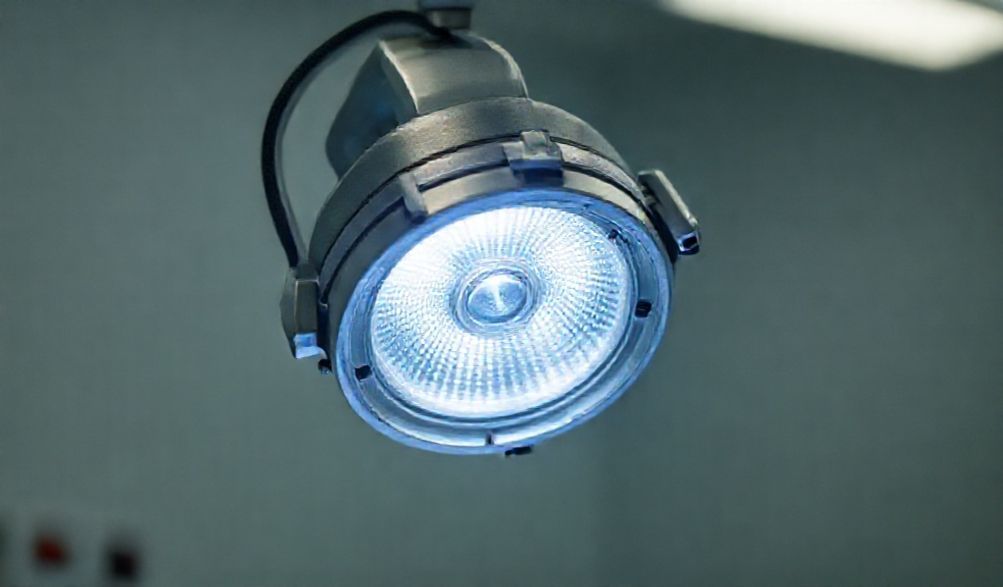
The Ultimate Guide to Surgical Head Lamps: Enhancing Precision in Modern Medicine
In the high-stakes theater of the operating room, a surgeon’s skill, knowledge, and steady hands are paramount. But what if one of the most critical factors for a successful outcome isn’t just innate talent or years of training, but something more fundamental: the quality of light? Imagine navigating the intricate landscape of human anatomy with shadows obscuring vital structures, or colors appearing misleading under a dull glow. The reality is that optimal visualization is the bedrock of precision surgery. This guide delves into the indispensable tool that bridges the gap between surgical skill and optimal visualization: the surgical head lamp.
Compiled from thorough research into manufacturer specifications, clinical studies, and industry best practices, this comprehensive resource is designed for surgeons, surgical residents, procurement officers, and healthcare administrators. Our goal is to provide an unbiased, authoritative overview that empowers you to make informed decisions. We’ll explore not just what a surgical head lamp is, but how its core features—precision illumination, superior بيئة العمل المريحة, and reliable performance—directly impact clinical workflows. By the end, you will understand the different types available, the key specifications that matter, and a practical framework for selecting and maintaining the right system for your specific needs.
What is a Surgical Head Lamp and Why is it Critical?
A surgical head lamp is a personal, head-mounted illumination system designed specifically for medical and surgical procedures. Unlike stationary overhead operating lights, it is worn by the surgeon, providing a directable, focused beam of light that moves in perfect synchrony with their line of sight.
The Critical Role of Lighting
The correlation between lighting and surgical performance is well-documented. Adequate illumination is not a luxury; it’s a necessity that directly influences:
* Surgical Accuracy: Enhanced visualization of tissue planes, vasculature, and nerve structures allows for more precise dissection and reduced risk of iatrogenic injury.
* Reduced Practitioner Fatigue: Eye strain and general fatigue are significantly mitigated when the surgical field is brightly and evenly lit, reducing squinting and improving concentration during long procedures.
* تحسين الكفاءة: With optimal lighting, surgeons can work more confidently and swiftly, potentially reducing operative time.
* Patient Outcomes: All the above factors contribute indirectly but powerfully to better patient outcomes, including lower complication rates and improved recovery.
Beyond the Overhead Light: Limitations of General OR Lighting
While modern overhead surgical lights are marvels of engineering, they have inherent limitations:
* Shadows: The surgeon’s head, hands, and instruments inevitably cast shadows onto the deep surgical field, creating areas of darkness precisely where clarity is needed most.
* Obstruction: In minimally invasive or deep-cavity surgeries (e.g., spinal, ENT, neurosurgery), the surgeon’s own posture can block the overhead light entirely.
* Lack of Focused Depth: Overhead lights provide broad-area illumination but often lack the intense, focused spot needed to illuminate the depths of a wound or body cavity.
Key Advantages of a Dedicated Head Lamp
A surgical head lamp addresses these shortcomings head-on:
* Hands-Free Operation: The light is always where you look, freeing both hands for instrumentation.
* Deep-Cavity Illumination: Focused beams can penetrate narrow, deep surgical sites, providing bright light exactly at the point of work.
* Portability & Flexibility: The surgeon carries the light source, making it ideal for procedures outside the main OR, in emergency settings, or when patient positioning is unconventional.
* Adjustable Focus: The ability to change the spot size from a small, intense circle to a wider flood allows adaptation to different surgical phases and specialties.
Key Features to Evaluate in a Surgical Head Lamp
Choosing a head lamp requires more than comparing prices. Use this authoritative checklist to understand the specifications that define performance and value.
Light Source Technology: LED vs. Halogen
The heart of any light system is its source. The industry has largely shifted, but understanding the difference is key.
* LED (Light Emitting Diode): The modern standard.
* اقتصادي التكلفة، يتحرك تلقائيًا مع الكرسي. Runs remarkably cool, produces very high brightness (lumens) with minimal heat output, has an exceptionally long lifespan (often 20,000-50,000 hours), and is highly energy-efficient, preserving battery life.
* يمكن أن يتعارض مع حركة المساعد، قد يكون له مدى محدود، ويرتبط عمر الضوء بعمر الكرسي. Higher initial cost, though this is offset by longevity and lack of bulb replacements.
* Halogen: The traditional technology.
* اقتصادي التكلفة، يتحرك تلقائيًا مع الكرسي. Provides a warm, familiar light spectrum and generally has a lower upfront purchase cost.
* يمكن أن يتعارض مع حركة المساعد، قد يكون له مدى محدود، ويرتبط عمر الضوء بعمر الكرسي. Generates significant heat (which can cause discomfort for the wearer), has a short bulb life (typically 50-100 hours), is less energy-efficient, and requires frequent, costly bulb changes.
Lumens and Lux: Understanding Brightness & Illumination
Brightness metrics are often confused.
* اللومن measure the total amount of visible light emitted by the source. It’s a useful but incomplete metric for surgical lights.
* اللوكس is the critical measure. It indicates the intensity of light falling on a specific area (lumens per square meter). A high-lumen light with a poorly focused beam may have low lux at the surgical site.
* For deep-cavity work (e.g., neurosurgery, spinal fusion), look for systems capable of 100,000 to 200,000+ lux at a typical working distance.
* For general and orthopedic surgery, 40,000 to 100,000 lux is often sufficient.
Beam Spot Size and Focus Adjustment
The ability to control the beam is vital for versatility.
* A variable focus mechanism allows the surgeon to adjust the spot diameter, typically from a concentrated 30-40mm spot for microsurgery to a wider 80-100mm flood for superficial or larger-field procedures.
* This adjustability should be easy to perform, often via a dial or slider on the lamp housing itself.
Color Temperature and Rendering Index (CRI)
Light quality affects how you see tissue.
* Color Temperature (measured in Kelvin, K) describes the “warmth” or “coolness” of the light. A neutral white light around 4500K to 5500K is generally preferred as it reduces eye strain and provides good contrast.
* مؤشر تجسيد اللون (CRI) is arguably more important. It measures a light’s ability to reveal the true colors of objects compared to natural light. A يعتبر مؤشر CRI بقيمة 90 أو أعلى (on a scale of 0-100) is essential for accurately differentiating between arterial blood, venous blood, fatty tissue, and other structures.
Ergonomics and Wearability: Weight, Balance, and Comfort
A head lamp is worn for hours; comfort is non-negotiable for performance.
* Weight & Balance: The total system weight (headpiece + battery) and its distribution are crucial. Well-balanced systems place minimal strain on the neck. Lightweight materials like carbon fiber are used in premium models.
* Headband Design: Look for adjustable, padded headbands with secure yet comfortable fit. Over-the-head, crown-style, or behind-the-head styles are available to suit personal preference and compatibility with loupes.
* التوافق: Ensure the system is designed to integrate seamlessly with your surgical loupes, if used. Many offer unified mounts or adaptable brackets.
Types of Surgical Head Lamps and Their Applications
Surgical head lamps fall into two primary categories, defined by their power and light delivery method.
Fiber Optic Head Lamps
This traditional design features a remote light source generator (often on a stand or rollable cart) connected to the headpiece via a flexible fiber optic cable.
* اقتصادي التكلفة، يتحرك تلقائيًا مع الكرسي. Capable of producing extremely high, cool light output (high lux) as the powerful generator is not head-borne. No batteries to charge mid-procedure.
* يمكن أن يتعارض مع حركة المساعد، قد يكون له مدى محدود، ويرتبط عمر الضوء بعمر الكرسي. The surgeon is tethered by the cable, which can limit mobility and requires management to avoid snagging. The generator takes up floor space.
LED-Integrated/Battery-Powered Head Lamps
These modern, all-in-one systems have the LED light source and a rechargeable battery pack integrated directly into the headpiece or on a belt clip.
* اقتصادي التكلفة، يتحرك تلقائيًا مع الكرسي. Complete freedom of movement with no cables. Excellent for procedures requiring significant repositioning or in settings outside a standard OR.
* يمكن أن يتعارض مع حركة المساعد، قد يكون له مدى محدود، ويرتبط عمر الضوء بعمر الكرسي. Battery life limits runtime (though most last a full surgical day). The weight of the battery is carried on the head or body.
Choosing Based on Surgical Specialty
Your specialty should guide your choice:
* Neurosurgery, Microsurgery, Ophthalmology: Require the highest lux values, smallest spot sizes, and exceptional color accuracy. Fiber optic or high-end LED systems are typical.
* ENT, Oral/Maxillofacial, Spinal Surgery: Need deep-cavity illumination with good spot adjustability. Both high-power LED and fiber optic systems are common.
* General, Plastic, Orthopedic Surgery: Benefit from a versatile system with a good balance of brightness, wider spot capability, and ergonomics. Battery-powered LED systems are highly popular for their flexibility.
How to Choose the Right Surgical Head Lamp: A Buyer’s Checklist
This trustworthy, balanced guide prioritizes clinical need over brand hype.
Assessing Your Clinical Needs and Workflow
Start by asking:
1. What types of procedures do I perform most often? (Deep cavity vs. superficial)
2. What is my typical daily surgical volume and procedure length?
3. How important is untethered mobility in my practice?
4. Do I already use, or plan to use, surgical loupes? (Critical for compatibility)
Budget Considerations: Initial Cost vs. Total Cost of Ownership
Look beyond the sticker price:
* التكلفة الأولية: The purchase price of the system.
* التكلفة الإجمالية للملكية (TCO): Includes the lifespan and cost of replacement bulbs (halogen) or LEDs, battery replacement cycles, maintenance costs, and any required service contracts. An LED system with a higher upfront cost often has a lower TCO than a halogen system.
Safety and Compliance Standards
This is non-negotiable. Ensure any device under consideration has:
* FDA Clearance (in the U.S.) or the appropriate regional medical device approval (e.g., CE Mark in Europe).
* Compliance with relevant IEC (International Electrotechnical Commission) و ISO (International Organization for Standardization) standards for electrical safety and medical device performance.
Best Practices for Using and Maintaining Your Head Lamp
Proper use and care maximize performance, safety, and the lifespan of your investment.
Proper Fitting and Adjustment for Optimal Performance
A poorly fitted lamp is ineffective. Follow these steps:
1. Position the headband securely and comfortably.
2. Adjust the lamp housing so the beam is centered in your field of view when looking straight ahead at your intended working distance.
3. Fine-tune the angle to eliminate shadows from your brow or loupes.
4. Adjust the focus to achieve the desired spot size on a test surface at your working distance.
Cleaning, Disinfection, and Sterilization Protocols
Infection control is paramount. اتبع دائمًا تعليمات الاستخدام المحددة (IFU) من الشركة المصنعة.
* Wipe-Down Components: The headband and often the main housing are typically designed for cleaning with hospital-grade disinfectant wipes. They are عدم submersible or sterilizable.
* Sterilizable Components: Some systems offer lamp heads or protective sleeves that can be removed and sterilized via autoclave (steam) or low-temperature (e.g., STERRAD, ETO) methods. Never sterilize a component unless the IFU explicitly states it is safe to do so.
Battery Care and Storage Tips
For cordless LED systems, proper battery care extends usable life:
* Avoid fully depleting the battery whenever possible. Lithium-ion batteries prefer partial rather than full discharge cycles.
قم بتخزين الجهاز والبطارية في مكان بارد وجاف.
* If storing for an extended period, charge the battery to approximately 50-60% capacity.
Frequently Asked Questions (FAQ) About Surgical Head Lamps
Q1: What is the typical battery life for a cordless LED surgical head lamp?
ج: Battery life varies significantly by model and brightness setting. On a medium setting, most professional-grade systems offer between 4 to 8 hours of continuous runtime—enough to cover a full day of surgery. Always check the manufacturer’s specifications, and note that battery life decreases over time with charge cycles.
Q2: Can surgical head lamps be used with surgical loupes?
ج: نعم، بالتأكيد. Most are designed with this in mind. The key is compatibility. Some head lamps attach directly to the loupes frame, while others use a separate headband positioned behind or above the loupes. For optimal integration and balance, consider systems from manufacturers that offer unified loupe and light combinations.
س: ما هي شهادات السلامة التي يجب أن أبحث عنها؟
ج: This is a major differentiator. LEDs have an extremely long lifespan, often rated between 20,000 to 50,000 hours. Under normal use, they may last the entire functional life of the device without replacement. Halogen bulbs, in contrast, typically need replacement every 50 to 100 hours of use, representing a recurring cost and logistical task.
Q4: Are there lightweight options for long procedures?
ج: Yes. To combat fatigue, look for models featuring carbon fiber arms or headbands, lightweight polymer composites, ، و ergonomic designs that distribute weight evenly. Some systems use a belt-clip battery pack to remove weight from the head entirely.
Q5: What warranty is standard for surgical head lamps?
ج: A standard warranty for the core light engine and electronics is typically 2 إلى 3 سنوات. Consumables like rechargeable batteries often have a shorter warranty, commonly 1 year. Always review the manufacturer’s warranty terms in detail before purchasing.
الخاتمة
A surgical head lamp is far more than a simple accessory; it is a vital precision tool that extends a surgeon’s capabilities. The choice between fiber optic and cordless LED systems, the nuances of lux and CRI, and the imperative of ergonomic design are all critical factors that directly influence daily practice and, ultimately, patient care.
When making your decision, prioritize clinical need, verified safety certifications, and reliable manufacturer support. Let the checklist in this guide serve as your roadmap. We encourage you to apply these criteria, consult with experienced colleagues, and, whenever possible, arrange hands-on trials of different models. Investing in the right surgical illumination is an investment in your precision, your comfort, and the quality of care you provide.
Looking ahead, the future of surgical illumination is bright with innovation, including integrated high-definition cameras for recording and teaching, and even augmented reality displays that could overlay vital imaging data directly into the surgical field. The foundational tool, however, remains a reliable, high-quality beam of light, guided by the surgeon’s expertise.
ص>