
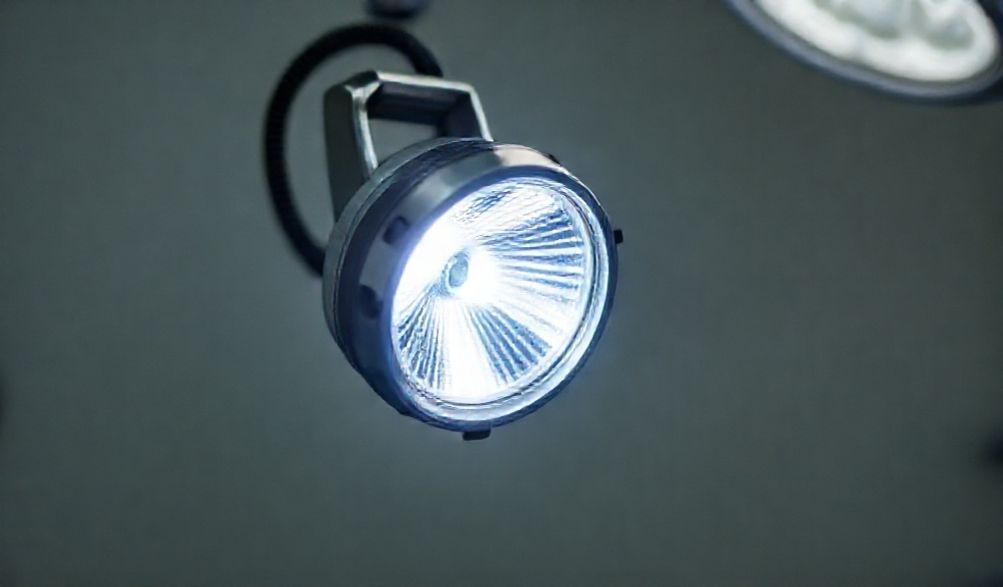
The Ultimate Guide to Cordless Surgical Headlights: Benefits, Features & How to Choose
Introduction
Picture this: you’re deep into a delicate procedure, your focus absolute. You lean in for a better view, and you feel it—the familiar, frustrating tug of a headlight cord snagging on the edge of the table. Or worse, you glance up and see the cord dangling perilously close to the sterile field. For generations of surgeons, dentists, veterinarians, and medical specialists, the traditional corded جراحي عام has been a necessary but cumbersome partner—a source of light shadowed by the constant hassles of bulk, restriction, and potential contamination.
But what if you could cut the cord? Modern مصباح جراحي للرأس لاسلكي technology is not just a minor upgrade; it’s a paradigm shift in hands-free illumination. This guide is designed to be your authoritative, experience-driven resource. We’ll move beyond marketing hype to provide a clear-eyed analysis of how cordless systems are transforming clinical workflows. Our purpose is to empower you—the medical professional—with the knowledge to evaluate the advantages, understand the critical specifications, and navigate the purchasing process with confidence. Whether you’re a neurosurgeon requiring pinpoint accuracy or a dentist seeking greater operatory flexibility, understanding the shift to cordless is key to enhancing both your performance and your comfort.
Why Go Cordless? The Transformative Benefits for Medical Professionals
The transition from corded to cordless illumination is often described as “liberating.” This isn’t hyperbole. The benefits directly address long-standing pain points in procedural environments, impacting ergonomics, safety, and efficiency.
Unmatched Mobility and Ergonomics
The most immediate and palpable benefit is freedom of movement. A cordless medical headlamp eliminates the constant physical reminder of a tether.
* Freedom from Drag and Snagging: Without a cord, there is no weight pulling at the back of your head, no risk of it catching on equipment, and no need for an assistant to manage cord placement. This allows for natural, unencumbered movement—leaning, turning, and repositioning become seamless.
* Reduced Physical Strain: The ergonomic impact is significant. Cord drag contributes to neck and shoulder fatigue over long procedures. By removing this variable, cordless headlights promote better posture and reduce the cumulative physical stress associated with long hours in the OR or clinic, helping you stay focused and comfortable.
Enhanced Sterility and Safety
In a world governed by aseptic technique, every potential vector matters.
* Minimized Contamination Risk: A dangling cord is a notorious fomite. It can brush against non-sterile surfaces, the floor, or your own body, potentially introducing contaminants into the sterile field when adjusted. Removing the cord eliminates this entire risk category, simplifying sterility maintenance.
* Elimination of Tripping Hazards: A cord snaking across the floor is a safety hazard for everyone in the room—the surgeon, the circulating nurse, the anesthesiologist. A cordless system creates a cleaner, safer physical environment, reducing the risk of accidental pulls or falls that could disrupt a procedure or cause injury.
Operational Efficiency and Flexibility
Cordless technology streamlines both setup and daily use.
* Rapid Setup and Portability: There’s no need to locate a power outlet, untangle a cord, or secure it. You don the headlight, turn it on, and you’re ready. This portability makes it ideal for use across multiple settings: the main operating room, outpatient procedure rooms, emergency trauma bays, or even in-office minor surgery suites.
* Simplified Workflow and Maintenance: Without a cord to manage, clean, and potentially repair, the overall system is simpler. This translates to less time spent on setup and breakdown, and easier cleaning protocols for the headband and light module itself.
Critical Features to Evaluate in a Cordless Surgical Headlight
Not all cordless headlights are created equal. When evaluating options, these core features are non-negotiable and will determine your long-term satisfaction.
Light Source and Beam Quality
This is the heart of the system. The quality of illumination directly affects visual acuity and procedural accuracy.
* LED Technology: Modern headlights use high-performance LEDs. Look for models that emphasize consistent, flicker-free output and long LED lifespan (often 50,000 hours or more).
* درجة حرارة اللون: A daylight-balanced color temperature (around 5500K) is crucial. It provides neutral, white light that renders tissue colors accurately, allowing for better differentiation between structures, detection of inflammation, and assessment of perfusion.
* Luminosity and Adjustability: Output is measured in lumens. While “more lumens” isn’t always better, having a sufficient range (often 10,000 to 100,000+ lux at a set distance) is key for deep cavities or microsurgery. Equally important is the ability to dim the light for less intense work. A variable spot size (from a focused spot to a wide flood) adds tremendous versatility for different fields of view.
Battery Performance and Management
The battery system is the engine of your cordless freedom. Its performance cannot be an afterthought.
* Battery Type and Run-Time: Lithium-ion (Li-ion) batteries are standard for their high energy density and lack of memory effect. Critical specifications are run-time on a single charge (varying from 2 to 8+ hours at high power) and وقت الشحن. Always consider your longest typical procedure.
* Hot-Swappable Batteries: For uninterrupted workflow during marathon procedures, a system with hot-swappable batteries is essential. This allows you to replace a depleted battery with a fresh one in seconds without powering down the light, ensuring no loss of illumination.
* Battery Indicators: Clear, easy-to-read battery level indicators (like a multi-level LED display) are vital for preventing mid-procedure power loss.
Comfort and Adjustability Design
If it’s not comfortable, you won’t wear it, no matter how bright it is.
* Headband and Weight Distribution: Look for padded, breathable headbands that are fully adjustable. The key is balance. A well-designed cordless headlight distributes the weight of the battery (often mounted on the back of the headband) to counterbalance the front light module, creating a stable, neutral feel.
* Ease of Adjustment: The light module should tilt and swivel smoothly and stay securely in position once set. A “one-handed” or tool-free adjustment mechanism is a major ergonomic plus during a procedure.
Durability and Compliance
This is medical equipment, built for a demanding environment.
* Fluid Resistance and Cleanability: Check the IP (Ingress Protection) rating. A rating like IP54 or higher indicates protection against dust and water splashes, crucial for withstanding cleaning and accidental fluid exposure. The housing should be seamless and easy to wipe down with hospital-grade disinfectants.
* Medical Device Certifications: Ensure the system carries relevant regulatory approvals (like FDA clearance in the U.S., CE marking in Europe) as a medical device, not just a consumer headlamp. This attests to its safety and performance standards.
How to Choose the Right Cordless Headlight for Your Practice
With the features in mind, the next step is aligning them with your specific clinical reality.
Assessing Your Procedural Needs
Start with a self-audit of your practice:
* Specialty & Depth of Field: A dentist working in the oral cavity has different needs than a spinal surgeon or a veterinarian performing abdominal surgery. Consider the required working distance, depth of the cavity, and the level of minute detail you need to see.
* Procedure Length: Do you perform 30-minute procedures or 8-hour surgeries? Your battery runtime needs are directly tied to this. If you do long procedures, hot-swappable batteries become a top-tier requirement.
* Light Intensity & Precision: Do you need a powerful, focused beam for microsuturing, or a broader, softer light for wound debridement? Your preference for spot size and intensity adjustability will guide your choice.
Comparing Top Brands and Models
The market features several established manufacturers, each with strengths. A neutral comparison might note:
* Brand A (e.g., Enova): Often praised for extremely high-intensity, focused beams and robust battery systems, favored in specialties like neurosurgery and ophthalmology.
* Brand B (e.g., Sunoptic): Known for excellent value, reliability, and a wide range of models from entry-level to professional, with strong offerings in dentistry and general surgery.
* Brand C (e.g., Orascoptic): Frequently highlighted in dental and ENT fields for ergonomic design, lightweight comfort, and integrated magnification solutions (loupes).
The “best” choice is the one whose feature set—light quality, battery life, comfort, and price—most closely matches your specific needs assessment.
Budgeting and Total Cost of Ownership
View this as a capital investment in your daily practice.
* Upfront Cost vs. Long-Term Value: Cordless systems often have a higher initial price than basic corded models. However, the value is realized through improved efficiency, potential sterility benefits, and user comfort over years of use.
* Warranty and Support: A longer warranty (2-5 years on the headlight) signals manufacturer confidence. Understand what is covered. Also, factor in the cost and lifespan of replacement batteries.
* ROI Considerations: While hard to quantify, consider the return on investment in terms of time saved on setup, reduced physical fatigue (potentially extending your career longevity), and the intangible benefit of an unimpeded, focused workflow.
Addressing Common Concerns About Cordless Technology
It’s natural to have reservations about moving away from the familiar, always-powered cord.
“Is the Light Output as Powerful as Corded Models?”
This was a valid concern a decade ago. Today, thanks to advances in high-efficiency LED technology and high-capacity Li-ion batteries, the best cordless headlights match and often exceed the luminosity and beam quality of their corded predecessors. The constraint is no longer the power source, but the thermal management and optical design of the light engine itself.
“What Happens if the Battery Dies Mid-Procedure?”
This is managed through protocol and technology. First, battery life indicators give you ample warning. Second, establishing a routine of starting every procedure with a fully charged (or fresh) battery is essential. Third, for critical long procedures, the hot-swappable battery feature is the definitive solution, rendering this concern obsolete. Many systems also offer fast-charge capabilities for spares.
“Are Cordless Headlights Reliable and Durable?”
Reputable medical-grade cordless headlights are engineered for the rigors of clinical use. They feature robust housings, sealed electronics, and durable components. Proper care—following cleaning instructions, avoiding extreme impacts, and storing batteries correctly—is key to longevity. The warranty period offered by the manufacturer is your best indicator of expected durability and reliability.
قسم الأسئلة الشائعة
Q1: How long does the battery typically last on a cordless surgical headlight?
A: Runtime varies significantly by model and power setting. Most modern Li-ion batteries offer between 2 to 8+ hours of continuous use on a single charge at high intensity. Always verify the manufacturer’s specifications for the exact model, noting the lumen/lux output at which the stated runtime is achieved.
Q2: Can cordless surgical headlights be sterilized?
A: The headlight assembly (headband and light housing) is designed for rigorous cleaning and disinfection with standard hospital-grade wipes or solutions. The detachable battery pack should be cleaned according to the manufacturer’s guide—typically wiping, not immersion. The light source module (the part containing the LED and optics) is often the only component designed to be sterilized, sometimes via autoclave or low-temperature methods. Always follow the specific device’s IFU (Instructions for Use).
Q3: Are cordless headlights significantly heavier than corded ones?
A: With modern lightweight materials and ergonomic design, the weight difference is minimal and often imperceptible. Engineers strategically place the battery on the rear of the headband to counterbalance the front light module. Crucially, the elimination of cord drag results in a net improvement in perceived comfort and reduced neck strain for most users.
Q4: What is the typical warranty for a high-quality cordless surgical headlight?
A: Reputable manufacturers typically offer a warranty of 2 to 5 years on the headlight body and electronics, reflecting confidence in its durability. Batteries, as consumable components, usually have a separate warranty, commonly 1 year or a specific cycle count (e.g., 500 charge cycles).
الخاتمة
التطور من كشافات الجراحة السلكية إلى اللاسلكية represents more than just a technical specification change; it signifies a step forward in optimizing the clinical environment. The core benefits—unmatched mobility for the surgeon, enhanced sterility for the patient, and streamlined efficiency بالنسبة للفريق بأكمله — تُعد أسبابًا مقنعة للتحول.
اختيار النظام المناسب هو قرار مصيري يؤثر على سير العمل اليومي، والنتائج الإجرائية، والراحة الشخصية. نشجعك على استخدام هذا الدليل كأساس لتقييمك. القرار الأكثر استنارة يأتي من الجمع بين هذه المعرفة والخبرة العملية. كلما أمكن، استشر ممثلي الأجهزة، واطلب عروضًا توضيحية، وحتى جرّب نموذجًا في بيئة محاكاة أو غير حرجة.
في النهاية، فإن مصباح الجراحة اللاسلكي هو أداة حديثة تزيل الحواجز المادية، مما يسمح لك بالتركيز فقط على ما يهم أكثر: تقديم رعاية استثنائية للمريض بأداء سريري ذروة. استخدم الميزات التي نوقشت هنا لإنشاء قائمة المراجعة الخاصة بك، واتخذ الخطوة التالية نحو ممارسة أكثر تحررًا وكفاءة.
ص>