
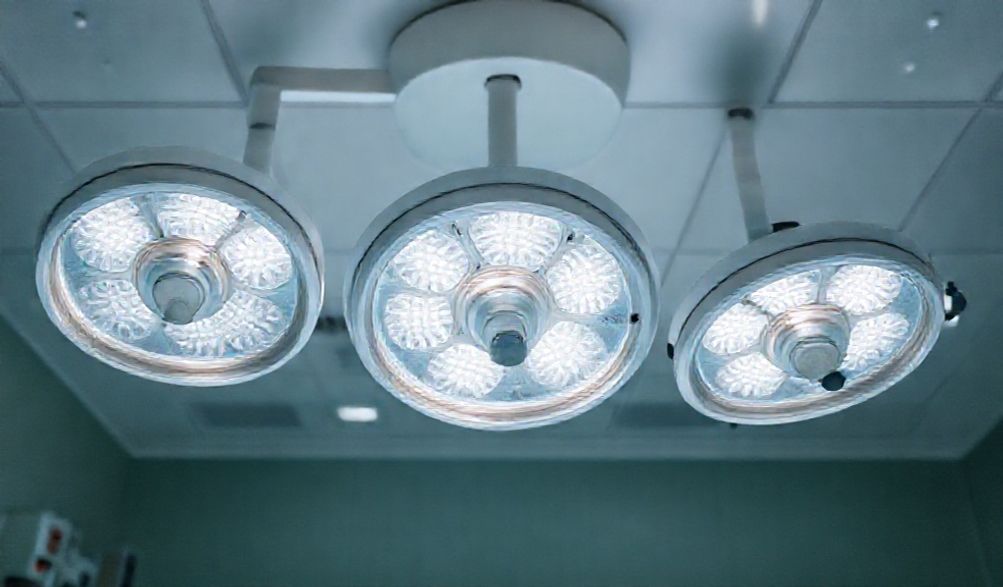
Surgical Operating Room Lights: A Guide to Technology, Selection & Safety Standards
In the high-stakes environment of an operating room, where millimeters can define the line between success and complication, a surgeon’s most fundamental tool is not held in their hand—it’s the light above them. Surgical illumination is the silent, critical partner in every procedure, directly impacting a surgeon’s visual acuity, precision, and stamina. The quality of light can influence the speed of a surgery, the accuracy of tissue differentiation, and ultimately, patient outcomes. This guide is designed to be a comprehensive, authoritative resource for healthcare professionals, clinical engineers, facility managers, and procurement teams tasked with understanding, specifying, or purchasing surgical lighting systems. We will delve into the core technologies that define modern lights, provide a structured framework for selection, demystify critical safety standards, and explore the horizon of intelligent illumination. Whether you are researching for a major capital purchase, upgrading an existing OR, or seeking to deepen your clinical engineering knowledge, this article provides the detailed, actionable information you need.
The Critical Role of Illumination in Modern Surgery
Beyond Basic Visibility: Impact on Surgical Outcomes
Surgical lighting does far more than simply “light up the field.” Its primary role is to create an optimal visual environment that supports peak surgical performance. High-quality illumination significantly reduces surgeon eye strain and mental fatigue, which are critical factors during lengthy, complex procedures. By providing consistent, shadow-reduced, and true-color light, it allows for precise discrimination between similar tissues—distinguishing a nerve from a tendon, identifying subtle variations in tissue perfusion, or recognizing the precise borders of a tumor. This enhanced visual clarity directly contributes to reduced intraoperative error rates, minimized tissue trauma, and can promote better healing. In essence, superior surgical lighting is a direct investment in patient safety and procedural efficacy.
Core Requirements: What Makes a “Surgical” Light
Not all bright lights are suitable for surgery. True surgical luminaires are engineered to meet specific, demanding criteria:
* Shadow Reduction: Through multi-point source designs or reflector technology, surgical lights minimize the shadows cast by the surgeon’s head and hands, maintaining a consistently illuminated cavity.
* Excellent Color Rendering: The light must render colors as they appear under natural daylight. This is vital for accurately assessing tissue health, blood oxygenation (cyanosis vs. healthy pink), and identifying anatomical structures.
* Deep Cavity Illumination (Depth of Field): The light must provide uniform intensity not just on the surface, but deep within a surgical wound, without causing excessive glare or “hot spots” at the surface.
* Adjustable Intensity & Focus: The system must allow for seamless, often sterile, adjustment of light intensity and spot size to suit different procedural phases and surgical depths.
Core Technologies in Surgical Lighting Systems
LED vs. Halogen: A Performance Comparison
The shift from traditional halogen to Light Emitting Diode (LED) technology represents the most significant evolution in surgical lighting in decades. While halogen lights were the long-standing standard, LED is now the unequivocal choice for new installations and upgrades.
* Lifespan & Total Cost of Ownership: Halogen bulbs typically last 1,000-2,000 hours. LED modules boast lifespans of 50,000 hours or more, drastically reducing replacement frequency, inventory costs, and labor for changes.
* Heat Emission: Halogen lights emit substantial infrared radiation, which can lead to tissue desiccation (drying) in the surgical field. LEDs produce minimal heat at the light head, enhancing patient safety and surgeon comfort.
* كفاءة الطاقة: LED systems consume 50-80% less energy than comparable halogen systems, leading to substantial operational cost savings and a reduced environmental footprint.
* Light Quality & Control: LEDs offer superior, more stable color temperature and can be engineered to achieve exceptional Color Rendering Index (CRI) scores. They also allow for instant, flicker-free dimming.
Understanding Key Technical Specifications
When evaluating lights, understanding these technical terms is crucial:
* Illuminance (Lux): Measures the amount of light falling on the surgical field. Common standards require a minimum of 40,000 to 160,000 lux at the center of the field, depending on the specialty. It’s important that this intensity is maintained uniformly across a defined area.
* مؤشر تجسيد الألوان (CRI): A scale from 0-100 that measures a light source’s ability to reveal the true colors of objects compared to natural light. For surgery, a CRI >90 is essential, with >95 being ideal for specialties like plastic surgery or oncology.
* Color Temperature (Kelvin – K): Describes the hue of the “white” light. Surgical lights typically operate in the 4000K to 5000K range, producing a neutral, cool white that reduces eye strain and enhances contrast without distorting color perception.
* Depth of Field: This refers to the distance along the optical axis (into the wound) where the light intensity remains within a usable range (e.g., ≥ 60% of the central intensity). A greater depth of field means the surgeon has clear visualization even as instruments move deeper into the cavity.
Key Features & Configurations for the Operating Room
Overhead Surgical Lights: Central vs. Multi-Point Systems
The choice of overhead light configuration is dictated by surgical need and OR design.
* Single-Dome/Central Systems: Feature one large light head. Modern versions use complex reflector technology to create a homogeneous, shadow-reduced field from a single source. They are often more cost-effective and suitable for general surgery suites.
* Multi-Dome/Multi-Point Systems: Consist of two or more smaller light heads mounted on a single arm. This design provides superior shadow control, as the overlapping light paths from multiple points fill in shadows. They are often preferred for deep-cavity surgeries like cardiac, neurosurgery, and orthopedic procedures, where instrument and hand shadows are a major concern.
Specialized Lighting Solutions
Beyond overhead lights, specialized systems address unique needs:
* Surgeon Headlights & Loupe Lights: Provide direct, coaxial illumination exactly where the surgeon is looking, essential for procedures in confined spaces or for surgeons using magnification loupes.
* Endoscopic & Cavity Lights: Integrated into or used alongside minimally invasive surgery (MIS) tools to illuminate body cavities internally, independent of external overhead lights.
Ergonomic & Sterility Considerations
A light must be a tool, not a hindrance. Key design features include:
* القدرة على المناورة: Light heads should be effortlessly positionable with smooth movement, precise braking, and sufficient reach. Sterile, touch-sensitive handles allow the surgical team to adjust the light without breaking the sterile field.
* Cleanability: Every surface must be seamless, non-porous, and resistant to harsh hospital-grade disinfectants. The design should prevent the accumulation of dust and debris in joints or crevices to meet stringent infection control protocols.
How to Select the Right Operating Room Light: A Buyer’s Framework
Assessing Surgical Specialty Needs
Different procedures have different visual demands. Use this as a starting point for evaluation:
| Surgical Specialty | Prioritized Lighting Features |
| ———————- | ————————————————————————————————- |
| Neurosurgery | Exceptional depth of field, high intensity, superior shadow reduction for deep, narrow cavities. |
| Cardiac Surgery | High intensity, excellent shadow control, often prefers multi-dome systems for deep thoracic work. |
| Orthopedic Surgery | High intensity, broad field coverage for large incisions, excellent color rendering for bone/tissue differentiation. |
| Ophthalmology | Very high, focused intensity, adjustable spot size, often integrated with microscopes. |
| Trauma/Emergency | Robust construction, rapid positioning, very high intensity to overcome ambient ER light. |
| Plastic Surgery | Extremely high CRI (>95), neutral color temperature for accurate assessment of skin tones and flaps. |
Evaluating Total Cost of Ownership (TCO)
The purchase price is just the beginning. A true TCO analysis must include:
* استهلاك الطاقة: Calculate annual kWh usage based on expected operational hours.
* Replacement Parts: Factor in the cost and expected lifecycle of LED modules vs. halogen bulbs.
* Preventive Maintenance & Service: Consider recommended service intervals and potential costs for parts and labor.
* وقت التوقف: A reliable system with a strong warranty and local service support minimizes costly OR downtime.
Integration with OR Infrastructure and Technology
Modern ORs are integrated ecosystems. Consider:
* Surgical Booms & Ceiling Mounts: Ensure the light’s weight, dimensions, and electrical requirements are compatible with your OR’s physical infrastructure.
* Hybrid OR/Imaging Suites: Lights must be designed to work around and not interfere with large imaging equipment like C-arms, CT, or MRI. Some lights offer “low magnetic signature” designs.
* أنظمة التحكم: Evaluate user interfaces—from touchscreen control panels outside the sterile field to sterile remote controls—for intuitive operation.
Safety, Standards, and Regulatory Compliance
Mandatory Certifications: IEC 60601-1 and Beyond
Compliance is non-negotiable. The foundational standard is IEC 60601-1 (and its regional equivalents like UL 60601-1 in North America), which specifies general safety and essential performance requirements for medical electrical equipment. Surgical lights must also comply with the particular standard IEC 60601-2-41, which addresses specific safety requirements for surgical luminaires. Always verify that any system under consideration carries the appropriate marks for your region:
* تصريح/تسجيل إدارة الغذاء والدواء الأمريكية (United States)
* علامة CE (European Union, indicating compliance with the Medical Device Regulation – MDR)
* Other regional certifications as required (e.g., TGA, Health Canada).
Infection Control and Cleaning Protocols
The design must actively support infection prevention. Manufacturers must provide validated protocols for cleaning and disinfection using common hospital agents. Look for lights with smooth, sealed housings, minimal seams, and materials that can withstand repeated cleaning without degrading.
The Future of Surgical Illumination
Smart Lighting and Integration with Imaging
The next generation of lights are becoming intelligent nodes in the digital OR. Trends include:
* Integrated 4K Cameras: Lights with built-in, high-definition cameras for recording or broadcasting procedures without obstructing the field.
* Image Guidance Overlay: The ability to project pre-operative scan data (like tumor margins from an MRI) directly onto the surgical field in perfect alignment, using the light itself as a projection platform.
* Automated Settings: Presets that automatically adjust light intensity and color temperature based on the selected surgical procedure phase.
Adaptive and Tissue-Sensing Lighting
Emerging research is focused on lights that interact with the surgical field:
* Spectrum-Adjustable LEDs: Lights that can modify their output spectrum to enhance the visual contrast of specific tissues (e.g., making nerves fluoresce slightly) or to reduce glare off specific organ surfaces.
* Closed-Loop Intensity Control: Sensors that monitor light reflected from the wound and automatically adjust output to maintain a consistent, optimal illuminance level as the surgeon moves.
قسم الأسئلة الشائعة
Q1: What is the typical lifespan of an LED surgical light compared to halogen?
ج: Halogen bulbs typically last 1,000-2,000 hours. Modern LED modules are rated for 50,000 to 100,000 hours of operation. This means that while the upfront cost for LED may be higher, the long-term savings on replacement parts and labor are substantial, often making LED the lower Total Cost of Ownership option.
س: ما مدى أهمية مؤشر تجسيد اللون (CRI) للجراحة؟
ج: إنه أمر بالغ الأهمية. يُعتبر مؤشر تجسيد اللون (CRI) أكبر من 90 الحد الأدنى للتطبيقات الجراحية، حيث يسمح بالتمييز الدقيق لأنواع الأنسجة، وتقييم أكسجة الدم (الأمر الحاسم للكشف عن الزرقة)، وتحديد التفاصيل التشريحية الدقيقة. بالنسبة للتخصصات مثل جراحة التجميل والترميم، يُوصى بمؤشر تجسيد لون 95 أو أعلى.
هل يمكن ترقية أنظمة الإضاءة الهالوجينية الحالية إلى LED؟
ج: تقدم بعض الشركات المصنعة مجموعات تجديد لاستبدال المصابيح الهالوجينية بوحدات LED في رؤوس الإضاءة الحالية. بينما يمكن أن يكون هذا خيارًا منخفض التكلفة، من الضروري التشاور مع الشركة المصنعة الأصلية. غالبًا ما يُوصى باستبدال النظام بالكامل لضمان الأداء البصري الأمثل، والامتثال الكامل لمعايير السلامة الحالية، وصحة ضمان المعدات.
س4: ما هي العوامل الأكثر أهمية لصيانة مصباح الجراحة؟
ج: تشمل أنشطة الصيانة الرئيسية: 1) التنظيف والتطهير المنتظم وفقًا الصارم لتعليمات الشركة المصنعة لمنع خطر العدوى وتلف المواد. 2) الفحص البصري للأختام والمقابض وسطح رأس الإضاءة للتأكد من سلامتها. 3) فحوصات الأداء الدورية لمستويات الاستضاءة (لوكس) ومعايرة درجة حرارة اللون. 4) الصيانة المهنية المجدولة كما هو موضح في دليل الصيانة لضمان أن جميع المكونات الميكانيكية والكهربائية في حالة عمل آمنة.
س5: كيف أتأكد من أن الأضواء التي نختارها مطابقة للمعايير في منطقتنا؟
ج: اطلب دائمًا بشكل رسمي و تحقق من وثائق الشهادة من الشركة المصنعة. يجب أن تكون خاصة برقم الموديل الدقيق الذي تشتريه ويجب أن تُظهر بوضوح العلامات ذات الصلة (مثل تقارير IEC 60601-1 & -2-41، ورقم FDA 510(k)، وشهادة CE تحت MDR). لا تعتمد على الادعاءات التسويقية وحدها.
الخاتمة
يعد اختيار أضواء غرفة العمليات الجراحية قرارًا استثماريًا حاسمًا يتجاوز بكثير مجرد شراء المعدات. إنه استثمار في البنية التحتية الأساسية التي تدعم بشكل مباشر أداء الفريق الجراحي، وسلامة المريض، والنتائج السريرية الإيجابية. كما اكتشفنا، يتطلب هذا تحقيق توازن دقيق بين فهم التكنولوجيا الأساسية (مثل هيمنة LED)، وتطبيق إطار اختيار منظم مصمم خصيصًا للاحتياجات الجراحية، والتحقق بدقة من شهادات السلامة والأداء الإلزامية. رجح البائعين الذين يقدمون بيانات أداء قابلة للتحقق، ووثائق امتثال شاملة، ويظهرون خبرة سريرية عميقة. قبل اتخاذ القرار النهائي، ننصحك بشدة بأن: تستشير فرق الهندسة السريرية والجراحة لديك،, تطلب عروضًا حية أو تركيبًا تجريبيًا في بيئة محاكاة، و تجري مراجعة شاملة للمواصفات الفنية التفصيلية من الشركات المصنعة ذات السمعة الطيبة. المصباح المناسب هو شريك في كل جراحة ناجحة؛ اختره بالاجتهاد الذي يستحقه.
ص>