
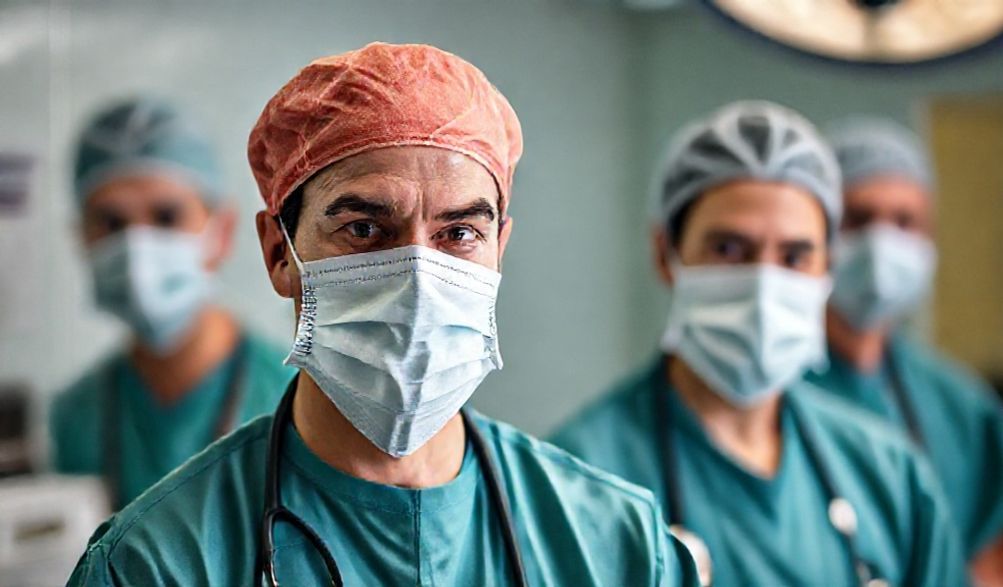
What Do Doctors Wear on Their Head? A Guide to Medical Headgear
هل سبق لك أن جلست في غرفة الانتظار أو شاهدت دراما طبية ووجدت نفسك تتساءل عن العناصر المميزة على رؤوس الأطباء؟ هذا البسيطwhat do doctors wear on their head—is a gateway to understanding the invisible principles that govern modern healthcare. It’s not about fashion or tradition; it’s a visible manifestation of science, safety, and specialization. From the simple blue cap to complex helmet systems, every piece of headgear is a functional tool with a critical purpose.
This guide will demystify the array of medical headgear you might encounter. We’ll explore the fundamental reasons behind their use, catalog the common types you’ll see, delve into specialized equipment, and even look at how headgear varies across different medical fields. By the end, you’ll see these items not as mere accessories, but as essential components in the mission to heal and protect.
The Primary Purpose: Hygiene and Infection Control
Before we identify specific hats and helmets, it’s crucial to understand the why. The overarching, non-negotiable reason for medical headgear is مكافحة العدوى. In healthcare, preventing the transmission of pathogens is a matter of life and death, and head coverings are a first line of defense in creating a sterile environment.
Containing Hair and Skin Particles
The human body is constantly shedding. Every day, we lose hundreds of skin cells and strands of hair. While invisible to the naked eye, these particles can harbor bacteria and other microorganisms. In a sensitive environment like an operating room or during a sterile wound dressing, introducing these particles could contaminate the “sterile field”—the meticulously prepared area around a surgical site or procedure. A head covering acts as a physical barrier, containing this natural shedding and dramatically reducing the risk of surgical site infections (SSIs), which are a major concern for patient safety.
Protecting the Patient and the Practitioner
This protection is a two-way street. Primarily, the gear protects the patient from contaminants originating from the healthcare team. However, it also protects the practitioner. During procedures, there is always a risk of exposure to splashes of blood, bodily fluids, or other potentially infectious materials. A cap prevents these fluids from contaminating the healthcare worker’s hair and scalp. In more extreme cases, like during the height of the COVID-19 pandemic, specialized hoods and helmets became critical in protecting staff from airborne pathogens. Thus, headgear is a key part of the universal precautions taken to ensure safety for all.
Common Types of Medical Headgear and Their Uses
Now that we understand the core principle, let’s look at the most common items you’ll see in hospitals and clinics. Each is designed with specific scenarios and requirements in mind.
The Bouffant Cap (Disposable Surgical Cap)
- الوصف: This is likely the image that comes to mind. It’s a loose-fitting, puffier cap made of lightweight, non-woven fabric (like a stiffer tissue paper). They are ubiquitous in shades of blue, green, and sometimes pink.
- Primary Use: The gold standard in operating rooms, catheterization labs, delivery rooms, and any environment requiring a high level of asepsis. Their design prioritizes full coverage.
- Key Features: The bouffant is designed to completely envelop all hair, including at the back and sides. It typically has an elastic band or tie strings to secure it comfortably under the chin. Its disposable nature ensures a fresh, sterile cap for every procedure.
The Surgeon’s Skull Cap (or “Beanies”)
- الوصف: A tighter-fitting, knit cap that conforms closely to the shape of the head, resembling a beanie or skullcap.
- Primary Use: Favored by many surgeons and proceduralists for long operations. Because it fits snugly, it’s less likely to shift, fall off, or obstruct peripheral vision. Its use can be a matter of personal preference and institutional policy.
- Key Features: Often made of a more durable, breathable material, skull caps can be disposable or reusable (made of cloth that is laundered under strict sterile conditions). It’s important to note that some infection control studies have debated their efficacy compared to bouffants, as tighter caps may not cover all hair at the nape of the neck as effectively. Many hospitals now require a bouffant to be worn over a skull cap for this reason.
The Surgical Hood
- الوصف: Think of this as a bouffant cap with an extended cape. It covers the head and has a generous drape that covers the neck, the top of the shoulders, and often has side flaps to cover sideburns and beard areas.
- Primary Use: Reserved for the most sterile of procedures. You’ll commonly see these in orthopedic surgeries (like total joint replacements) and organ transplants, where even the slightest contamination could be catastrophic. They are also mandatory for any staff member with facial hair (beards, sideburns) that extends beyond the coverage of a standard cap.
- Key Features: The surgical hood provides the most comprehensive barrier of any standard head covering, minimizing skin shedding from a larger area of the body.
Specialized Functional Headgear
Beyond basic coverage, some headgear provides active enhancement to a doctor’s capabilities or offers a higher tier of protection.
Surgical Loupes and Headlights
- الوصف: These are the magnifying lenses or focused LED lights you see perched on a surgeon’s or dentist’s forehead. Loupes are binocular telescopes mounted on a glasses frame or headband. Headlights are often integrated into the same system or worn separately.
- Primary Use: Precision. In fields like microsurgery, vascular surgery, neurosurgery, dentistry, and ophthalmology, seeing minute details is everything. Loupes provide essential magnification, allowing the surgeon to distinguish tiny nerves, blood vessels, and tissue planes. Headlights provide shadow-free, focused illumination deep into a surgical site.
- Key Features: They are ergonomic tools that reduce severe neck and back strain (by allowing the surgeon to sit or stand more upright) and prevent eye fatigue. They are a direct investment in surgical accuracy and patient outcomes.
Protective Face Shields and Helmets
- الوصف: This category ranges from simple clear plastic visors attached to a headband to sophisticated integrated systems like PAPRs (Powered Air-Purifying Respirators). A PAPR consists of a helmet or hood with a clear visor, connected to a battery-powered unit that blows filtered air across the wearer’s face.
- Primary Use: Barrier protection against high-risk exposures. They are essential for procedures that generate aerosols (tiny airborne particles) or splashes. Dentists and dental hygienists use them during cleanings and drilling. ENT surgeons use them during procedures on the sinuses or throat. They became a common sight during the COVID-19 pandemic for staff treating infectious patients.
- Key Features: These systems offer full facial protection, shielding the eyes, nose, and mouth from direct impact and fluid splashes. PAPRs add the crucial element of respiratory protection by providing a constant stream of clean air, which is more comfortable and secure than tight-fitting N95 masks for long procedures.
Beyond the Hospital: Headgear in Different Medical Fields
The principles of hygiene and protection extend throughout the medical and scientific world, with slight variations based on the work.
- الأطباء البيطريون: In the operating room, vets use the same disposable bouffant caps and surgical loupes as their human-medicine counterparts. In large animal practice, you might also see them wearing sturdy riding helmets or hard hats for protection when handling horses or cattle.
- Dentists & Dental Hygienists: نظرًا لأن كل إجراء تقريبًا يولد الهباء الجوي (رذاذ الماء واللعاب والحطام)، فإن دروع الوجه أو النظارات الجراحية المزودة بدروع هي معدات قياسية. فهي جزء حاسم من مكافحة العدوى في عيادة الأسنان.
- علماء المختبرات: في المختبرات البحثية أو الصيدلانية أو السريرية، غالبًا ما يرتدي العلماء قبعات بوفان أو شبكات شعر بسيطة. الهدف هنا مزدوج: منع شعرهم من تلويث التجارب الحساسة أو مزارع الخلايا المعقمة، وحماية أنفسهم من الرشاشات المحتملة للعوامل الكيميائية أو البيولوجية.
الأسئلة المتكررة (FAQ)
س: لماذا يرتدي الجراحون أحيانًا تلك النظارات المكبرة ذات المظهر المضحك؟
ج: وصف النظارات الجراحية بأنها “مضحكة المظهر” يقلل من شأن دورها الحاسم. فهي أدوات بصرية متطورة توفر تكبيرًا حيويًا، غالبًا بين 2.5x إلى 5.5x. هذا يسمح للجراحين بأداء مهام دقيقة—مثل خياطة الأوعية الدموية الدقيقة أو إصلاح الأعصاب—بدقة خارقة، مما يؤدي مباشرة إلى شفاء أفضل ونتائج أفضل للمرضى.
س: هل هناك فرق بين قبعة الممرضة وقبعة الجراح؟
ج: نعم، تاريخيًا. كانت قبعة الممرضة البيضاء الأيقونية الشبيهة بالأوريغامي رمزًا للمهنة ولكنها تم إيقاف استخدامها منذ عقود بسبب مخاوف تتعلق بالنظافة—كان من الصعب تنظيفها ويمكن أن تأوي مسببات الأمراض. في البيئات المعقمة الحديثة،, جميع أفراد الفريق—الجراحون والممرضون وأطباء التخدير والفنيون—يرتدون نفس أغطية الرأس الموحدة (قبعات بوفان، أو قبعات جمجمة، أو أغطية) بناءً على متطلبات الإجراء، وليس المهنة.
س: هل يمكن للأطباء اختيار أي قبعة يريدون ارتداءها؟
ج: ليس تمامًا. بينما هناك بعض المجال للتفضيل الشخصي فيما يتعلق بالملاءمة والراحة (مثل اختيار قبعة جمجمة قماشية بدلاً من البوفان إذا سمحت السياسة)، فإن الاختيار يُحَدَّد في النهاية من خلال بروتوكولات مكافحة العدوى الصارمة في المستشفى و المتطلبات المحددة للإجراء. الجراح الذي يجري عملية استبدال الركبة ليس لديه خيار التخلي عن الغطاء. السلامة والممارسة القائمة على الأدلة تتغلب دائمًا على الأسلوب الشخصي.
س: لماذا معظم القبعات والملابس الجراحية زرقاء أو خضراء؟
ج: هذا مثال رائع على التصميم الهندسي البشري. هذه الألوان تقابل الأحمر على عجلة الألوان. خلال العمليات الجراحية الطويلة، تكون عيون الجراح مركزة على الأنسجة الداخلية الحمراء والوردية. النظر بعيدًا إلى حائط أبيض أو ستارة يمكن أن يخلق “صورًا تلوية” خضراء مشتتة أو ظلالًا على شبكية العين. من خلال توفير خلفية زرقاء أو خضراء في الرؤية المحيطية (من ملابس وزملاء الفريق)، يتم تقليل هذا الإجهاد البصري والتشتيت إلى الحد الأدنى، مما يساعدهم على الحفاظ على التركيز والدقة البصرية.
الخاتمة
في المرة القادمة التي تسأل فيها نفسك،, “ماذا يرتدي الأطباء على رؤوسهم؟” ستعلم أنك تستفسر عن أكثر بكثير من القماش والموضة. أنت تسأل عن ركائز الطب الحديث: التعقيم، والسلامة، والدقة. من قبعة البوفان المتواضعة التي تحمي من التهديدات غير المرئية إلى النظارات المكبرة عالية التقنية التي تجعل المجهري مرئيًا، كل قطعة من غطاء الرأس هي شهادة على التزام لا يتزعزع برعاية المرضى. إنه تذكير يومي مرئي بأن في الطب، كل التفاصيل مهمة—وصولاً إلى ما على رؤوسهم.
ص>