
What is a Headlamp on a Car? Your Complete Guide to Function, Types, and Safety
Picture this: you’re driving down a winding country road on a moonless night. The world beyond your windshield is a wall of black. Then, with a flick of a stalk, the road ahead is bathed in a clear, white light, revealing every curve, sign, and potential hazard. That simple, transformative action is powered by one of your car’s most critical safety systems—the headlamp.
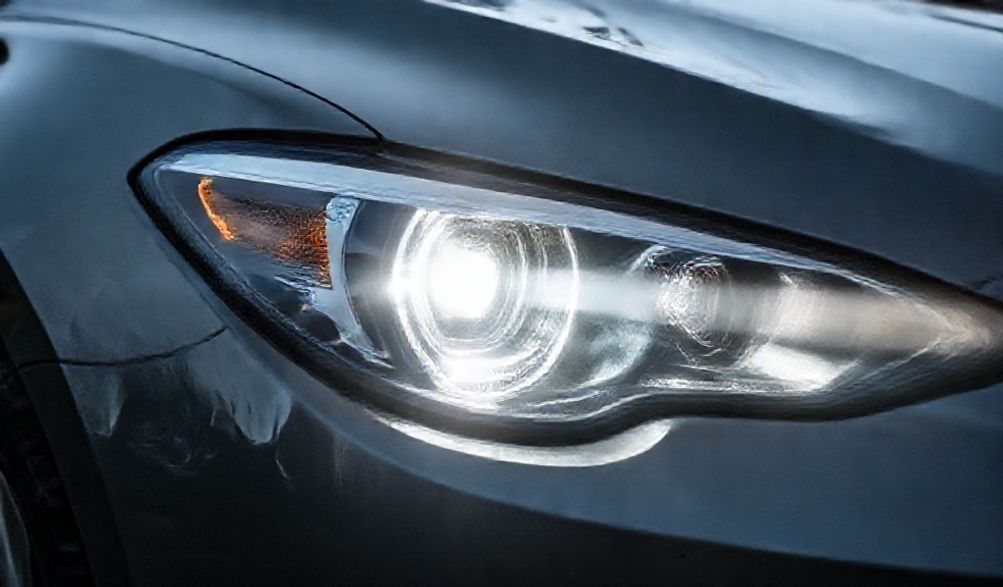
But what exactly is a headlamp on a car? At its core, a car headlamp is the primary forward-facing lighting device designed to perform two essential jobs: illuminate the road ahead for the driver and make the vehicle conspicuously visible to pedestrians, cyclists, and other motorists. Far more than just an accessory, headlamps are vital safety features mandated by law in every corner of the globe. Their evolution from simple oil lamps and rudimentary sealed beams to today’s sophisticated, computer-controlled lighting systems mirrors the advancement of automotive technology itself.
This guide is designed to be your comprehensive, expert-backed resource. We’ll move beyond basic definitions to explore the engineering, the different technologies available, and the crucial safety and legal considerations every driver must know. By the end, you’ll understand not just what a headlamp is, but how to ensure yours are performing at their peak to protect you and everyone else on the road.
The Primary Function: More Than Just “Headlights”
While we often use the term “headlights” casually, the system’s function is precise and dual-purposed. First and foremost, it provides the driver with adequate forward illumination to safely operate the vehicle at night or in poor weather conditions, identifying obstacles, road markings, and changes in terrain at a sufficient distance to react. Secondly, it acts as a key identifier of the vehicle’s presence, width, and direction of travel to other road users. This combination of seeing and being seen is the bedrock of nighttime safety.
Key Components of a Headlamp Assembly
A modern headlamp is a complex assembly, not just a bulb in a socket. Understanding its parts helps in maintenance and troubleshooting:
- Housing: This is the durable, often plastic or polycarbonate, outer shell that contains and protects all the internal components from weather, debris, and impact.
- Reflector/Lens: This is the optical heart of the system. The عاكس (a mirrored surface behind the light source) or the lens (the patterned glass or plastic cover at the front) shapes and directs the light beam. There are two main designs:
- Reflector Headlamps: Use a multifaceted reflector bowl to focus the light. The bulb sits in the center, and the reflector does most of the beam-shaping work.
- Projector Headlamps: Use a ellipsoidal reflector to focus light onto a small, sharp cutoff shield, which is then projected forward through a clear lens. This design allows for a more precise, focused beam with a distinct cutoff line to minimize glare.
- Light Source: This is the element that generates the light—be it a halogen bulb, an HID capsule, an LED array, or a laser module. We’ll dive into each type in the next section.
- Beam Adjustment: To account for vehicle load (e.g., passengers in the back, cargo) and prevent blinding oncoming traffic, headlamps have an adjustment mechanism. This can be a manual dial inside the car or an automatic self-leveling system that uses sensors to keep the beam angle constant.
Types of Car Headlamps: Technology Explained
Headlamp technology has evolved dramatically, offering a range of options from the economical to the cutting-edge. Here’s a breakdown of the four main types you’ll encounter on the road today.
Halogen Headlamps
The long-standing standard for decades, halogen technology is a refined version of the classic incandescent bulb.
* آلية عملها: An electric current heats a tungsten filament inside a quartz glass capsule filled with halogen gas. The gas redeposits evaporated tungsten back onto the filament, allowing it to burn hotter and brighter and last longer than a standard incandescent.
* اقتصادي التكلفة، يتحرك تلقائيًا مع الكرسي. Very low initial cost, simple replacement, and widespread compatibility.
* يمكن أن يتعارض مع حركة المساعد، قد يكون له مدى محدود، ويرتبط عمر الضوء بعمر الكرسي. Inefficient (most energy is lost as heat), relatively short lifespan (~450-1,000 hours), and produce a warmer, yellowish light (~3,200 Kelvin) that is less bright and closer to natural daylight than newer technologies.
High-Intensity Discharge (HID/Xenon) Headlamps
Introduced as a premium feature, HIDs produce a distinctive bright white-blue light.
* آلية عملها: There is no filament. Instead, an electrical arc is struck between two electrodes inside a quartz capsule filled with xenon gas and metal salts. This arc creates an intensely bright, plasma-based light.
* اقتصادي التكلفة، يتحرك تلقائيًا مع الكرسي. Significantly brighter and whiter light (~4,500K) than halogen, offering better illumination range and driver visibility. They are also more efficient than halogens.
* يمكن أن يتعارض مع حركة المساعد، قد يكون له مدى محدود، ويرتبط عمر الضوء بعمر الكرسي. Higher cost, require a complex ballast to ignite and regulate voltage. They can take a few seconds to reach full brightness and, if not properly housed and aimed in projector-style assemblies, can produce severe glare for oncoming traffic.
Light Emitting Diode (LED) Headlamps
Now the dominant technology in new vehicles, LEDs have revolutionized automotive lighting.
* آلية عملها: Light is produced when an electrical current passes through a semiconductor (diode), causing electrons to release energy in the form of photons (light). This is a “solid-state” process with no gas, filament, or arc.
* اقتصادي التكلفة، يتحرك تلقائيًا مع الكرسي. Extremely high efficiency, incredibly long lifespan (often 15,000+ hours), compact size allowing for innovative design, instant on/off, and a bright, crisp white light (~5,500-6,000K). They also consume less power, reducing strain on the vehicle’s electrical system.
* يمكن أن يتعارض مع حركة المساعد، قد يكون له مدى محدود، ويرتبط عمر الضوء بعمر الكرسي. Higher upfront manufacturing cost. They generate significant heat at the diode level, requiring sophisticated heat sinks or active cooling (fans) to prevent failure, which can complicate repairs.
Laser Headlamps (Advanced Technology)
The current pinnacle of automotive lighting, found only on select high-end models.
* How They Work (Simplified): Blue laser diodes excite a phosphor-containing lens (often yellow), which then emits an intense, bright white light. The laser itself is not projected onto the road.
* اقتصادي التكلفة، يتحرك تلقائيًا مع الكرسي. Unmatched range and brightness in a very compact package, with even greater efficiency than LEDs.
* يمكن أن يتعارض مع حركة المساعد، قد يكون له مدى محدود، ويرتبط عمر الضوء بعمر الكرسي. Extremely high cost, and due to regulatory limits on maximum brightness, their advantage is primarily in extended high-beam range. They are not a mainstream technology.
| Feature | Halogen | HID/Xenon | LED | Laser (High-Beam Assist) |
| :— | :— | :— | :— | :— |
| Approx. Cost (Replacement) | Very Low | High | Moderate to High | Extremely High |
| Brightness & Color | Moderate, Yellow-White | Very Bright, White-Blue | Very Bright, Crisp White | Extreme Brightness & Range |
| Typical Lifespan | 450 – 1,000 hrs | 2,000 – 5,000 hrs | 15,000 – 30,000+ hrs | Very Long |
| كفاءة الطاقة | Low | Moderate | Very High | Extremely High |
| Time to Full Brightness | Instant | 3-5 seconds | Instant | Instant |
Headlamp Laws, Safety, and Proper Use
Having great headlamps is only half the battle; using them correctly and legally is what makes them safe.
Legal Compliance is Non-Negotiable. All headlamps sold and used on public roads must comply with strict regulations set by bodies like the U.S. Department of Transportation (DOT) or the European ECE. These rules govern beam pattern, color, brightness, and aim. Using non-compliant, off-road-only lighting is illegal and dangerous.
Understanding Beam Patterns: Low vs. High Beams
- Low Beams: These are for all normal nighttime driving. They are asymmetrical, projecting a beam that is lower and sharper on the left (to avoid blinding oncoming drivers) and higher on the right (to better illuminate road signs and the shoulder). They provide safe forward lighting without creating glare.
- High Beams: These project a powerful, symmetrical, long-range beam for use on completely dark, unlit roads. The rule is simple: dim your high beams for any oncoming traffic and when following another vehicle closely (typically within 500 feet). Failing to do so is a major safety hazard and traffic violation.
The Critical Issue of Glare and Alignment
A misaimed headlamp—even a standard halogen one—can blind other drivers as effectively as high beams. This is a rampant problem with aftermarket “plug-and-play” LED or HID kits installed in halogen reflector housings. The housing is engineered for the specific size and filament position of a halogen bulb. A different light source will scatter light uncontrollably, creating dangerous glare. Professional alignment, often done with an optical aiming machine, is a crucial part of installation and periodic maintenance.
Daytime Running Lights (DRLs) vs. Headlamps
It’s important to distinguish these. DRLs are low-intensity, automatically activated front lights (often a dedicated LED strip or dimmed high-beam filament) designed solely to increase a vehicle’s daytime visibility to others. They are not designed to illuminate the road at night. Relying on DRLs alone at night means your rear tail lights are off, making you virtually invisible from behind—a severe safety risk.
Maintenance, Restoration, and Replacement
Proactive headlamp care is a direct investment in your safety. Neglect can reduce your effective seeing distance by 50% or more.
Recognizing Common Headlamp Problems
Be alert to these symptoms:
* Dim Lighting: The road seems darker than usual, even with new bulbs.
* الوميض: Intermittent light, often indicating a failing bulb, ballast (HID), or loose connection.
* Condensation Inside: A small amount of temporary mist is normal, but persistent pools of water signal a broken seal.
* Yellowing/Foggy Lenses: The #1 cause of reduced headlight performance. UV radiation oxidizes the polycarbonate plastic, creating a hazy, yellowed layer that scatters light.
How to Clean and Restore Foggy Headlamps
For moderately oxidized lenses, a DIY restoration is possible:
1. Clean & Tape: Wash the lens and tape off surrounding paint.
2. Sand: Wet-sand the lens progressively with multiple grits of sandpaper (e.g., 800, 1000, 2000, 3000) to remove the oxidized layer.
3. التلميع: Use a plastic polish and a buffing pad (by hand or drill-attachment) to bring back clarity.
4. الحماية: This step is critical. Apply a high-quality UV-resistant clear coat or sealant designed for headlights. Without this, the oxidation will return rapidly.
For severe damage or if you’re unsure, professional restoration services offer durable, long-lasting results.
When and How to Replace a Headlamp Bulb
- When: Halogen bulbs should be replaced in pairs when one burns out, as the other is near the end of its life. HID and LED systems rarely fail but may dim over a very long period.
- How (A Strong Caution): Always consult your vehicle’s owner manual first. Replacing a halogen bulb is usually straightforward, but accessing the headlamp assembly can be frustrating, requiring removal of other parts. For HID and LED units, the complexity increases significantly. They often involve high-voltage components or are sealed assemblies requiring full unit replacement. Prioritizing safety and correctness, we strongly recommend considering professional installation for any non-halogen system or if the process seems complex. A professional will also ensure the critical step of beam alignment is performed afterward.
الأسئلة المتكررة (FAQ)
Q1: Is “headlamp” just another word for “headlight”?
ج: In common usage, they are often used interchangeably. However, for precision, “headlamp” typically refers to the entire physical unit (housing, lens, bulb, etc.), while “headlight” can refer to the beam of light produced. This article uses “headlamp” to emphasize the complexity of the entire system.
Q2: Can I just upgrade my halogen bulbs to super-bright LEDs?
A: Tread with extreme caution. Simple “plug-and-play” LED bulbs in a housing designed for halogen reflectors will almost certainly cause dangerous levels of glare and scatter, blinding other drivers and potentially failing safety inspections. For a safe and legal upgrade, consult an automotive lighting specialist who can recommend complete, engineered LED assemblies or projector-style retrofit kits designed for proper beam pattern control.
Q3: Why are my new headlamps so dim?
ج: The most common culprit (by far) is yellowed or foggy plastic lenses. Other causes include a failing bulb (even if it still lights), a poor electrical connection/corrosion at the socket, or severely misaimed housings that are pointing the light at the ground or into the trees.
Q4: How often should I check or replace my headlamps?
ج: Make a habit of checking their operation (low and high beams) and lens clarity monthly when you check your tire pressure. Replace halogen bulbs in pairs as soon as one fails. For HID and LED systems, they are typically “lifetime” components under normal use but should be inspected if you notice a significant drop in performance.
الخاتمة
A car headlamp is far more than a simple light bulb; it is a meticulously engineered safety system crucial for visibility and communication on the road. From understanding the fundamental difference between halogen and LED technology to recognizing the legal and safety imperative of proper beam alignment, an informed driver is a safer driver.
Remember, the most advanced laser headlamp in the world is only as good as its clarity and aim. A clean, properly maintained, and correctly used headlamp system is your first line of defense against the hazards of nighttime driving.
دعوة للعمل: Tonight, take a moment to inspect your own headlamps. Are the lenses clear? Do both low and high beams work correctly? Is the cutoff line sharp and level? For any upgrades, complex replacements, or persistent issues, invest in a consultation with a certified mechanic or an auto lighting specialist. It’s an investment that ensures your safety, the safety of others, and your full compliance with the law. Drive safely.
ص>