
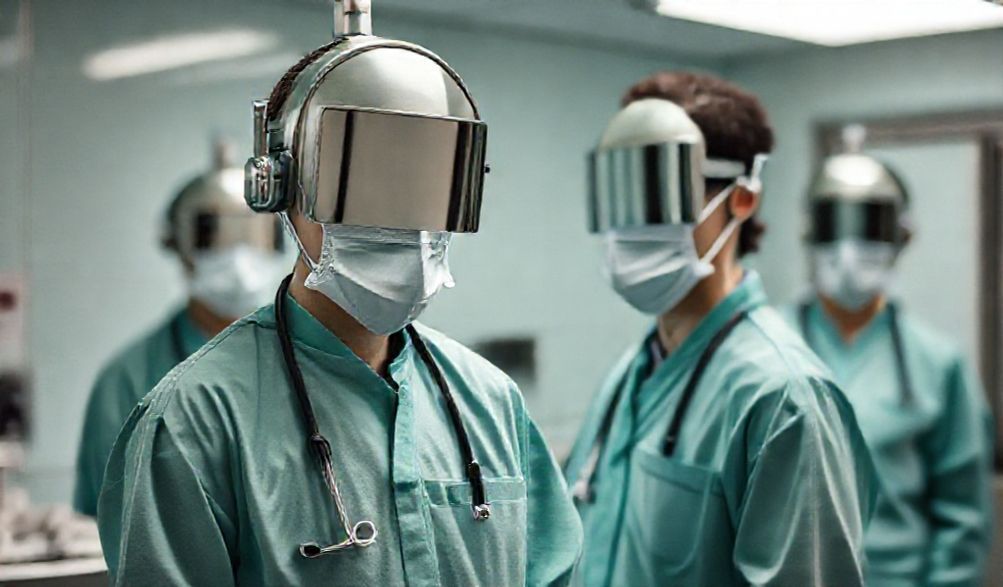
Why Did Doctors Wear Head Mirrors? Illuminating Medical History
Picture a doctor from a century ago. The image is almost universal: a figure of authority, clad in a white coat or perhaps a formal suit, with a distinctive circular mirror strapped to their forehead. This iconic tool, gleaming in the dim light of a clinic, has become a visual shorthand for medicine itself, evoking an era of hands-on diagnosis and learned bedside manner. But beyond its symbolic power, what was its actual purpose? Why did doctors wear head mirrorقانوني؟
This article delves into the fascinating history and mechanics of the cephaloscope, or head mirror. We’ll explore the simple yet brilliant problem it solved, trace its rise as the essential tool of medical specialists, and explain why it eventually faded from clinical use. More than just a history lesson, understanding this device reveals a fundamental principle of medicine that endures to this day: the critical need to see clearly in order to heal effectively. Join us as we reflect on the story of this ingenious instrument.
The Primary Function: A Simple Tool for Focused Illumination
At its core, the head mirror was not a decorative accessory or a symbol of status. It was a pragmatic, elegantly simple solution to a fundamental and frustrating problem faced by every physician conducting a physical examination.
The Problem of Shadow and Poor Light
Before the era of ubiquitous, bright electric lighting, doctors relied on natural daylight or artificial sources like oil lamps, gaslights, or early electric bulbs. When examining a patient’s internal cavities—the dark, recessed passages of the ears, nose, and throat—a major obstacle emerged: the examiner’s own head.
As a doctor leaned in to peer into a patient’s ear or mouth, their head would block the primary light source in the room, casting a deep shadow exactly over the area they needed to inspect. Imagine trying to look deep into a small, dark cave while standing in front of the only flashlight. The problem wasn’t a lack of light in the room; it was that the doctor’s body became the main obstruction. This made detailed visualization, essential for spotting infection, inflammation, foreign objects, or growths, incredibly difficult.
How the Head Mirror Worked: Optics and Technique
The head mirror ingeniously circumvented this problem through basic principles of reflection. The device was a concave (curved inward) mirror, typically made of polished metal or glass with a silvered backing, mounted on an adjustable headband. At the very center of the mirror was a small hole, about a centimeter in diameter.
Here’s how a physician used it:
- Positioning the Source: An external light source—initially an oil lamp, later a dedicated electric “examining lamp”—was placed beside and slightly behind the patient’s head.
- Aligning the Reflection: The doctor would put on the headband and adjust the angle of the concave mirror. The goal was to catch the light from the external lamp and reflect it forward as a focused, bright beam.
- Looking Through the Hole: The doctor would then position their eye directly behind the central hole in the mirror. By looking through this aperture, their line of sight was perfectly aligned with the beam of reflected light. The mirror itself did not obstruct their view, but the light it projected brilliantly illuminated the dark cavity, banishing all shadows.
The concave shape of the mirror was key. It didn’t just reflect light; it concentrated and focused it into a tight beam, much like a makeup mirror or a satellite dish focuses signals. This provided a powerful, directed spotlight exactly where the doctor was looking.
Key Anatomical Sites for Examination
This technique revolutionized examination in several emerging medical specialties:
- Otology (Ears): For inspecting the ear canal and tympanic membrane (eardrum) for signs of infection, perforation, or wax buildup.
- Laryngology (Throat): Crucial for viewing the larynx (voice box) and vocal cords. The head mirror was often used in conjunction with a small laryngeal mirror held at the back of the throat.
- Rhinology (Nose): To illuminate the nasal passages and nasopharynx.
- Early Ophthalmology (Eyes): While later supplanted by more specialized tools, the head mirror provided general illumination for eye exams.
It became the indispensable tool for the specialist who dealt with these areas: the otolaryngologist, or ENT (Ear, Nose, and Throat) doctor.
Evolution and History of the Cephaloscope
The head mirror’s journey from novel invention to standard equipment and finally to historical artifact mirrors the broader arc of medical technological progress.
Origins and Early Adoption (19th Century)
While simple reflecting mirrors had been used for centuries, the specialized head-mounted concave mirror for medical examination emerged in the mid-19th century, a period of explosive growth in medical specialization and diagnostic technology.
Key figures in its development and popularization include:
* Antonin Jean Desormeaux: A French surgeon, often called the “father of endoscopy,” who in the 1850s used a system of mirrors and a lamp to examine internal organs. His work highlighted the power of directed illumination.
* Manuel García: A Spanish singing teacher (not a physician) who, in 1854, used a dental mirror and sunlight to observe his own larynx in action. His published account inspired physicians to adopt mirror-based techniques for laryngoscopy.
* Czechoslovakian physiologist Johann Nepomuk Czermak and German laryngologist Ludwig Türck further refined and promoted the use of head mirrors for laryngeal examination in the late 1850s and 1860s.
The tool quickly proved its worth, moving from a curious novelty to a standard part of the specialist’s kit by the 1870s and 1880s.
The Standard Tool of the Specialist
For nearly a century, the head mirror was as synonymous with the ENT specialist as the stethoscope was with the general practitioner. It represented a new level of precision and capability. A physician adept with the head mirror could diagnose conditions that were previously guesses in the dark. It enabled procedures, from removing foreign bodies to early surgical interventions, with vastly improved visibility. The tool itself became a symbol of specialized, focused, and technologically-aided care.
The Decline: Advent of Electric Technology
The head mirror’s reign began to wane in the mid-20th century, not because the principle was flawed, but because the execution was surpassed by more convenient technology. The cumbersome setup—requiring a separate, properly positioned external light source and careful, continuous adjustment—was its Achilles’ heel.
Two key innovations rendered it obsolete:
1. The Penlight and Battery-Powered Otoscope: Small, self-contained handheld lights gave doctors a quick and easy way to get basic illumination without any setup.
2. The Electric Headlamp: This was the direct successor. By mounting a bright electric light source (first incandescent bulbs, later LEDs) directly on a headband, doctors achieved the same hands-free, shadow-free illumination without needing an external lamp or precise mirror alignment. The light source was now integrated and moved with the doctor’s head intuitively.
By the 1960s and 1970s, the classic head mirror had largely disappeared from everyday clinical practice in the developed world.
The Legacy of the Head Mirror in Modern Medicine
Though it is no longer found on the foreheads of practicing physicians, the head mirror’s legacy is enduring and multifaceted.
From Necessity to Symbol: The Iconography of Medicine
The head mirror has transcended its practical use to become one of the most potent symbols of the medical profession. It appears in historical photographs, paintings, film, and television to instantly signal “doctor,” particularly one of the old school—thoughtful, meticulous, and wise. Medical logos, especially for ENT practices or historical societies, often incorporate a stylized head mirror. It represents an era of direct, personal diagnosis and has become an icon of medical heritage and trust.
Principles That Endure: Direct Visualization and Focus
The true legacy of the head mirror is not the object itself, but the المبدأ ما جسده: الضرورة المطلقة للإضاءة المثالية الخالية من الظلال للتشخيص الدقيق. هذا المبدأ أكثر حيوية اليوم من أي وقت مضى. المصباح الأمامي الحديث للألياف البصرية، بضوء LED الساطع والكاميرات المدمجة أحيانًا، هو السليل المباشر للمرآة الرأسية. أنظمة التنظير الداخلي المتقدمة، بمصادر الضوء الداخلية القوية الخاصة بها، تحقق نفس المهمة في الفحص الداخلي الأعمق. الهدف يظل مطابقًا: الرؤية بوضوح. كانت المرآة الرأسية خطوة أولى رائعة في حل تلك المشكلة بشكل منهجي.
أداة تعليمية وأثر تاريخي
اليوم، من المرجح أن تصادف مرآة رأسية في متحف للتاريخ الطبي، أو عرض لهواة الجمع، أو ربما في قاعة الدراسة. إنها تعمل كأداة تعليمية قوية، تساعد الأجيال الجديدة من طلاب الطب على فهم تطور حرفتهم. إنها حلقة وصل ملموسة بالماضي، تذكرنا بأن التكنولوجيا المتطورة اليوم مبنية على أجيال من حل المشكلات الذكية والمتكررة.
الأسئلة المتكررة (FAQ)
س: ما الاسم الرسمي لمرآة الطبيب الرأسية؟
ج: يُطلق عليها بدقة أكبر اسم cephaloscope أو head mirror. في السياقات السريرية، كانت تُشار إليها ببساطة باسم “المرآة الرأسية”.”
س: هل ما زال أي أطباء يستخدمون مرآة الرأس اليوم؟
ج: هي نادرة للغاية في الممارسة السريرية الحديثة. تُستخدم المرايا الرأسية ذات الطراز القديم أحيانًا من قبل فنيي النظارات لتركيبها، لكن الأطباء يستخدمون المصابيح الأمامية الحديثة للألياف البصرية أو منظارات مضيئة أخرى للفحوصات.
س: لماذا كانوا ينظرون من خلال الفتحة في المرآة؟
ج: سمحت الفتحة للطبيب بمحاذاة عينه تمامًا مع حزمة الضوء المنعكس. بالنظر من خلالها، يمكنهم رؤية المنطقة المضاءة دون أي عائق من المرآة نفسها، مما يضمن تركيز الضوء تمامًا حيث يتم توجيه رؤيتهم.
س: ما الذي حل محل مرآة الطبيب الرأسية؟
ج: تم استبدالها بشكل أساسي بـ المصباح الأمامي الكهربائي (مصدر ضوء مثبت على عصابة رأس) ولاحقًا، بـ منظارات الألياف البصرية المتخصصة و منظارات الأذن التي تحتوي على مصادر ضوء مدمجة وقوية خاصة بها.
س: هل كان الضوء المنعكس من المرآة ساخنًا للمريض؟
ج: من المحتمل نعم. مصادر الضوء الخارجية المبكرة مثل مصابيح الزيت أو الغاز يمكن أن تنتج حرارة. ومع ذلك، فإن المرآة نفسها كانت تعكس الضوء المرئي فقط، وليس حرارة كبيرة. كان المصدر الرئيسي للانزعاج هو شدة حزمة الضوء، وليس درجة حرارتها.
الخاتمة
رحلة مرآة الطبيب الرأسية هي فصل مثير في التاريخ الطبي. لقد بدأت كحل بسيط وأنيق للمشكلة العالمية المتمثلة في الظلال وضعف الإضاءة، مما مكّن الأطباء من رؤية ما لا يُرى في الممرات المظلمة للجسم. لمدة قرن، كانت الأداة المميزة للتخصص، مما مكّن من نمو مجالات مثل طب الأنف والأذن والحنجرة. لم يكن تراجعها فشلًا، بل علامة على التقدم، حيث قدمت الإضاءة الكهربائية المدمجة مزيدًا من الراحة والقوة.
في النهاية، تقف المرآة الرأسية كشهادة قوية على براعة الطب. تذكرنا بأن أدوات التشخيص المتقدمة اليوم - المناظير عالية الدقة والمصابيح الأمامية الساطعة - مبنية على المبادئ الأساسية لأسلافها الذكية منخفضة التكنولوجيا. في المرة القادمة التي ترى فيها تلك المرآة الدائرية الأيقونية في فيلم أو صورة قديمة، لا ترها مجرد أثر، بل كانعكاس ساطع للبحث البشري الدائم لرؤية أكثر وضوحًا، وفهم أعمق، وشفاء أكثر فعالية.
ص>