
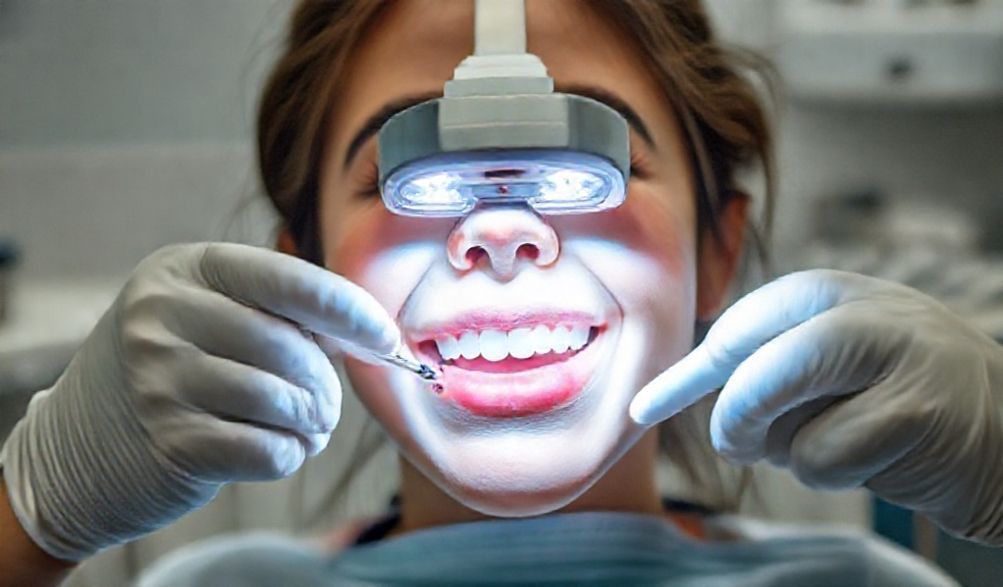
Best Dental Headlights of 2024: A Dentist’s Guide to Precision, Comfort & Value
Have you ever finished a long procedure only to be met with a pounding headache, stiff neck, and tired, strained eyes? Perhaps you’ve ever second-guessed a margin or wished for a clearer view of a subtle crack. In the demanding world of dentistry, where millimeters and minute details dictate success, the quality of your vision is paramount. The right illumination isn’t just about seeing—it’s about perceiving with accuracy, working with endurance, and delivering exceptional care. So, we ask: could investing in the right dental headlight transform not only your clinical outcomes but also your daily comfort and career longevity?
This guide is the culmination of extensive research, specification analysis, and a synthesis of feedback from practicing dentists and specialists. We understand you’re seeking a reliable, high-performance tool to elevate your practice, and you need a clear, unbiased comparison to navigate a crowded market. Our goal is to cut through the technical jargon and marketing hype. We’ll break down the critical clinical factors—like true light quality and ergonomics—alongside practical considerations such as cost and compatibility, to help you match the perfect system to your individual needs, specialty, and budget.
Let’s first illuminate the key features you must consider before exploring our top picks for 2024.
Why a Quality Dental Headlight is a Non-Negotiable Investment
A dental headlight is far more than a simple hands-free flashlight. It’s a foundational piece of ergonomic and diagnostic equipment that pays dividends in precision, health, and patient trust.
Enhancing Clinical Precision and Accuracy
The primary mission of any headlight is to improve what you see. A quality system eliminates shadows in the deep recesses of the oral cavity, providing even, shadow-free illumination. More importantly, it offers superior color rendering. The Color Rendering Index (CRI) measures how accurately a light source reveals the true colors of objects. A high CRI (90+ is excellent) is crucial for distinguishing between healthy and carious tooth structure, identifying subtle cracks, and accurately assessing soft tissue conditions like inflammation or dysplasia. This leads directly to better diagnoses, more precise restorative work, and flawless margin identification, elevating the overall quality of care you provide.
Reducing Practitioner Fatigue and Physical Strain
Dentistry is physically taxing. A poorly designed headlight—too heavy, poorly balanced, or with a distracting cord—exacerbates neck, shoulder, and back strain. Modern, ergonomic headlights are engineered with lightweight materials and counterweight systems that distribute weight evenly across the head. This, combined with hands-free operation, allows you to maintain a neutral, healthy posture throughout long procedures. Furthermore, optimal illumination reduces pupil constriction/dilation cycles and glare, significantly minimizing eye strain and the fatigue that comes with squinting in inadequate light.
Improving Patient Communication and Trust
Your technology speaks volumes to patients. Using a modern, professional headlight system enhances your perceived expertise and commitment to advanced care. Furthermore, many contemporary headlights integrate seamlessly with intraoral cameras. This allows you to instantly share a brilliantly illuminated, high-definition view of a problem area on a monitor, transforming abstract explanations into tangible visual evidence. This transparency builds immense patient trust, improves case acceptance, and fosters a collaborative treatment environment.
Key Features to Evaluate When Choosing a Dental Headlight
Navigating specifications can be daunting. Focus on these core areas to make an informed decision.
Light Source & Quality: LED Types and Color Temperature
Forget halogen and xenon; LED is the undisputed standard. LEDs are cool-running, incredibly energy-efficient, and have exceptionally long lifespans (often 30,000-50,000 hours). Two specs matter most:
* Color Temperature: Measured in Kelvins (K). 5500-6000K is considered “daylight white” and is the industry benchmark. It provides a neutral, bright light that minimizes color distortion and reduces eye fatigue over long periods.
* Color Rendering Index (CRI): As mentioned, a CRI of 90 or higher is ideal for clinical work, ensuring you see true tissue colors.
Brightness and Focus: Lumens and Spot Size
Brightness is often misunderstood.
* Lumens vs. Lux: Lumens measure total light output, while lux measures light intensity on a surface. For dentistry, lux at a working distance is more meaningful. A useful range is 40,000 to over 200,000 lux. General dentistry often thrives in the 40,000-100,000 lux range, while high-magnification endo or perio surgery may demand 150,000+.
* Adjustable Focus: The ability to change from a concentrated spot (for deep, focused work) to a wider flood (for broader field visibility) is a hugely valuable feature for versatility across different procedures.
Ergonomics and Comfort: Weight, Balance, and Adjustability
Comfort is critical for compliance and health. Key elements include:
* Total Weight & Balance: The system should feel secure and neutral on your head. Look for a counterweight (often the battery pack) that balances the light source.
* Headband Design: Padded, moisture-wicking, and fully adjustable headbands (circumferentially or with a tension knob) ensure a custom, secure fit for all head sizes and shapes.
* Light Source Weight: The front-mounted light module itself should be as lightweight as possible to minimize forward pull.
Power System: Battery Life and Charging
Power dictates freedom and reliability.
* Battery Type & Life: Lithium-ion (Li-ion) batteries are standard. Look for a minimum of 4-5 hours of runtime on a single charge at a medium brightness setting; 8+ hours is ideal for all-day clinics without anxiety.
* Charging & Hot-Swapping: Convenient charging docks are a plus. For uninterrupted workflow, hot-swappable batteries are a game-changer—simply replace a depleted battery with a charged one in seconds.
* Corded vs. Wireless: Wireless offers ultimate mobility and eliminates cord drag. Corded provides unlimited runtime but restricts movement. Most modern preferences lean strongly toward wireless systems.
Compatibility and Integration
Your headlight shouldn’t be an island. Ensure it is compatible with your existing loupes—many are designed for specific brands or frames, though adapters may be available. If you use an intraoral camera or plan to, check for integration capabilities that allow the light to work in tandem with your digital imaging system.
Top Dental Headlight Systems Reviewed for 2024
Here are five standout systems that represent the best of 2024 across different priorities.
Premium All-Rounder: Orascoptic Dragonfly
- Brief: A top-tier, wireless system known for its brilliant light, robust build, and excellent balance.
- Key Specs: Ultra-bright LED (up to 180,000 lux), 5500K color temp, >90 CRI. Lightweight Li-ion battery with 6+ hours runtime, hot-swappable. Ergonomic, adjustable headband.
- Best For: The dentist who wants a do-it-all, no-compromise workhorse for general and specialty procedures. It’s a reliable investment in top-tier performance.
Best for High-Definition Precision: Zeiss Primo
- Brief: Engineered for the ultimate in optical clarity and color fidelity, often paired with Zeiss loupes for a seamless ecosystem.
- Key Specs: Renowned for exceptional, homogeneous light field and superb color rendering (CRI >95). Modular design integrates perfectly with Zeiss loupes. Focus-free optics designed for specific working distances.
- Best For: Specialists and dentists performing high-magnification procedures (endo, perio surgery) where the absolute truest color and shadow-free illumination are critical.
Best Value & Wireless Freedom: Lumadent ProLux Ultra
- Brief: Offers exceptional performance and features at a highly competitive price point, challenging more expensive brands.
- Key Specs: Very bright LED light (adjustable focus), 5500K. Lightweight, comfortable design. Long-lasting battery with magnetic charging dock. Often lauded for its straightforward value.
- Best For: The cost-conscious dentist or new graduate seeking premium wireless features without the premium price tag. Excellent for general practice.
Best Lightweight Comfort: Designs for Vision Omega
- Brief: Focuses intensely on ergonomics, with a famously comfortable headband and featherlight feel.
- Key Specs: Extremely lightweight light source. Patented, highly adjustable “4-point suspension” headband for unparalleled stability and comfort. Bright, focused LED light.
- Best For: Practitioners who experience neck strain or headaches, or those who prioritize all-day comfort above all else. Ideal for long clinical days.
Best for Integration with Digital Workflows: Q-Optics Fusion
- Brief: Designed as part of a fully integrated ecosystem with loupes and cameras, streamlining the digital operatory.
- Key Specs: Seamless integration with Q-Optics loupes and their camera systems. The light can be optimized for both direct viewing and camera imaging. Wireless with good battery life.
- Best For: The digitally-forward practice that heavily utilizes intraoral cameras and monitors for patient communication and documentation. It unifies the visual toolset.
Dental Headlight FAQ: Your Questions Answered
Q: Are corded or wireless headlights better?
A: Wireless headlights offer superior freedom of movement and eliminate the distraction of a cord, making them the preferred choice for most modern practices. Corded models provide unlimited runtime and can be slightly brighter, but the physical tether is a significant drawback for many. For most, wireless is the recommended path.
Q: How many lumens/lux do I really need for general dentistry?
A: For general dentistry, a system delivering 40,000 to 100,000 lux at your working distance is typically more than sufficient. Beyond raw brightness, prioritize light quality (CRI >90) and adjustable focus. A moderately bright light with excellent color rendering is often more useful than an ultra-bright light with poor color.
Q: Can I use any headlight with my existing loupes?
A: Not always. Most headlights are designed to mount to specific loupe frames from the same manufacturer or partners. However, many companies offer universal adapter kits for popular loupe brands. Always verify compatibility with both the headlight and loupes manufacturer before purchasing.
Q: What is the typical lifespan of a dental headlight LED?
A: The LED itself is incredibly durable, often rated for 30,000 to 50,000 hours of use. For context, at 40 hours per week, that’s over 14 years. The LED will typically outlast other components like batteries or headband padding.
Q: How do I properly clean and maintain my headlight?
A: Follow the manufacturer’s instructions. Generally: 1) Disinfect the headband daily with approved disinfectant wipes. 2) Clean the light lens gently with a soft, dry microfiber cloth or lens-specific wipe—avoid harsh chemicals. 3) Battery Care: Avoid complete discharges; store and charge as instructed. Keep the charging contacts clean.
Making Your Final Decision: A Step-by-Step Checklist
Use this actionable framework, built on the expertise and factors outlined above, to guide your purchase.
- Assess Your Primary Use: Are you in general practice, or do you specialize in high-magnification micro-dentistry (endo, perio)? Your specialty dictates your need for extreme lux and color fidelity.
- Prioritize Your Top 2 Features: Is it all-day comfort, maximum brightness, long battery life, or budget? You likely can’t have it all, so know your non-negotiables.
- Confirm Compatibility: Double-check that your chosen model will mount to your existing loupes frames. If investing in new loupes, consider a bundled system.
- Evaluate the Warranty and Support: Look for a strong warranty (2-3 years is good) and a manufacturer/dealer known for responsive customer service and technical support.
- Try Before You Buy (If Possible): This is the golden rule. Attend a dental trade show or, better yet, request a clinical demo kit from a dealer. Wear it for a full day of procedures. Comfort and performance are profoundly personal.
Conclusion
The “best” dental headlight isn’t a single model—it’s the one that best aligns with your specific clinical demands, physical needs, and practice workflow. It’s an investment in your precision, your health, and the quality of care you deliver.
While this guide is built on thorough research and professional insights, there is no substitute for personal experience. We strongly encourage you to consult with colleagues about their experiences and, most importantly, to arrange hands-on demos through trusted dental equipment suppliers or manufacturers.
Ready to see the difference? Contact a reputable supplier today to arrange a demo of your top two models and experience the transformation firsthand.
Still weighing your options? Reach out to your current loupes provider or the manufacturers directly with your specific clinical questions and requirements. Your ideal light is out there.
p>