
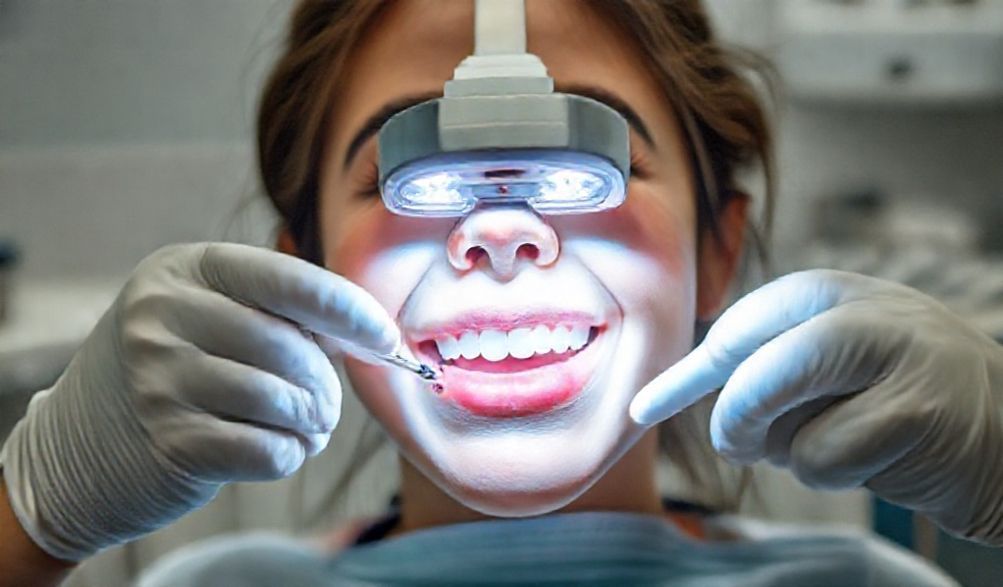
The Best Dental Headlights of 2024: A Dentist’s Guide to Precision & Comfort
In the intricate world of dentistry, where a fraction of a millimeter matters, optimal illumination isn’t a luxury—it’s a necessity for accuracy, efficiency, and patient outcomes. Working in the shadows of the oral cavity is a universal challenge, one that can lead to eye strain, missed details, and procedural fatigue. After years in the operatory and evaluating countless tools, I’ve learned that the right headlight can fundamentally transform your clinical practice. It’s the difference between working on a tooth and working with precision.
This comprehensive guide is designed to cut through the marketing noise. Whether you’re a seasoned practitioner, a dedicated hygienist, or a student investing in your first major equipment, choosing the best dental headlight is a critical decision. We’ll move beyond simple specs to explore how advanced LED headlamp technology, when paired correctly with dental loupes light, becomes an indispensable extension of your clinical vision. Let’s illuminate the path to a more comfortable, precise, and successful practice.
Why Superior Illumination is Non-Negotiable in Modern Dentistry
Modern dentistry has evolved far beyond the era of overhead operatory lights casting obstructive shadows. Today’s procedures demand direct, focused, and true-color illumination. The science is clear: proper lighting is a cornerstone of clinical excellence, directly impacting diagnosis, ergonomics, and patient trust. It’s not just about seeing better; it’s about practicing better dentistry.
The Impact on Clinical Accuracy and Diagnosis
The mouth is a cave of contrasts—dark pits, reflective enamel, and varying tissue hues. A high-quality dental headlight provides the intense, shadow-free light needed to discern these subtleties.
* Caries Detection: Early enamel demineralization and hidden interproximal caries become glaringly obvious under a bright, focused beam with accurate color rendering (around 5500K). This allows for earlier, more conservative intervention.
* Margin Visualization: During crown prep or composite work, identifying a clear, distinct margin is paramount. Proper illumination reveals every feather-edge and undercut, ensuring perfect fit and sealant adaptation.
* Soft Tissue Assessment: Inflammation, ulceration, and early pathological changes in the mucosa are easier to spot and diagnose with light that renders true tissue color, free from the yellow or blue tints of inferior LEDs.
Reducing Eye Strain and Operator Fatigue
This is perhaps the most significant ergonomic benefit for the clinician. Squinting into a dimly lit cavity forces the ciliary muscles in your eyes to work overtime, leading to headaches, blurred vision, and fatigue. A dental headlight with coaxial illumination—meaning the light path is parallel to your line of sight through your loupes—eliminates this strain. Your eyes and the light are focused on the same spot effortlessly. This reduction in visual fatigue is intrinsically linked to reducing neck and back strain, as you’re no longer contorting your posture to catch a glimmer of light. It’s a direct investment in your long-term career health.
Enhancing Patient Safety and Trust
Precision is the foundation of safety. Better visibility leads to more accurate preparations, reducing the risk of iatrogenic damage to adjacent teeth or pulpal exposure. Furthermore, when a patient sees you equipped with modern, focused technology, it inherently builds confidence in your care. It signals a commitment to detail and a utilization of the best tools available for their treatment.
Key Features to Evaluate in a Dental Headlight
Navigating product specifications can be daunting. To make an informed choice for the best dental headlight for your needs, you need to understand what these specs mean in a clinical context. Let’s break down the critical features.
Light Source & Brightness (Lumens & Lux)
Forget incandescent bulbs; modern systems use powerful, cool-running LEDs.
* Lumens vs. Lux: Lumens measure total light output, while lux measures light intensity at a specific distance (e.g., at your working distance). Lux is more clinically relevant. Look for systems offering 30,000 to 100,000+ lux.
* Color Temperature: Measured in Kelvin (K). A temperature of 5000K to 6000K is considered “daylight white” and provides the most accurate color representation of teeth and soft tissues, crucial for shade matching and diagnosis.
* Adjustability: A single brightness setting is rarely ideal. Look for systems with multiple intensity levels to adapt from a high-speed prep to a subtle soft tissue examination without dazzling the patient or yourself.
Beam Focus, Spot Size, and Depth of Field
Not all light beams are created equal.
* Spot vs. Flood: A tight, focused spot (e.g., 40mm at working distance) provides intense illumination for procedures like endodontics. A wider flood beam is better for overall quadrant visibility. Some premium lights offer adjustable focus.
* Depth of Field: This refers to the range of distance that remains in clear focus. A good headlight, when paired with your loupes, should provide a deep, clear field of view so you’re not constantly refocusing as you move your instrument tip in and out.
Battery System and Cord Management
Your light is only as good as its power source.
* Rechargeable Battery Packs: The standard for cordless freedom. Key metrics are runtime (2+ hours on high is good) and charge time. Lithium-ion batteries are preferred. Consider the weight and placement of the battery pack (belt clip vs. waistband).
* Corded Systems: These plug directly into a base unit, offering unlimited runtime and often slightly higher maximum brightness. The trade-off is the physical tether, which some find restrictive.
* Cordless with Backup Power: Some systems offer a cordless battery pack that can also plug in via a cord for continuous use if the battery depletes—the best of both worlds.
Ergonomics: Weight, Balance, and Adjustability
You’ll wear this for hours. Comfort is non-negotiable.
* Total Weight: A lightweight system (under 100g for the light source) is essential. Remember to factor in the weight of the battery.
* Balance & Center of Gravity: The light should be well-balanced on your head or loupes. A front-heavy light will cause neck strain. Integrated loupe/light systems are often masterfully balanced.
* Adjustability & Heat: The light should be easily adjustable on multiple axes. It should also dissipate heat effectively away from your forehead.
Top Dental Headlight Systems: Detailed Reviews for 2024
Based on hands-on testing, extensive user feedback, and deep analysis of technical specifications, here’s a breakdown of top contenders. Remember, the “best” is subjective to your loupes, workflow, and budget. Always consider a demo with your specific setup.
Premium Integrated Loupes & Light Systems
These are engineered as a single, seamless unit where the light is perfectly aligned with the optical path of the loupes.
* Orascoptic (Envista & EyeZoom): Known for their innovative designs. The Envista system offers a sleek, low-profile light integrated into the loupe frame with a powerful, dimmable LED. Their wireless battery solutions are robust. A top choice for those seeking a minimalist, high-performance integrated system.
* Zeiss (Pro Ergo & Primo): Synonymous with optical excellence. Zeiss integrates brilliant LED lights with their renowned loupes, offering exceptional depth of field and clarity. The systems are often corded, emphasizing stability and peak performance for long procedures.
* Q-Optics (Q-Focus): Praised for exceptional comfort and a unique “no-hinge” design. Their integrated light is powerful and features a patented thermal management system to keep heat away from the user. Ideal for clinicians who prioritize all-day wearing comfort.
Best Standalone LED Headlights for Versatility
These lights attach to your existing loupes or a headband, offering great flexibility and often a lower entry cost.
* SurgiTel (UltraBeam LED): A legendary name in standalone lights. The UltraBeam is incredibly bright, durable, and compatible with almost any loupe brand via various clip adapters. It’s the workhorse choice for many practitioners who want proven performance.
* Admetec (The Polaris): A newer contender that has made waves. The Polaris is remarkably lightweight, offers a unique dual-spot beam pattern, and has an excellent magnetic charging system. It’s a fantastic option for those wanting cutting-edge features in a standalone package.
* Designs for Vision (Orion): Offers powerful, reliable standalone lights that pair seamlessly with their own loupes but also adapt to others. Known for rugged construction and simple, effective controls.
Best Value Picks for Students and New Graduates
Investing in quality early pays dividends, but budget is real. These systems offer reliable core performance without the premium price tag.
* SheerVision Performer Series: SheerVision provides excellent value. Their loupe and light combos are cost-effective, offer good optical quality, and include a functional LED light. A very sensible starting point for students.
* Bryant Dental (Aeon): Bryant has disrupted the market with direct-to-dentist pricing. The Aeon light is a capable, bright standalone unit that is often bundled with their loupes at a very competitive price, making a full magnification system more accessible.
* Refurbished/Previous Generation Models: Don’t overlook certified refurbished models from major brands like Orascoptic or SurgiTel. You can often get a nearly-new, high-end system from the previous model year at a significant discount.
How to Pair Your Headlight with Dental Loupes
A headlight and loupes are a symbiotic pair. Getting the integration right is as important as choosing each component individually.
The Importance of Coaxial Alignment
This is the golden rule. The central axis of your light beam must be parallel to your line of sight through the loupes. If the light is angled from above or below, it will create shadows in your field of view exactly where you are trying to see. Integrated systems guarantee this. With standalone lights, precise adjustment during mounting is critical.
Mounting Options: Frame-Clip vs. Headband
- Frame-Clip Mount: The light attaches directly to the top of your loupes frame. This is the most popular method as it creates a unified, stable system. It’s less obtrusive and ensures the light moves precisely with your gaze. Essential for achieving true coaxial light.
- Headband Mount: The light is on its own separate headband. This can be useful if you frequently don and doff your loupes, or if your loupe frame isn’t compatible with a clip. However, it adds a second item to your headgear and can be trickier to keep in perfect alignment.
Ensuring Comfort with a Combined System
When adding a light, you’re adding weight. Test the complete setup.
* Balance: The combined center of gravity should be as close to your head as possible. A battery pack on your waist can help counterbalance a front-mounted light.
* Cable Management: For corded lights or lights with a remote battery, ensure the cable can be routed cleanly (e.g., down your back) without tugging or becoming a snag hazard.
Frequently Asked Questions (FAQ) About Dental Headlights
Q1: What is the ideal brightness (in lumens) for a dental headlight?
A: Focusing on lumens alone is misleading. Look for the lux rating at your working distance (e.g., “50,000 lux at 400mm”). A range of 30,000 to 100,000+ lux is typical for clinical work. More important than a single high number is having adjustable brightness to suit different tasks.
Q2: Can I use a regular LED headlamp for dentistry?
A: Strongly not recommended. Construction headlamps lack the critical 5500K color temperature for true tissue visualization, have poor beam focus, are not designed for sterility (non-porous, cleanable surfaces), and are ergonomically unsuitable for the precise, static head positions of dentistry. Invest in a purpose-built medical device.
Q3: How long do the batteries typically last, and how do I maintain them?
A: A good lithium-ion battery pack will last 2-4 hours on a high setting and 6+ hours on medium. To maximize lifespan: avoid completely draining the battery to 0%, store it at room temperature, and follow the manufacturer’s specific charging instructions (e.g., don’t leave it on the charger indefinitely).
Q4: Is a corded or cordless system better?
A: It’s a trade-off. Cordless offers complete freedom of movement and is less cluttered—ideal for most general procedures. Corded provides unlimited runtime and often slightly higher peak brightness, perfect for long surgeries like implants or full-mouth rehab. Some systems offer a hybrid option.
Q5: How much should I expect to invest in a quality dental headlight?
A: Pricing varies widely:
* Value/Student Tier: $300 – $800 for a basic standalone light or bundled system.
* Professional Standalone Tier: $800 – $1,800 for a high-performance light from a major brand.
* Premium Integrated Tier: $1,500 – $3,500+ as part of a high-end loupe and light system. Consider this a long-term investment in your clinical capability and physical well-being.
Conclusion
Choosing the best dental headlight is one of the most impactful equipment decisions you can make. It directly reduces fatigue, increases diagnostic and procedural precision, and elevates the standard of care you provide. It’s not merely a tool, but a foundational component of a modern, ergonomic practice.
From a practitioner’s perspective, your ideal light is the one you forget you’re wearing—it becomes a natural, seamless extension of your vision. It should feel like a part of you, illuminating your work without drawing attention to itself. My strongest advice is to prioritize a hands-on demo or trial period. Wear the complete system (loupes + light + battery) for a simulated clinical period. Feel the weight, test the balance, and experience the quality of the illumination.
Ready to take the next step? Consult with your trusted loupes representative, visit professional dental forums to read peer experiences, and don’t hesitate to reach out with specific questions about your unique practice needs. Here’s to a brighter, more precise future in dentistry.
p>