
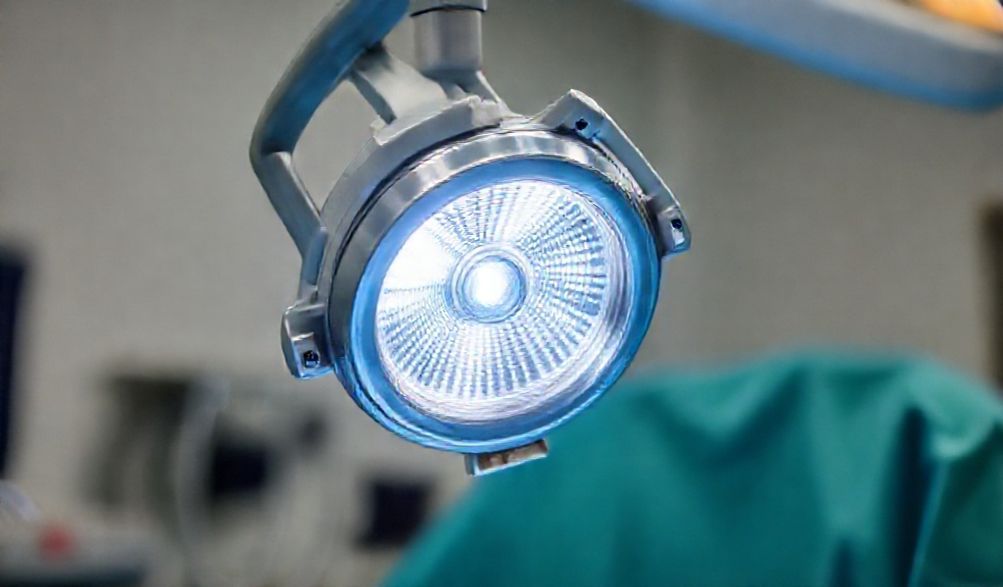
The Surgeon’s Guide to Choosing the Best Surgical Headlight for Precision & Performance
Introduction
Imagine performing a delicate microvascular anastomosis. The target vessel is less than a millimeter in diameter, and the margin for error is zero. Now, imagine a shadow falling across your field, or the tissue colors appearing washed out and unnatural. In that critical moment, the quality of your illumination isn’t just about convenience—it’s the difference between success and complication. Studies consistently link optimal surgical lighting to improved accuracy, reduced operative time, and enhanced patient outcomes. Yet, the tool that provides this illumination is often an afterthought.
This guide is born from extensive research and consultation with practicing surgeons, surgical residents, and biomedical equipment specialists. We understand that whether you’re a seasoned neurosurgeon, a dental implantologist, or a procurement officer for a busy hospital, you need a clear, evidence-based resource to navigate a critical investment. You’re not just looking for a light; you’re seeking a reliable partner for precision.
This comprehensive pillar page will dissect the key features, technologies, and practical considerations to help you identify the best surgical headlight for your specific surgical discipline, ergonomic needs, and budget. We’ll journey through the core technologies that matter, analyze top systems on the market, and provide a step-by-step checklist to ensure your final choice elevates your performance and protects your well-being.
Why Surgical Headlight Quality is Non-Negotiable in Modern Medicine
In an era of robotic assists and advanced imaging, the fundamental tool of direct visualization remains paramount. A surgical headlight is a primary interface between the surgeon’s skill and the surgical site. Compromising on its quality is a risk no modern practitioner should take.
The Direct Link Between Illumination and Surgical Outcomes
Optimal lighting is a multi-dimensional requirement. It’s not merely about “brightness.”
- Shadow Reduction & depth perception: Overhead lights create shadows from the surgeon’s head and hands. A coaxial headlight, shining from the surgeon’s viewpoint, dramatically reduces these shadows and creates stereoscopic cues that enhance depth perception. This is invaluable in deep-cavity surgeries like spinal procedures or within the sinus passages.
- Color Rendition: Accurate tissue differentiation relies on true color representation. Is that a nerve, a tendon, or a vessel? Is the tissue well-perfused or ischemic? Poor color rendering can obscure these vital distinctions. High-fidelity lighting is crucial in specialties like plastic surgery, oncology, and any procedure involving tissue viability assessment.
- Precision in Microsurgery: For ophthalmologists, neurosurgeons, and hand surgeons, the headlight must provide an intensely bright, focused, and uniform spot that can illuminate a microscopic field without glare or “hot spots” that cause eye fatigue. The light must be an extension of the surgeon’s vision.
Beyond Vision: Ergonomics and Surgeon Well-being
A surgeon’s most valuable instrument is their own body. A poorly designed headlight can undermine it.
- Weight and Balance: An extra 100 grams on your forehead during a 6-hour case translates into significant neck strain. Modern systems prioritize lightweight materials and balance the weight between the front light source and the rear battery pack or counterweight.
- Heat Management: Older xenon systems were notorious for radiating heat onto the surgeon’s forehead. Modern LED technology generates minimal heat, directly contributing to comfort and focus during long procedures.
- Career Longevity: Chronic neck and back pain are occupational hazards for surgeons. Investing in ergonomic equipment, including a well-balanced, comfortable headlight, is an investment in a sustainable, pain-free career.
The Evolution from Overhead Lights to Personal Illumination Systems
The move from massive, static overhead lights to personal, head-mounted systems was a revolution in surgical freedom. Overhead lights cannot effectively illuminate deep or angled cavities—their light is blocked by the very structures the surgeon is working on. The personal surgical headlight liberated surgeons, allowing for direct, shadow-free illumination exactly where it’s needed, regardless of patient positioning or anatomical depth. It transformed procedures in ENT, neurosurgery, dentistry, and minimally invasive fields.
Decoding the Technology: Key Features of a Premium Surgical Headlight
Understanding the core technology is essential to cutting through marketing claims and identifying what truly matters for your work.
Light Source Technology: LED vs. Xenon (The Modern Standard)
The debate is largely settled: LED (Light Emitting Diode) is the unequivocal modern standard. Here’s why:
- Brightness & Efficiency: LEDs produce exceptional brightness (measured in lumens) with far less power draw than xenon bulbs, leading to longer battery life.
- Color Temperature & CRI: LEDs offer highly consistent color temperatures (typically a daylight-mimicking 4500-6000K) and superior Color Rendering Index (CRI). A CRI above 90 (on a scale of 0-100) is essential for true tissue color, with top systems reaching 95+.
- Lifespan & Reliability: An LED module can last 50,000+ hours—essentially the lifetime of the device. Xenon bulbs last 500-1000 hours and degrade, with color temperature shifting toward yellow over time.
- Heat & Safety: LEDs are cool-running, eliminating the forehead heat issue of xenon. They also pose no risk of bulb explosion.
Understanding Optics: Spot Size, Depth of Field, and Uniformity
The lens system is what shapes the raw light into a usable surgical field.
- Spot Size: Adjustable spot size is a critical feature. A large spot is great for general surgery or wound closure. A tiny, focused spot (e.g., 30mm at 400mm distance) is mandatory for microsurgery. The best systems offer a wide, seamless range of adjustment.
- Depth of Field: This is the range of distance within which the spot remains in sharp focus. A deep depth of field allows the surgeon to move instruments in and out of the focal plane without constantly refocusing the light—a huge benefit for efficiency and reducing eye strain.
- Uniformity: The “beam profile” should be a consistent, “flat” circle of light without a bright, glaring center (hot spot) and dark edges. A uniform beam prevents eye fatigue and provides consistent illumination across the entire field.
Power Systems: Battery Packs, Cords, and Runtime
Your power source determines mobility and reliability.
- Rechargeable Battery Packs: The most popular choice. Modern lithium-ion battery belts or pocket packs are lightweight and offer 4-8 hours of runtime on a single charge, depending on brightness setting. They provide complete freedom of movement.
- Wall-Corded Systems: These provide unlimited runtime and are often slightly brighter, as they are not limited by battery capacity. However, the cord can be a nuisance, posing a trip hazard and potentially compromising sterility if not managed carefully.
- Considerations: Look for systems with intuitive battery level indicators and the option for hot-swappable batteries for marathon cases. The weight distribution of a belt-pack versus a rear-mounted battery is a key comfort factor.
The Headband & Mounting System: Comfort is King
If it’s not comfortable, you won’t wear it properly, and its benefits are lost.
- Materials: Headbands come in leather (durable, easy to clean), silicone (hypoallergenic, excellent grip), and fabric (soft, breathable). The forehead pad is crucial for comfort and stability.
- Adjustability: A fully adjustable system (circumference, vertical height, tilt) ensures a secure, custom fit for any head size and shape, and over surgical caps or loupes.
- Compatibility: The mount must securely and seamlessly integrate with your surgical loupes. Most quality brands offer universal or brand-specific adapters. This is a non-negotiable check before purchase.
Top Surgical Headlight Systems: A 2024 Specialist Analysis
The “best” system is the one that best fits your specific needs. The market offers tiers tailored to different requirements and budgets.
High-Performance Systems for Demanding Specialties
For neurosurgeons, vitreoretinal surgeons, and microvascular specialists where the highest level of precision is non-negotiable.
- Brands like [Example: Designs for Vision, Heine]: These systems are often integrated with high-magnification loupes or microscopes. They feature the highest available CRI (97+), incredibly uniform and deep fields, ultra-fine spot adjustability, and robust, no-compromise construction. Expect premium pricing, justified for the most demanding visual tasks.
Best All-Rounder for General Surgery & Versatility
For surgeons who perform a wide range of procedures—general surgeons, orthopedic surgeons, OB/GYNs, oral surgeons—and need a reliable, highly adaptable workhorse.
- Brands like [Example: Enova, Orascoptic]: These are the “Swiss Army knives” of surgical headlights. They offer an excellent balance: very high brightness, a great CRI (~95), a good range of spot size adjustment, and exceptional comfort for long cases. They integrate well with most loupes and offer both corded and cordless options. They represent the sweet spot of performance and value for most surgical disciplines.
Leading Value-Oriented & Entry-Level Options
For surgical residents building their toolkit, or for established surgeons needing a reliable secondary or backup system.
- Brands like [Example: Admetec, SurgiTel]: These brands provide robust core features—bright LED light, good CRI, basic spot adjustment—in a lighter, more streamlined package. The trade-offs may come in slightly less field uniformity, fewer adjustment increments, or shorter battery life. However, for the price, they offer tremendous capability and are a fantastic entry point. Trust is built through transparency: these are capable tools that make premium lighting accessible.
How to Choose: Your Step-by-Step Evaluation Checklist
Match the Light to Your Surgical Discipline
Use this quick-reference guide to align features with your specialty:
| Specialty | Priority Features |
| ———————- | ————————————————————————————- |
| Microsurgery | Ultra-small adjustable spot, deepest depth of field, highest uniformity, max CRI (>95). |
| Dentistry / OMFS | High CRI for tissue/restoration color, good depth for oral cavity, comfortable for long periods. |
| General / Plastic | Balanced spot size range, excellent CRI for tissue assessment, cordless mobility. |
| ENT / Sinus | Deep-cavity illumination, small spot capability for endonasal work, lightweight. |
| Orthopedic / Spine | Bright, wide field for open procedures, durability, compatibility with loupes/visors. |
Prioritizing Must-Have vs. Nice-to-Have Features
Create your personal ranking. For most:
1. Fit & Comfort with Loupes: If it doesn’t fit well with your magnifiers, nothing else matters.
2. Light Quality (CRI & Uniformity): Essential for accurate visualization.
3. Brightness & Adjustability: Enough lumens for your deepest work, with a dimmer for versatility.
4. Battery Runtime: Must cover your typical longest case with a safety margin.
5. Budget: Determine your realistic investment range.
The Critical Importance of a Hands-On Trial
Never buy a surgical headlight based on specs alone. Insist on a demo. A reputable distributor will provide one. During your trial:
* Wear it with your surgical loupes and face mask for at least 15-20 minutes.
* Test all adjustments: spot size, brightness dimmer, headband fit.
* Feel the button controls—can you operate them intuitively with gloved hands?
* Notice any pressure points or heat after the trial period.
* Project the light on a textured surface to check for beam uniformity and color.
Maintenance, Safety, and Getting the Most from Your System
Proper Cleaning, Sterilization, and Storage Protocols
- Follow Manufacturer Instructions: This is paramount. Methods vary (wipe-down with specific disinfectants, autoclaving of certain components, gas sterilization).
- General Rule: The headband and light source module typically require careful wiping with a hospital-grade disinfectant. Cables and battery packs should only be wiped down, not immersed.
- Storage: Store in a clean, protective case. Avoid coiling cables tightly.
Battery Care for Longevity and OR Safety
- Avoid Full Depletion: For Li-ion batteries, avoid regularly running them to 0%. Partial discharges are better.
- Storage Charge: If storing for weeks, charge to about 50-60%.
- Recognize End of Life: A battery that no longer holds a charge for a standard procedure needs replacement. Using failing batteries risks a loss of light mid-surgery.
When to Upgrade: Signs You Need a New Surgical Headlight
- Noticeable dimming of output.
- Visible shift in color temperature (e.g., light appears yellow).
- Drastically reduced battery runtime.
- Physical damage to the headband, cable, or housing.
- Your surgical practice has evolved (e.g., you’ve moved into more complex microsurgery).
Frequently Asked Questions (FAQ) About Surgical Headlights
Q: What is the typical battery life for a cordless surgical headlight?
A: Most modern LED systems offer 4-8 hours on a full charge at medium-to-high brightness. Always check the specific manufacturer’s specs at your intended brightness level, and always have a freshly charged backup battery for long cases.
Q: Can I use my surgical headlight with my existing surgical loupes?
A: In most cases, yes. Quality headlights are designed with universal or adaptable mounts for popular loupe frames (e.g., through a flip-up connector or a custom bracket). However, compatibility must be explicitly confirmed with both the headlight and loupe manufacturers or your distributor before purchase.
Q: How important is the Color Rendering Index (CRI)?
A: Extremely important. A high CRI (90+) ensures tissue, blood, sutures, and anatomical structures appear in their true, natural colors. This is critical for accurate differentiation and decision-making during surgery. A low CRI can make tissues look flat and greyish.
Q: Are more lumens always better?
A: Not necessarily. While sufficient brightness is key, excessive, uncontrolled lumens can cause glare off reflective surfaces and contribute to eye fatigue. The ability to adjust the brightness (dimmability) is a far more valuable feature than a blinding maximum output you’ll never use.
Q: What is the expected lifespan of a quality LED surgical headlight?
A: The LED light source itself is rated for 50,000+ hours—essentially a lifetime of clinical use. The overall system lifespan (battery, cables, switches) is typically 5+ years with proper care and maintenance. The headband may need replacement sooner due to wear.
Conclusion
Choosing the best surgical headlight is a decision that directly impacts your precision, your endurance, and ultimately, your patients’ outcomes. It is not a mere accessory but a foundational tool of the modern surgical practice.
The optimal choice hinges on the intersection of three core pillars: Technology (prioritizing LED with high CRI and excellent optics), Ergonomics (a fit so comfortable you forget it’s there), and Application (tailored to the specific demands of your surgical specialty).
This guide serves as your evidence-based starting point. We strongly emphasize the importance of consulting with experienced colleagues, engaging with knowledgeable equipment specialists, and, most crucially, insisting on a hands-on trial. Invest the time to find the system that feels like a natural extension of your senses—one that illuminates not just the surgical field, but also the path to greater performance and professional longevity.
Take the next step. Use this guide to clarify your needs, then contact a reputable distributor to schedule a demonstration. See and feel the difference that premium, personalized illumination can make.
p>