
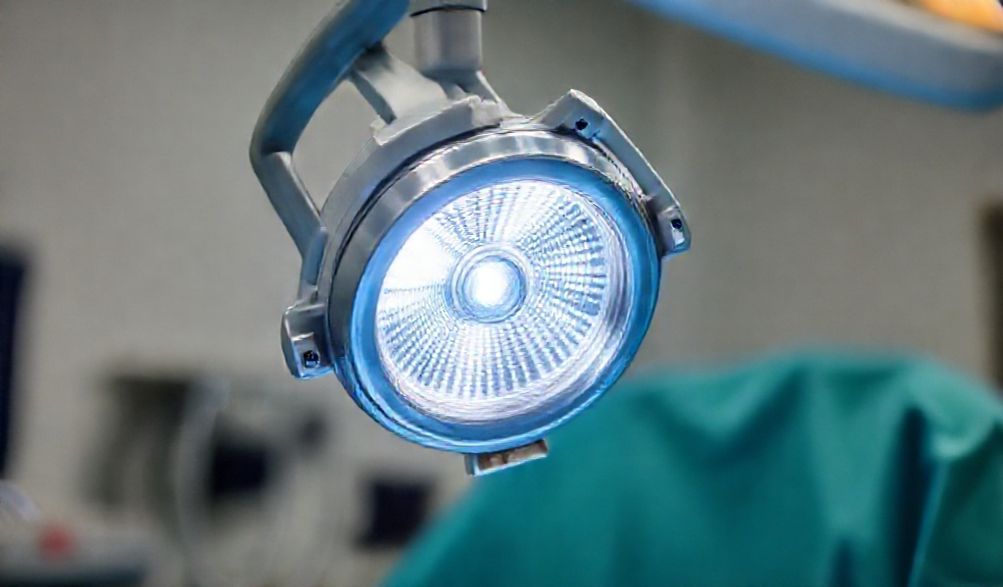
The Surgeon’s Guide to Choosing the Best Surgical Headlight for Precision & Performance
In the intricate world of surgery, where millimeter precision dictates outcomes, one fundamental principle reigns supreme: you can only operate on what you can see. Optimal illumination is not merely a convenience; it is the bedrock of surgical accuracy, patient safety, and procedural efficiency. Studies consistently link superior visualization to reduced error rates, enhanced tissue differentiation, and improved operative speed. Yet, for many surgeons, the quest for perfect light is fraught with compromise—eye strain, premature fatigue, and the constant battle against shadows in deep cavities or around fine tissue planes.
Drawing on years of experience consulting with surgical teams and evaluating medical equipment, we understand this challenge intimately. The overhead surgical light, while essential, has inherent limitations. It cannot follow your gaze, eliminate shadows cast by your hands and instruments, or provide the coaxial, shadow-free illumination required for modern precision surgery. This is where the personal surgical headlight transitions from an optional accessory to a vital, ergonomic extension of the surgeon’s own vision.
This comprehensive guide is designed to cut through the marketing jargon. We will provide an evidence-informed framework to help surgeons, residents, and procurement specialists critically evaluate the key features that define the best surgical headlight. Our goal is to empower you to select a system that aligns perfectly with your specialty, your procedures, and your personal comfort, ensuring that your focus remains solely on the patient.
Why Optimal Surgical Lighting is Non-Negotiable
Before delving into specifications, it’s crucial to reaffirm why this tool demands such careful consideration. A surgical headlight is an investment in outcomes, ergonomics, and professional longevity.
The Direct Impact on Surgical Outcomes
The correlation between visualization and surgical performance is well-documented. Inadequate lighting forces visual accommodation, increasing cognitive load and the risk of oversight. A high-quality headlight provides consistent, bright, and color-accurate light directly along the surgeon’s line of sight. This directly enhances the ability to identify critical structures, differentiate between similar tissues (e.g., nerve vs. fascia), and achieve hemostasis in deep wounds. In specialties like microsurgery or neurosurgery, it is quite literally the difference between seeing and not seeing the field. The right light reduces procedural time and mitigates risk, making it a direct contributor to positive patient outcomes.
Ergonomics and Surgeon Well-being
Surgeon fatigue is a multi-factorial problem, and poor lighting is a significant, often overlooked, contributor. Straining to see through inadequate or misdirected light leads to visual fatigue, headaches, and compensatory poor posture. Over years, this contributes to chronic musculoskeletal issues. A well-designed headlight, by delivering light exactly where you need it without glare or shadow, allows for a more neutral head and neck position. Framing it as a tool for career longevity is not an exaggeration; it is an ergonomic intervention that protects the surgeon’s most valuable assets: their vision and physical health.
Beyond the Overhead Light: The Case for Personal Illumination
Overhead lights are brilliant for general field illumination but are fundamentally obstructable. The surgeon’s head, hands, and assistants constantly cast shadows. Furthermore, their light is not coaxial—it doesn’t travel directly down the surgeon’s line of sight into cavities. A surgical headlight solves these problems. It moves with you, providing a portable source of bright, focused light that illuminates deep and narrow spaces without shadows, revealing anatomy that overhead lights simply cannot reach.
Core Features of the Best Surgical Headlights
Understanding the technology is key to making an informed choice. Here are the core specifications that separate adequate headlights from exceptional ones.
Light Source Technology: LED vs. Halogen/Xenon
This is the most critical advancement in recent years. LED (Light Emitting Diode) technology is now the unequivocal standard for the best surgical headlight.
* LEDs run cool, eliminating the heat radiation that can cause patient tissue drying and surgeon discomfort. They have an exceptionally long lifespan (often 50,000+ hours), virtually eliminating bulb replacement costs and failures mid-procedure. They provide instant, flicker-free light at a consistent color temperature and are highly energy-efficient.
* Halogen/Xenon bulbs generate significant heat, have shorter lifespans, gradually dim over time, and require frequent, costly replacements. While some older systems may still use them, for any new purchase, LED is the only recommended choice.
Understanding Lumens, Lux, and Color Temperature
Brightness metrics can be confusing. Here’s what matters:
* Lumens vs. Lux: Lumens measure the total light output of the source. Lux is far more meaningful—it measures illuminance, or how bright that light is at the target surface (e.g., lumens per square meter). A headlight might boast high lumens, but if the beam is diffuse, the lux at the surgical site may be low. Look for lux ratings at a specified working distance (e.g., 30,000 lux at 400mm).
* Color Temperature (Kelvin): Measured in Kelvins (K), this describes the “warmth” or “coolness” of light. For surgery, a “daylight white” spectrum between 4500K and 5500K is ideal. This range provides excellent contrast and true tissue color rendition, allowing accurate differentiation between arterial blood, venous blood, fat, and other structures. Avoid lights that produce a yellowish (low K) or bluish (very high K) hue.
Beam Characteristics: Spot Size, Depth of Field, and Homogeneity
The quality of the beam is as important as its brightness.
* Spot Size: An adjustable spot size is a valuable feature. A small, focused spot (e.g., 40mm) is perfect for microsurgery or dental work, while a larger flood (e.g., 120mm) is better for open abdominal or orthopedic procedures. Some systems offer a continuously variable adjustment.
* Depth of Field: This refers to the range of distances within the beam that remain in sharp focus. A great headlight has a long depth of field, meaning you can move slightly closer or farther from the target without constantly refocusing, maintaining a crisp image throughout.
* Homogeneity: The beam should be uniformly bright with no central “hot spot” or dim edges. A homogeneous beam eliminates distracting brightness gradients, reducing eye strain and providing consistent illumination across the entire field.
Power Systems: Battery Life and Management
Reliable power is non-negotiable for uninterrupted procedures.
* Battery Type: Lithium-ion (Li-ion) batteries are standard, offering high energy density, no memory effect, and slow loss of charge when not in use.
* Runtime: Look for systems offering 6-10 hours of runtime on a single charge at a medium brightness setting. Always verify if this is for the highest setting (which drains power faster).
* Charging & Management: Convenient charging stations (wall- or bench-mounted) and the availability of spare, swappable batteries are essential. A system with a battery indicator on the headset or belt pack is crucial. For marathon procedures, a wired option or a dual-battery belt pack can provide peace of mind.
Prioritizing Surgeon Comfort and Usability
A headlight that causes discomfort will be left in the drawer, no matter how brilliant its light.
Weight Distribution and Headband Design
Comfort is dictated by weight and how it’s distributed. The total system weight (light source, cable, battery) should be as low as possible, ideally under 250 grams for the headband unit. Look for:
* Padded Headbands: Contoured, moisture-wicking padding.
* Adjustable Tension: Easy, one-handed adjustment for a secure but not oppressive fit.
* Stability: The headband should stay firmly in place during rapid head movements without slipping.
Cable Management and Freedom of Movement
This is a major ergonomic factor.
* Wired Systems: Traditionally offer unlimited runtime and often slightly higher peak brightness. The downside is cable drag, which can be distracting and pull on the headset. Look for lightweight, flexible cables and well-designed routing clips to minimize interference.
* Wireless Systems: Offer complete freedom of movement, reducing physical and mental clutter. Modern wireless LEDs have largely closed the performance gap. The trade-off is managing battery life and the added weight of the battery, usually on a belt clip.
Compatibility with Loupes and Other PPE
Most surgeons using headlights also wear loupes. Compatibility is critical.
* Integration: Some headlights are designed to clip directly onto loupe frames, ensuring perfect optical alignment. Others are separate but must be tested to ensure the headband doesn’t interfere with the loupe mount and that the beam centers through the loupes.
* Flip-Up/Down Capability: The ability to flip the light source up and out of the way when not needed (e.g., during closure) is a highly desirable feature, especially in longer, variable procedures.
Matching a Surgical Headlight to Your Specialty
The best surgical headlight for you depends heavily on your operative field.
Recommendations for Microsurgery and Neurosurgery
- Priority: Extreme precision and clarity at high magnification.
- Key Features: Very high lux output (40,000+), exceptionally small and adjustable spot size, outstanding depth of field, and homogeneous beam. Loupe-integrated or perfectly aligned systems are common. Wired systems may be preferred for their consistent, unfiltered power.
Recommendations for ENT, Dental, and Oral Surgery
- Priority: Access to confined cavities, compatibility with loupes, and lightweight comfort for procedures often performed seated.
- Key Features: Lightweight design, focused beam for illuminating canals and the oral cavity, excellent color temperature for mucosal assessment. Wireless systems are particularly advantageous here for unrestricted head positioning.
Recommendations for General, Plastic, and Orthopedic Surgery
- Priority: Versatility, reliability, and comfort for procedures of varying length and depth.
- Key Features: A good balance between spot and flood illumination, robust battery life (or easy swap batteries), and durable, easy-to-clean construction. Adjustable brightness and a flip-up feature are highly useful. Both wired and wireless systems are popular choices.
The Investment: Cost, Value, and Total Ownership
A surgical headlight is a significant professional investment. Look beyond the sticker price.
Initial Price vs. Long-Term Cost of Ownership
While LED headlights have a higher upfront cost than old halogen systems, their long-term value is superior. Factor in:
* Zero Bulb Replacements: LED modules last for years.
* Energy Efficiency: Longer battery life per charge.
* Durability: Well-built LED systems are robust and require less maintenance. The total cost over 5-10 years often favors the modern LED system.
Warranty, Service, and Support
This is critical medical equipment. A strong warranty (3-5 years is good) reflects manufacturer confidence. Ensure the company offers reliable, accessible technical support and service. Can components be serviced, or must the entire unit be replaced? What is the turnaround time for repairs?
Trial and Evaluation: The Most Important Step
Never buy a surgical headlight without a hands-on trial. Reputable dealers should offer demo units. Your evaluation checklist should include:
1. Comfort: Wear it for at least 30-60 minutes. Is it still comfortable?
2. Beam Quality: Project it on a textured, colored surface (like a sponge or fruit) to assess homogeneity, color rendition, and depth of field.
3. Usability: Are the controls intuitive? Can you adjust it with gloved hands?
4. Compatibility: Test it with your loupes, eyewear, and preferred head position.
Frequently Asked Questions (FAQ) About Surgical Headlights
Q: What is the typical battery life for a modern LED surgical headlight?
A: Most high-quality systems offer 6-10 hours of runtime on a medium setting, but this varies greatly with brightness. Always check the specifications and plan for backup batteries for long procedures.
Q: How do I properly clean and disinfect my surgical headlight?
A: Always follow the manufacturer’s specific Instructions for Use (IFU). Generally, the headband can be wiped with a hospital-grade disinfectant. The light source module typically requires careful wiping with a low-level disinfectant (e.g., 70% isopropyl alcohol wipes). Avoid immersion or harsh chemicals unless explicitly stated as safe by the manufacturer.
Q: Can I use my surgical loupes with any headlight?
A: Not automatically. You must ensure compatibility. Many systems offer specific loupe mounts or adapters. It is essential to test the combined setup for comfort and to verify the beam is correctly aligned through your optical path.
Q: What brightness (in lumens/lux) do I really need?
A: This is specialty- and procedure-dependent. As a general guide: microsurgery requires 40,000+ lux, deep cavity work 25,000-35,000 lux, and general open surgery 15,000-25,000 lux. The ability to adjust brightness is a key feature for adaptability.
Q: Are wireless surgical headlights as powerful as wired ones?
A: For most modern LED systems, yes. While peak output in some wired models might be slightly higher, today’s wireless headlights provide more than sufficient illumination for the vast majority of procedures. The benefit of complete freedom of movement often outweighs the minimal difference in peak power for most surgeons.
Conclusion
Selecting the best surgical headlight ultimately comes down to balancing three pillars: Performance (superior light quality, beam characteristics, and reliability), Comfort (ergonomic design and seamless integration), and Durability (robust construction and sustainable cost of ownership).
This guide was created to serve as an unbiased, expert resource to help you navigate this important decision—a decision that impacts patient outcomes and your own professional well-being. Remember, the ultimate goal is to find a headlight that effectively “disappears.” It should become a seamless, reliable extension of your vision, so intuitive and comfortable that you forget it’s there, allowing you to dedicate 100% of your focus to the art and science of surgery.
Your next step is to take this knowledge and apply it. Seek out demonstrations, test models with your own loupes, and consult with colleagues. The right light is waiting to illuminate your path to greater precision and performance.
p>