
The Ultimate Guide to Choosing the Best Surgical Loupes in 2024
In the high-stakes theater of the operating room or the meticulous environment of the dental clinic, success hinges on a triad of critical elements: precision, ergonomics, and visual clarity. A surgeon’s or dentist’s ability to see fine anatomical details directly influences procedural accuracy, patient outcomes, and the feasibility of minimally invasive techniques. Yet, the toll of leaning in for hours, straining to visualize a tiny field, is a silent epidemic of musculoskeletal disorders among medical professionals. This is where the choice of a fundamental tool becomes a career-defining decision. Searching for the “best surgical loupes” is more than a product comparison; it’s a quest to find the perfect partner that enhances your skill, protects your body, and endures the rigors of daily practice.
This guide is designed to cut through the marketing jargon and technical specifications. Our purpose is to distill complex information into a clear, actionable resource for surgeons, residents, and dental professionals. We’ll balance evidence-informed insights with practical advice, acknowledging that your search involves weighing performance, comfort, budget, and the unique demands of your specialty. By the end, you will have a comprehensive framework to make a confident, informed investment in what is arguably your most vital instrument beyond your own hands.
What Are Surgical Loupes and Why Are They Essential?
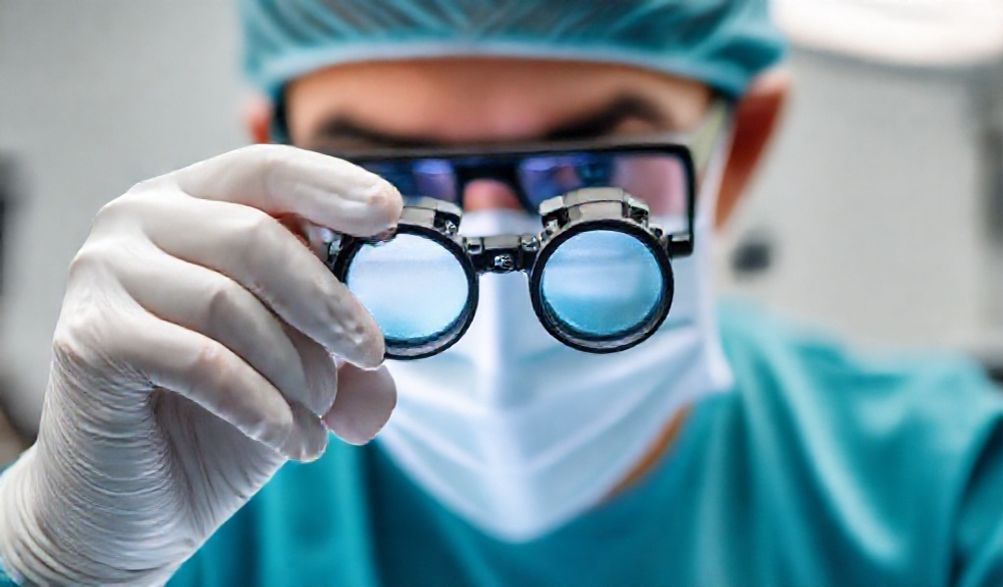
Surgical loupes are magnification devices, worn like glasses, that bring the surgical or operative field into closer, clearer view. Far from a simple convenience, they are a cornerstone of modern precision medicine.
Beyond Magnification: Enhancing Precision and Outcomes
The primary function of loupes is, of course, magnification. But the benefits extend far beyond simply making things look bigger. High-quality loupes reduce eye strain by allowing the wearer’s eyes to focus at a more relaxed, intermediate distance rather than straining for extreme close-up work. This reduces fatigue during long procedures.
Crucially, they dramatically improve depth perception and spatial awareness within the magnified field. This enhanced stereopsis is vital for distinguishing tissue planes, accurately placing sutures, and navigating complex anatomy. Studies have consistently linked the use of surgical loupes to a reduction in technical errors and improved surgical accuracy. In fields like microsurgery, dentistry, and plastic surgery, they are not optional—they are the enablers of techniques that would be impossible with the naked eye.
The Ergonomics Advantage: Protecting Your Career
Perhaps the most compelling argument for loupes is ergonomic. Without magnification, a professional must chronically flex their neck and back—often at angles of 20-40 degrees—to bring their eyes close to the work area. This static, awkward posture is a direct cause of the high prevalence of neck and back pain, disc degeneration, and other musculoskeletal disorders reported by surgeons and dentists.
Properly fitted loupes promote a neutral posture. By bringing the magnified image to your eyes, you can keep your head upright and your spine in a healthier, aligned position. This isn’t just about comfort; it’s about career longevity. Investing in loupes is an investment in preventing chronic pain and extending your ability to perform at your peak for decades.
Key Features to Evaluate When Choosing Surgical Loupes
Understanding these core features will empower you to compare models and brands effectively.
Magnification Power and Working Distance
- Magnification: Common powers range from 2.5x to 5.5x and beyond.
- 2.5x – 3.5x: Ideal for beginners, general surgery, and many dental procedures. Offers a wider field of view and greater depth of field, making it easier to adapt.
- 4.0x – 5.5x+: Used for procedures requiring extreme precision: microsurgery, endodontics, periodontics, and ophthalmology. The field of view narrows, and depth of field decreases, requiring more practice to use effectively.
- Working Distance: This is the critical distance from your eyes to the surgical field where the image is in sharp focus. It is measured during a professional fitting and is determined by your posture and arm length. Choosing the wrong distance will force you back into poor ergonomics.
Optical Quality and Field of View
Not all lenses are created equal. Optical quality dictates clarity, color fidelity, and eye comfort.
* Lens Systems: Galilean (prismatic) systems (often found in 2.5x-3.5x) are lighter and more compact. Keplerian (telescopic) systems (typically 4.0x and above) use prisms to fold the light path, allowing for higher magnification in a relatively slim profile but can be heavier.
* Field of View: The diameter of the magnified area you see. Higher magnification usually means a smaller field of view.
* Depth of Field: The “zone” of clarity in front of and behind the focal point. A larger depth of field is more forgiving of minor head movements.
* Chromatic Aberration: Poor-quality lenses can create color fringes around objects. High-end lenses use coatings and advanced optics to minimize this, reducing visual fatigue.
Frame Design, Weight, and Comfort
You will wear these for hours. Comfort is non-negotiable.
* Materials: Titanium is the gold standard—incredibly strong, lightweight, and hypoallergenic. Various alloys offer a good balance of durability and cost.
* Styles: Integrated with your prescription or as a fit-over frame.
* Customization: Adjustable temple arms, various nose pad designs (silicone, adjustable bridges), and overall balance are essential for a secure, comfortable fit that doesn’t slip or cause pressure points.
Light Integration: The Role of Headlights
Magnification without illumination casts shadows and reduces contrast. A headlight is frequently a necessary companion.
* Coaxial Illumination: The light is aligned with your line of sight, eliminating shadows from your own head or instruments.
* Light Source: Modern LEDs are bright, produce little heat, have excellent color rendering, and long battery life, making them the preferred choice over older halogen systems.
* Brightness & Battery: Measured in lux. Consider brightness settings and battery life (wired vs. wireless rechargeable packs).
Types of Surgical Loupes: Pros and Cons
Through-the-Lens (TTL) Loupes
The magnification lenses are permanently mounted within the carrier lens.
* Pros: Lightweight and streamlined. Once custom-fitted, they offer consistent, perfect alignment every time you put them on. No moving parts to break.
* Cons: Parameters (working distance, declination angle) are fixed. They cannot be easily shared among users. The upfront cost is often higher.
Flip-Up Loupes
The magnification binoculars are mounted on a hinge, allowing them to be flipped up and down.
* Pros: Highly adjustable. The working distance can be modified, and they can be shared among colleagues (if prescription is not in the loupes). The initial purchase price is often lower.
* Cons: Generally heavier and bulkier than TTL designs. The flip mechanism can wear over time, and the loupes can potentially go out of alignment if bumped.
Review of Top Surgical Loupe Brands & Models (2024)
A crucial preface: This is an objective overview based on technical specifications, longstanding professional reputation, and aggregated user experiences. It is not a substitute for a professional fitting. The “best” brand is the one that provides the optimal fit and support for you. Always trial and compare.
Zeiss (Kinevo 900, Proveo 8)
Synonymous with optical excellence, Zeiss is a leader in high-end visualization. They are pioneers in integrating digital 3D visualization and augmented reality into their platforms (like the Kinevo 900). Their loupes and microscopes are renowned for brilliant, true-color optics and are a top choice in neurosurgery, ophthalmology, and for those seeking cutting-edge digital integration.
Leica (M720 OH5, M525 F20)
Another optical powerhouse, Leica is celebrated for its superb illumination systems and ergonomic designs. Their products often feature FusionOptics technology, which aims to deliver high resolution and a large depth of field simultaneously. They have a particularly strong presence in neurosurgical and ophthalmic microsurgery.
Designs for Vision
A veteran in the field, Designs for Vision has built a reputation for durability, robust customer service, and extensive customization. They offer a very wide range of frames, magnifications, and working distances. Many practitioners appreciate their “no-frills,” reliable, and highly customizable approach.
Orascoptic (Hawkeye, Xyview)
Extremely popular in dentistry and dental surgery, Orascoptic is known for its emphasis on lightweight design and comfort for long procedures. Their proprietary “Xyview” technology on some models offers an expanded field of view. They are a go-to for professionals who prioritize minimizing weight on their nose and ears.
SurgiTel (General & Micro)
SurgiTel, part of the General Scientific Corporation, focuses heavily on high-magnification systems and modularity. Their designs often allow users to change magnification powers on a single frame. They are a strong contender for specialists in periodontics, endodontics, and microsurgical fields.
SheerVision
A notable competitor often recognized for providing strong value and responsive service. SheerVision offers a comprehensive range of TTL and flip-up loupes and is frequently cited for its customer-centric fitting process and competitive pricing, making them a popular choice for residents and those establishing a new practice.
The Critical Importance of Professional Fitting & Adjustment
This cannot be overstated: Buying loupes without a professional fitting is like ordering custom-tailored clothing without providing your measurements.
Why “Off-the-Shelf” Doesn’t Work
Three precise, individual measurements are required:
1. Interpupillary Distance (PD): The distance between your pupils.
2. Working Distance: As defined earlier.
3. Declination Angle: The angle from your eyes down to the field. This ensures the optical path is aligned with your natural seated or standing posture.
Incorrect measurements lead to eye strain, headaches, neck pain, and a tool that hinders rather than helps.
The Fitting Process: What to Expect
A certified representative will meet you in your clinical environment. They will take precise measurements, have you try demo units, and often use postural assessment tools. They will discuss your specialty, common procedures, and preferences. A good fitter is a consultant, not just a salesperson.
Investment and Value: Cost, Warranty, and Maintenance
Understanding the Price Range
Surgical loupes are a significant investment, with a broad range:
* Entry-Level / Basic Flip-Ups: $1,000 – $2,500
* Mid-Range Custom TTL: $2,500 – $5,000
* High-End / Integrated Systems: $5,000 – $10,000+
Price is driven by magnification power, optical quality, frame material, brand, and whether a headlight is included.
Protecting Your Investment
- Warranty: Most reputable brands offer a 2-5 year warranty against manufacturing defects. Understand what is covered.
- Maintenance: Clean lenses only with provided solution and microfiber cloth. Store in a hard case. Never touch the optical surfaces.
- Repair: Know the process and cost for repairs (e.g., frame adjustment, lens replacement) after the warranty expires.
Frequently Asked Questions (FAQ)
Q1: What is the best magnification for a beginner surgeon or resident?
A: Most educators recommend starting with 2.5x or 3.0x. This allows you to adapt to the magnified field, learn the new posture, and develop muscle memory without the restricted field of view of higher powers. A professional fitting is crucial to establish good habits from the start.
Q2: Can I use the same loupes for dentistry and general surgery?
A: It depends on the specific procedures and your working distances. While some versatile models exist, the ideal working distance for dental procedures is often different from that for suturing in the OR. Specialized practices usually benefit from a setup tailored to their most common tasks. A consultation with an experienced fitter can provide the best guidance.
Q3: How often should surgical loupes be serviced or re-calibrated?
A: With proper care, high-quality loupes can last 5-10 years or more. An annual “check-up” with your vendor is advisable to ensure alignment and tighten fittings. They should be serviced immediately if they are dropped or if the image becomes blurry or difficult to fuse.
Q4: Are wireless headlights better than fiber optic?
A: Each has merits. Wireless LED lights offer brilliant, cool illumination, excellent mobility, and no cable to manage, but require battery discipline. Fiber optic lights provide very consistent, bright light directly from a source unit but have a tethering cable. The choice is largely one of personal preference and procedural need.
Q5: Is investing in the most expensive loupes always the right choice?
A: Absolutely not. The “best” loupes are the ones that fit you perfectly. A mid-range, perfectly fitted pair from a reputable brand will serve you infinitely better than the most expensive, ill-fitting pair. Prioritize fit, optical clarity for your needs, and comfort over brand name or price tag alone.
Conclusion
Choosing the best surgical loupes is a deeply personal and professional decision. It is defined not by a brand logo or a price point, but by the triad of optimal fit, exceptional optical clarity, and ergonomic design that supports your body. This guide has provided the framework to understand the critical features, types, and market leaders.
Let us restate the core advice one final time: The single most important step in this process is a professional, in-person fitting. Use the knowledge here as a foundation for informed, confident conversations with vendors and fitters. Your goal is to establish a long-term partnership with a tool that actively protects your physical health, reduces fatigue, and elevates the precision of your craft. Your next step is to schedule consultations with two or three reputable vendors, prepare questions based on what you’ve learned, and, if possible, insist on a trial period. Invest the time upfront—your future self will thank you.
p>