
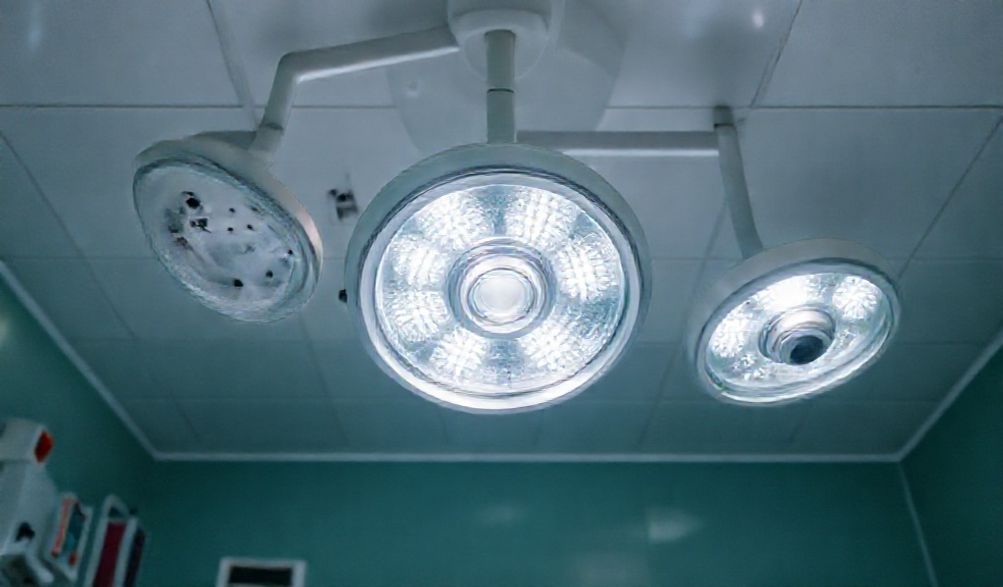
Clinical Lighting in Hospitals: Enhancing Patient Outcomes & Healthcare Efficiency
In the intricate ecosystem of a modern hospital, every element is scrutinized for its contribution to patient care. While advanced imaging machines and life-saving pharmaceuticals rightly capture attention, one foundational element is often overlooked: light. clinical lighting is far more than a utility for visibility; it is a critical, non-invasive tool that bridges the gap between medical science and human-centric design. It operates on a dual front: enabling the precision required for diagnosis and surgery, while simultaneously influencing the physiological and psychological well-being of patients and the performance of staff.
This guide moves beyond basic illumination to explore the strategic role of clinical lighting as a core component of evidence-based design. We will delve into the science that informs lighting standards, examine specific applications from the operating theatre to the patient room, and provide a roadmap for implementation. Drawing on established industry guidelines from bodies like the Illuminating Engineering Society (IES) and insights from healthcare design experts, this post is an essential resource for healthcare administrators, facility managers, clinical staff, and designers committed to making informed decisions that enhance safety, efficiency, and the overall healing environment.
The Science and Standards of Clinical Lighting
Effective clinical lighting is not born from preference, but from a deep understanding of human biology and rigorous technical standards. This foundation ensures that lighting solutions are safe, effective, and capable of supporting the complex functions of a healthcare facility.
Photobiological Effects: How Light Impacts Human Physiology
Light is a potent biological signal. For patients confined to a bed and staff working long, irregular shifts, the quality of light has profound implications.
- Circadian Rhythm Regulation: The human body’s internal clock, governing sleep-wake cycles, hormone release, and metabolism, is primarily synchronized by light. Exposure to bright, blue-rich light during the day promotes alertness and cognitive function. Conversely, warm, dim light in the evening supports melatonin production and restful sleep. In hospitals, where natural light access can be limited, clinical lighting systems must be designed to reinforce these natural rhythms to aid patient recovery and mitigate shift-work disorder among staff.
- Visual Acuity and Task Performance: Clinical work demands exceptional visual precision, from reading a patient’s chart to identifying subtle tissue variations during surgery. Adequate light levels (measured in lux), high color rendering (the ability to reveal true colors), and careful control of glare and shadows are non-negotiable for reducing diagnostic errors and practitioner eye strain.
- Psychological and Behavioral Impacts: Lighting directly affects mood, perception, and orientation. Harsh, flickering, or poorly distributed light can increase anxiety, disorientation, and agitation in patients—a critical concern in geriatric or psychiatric units. Thoughtfully designed clinical lighting can create a calming, reassuring atmosphere, improve wayfinding, and contribute to a overall sense of well-being.
Key Lighting Standards and Guidelines (IESNA, IEC)
To translate this science into practice, the industry relies on comprehensive standards. Adherence to these is a primary benchmark for safety, quality, and efficacy.
- IES RP-29-20: Lighting for Healthcare Facilities: Published by the Illuminating Engineering Society, this Recommended Practice is the definitive guide for clinical lighting in North America. RP-29-20 provides detailed illuminance recommendations for over 50 specific healthcare spaces, from general wards to catheterization labs. It covers not just light levels, but also criteria for color rendering, glare control, and surface reflectances. Following this guideline is considered a best practice in healthcare design.
- International Electrotechnical Commission (IEC) Standards: In areas containing sensitive medical electrical equipment, such as operating rooms and ICUs, IEC standards (particularly the 60601 series) are paramount. They specify requirements for electromagnetic compatibility (EMC) to ensure that lighting fixtures do not cause interference with life-support and monitoring devices. Fixtures certified for medical use are essential in these environments.
Core Clinical Lighting Applications & Requirements
The “one-size-fits-all” approach has no place in hospital lighting. Each area presents unique challenges that demand tailored clinical lighting solutions.
General Ward and Patient Room Lighting
The patient room must be a versatile space for rest, examination, and family visits. A layered lighting strategy is key:
* Ambient/General Lighting: Provides uniform, shadow-free base illumination, typically with indirect or shielded direct fixtures to minimize glare for bedridden patients.
* Patient-Controllable Lighting: Bedside luminaires with dimming and multiple light level presets empower patients, giving them a sense of autonomy and control—a factor linked to improved satisfaction and perceived pain.
* Examination Lighting: A dedicated, high-output (often > 1000 lux) fixture with excellent color rendering (CRI >90) is required for physical assessments. It should be positioned to avoid casting shadows on the patient.
* Night Lighting: Safe, low-level (≤ 5 lux) pathway lighting, often integrated into toe-kicks or wall bases, allows for nighttime navigation by patients and staff without disrupting sleep.
Surgical and Procedure Lighting (Operating Theatres)
Here, clinical lighting reaches its most technically demanding form. Surgical luminaires must provide:
* High, Shadow-Reduced Illumination: Delivering intense, focused light (often 40,000 to 160,000 lux) deep into cavities, with multiple light sources to minimize the shadows cast by surgeons’ heads and hands.
* Exceptional Color Rendering (CRI >90): Accurate color discrimination is vital for differentiating between tissues, arteries, and organs.
* Sterility and Integration: Fixtures must be seamlessly cleanable and designed to maintain sterile fields. They are often integrated with camera systems and building management systems for presets and control.
Diagnostic and Examination Area Lighting
Specialized suites require specialized light:
* Radiology Reading Rooms: Low-ambient, bias lighting is used to reduce eye fatigue and optimize the perception of images on high-luminance monitors.
* Dermatology & Ophthalmology: These areas rely on highly specific exam lights (e.g., slit lamps, transilluminators) with precise beam characteristics and color temperatures to reveal skin and eye conditions accurately.
* General Exam Rooms: Consistent, high-CRI lighting at the exam table is crucial for accurate visual assessment of skin tone, rashes, and wounds.
Staff Areas and Circadian Support Lighting
Supporting the healthcare team is critical for 24/7 operations. Lighting in nursing stations, corridors, and break rooms should be designed to promote alertness during shifts, with the ability to transition to warmer, dimmer settings during night hours to support circadian health and reduce fatigue.
Implementing an Effective Clinical Lighting Strategy
Moving from theory to a successful installation requires a methodical, stakeholder-driven approach that showcases true expertise and experience.
The Planning and Assessment Phase
The foundation of any project is a thorough assessment.
1. Conduct a Needs Analysis: Engage directly with clinical stakeholders—nurses, surgeons, facility engineers, and infection control specialists. Understand their workflows, pain points with current lighting, and specific task requirements.
2. Audit Existing Conditions: Document current light levels, energy consumption, fixture conditions, and control systems. This baseline data is crucial for measuring the success of the upgrade.
Technology Selection: LED, Tunable White, and Controls
Modern technology offers unprecedented control and efficiency.
* LED Technology: The cornerstone of modern clinical lighting. Benefits include superior energy efficiency (often 50-70% savings over fluorescent), long lifespan reducing maintenance, minimal radiant heat (critical in patient areas), and excellent optical control.
* Human-Centric Lighting (HCL) & Tunable White: These systems allow the color temperature and intensity of the light to be programmed throughout the day, mimicking the natural daylight cycle. This is a powerful tool for supporting circadian rhythms in patient rooms, dementia care units, and staff areas.
* Layered Lighting Controls: Simple on/off switches are inadequate. A robust control system should include dimming, zoning, time-based scheduling, and scene presets (e.g., “Exam,” “Night,” “Visiting”). Wireless and networked systems offer flexibility for future reconfiguration.
Installation, Maintenance, and Staff Training
Implementation is as important as specification.
* Phased Installation: In occupied facilities, work must be meticulously planned to minimize disruption to clinical operations, often occurring in phases or during off-hours.
* Proactive Maintenance: Establish a schedule for cleaning lenses, checking controls, and replacing drivers/fixtures as needed to ensure consistent performance and safety.
* Comprehensive Staff Training: Clinical staff must understand how to use the new controls effectively. Simple, intuitive interfaces and clear training sessions are essential for user adoption and realizing the full benefits of the system.
The Tangible Benefits of Optimized Clinical Lighting
Investing in a strategic clinical lighting system yields measurable returns across multiple dimensions of hospital performance.
Enhanced Patient Safety and Recovery
- Reduced Fall Risk: Properly illuminated pathways and rooms, especially at night, are a key factor in fall prevention.
- Improved Sleep & Shorter LOS: Circadian-supportive lighting can normalize sleep patterns, a critical component of healing. Studies suggest this may contribute to reduced patient agitation and potentially shorter average lengths of stay.
- Calmer Environment: A well-lit, non-institutional environment reduces stress and anxiety, promoting a psychological state conducive to healing.
Improved Clinical Accuracy and Staff Performance
- Reduced Diagnostic Error: High-CRI, appropriate task lighting enables more accurate visual assessments of wounds, skin conditions, and patient status.
- Decreased Eye Strain and Fatigue: Properly designed lighting reduces visual discomfort for staff performing prolonged, detailed tasks.
- Boosted Alertness and Satisfaction: Circadian-aware lighting in staff areas can improve mood, alertness during night shifts, and overall job satisfaction, potentially impacting retention.
Operational Efficiency and Sustainability
- Significant Energy Savings: A full retrofit to LED with controls typically cuts lighting energy use by more than half, translating into substantial operational cost reductions.
- Lower Maintenance Costs: The long lifespan of LEDs drastically reduces the labor and material costs associated with lamp replacements.
- Sustainability Leadership: Reducing energy consumption directly lowers the hospital’s carbon footprint, supporting institutional sustainability goals and community leadership.
Frequently Asked Questions (FAQ) About Hospital Lighting
Q1: What is the most important factor when choosing lights for a patient room?
A: Patient control and flexibility. A layered system allowing for bright examination light, adjustable ambient light, and a safe night light is crucial for both clinical function and patient comfort and autonomy.
Q2: Are “tunable white” or circadian lighting systems worth the investment in a hospital?
A: A growing body of research suggests yes, particularly for long-term care, psychiatric units, and areas staffed 24/7. The benefits for regulating patient sleep/wake cycles and supporting staff circadian health can lead to better outcomes and potentially offset costs over time through improved efficiency and well-being.
Q3: How does clinical lighting differ from standard commercial lighting?
A: Clinical lighting is governed by stricter standards for intensity, color accuracy, uniformity, and glare control. It must support life-critical tasks, be meticulously cleanable, and often integrate with complex medical equipment, going far beyond the general illumination needs of a commercial space.
Q4: Can upgrading to LED lighting interfere with sensitive medical equipment?
A: High-quality, medically-certified LED fixtures are designed to have negligible electromagnetic interference (EMI). It is essential to select products tested and certified for use in medical environments (e.g., complying with IEC 60601-1-2) and to consult with both the lighting provider and biomedical engineering team during specification.
Conclusion
Clinical lighting has evolved from a basic utility to a sophisticated, evidence-based instrument of care. It is a critical factor that directly influences patient safety and recovery, enhances the accuracy and well-being of healthcare professionals, and drives operational efficiency. A successful strategy is not merely about selecting fixtures, but about embracing a holistic process grounded in scientific standards, informed by the voices of clinical stakeholders, and enabled by appropriate, intelligent technology.
As healthcare continues to advance, lighting will increasingly be seen not as a static building system, but as an integral, dynamic component of the healing environment—intelligent, responsive, and fundamentally human-centric. For any organization embarking on a new build or renovation, the first step is to consult with lighting design specialists who possess deep experience in healthcare and to make the IESNA RP-29-20 guideline a cornerstone of the project’s specifications.
p>