
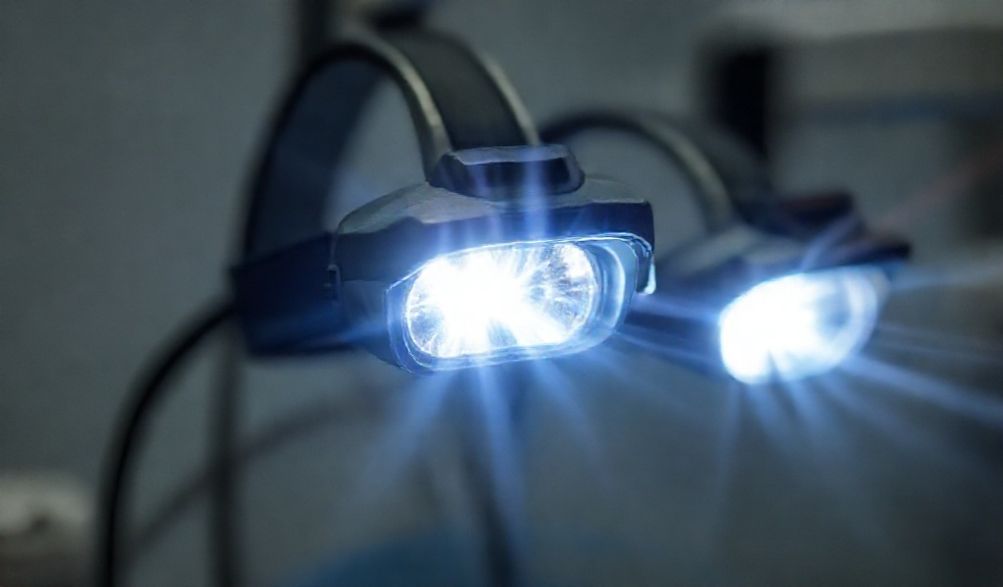
The Ultimate Guide to Dental Headlamps LED: Enhancing Precision, Comfort & Patient Care
Introduction
Every dentist, from the seasoned specialist to the eager student, knows the feeling. You lean in, instrument poised, only to find the critical field obscured—not by saliva or blood, but by the shadow of your own hand or the patient’s cheek. The overhead light, no matter how advanced, seems to conspire against you, creating a chiaroscuro of light and dark in the very space where absolute clarity is non-negotiable. What if the key to overcoming this universal challenge wasn’t a newer drill or a sharper scaler, but something far more fundamental: your light source itself?
This is the paradigm shift brought about by modern dental headlamps LED. Moving beyond the static, shadow-prone illumination of traditional overheads, these wearable systems place brilliant, focused light exactly where your eyes are looking. This guide is built on a synthesis of current dental technology research, detailed manufacturer specifications, and the practical feedback of clinicians in the field. Our goal is to demystify LED headlamp technology, providing you with the knowledge to evaluate key features, understand their clinical impact, and make a confident investment that will enhance your precision, your physical comfort, and ultimately, the standard of care you provide.
Why LED Headlamps Are a Revolution in Dental Illumination
For decades, the operatory light was the unchallenged king of dental illumination. Yet, its inherent limitations have always been a silent compromise in clinical practice.
The Limitations of Traditional Overhead Lights
- The Shadow Problem: The most significant drawback. The light source is fixed above and behind the clinician. Any object—your head, hands, or the patient’s anatomy—placed between the light and the treatment site casts a deep, obstructive shadow. This forces constant, awkward repositioning of the patient, the light, or yourself.
- Limited Adjustability: While articulating, overhead lights offer a broad wash of light, not a precise beam. They illuminate the entire mouth, not the specific tooth surface, restoration margin, or canal orifice you are focused on.
- Patient Discomfort: The broad, intense glare from a traditional operatory light often shines directly into the patient’s eyes, causing discomfort, squinting, and a less-than-relaxed experience.
Core Advantages of LED Technology for Dentistry
LED (Light Emitting Diode) technology isn’t just a brighter bulb; it represents a fundamental upgrade in the quality and application of light for dentistry.
- Superior Color Rendering Index (CRI): This is a critical, often overlooked metric. CRI measures a light source’s ability to reveal the true colors of an object compared to natural light. High-CRI dental headlamps LED (often 90+ on a scale of 100) provide exceptional color accuracy. This is paramount for accurately diagnosing tissue health, differentiating between caries and healthy dentin, and, most notably, achieving perfect shade matching for composite restorations and veneers. Under poor light, a match in the operatory can become a mismatch in natural sunlight.
- Cool, Focused Light: Unlike their halogen predecessors, which wasted significant energy as heat, LEDs emit minimal infrared radiation. The light you project onto the oral tissues is remarkably cool, enhancing patient comfort during long procedures. This focused “cold light” also reduces thermal stress on the tooth structure itself and prevents the practitioner from feeling a hot spot on their forehead.
- Energy Efficiency & Longevity: LED systems are incredibly energy-efficient, drawing far less power from their battery packs. More importantly, LED bulbs boast lifespans measured in tens of thousands of hours—often 50,000 hours or more. This translates to a decade or more of clinical use without a bulb change, eliminating downtime and the recurring cost of replacement bulbs common in older systems.
Key Features to Evaluate When Choosing a Dental LED Headlamp
Not all dental headlamps LED are created equal. Understanding these core specifications will help you find the perfect tool for your specific needs.
Optical Performance Metrics
- Lux & Lumen Output: Don’t be confused by technical terms. Think of Lumens as the total amount of light emitted from the source. Lux is what matters most clinically: it’s the amount of light (lumens) falling on a specific area (square meter). A headlamp might have high lumens, but if the beam is broad and diffuse, the lux (the intensity on your prep) may be low. For detailed procedures like endodontics or Class II composites, look for systems offering 20,000 to 100,000+ Lux at a standard working distance. Hygiene and general exams may require less intense, broader coverage.
- Spot Size & Beam Focus: This determines your field of view. A small, focused “spot” beam (e.g., 40mm at 400mm) provides intense illumination for deep, narrow cavities (ideal for endo). A larger “flood” beam illuminates a broader area, useful for hygiene or full-arch visualization. Many premium models offer adjustable focus, allowing you to zoom from spot to flood seamlessly.
- Color Temperature: Measured in Kelvins (K), this describes the “warmth” or “coolness” of the white light. Cool white light (5000K-6000K) appears brighter and increases contrast, excellent for detecting cracks, margins, and calculus. Warm white light (4000K-4500K) is easier on the eyes over long periods and can be more comfortable for patients. Some advanced systems allow you to adjust the color temperature.
Ergonomics & Wearability
You’ll wear this for hours; comfort is non-negotiable.
- Weight and Balance: Total weight is important, but balance is crucial. A well-designed headlamp distributes weight evenly between the front and back of the head. A heavy, forward-heavy light will cause neck strain. Aim for systems under 150 grams for all-day comfort.
- Headband vs. Loupe-Mounted Systems:
- Headband Systems: Versatile and often more affordable. They work with or without loupes and allow independent adjustment of light and magnification. Ideal for those who don’t always use loupes.
- Loupe-Mounted Systems: The light is integrated directly onto your loupes. The key advantage is parfocality—the light beam is perfectly aligned with your line of sight at all times, with no need for separate adjustment. This is the gold standard for ergonomics and efficiency for full-time loupe users.
- Battery Systems: Freedom from a wall outlet is a major benefit.
- Belt-Pack Batteries: A small battery pack clips to your waist. It keeps weight off your head but adds a cable.
- Rear-Battery Packs: A compact battery integrates into the rear of the headband, offering excellent balance and cable-free use.
- Cable-Free/All-in-One: The light, battery, and controls are all contained in a single unit on the headband. Maximum freedom of movement.
Consider battery life (4+ hours on a high setting is standard) and charging convenience (quick-charge docks are a major plus).
Durability & Hygiene
A headlamp is an investment that must withstand the clinical environment.
- IP Rating (Ingress Protection): This international standard rates protection against solids and liquids. For dentistry, look for a minimum of IP24 (protected from dust and splashing water). A rating of IP54 or higher offers better protection against dust and water jets, allowing for more robust cleaning and disinfection between patients.
- Build Quality & Warranty: Examine the materials. Metal housings and fiber optic cables are generally more durable than all-plastic constructions. A strong manufacturer’s warranty (2-3 years is good) signals confidence in the product’s longevity and protects your investment.
Practical Applications: Matching the Headlamp to the Procedure
Different specialties have different illumination priorities.
For the Restorative Dentist & Surgeon
Primary Needs: High intensity (Lux), excellent CRI, and adjustable focus.
You need to see the true color of dentin, enamel, and composite. You need intense, shadow-free light on a Class II prep box and the precise margin of a crown preparation. A focus-adjustable beam that can switch from a broad view of the quadrant to a pinpoint on a margin is incredibly valuable.
For the Hygienist & Periodontist
Primary Needs: Comfort, good peripheral light, and effective contrast.
You’re looking at broad surfaces for detection and performing procedures that benefit from contrast. A lighter headlamp with a slightly warmer, broader beam is ideal for all-day wear. Good light helps reveal subgingival calculus and the subtle texture of plaque.
For the Endodontist
Primary Needs: Extreme intensity and a very focused spot size.
Illuminating the depths of a pulp chamber and locating calcified canals requires the most intense, concentrated beam possible. Endodontists often benefit from headlamps with the highest Lux ratings and the narrowest, most adjustable spot sizes to penetrate deep into the tooth.
Implementing Your LED Headlamp: Best Practices for Safety & Performance
Buying a great tool is only the first step; using it correctly is key.
Proper Adjustment and Positioning
- Align with Visual Axis: Whether headband or loupe-mounted, the goal is to have the center of the light beam coincide exactly with the center of your field of view.
- Test on a Target: Place a mirror or a piece of paper at your typical working distance. Look at a specific point and adjust the light until the brightest spot is centered on that point without you having to move your head.
- Avoid Glare for the Patient: Always angle the beam so it does not shine directly into the patient’s eyes. Use a dental mirror to indirect the light when working on maxillary anteriors.
Maintenance and Cleaning Protocol
- Daily: Wipe down all non-sterilizable surfaces (headband, battery pack, housing) with an EPA-approved disinfectant wipe. Avoid getting moisture into ports or switches.
- Weekly/Monthly: Gently clean the fiber optic light cable tip and the lens of the light source with a soft, lint-free cloth and alcohol to maintain optimal light transmission.
- Always: Follow the manufacturer’s specific cleaning and sterilization guidelines, especially for any components that contact the patient or your gloves.
Avoiding Common Pitfalls
- Eye Fatigue: Using too high an intensity or too cool a color temperature for extended periods can cause strain. Use the minimum intensity needed for the task.
- Glare: Improper positioning can cause glare off wet tooth surfaces or mirrors. Slight angulation can eliminate this.
- Battery Management: Don’t consistently drain the battery to 0%. Partial discharges and regular use are better for lithium-ion battery longevity. Have a charging routine (e.g., charge overnight after every clinic day).
Frequently Asked Questions (FAQ) About Dental LED Headlamps
Q1: How much should I expect to invest in a high-quality dental LED headlamp?
A: You should view this as a long-term investment in your clinical capability and personal ergonomics. Entry-level or basic models may start in the mid-hundreds, while professional-grade systems with advanced features, high Lux output, and loupe integration typically range from one to several thousand dollars. The key is to balance your budget with the features that will deliver the most value for your specific practice.
Q2: Can I use my LED headlamp with dental loupes?
A: Absolutely. There are two main approaches: 1) Separate Headband Systems: These work independently and can be used with any loupes. You simply adjust the light beam to align with your line of sight. 2) Integrated Loupe-Mounted Systems: These are custom-fitted to your specific loupe frame by the manufacturer or dealer. They offer superior parfocal alignment (perfect light-to-vision coordination) and are often the preferred choice for clinicians who wear loupes constantly.
Q3: Is there a risk of eye damage from using a headlamp?
A: Modern medical-grade dental headlamps LED are designed to be safe for clinical use. The light is projected away from your eyes and onto the operative field. The primary risk comes from improper use, such as looking directly into the unfiltered end of a fiber optic cable when it is powered on. Always follow the manufacturer’s safety instructions. The light is for illuminating tissue, not for looking into.
Q4: How long do the LED bulbs and batteries typically last?
A: The LED light source itself is remarkably long-lived, often rated for 50,000 hours or more. This equates to over 20 years of typical clinical use, making it essentially a lifetime component. Rechargeable battery packs have a lifespan measured in charge cycles (often 500+ full cycles). With proper care (avoiding complete discharge and extreme heat), a battery can last 3-5 years before a noticeable reduction in capacity.
Q5: What is the single most important feature for a general practitioner?
A: While needs vary, most GPs should prioritize a combination of sufficient Lux output (for detailed restorative work) and all-day comfort. A light that is optically brilliant but too heavy or poorly balanced will be left in the drawer. Therefore, the “best” feature is the one that ensures you will use the tool consistently: a comfortable, well-balanced design with enough optical power to handle your most demanding procedures.
Conclusion
A dental headlamps LED is far more than a simple gadget; it is a foundational upgrade to your clinical armamentarium. By delivering brilliant, shadow-free, color-accurate light directly into the operative field, it elevates every aspect of your work: from the accuracy of your diagnosis to the precision of your preparations and the quality of your restorations. It is also a profound ergonomic intervention, reducing the neck and eye strain associated with constantly compensating for poor lighting.
As you consider this investment, leverage the principles of E-E-A-T (Experience, Expertise, Authoritativeness, Trustworthiness). Consult with colleagues who use different systems, read professional reviews, and, whenever possible, arrange for a hands-on demonstration. Reputable manufacturers and dealers will offer this service, as seeing the light quality and feeling the comfort firsthand is invaluable.
Ultimately, optimal illumination is a silent partner in exceptional patient care. It allows you to see more, do better, and work with greater confidence and comfort. Take a moment to critically assess your current lighting setup. That simple act is the first step toward seeing your practice—and your patients—in a whole new light.
p>