
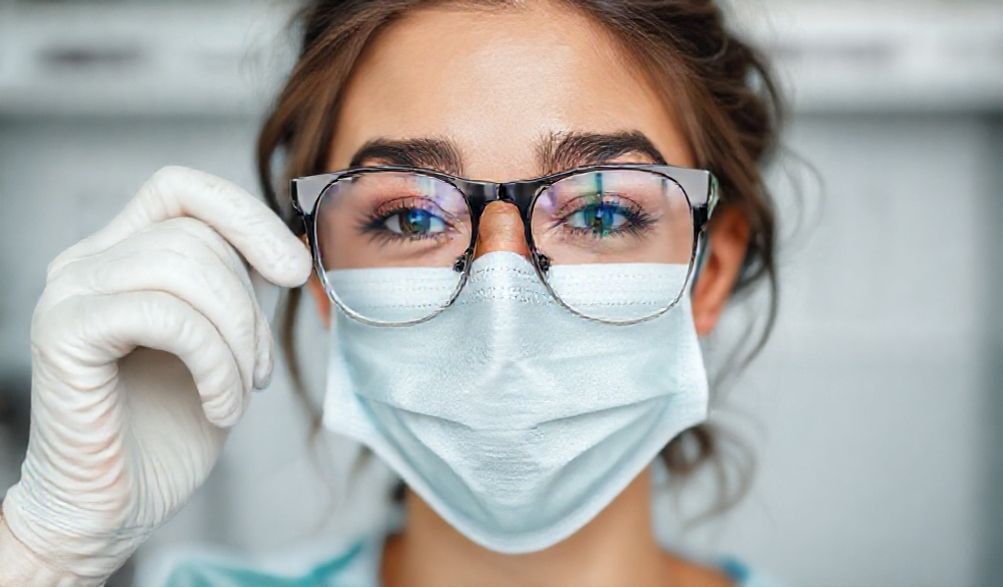
Dental Hygiene Glasses: A Clear Guide to Protecting Your Vision at Work
You’ve just finished your last prophy of the day. As you stand up from your stool, a familiar tension throbs behind your eyes. The glare from the overhead light seems burned into your vision, and you recall the moment a tiny spray of aerosolized calculus made you blink sharply. It’s just part of the job, right? Maybe not. While masks, gloves, and gowns are second nature, the critical importance of specialized eye protection is often an afterthought for many dental professionals.
Eye protection isn’t merely a box to check on an OSHA compliance list; it’s a fundamental investment in your most vital clinical tool—your vision—and the longevity of your career. “dental hygiene glasses” are not just safety glasses; they are precision-engineered eyewear designed to combat the unique cocktail of hazards present in the modern dental operatory. This clear guide, informed by occupational safety standards and clinical best practices, will walk you through everything you need to know. We’ll explore the why, the what, and the how of selecting the best dental hygiene glasses, covering key features, types, and selection criteria to ensure you see clearly and stay protected for years to come.
Why Dental Hygienists Need Specialized Eyewear
Think of your eyes as the primary sensor for every precise movement you make. From detecting subgingival calculus to noticing the subtle blush of inflamed tissue, your vision is irreplaceable. Exposing this asset to the operatory’s risks is a preventable professional hazard.
Common Ocular Hazards in the Dental Operatory
The dental environment presents a multi-faceted threat to ocular health:
- Projectile Debris: This is the most direct threat. High-speed handpieces, ultrasonic scalers, and air polishers can propel tiny, sharp projectiles like tooth fragments, old amalgam, calculus, and even broken instrument pieces directly toward your eyes.
- Chemical Splashes and Aerosols: Disinfectants, etching agents, bleaching gels, and even plaque biofilm can be splashed or aerosolized during procedures. These can cause anything from minor irritation to serious chemical burns or infections.
- Bloodborne Pathogen Exposure: The eyes are a mucous membrane, a direct portal for pathogens. A splash containing blood or saliva poses a risk for exposure to hepatitis B, hepatitis C, and other infectious agents.
- Intense Light Exposure: Modern operatories are bright. Overhead surgical lights emit intense visible light and some UV. Perhaps more concerning are dental curing lights, which emit high-intensity blue light (and sometimes UV-A) that has been linked in studies to potential retinal damage with chronic, unprotected exposure.
- Digital Eye Strain: The increasing use of intraoral cameras, digital charting monitors, and practice management software means hours focusing on screens, leading to digital eye strain characterized by dryness, blurred vision, and headaches.
The Limitations of Generic Safety Glasses
You might think the basic safety glasses from a hardware store are sufficient. Unfortunately, they fall short for dental professionals:
- Lack of Side Protection: Most generic styles lack a wraparound design, leaving your eyes vulnerable to splashes and projectiles from the sides—a common angle of exposure when seated beside a patient.
- Poor Fit Over Prescription Glasses: Wearing “over-the-glass” (OTG) safety frames over your regular glasses is often uncomfortable, creates visual distortion, and almost always leaves dangerous gaps.
- Fog-Prone and Uncomfortable: They rarely have effective anti-fog coatings. When you lean over a patient, your body heat and breath will fog lenses instantly, forcing you to remove protection to see. Their fit is also not designed for 8+ hours of wear.
- Inadequate Light Filtration: They typically offer no specific protection against the intense blue light from curing lamps or the glare from operatory lights.
Key Features to Look for in Dental Hygiene Glasses
When shopping for professional-grade protection, look for these non-negotiable features that transform basic glasses into essential clinical equipment.
Safety Standards and Certifications (ANSI Z87.1+)
This is the baseline. The ANSI Z87.1 standard (American National Standards Institute) certifies that the eyewear has passed rigorous testing for impact resistance (from high-mass and high-velocity projectiles) and splash protection. Always look for the “Z87+” or “Z87.2+” mark on the frame and lens, indicating high-velocity impact rating. This certification is your guarantee of fundamental safety.
Lens Technology: Clarity, Protection, and Comfort
The lens is where technology makes the biggest difference in your daily experience:
- Anti-Fog Coating: This is arguably the most critical feature for clinical use. A permanent, high-quality anti-fog coating prevents lens fogging when you exhale or move from a cool to warm area, ensuring an unobstructed view throughout every procedure.
- Anti-Reflective (AR) & Blue Light Filtering: An AR coating reduces glare from operatory lights and computer screens, decreasing eye strain. Some lenses incorporate a specific blue light filter to attenuate the high-energy visible light from curing lamps and digital devices.
- UV Protection: 100% UV-A and UV-B protection should be standard, shielding your eyes from both incidental sunlight and light emitted from dental equipment.
- Tint Options: While clear lenses are versatile, light amber or yellow tints can enhance contrast, making it easier to see details in the oral cavity. Grey or neutral tints are excellent for simply reducing overall glare without distorting color perception.
Design and Fit for All-Day Wear
If glasses aren’t comfortable, you won’t wear them consistently. The design ensures both safety and compliance:
- Full Wraparound Design: This provides a panoramic, gap-free seal of protection, guarding against lateral splashes and projectiles.
- Adjustable Temples and Nose Pads: Adjustable silicone nose pads and temple lengths allow you to customize the fit for your unique facial structure, preventing slippage and pressure points.
- Lightweight Materials: Frames made from flexible, lightweight materials like Grilamid or advanced polymers ensure you barely notice them during long procedures.
- Compatibility with Prescription Glasses: Look for styles specifically designed as spacious “over-glasses” models or, better yet, invest in prescription safety glasses where your corrective prescription is ground into the certified safety lens itself.
Types of Dental Hygiene Glasses
Understanding the categories will help you find the right match for your needs and budget.
Basic Protective Eyewear (Budget-Friendly)
- What they are: Simple, ANSI-certified wraparound glasses, often with a basic anti-fog coating.
- Pros: Low cost, accessible, meet safety standards.
- Cons: May lack premium comfort features, anti-fog may degrade faster, limited style/feature options.
- Best for: Students, practices on a tight budget, or as a backup pair.
Premium Anti-Fog & Anti-Reflective Glasses
- What they are: The professional standard for most practicing hygienists. They feature advanced permanent anti-fog, AR coatings, superior comfort adjustments, and durable, scratch-resistant lenses.
- Pros: Exceptional clarity and fog-free performance all day, designed for long-term comfort, better light management.
- Cons: Higher initial investment.
- Best for: Any clinical professional seeking reliable, comfortable, all-day protection.
Magnifying Loupes with Integrated Eye Protection
- What they are: Modern dental loupes are more than just magnification. Most high-quality models now come with protective, prescription-ready lenses that are ANSI-rated, combining ergonomic posture benefits with primary eye protection.
- Pros: Two essential tools in one: improved ergonomics/vision and safety. Streamlines your PPE.
- Cons: Significant investment, requires working with a loupe representative for proper fitting.
- Best for: Hygienists committed to using magnification who want an integrated safety solution.
Custom Prescription Safety Glasses
- What they are: Eyewear where your personal optical prescription is crafted into ANSI Z87.1+ certified safety lenses, housed in a comfortable, protective frame.
- Pros: The ultimate solution. Perfect vision correction with no compromise on safety, comfort, or field of view. No more struggling with two pairs of glasses.
- Cons: Requires a prescription and ordering process; can be costly.
- Best for: Any clinician who requires vision correction.
How to Choose the Right Pair for You
With the features and types in mind, follow this process to select your perfect pair.
Assessing Your Specific Clinical Environment
Ask yourself:
* Lighting: Is my operatory particularly bright? Do I frequently use a curing light?
* Procedures: Do I perform many ultrasonic scalings or air polisher treatments that generate more aerosols?
* Personal Sensitivity: Am I especially sensitive to glare or digital screen strain?
Prioritizing Your Needs: Budget vs. Features
Create a simple mental checklist:
* Must-Haves (Non-Negotiable): ANSI Z87.1+ certification, effective anti-fog coating, comfortable wraparound fit.
* Important to Have: Anti-reflective coating, UV protection, adjustable nose/temples.
* Nice to Have: Specific tint for contrast, integrated side shields, premium case.
Ensuring a Proper Fit: A Step-by-Step Guide
A proper fit is safety-critical. When trying glasses:
1. Check for Gaps: Look in a mirror. The frame should sit snugly against your brow and cheeks without large gaps, especially on the sides.
2. Test Security: Gently shake your head side to side and up and down. The glasses should stay firmly in place without bouncing or slipping.
3. Assess Comfort: The temples should not pinch behind your ears, and the nose pads should distribute weight evenly without causing pressure points after several minutes.
4. Verify Vision: Your peripheral vision should be unobstructed by the frame.
Care and Maintenance for Longevity
Protect your investment so it can protect you.
Proper Cleaning Techniques
Always use a microfiber cloth and lenses cleaner designed for coated eyewear. Avoid paper towels, tissues, or shirt sleeves, as they can scratch coatings. Rinse lenses with lukewarm water first to remove debris before wiping.
Safe Storage to Prevent Damage
Always store your glasses in a hard protective case when not in use. Never leave them lens-down on a surface. Keep them away from extreme heat (like sterilizers or car dashboards), which can degrade coatings and warp frames.
Knowing When to Replace Them
Replace your dental hygiene glasses immediately if you notice:
* Permanent Fogging: The anti-fog coating has failed and cannot be restored.
* Deep Scratches or Pitting: Scratches on the lens can scatter light, impair vision, and compromise the integrity of the safety coating.
* Frame Damage: Cracked frames, loose hinges, or stretched-out temples mean they will no longer provide a secure, protective fit.
Frequently Asked Questions (FAQ)
Q: Are dental hygiene glasses different from regular lab safety glasses?
A: Yes, they often are. While both meet impact standards, dental glasses are specifically engineered for the dental environment, with superior anti-fog properties (due to close patient proximity), enhanced protection against splashes, and features to combat glare from operatory lights. They are also designed for all-day comfort during precise, seated work.
Q: Can I get prescription lenses in dental safety glasses?
A: Absolutely. Many manufacturers offer prescription services where your corrective prescription is ground into ANSI-certified safety lenses. This is the safest and most comfortable option, far better than wearing safety glasses over your regular frames.
Q: How often should I replace my dental hygiene glasses?
A: There’s no set timeline, but replace them immediately if the lenses become scratched or pitted (impairing vision), if the anti-fog coating fails permanently, or if the frame is damaged and no longer provides a secure, gap-free fit. With proper care, a quality pair can last several years.
Q: Do I really need them if I wear a face shield?
A: Yes, they are considered primary eye protection. Face shields are secondary protection designed to guard the entire face from larger splashes but can have gaps and do not provide reliable impact protection from smaller projectiles. OSHA and CDC guidelines typically recommend primary eye protection under a face shield.
Conclusion
Investing in a high-quality pair of dental hygiene glasses is a non-negotiable investment in your personal health, career longevity, and professional standard of care. It goes beyond compliance—it’s about preserving the sharp, clear vision essential for your clinical expertise. Start by ensuring your glasses meet the fundamental ANSI Z87.1+ safety standard. Then, prioritize the features that guarantee you’ll wear them comfortably all day, every day: primarily, an unbeatable anti-fog coating and a perfect, customizable fit.
Protecting your vision is a cornerstone of professional responsibility. It allows you to provide the best possible care for your patients while actively safeguarding your own well-being, ensuring you can practice confidently and clearly for the long term. Consult with your practice’s safety officer or a trusted optical supplier specializing in dental PPE to find the perfect solution for your eyes.
p>