
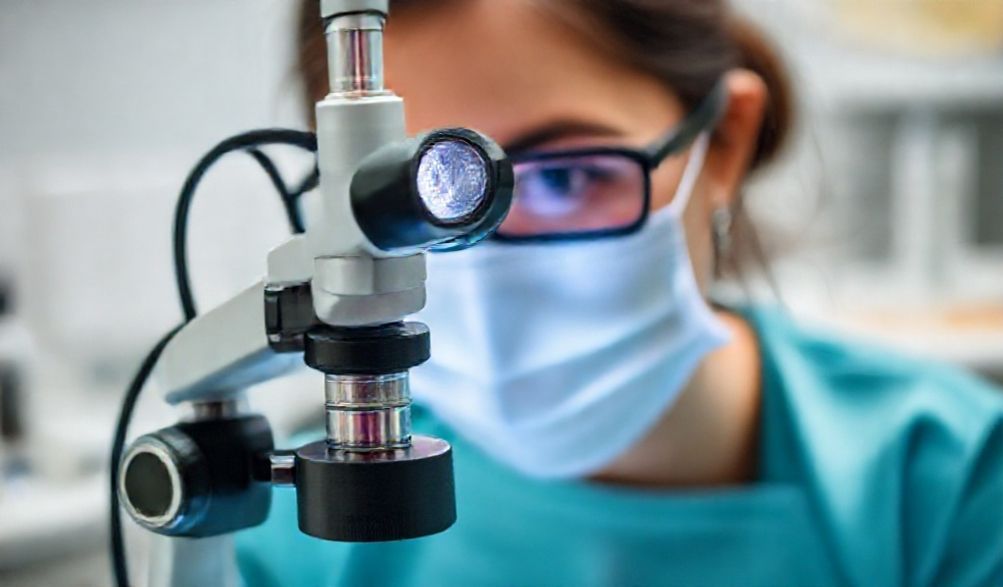
The Ultimate Guide to Dental Hygienist Loupes with Light: Enhance Precision & Reduce Strain
Picture this: It’s 3 PM on a busy clinic day. You’ve been in a sustained, forward-leaning posture for hours, your neck is a knot of tension, and your shoulders are creeping toward your ears. You’re squinting into a dark, confined oral cavity, searching for subgingival calculus or a subtle crack on an occlusal surface. The overhead light is glaring, yet it casts frustrating shadows right where you need clarity. You finish the appointment, lean back, and feel the familiar twinge in your lower back. Sound familiar?
If this scenario resonates, you’re not alone. The physical demands of dental hygiene are immense, and the toll on the body is a leading cause of career-ending pain and premature burnout. But what if your most essential clinical tool could transform this experience? What if it could bring the fine details into stunning focus, bathe your field of view in perfect, shadow-free light, and allow you to sit upright with a neutral spine?
This is the promise of dental hygienist loupes with an integrated light. They are not a mere accessory; they are a fundamental ergonomic and clinical intervention. This definitive guide is crafted from industry specifications, insights from practicing Registered Dental Hygienists (RDHs), and a deep dive into the ergonomic science behind the technology. Our goal is to cut through the marketing noise and provide you with the comprehensive, unbiased information you need to make a confident, professional investment in your health, your precision, and your career longevity. We’ve synthesized data from leading manufacturers, peer-reviewed studies on musculoskeletal health in dentistry, and the real-world experiences of hygienists to bring you this essential resource.
Why Dental Hygienists Need Loupes with Integrated Lighting
For decades, loupes were seen primarily as a tool for surgeons or restorative dentists. Today, they are increasingly recognized as non-negotiable equipment for the modern dental hygienist. The combination of magnification and coaxial lighting addresses the core physical and clinical challenges of the profession head-on.
The Ergonomic Imperative: Protecting Your Most Valuable Asset
Your ability to practice is your livelihood, and it is directly tied to the health of your musculoskeletal system. Chronic neck and back pain are occupational hazards in dental hygiene, often stemming from poor posture adopted to see better. Loupes break this cycle through two key design principles:
- Declination Angle: This is the angle at which the loupe lenses are tilted downward. A proper declination angle (typically between 25-45 degrees) allows you to keep your head and neck in a neutral, upright position while looking down into the patient’s mouth. You look through the lenses, not over them, eliminating the need to hunch forward.
- Working Distance: This is the precise distance from your eyes to the patient’s oral cavity when you are in perfect, upright posture. During a professional fitting, this is measured to customize your loupes, ensuring the focal point is exactly where your instruments need to be. This enforced optimal distance prevents you from unconsciously leaning in and compressing your spine.
By promoting a neutral posture, loupes significantly reduce the strain on the cervical spine, trapezius muscles, and lumbar region, directly combating the leading causes of work-related pain.
Beyond Magnification: The Critical Role of Shadow-Free Illumination
Magnification alone is only half the solution. Bringing a small, dark area closer only amplifies the problem of inadequate lighting. This is where the integrated coaxial light becomes a game-changer.
- Coaxial Illumination: In high-quality systems, the light path is parallel to your line of sight. This means the light shines directly where you are looking, virtually eliminating the shadows created by your head, hands, or instruments. It’s the difference between looking into a dimly lit cave and examining a specimen under a bright, focused microscope.
- Enhanced Clinical Precision: This shadow-free, bright white light (often 5500-6000 Kelvin, mimicking daylight) allows for unparalleled visualization. You can more easily:
- Detect subtle variations in tooth texture and color, revealing hidden calculus deposits, especially subgingivally.
- Identify early carious lesions (white spot lesions) and enamel microfractures.
- Assess tissue health, inflammation, and margins with greater accuracy.
- Improve the quality of intraoral photography and documentation for patient education and records.
The result is not just less eye strain and fatigue, but a tangible elevation in the standard of care you provide.
Long-Term Career Sustainability
Viewing loupes with light as an expense is a short-sighted perspective. Framed correctly, they are one of the most important investments you can make in your career sustainability. They are a proactive tool for injury prevention, designed to keep you healthy, pain-free, and clinically sharp for decades. Reducing physical strain means more energy for patient interaction, continued education, and a fulfilling professional life without the specter of chronic pain.
Key Features to Evaluate in Illuminated Loupes
Navigating the technical specifications can be daunting. Here’s a breakdown of the critical features to understand and compare.
Magnification & Field of View: Finding Your Sweet Spot
Magnification power is a balance, not a case of “more is always better.”
- 2.5x to 3.5x (Low to Mid-Range): The most popular starting point for hygienists. This range offers a significant visual boost with a wider field of view and greater depth of focus (the range of distance that remains in clear view). This makes adaptation easier and is excellent for full-mouth prophylaxis, periodontal charting, and general hygiene procedures.
- 4.0x to 5.5x+ (High Magnification): Provides extremely detailed, close-up views. Ideal for detecting minute calculus, evaluating restoration margins, or performing advanced procedures. The trade-off is a narrower field of view and shallower depth of focus, requiring more precise head and patient positioning. Often chosen by hygienists after gaining experience with lower power.
Lighting Technology: LED Types & Color Temperature
The light source is crucial for clarity and color accuracy.
- LED Types: Modern loupes almost exclusively use LEDs for their cool operation, efficiency, and long life. Look for discussions of “premium” or “xenon-like” LEDs, which aim to produce a brighter, whiter, and more uniform light field compared to standard LEDs.
- Color Temperature: Measured in Kelvins (K). A temperature of 5500K to 6000K is considered the “daylight” standard. This neutral white light provides the truest color rendition of oral tissues, blood, teeth, and restorative materials, which is critical for accurate clinical assessment.
Comfort & Fit: Frame Styles, Weight, and Adjustability
If they aren’t comfortable, you won’t wear them. Fit is paramount.
- TTL vs. Flip-Up:
- Through-The-Lens (TTL): The magnification lenses are permanently mounted in the carrier lens. They are typically lighter, more compact, and offer a consistent, aligned field of view. They require a precise, custom fitting.
- Flip-Up: The magnification barrels flip up and down on a hinge. The main advantage is versatility—you can flip them up to look at something in the room without moving your head. They can be slightly heavier and may feel bulkier. Some prefer them if they wear a different prescription.
- Frame & Fit: Look for lightweight, adjustable frames with comfortable nose pads (silicone is popular). Many companies offer various frame styles (including sport-style wraps) for a secure, personalized fit. Customization here prevents slippage and pressure points during long clinical days.
Battery Life & Charging Systems
Your light must be reliable for a full clinical day.
- Corded vs. Cordless: Cordless systems with a battery pack on your waist or clipped to your clothing offer complete freedom of movement. Modern lithium-ion batteries often provide 6-10+ hours of runtime on a single charge. Corded systems plug into a base unit and never run out of charge but tether you to a cord.
- Battery Type: Rechargeable battery packs are standard and cost-effective over time. Some systems may offer a backup option for disposable batteries in a pinch. Ensure the charging system is convenient (e.g., USB-C charging docks).
Top Brands & Models for Dental Hygienists: A Professional Comparison
Premium Performance: Designs for Vision (Orascoptic) & Zeiss
These brands are synonymous with top-tier optics and build quality.
* Designs for Vision (Orascoptic): A long-time leader known for exceptional optical clarity, lightweight designs (like the popular Orascoptic Dragonfly frame), and robust customer service. Their Lumadent lighting systems are widely integrated and praised. Investment is at the higher end, reflecting their premium positioning.
* Zeiss: The gold standard in optics worldwide. Zeiss loupes are renowned for their brilliant, distortion-free “sharpview” lenses, offering possibly the widest and flattest field of view in the industry. Their Pro Ergo system emphasizes ergonomic design. This is a top-shelf investment for those prioritizing absolute optical perfection.
Leading Value & Innovation: Q-Optics & SurgiTel
These brands are celebrated for their innovative approaches and strong value propositions.
* Q-Optics: A favorite among many hygienists for their pioneering prismatic (galilean) loupes, which are exceptionally lightweight and offer a large field of view. Their “Q-Fit” process is highly regarded. They focus intensely on ergonomics and hygienist-specific needs, often at a competitive price point.
* SurgiTel (General Scientific): Known for superb optical systems and a wide array of frame and style choices. SurgiTel emphasizes a modular approach and offers some of the most advanced LED lighting systems, like their SuperLite, known for its bright, uniform field. They provide excellent support and are a strong contender in the professional market.
Strong Contenders: SheerVision, Admetec, and Others
- SheerVision: Offers high-quality, customizable loupes with a direct-to-consumer model that can provide significant cost savings. They have a loyal following and provide a viable path for hygienists on a tighter budget who still want a custom-fitted product.
- Admetec (Heine): Known for the EinChip LED system, which integrates the LED chip directly into the optical path, creating a very compact and efficient lighting solution. Their loupes are well-regarded for German engineering and durability.
The Investment: Cost, Financing, and ROI
Understanding the Price Range ($800 – $3000+)
A complete illuminated loupe system is a significant investment. Cost is driven by:
* Optical Quality: Glass lenses, premium coatings, and advanced prismatic designs cost more.
* Lighting System: Brightness, battery technology, and light quality affect price.
* Customization: A fully custom TTL fit with prescription lenses is more involved than a standard flip-up.
* Brand & Support: Reputation, warranty length (often 2-5 years), and service infrastructure are factored in.
Financing Options and Employer Contributions
Don’t let the sticker price deter you. Explore these avenues:
* Employer Contribution: Present a professional proposal. Highlight the ROI for the practice: improved efficiency, higher-quality care (leading to better patient retention and case acceptance), and reduced risk of your work-related injury/absenteeism. Many practices offer stipends, matching programs, or installment deductions.
* HSA/FSA: Loupes with a Letter of Medical Necessity (often easy to obtain from a physician or chiropractor citing ergonomic need) are typically eligible for pre-tax Health Savings or Flexible Spending Account funds.
* Manufacturer Financing: Most major brands offer low- or no-interest payment plans to spread the cost over 12-24 months.
Calculating Your Return on Investment
The ROI extends far beyond the financial:
* Health ROI: Prevention of chronic pain, surgeries, and early career termination. Priceless.
* Clinical ROI: Increased detection rates, improved patient outcomes, and enhanced professional confidence.
* Productivity ROI: Less fatigue can translate to maintaining a high level of care throughout the day, potentially allowing for more efficient scheduling.
* Career ROI: Enables you to comfortably take on more advanced procedures (like periodontal therapy) and positions you as a cutting-edge clinician.
The Fitting Process: Why It’s Non-Negotiable
This is the single most important piece of advice in this guide: Never buy dental loupes “off the shelf” online without a professional fitting.
Never Buy “Off the Shelf”: The Role of the Certified Representative
A proper fitting by a certified company representative is essential to reap the ergonomic benefits. They take precise measurements of your Pupillary Distance (PD), Declination Angle, and Working Distance. An incorrect measurement will force you into poor posture, defeating the entire purpose and potentially causing more harm.
What to Expect During a Clinical Fitting
A good rep will schedule time with you in your operatory or a similar setting. They will:
1. Discuss your clinical routines and challenges.
2. Have you sit in your typical working position.
3. Use a fitting device to take all critical measurements.
4. Let you try demo models of different magnifications and frame styles.
5. Discuss lighting options and battery preferences.
Trial Periods and Warranties
Always ask about these policies.
* Trial Period: Some reps/manufacturers offer a 30-60 day clinical trial period. This is invaluable to ensure you adapt well and are happy with the choice in your real-world environment.
* Warranty: Understand what’s covered (e.g., optics, frame, light) and for how long. Look for warranties against manufacturing defects for at least 2-3 years.
Frequently Asked Questions (FAQ)
Q: What magnification is best for a dental hygienist just starting with loupes?
A: Most hygienists start successfully with 2.5x to 3.0x magnification. This provides a significant visual boost and a wider field of view, making the adaptation period easier while still offering substantial ergonomic benefits.
Q: Are cordless or corded lights better?
A: This is a personal preference. Cordless systems offer maximum freedom of movement and are less prone to snagging. Corded systems never run out of battery during a long day. Many modern cordless systems now offer full-day battery life, making them a popular choice.
Q: How do I convince my employer to help pay for my loupes?
A: Present it as a win-win investment. Prepare a brief proposal highlighting how loupes with light will improve your efficiency, the quality of patient care (better detection), and reduce your risk of work-related injury, leading to less absenteeism. Many practices have stipend or matching programs.
Q: Can I wear my prescription glasses with dental loupes?
A: Yes, absolutely. Most major brands offer custom loupes that incorporate your prescription (Rx) directly into the lenses. For flip-up styles, you can wear your glasses underneath. A professional fitting is crucial to integrate Rx correctly.
Q: How long does it take to get used to working with loupes?
A: Most hygienists report an adaptation period of 2-4 weeks. Start by using them for shorter periods or specific tasks like scaling. Your brain needs time to adjust to the magnification and new working distance. Persistence is key.
Conclusion
Investing in a quality pair of dental hygienist loupes with an integrated light is not merely purchasing a tool; it is making a critical decision for your long-term physical well-being and clinical excellence. It is a commitment to working smarter, seeing more, and practicing longer without pain.
The path to the right loupes begins with a single, non-negotiable step: schedule a professional fitting with a certified representative. Prioritize optical clarity and comfort over all else—this is a long-term partnership with a device you’ll use for thousands of hours. Consult with experienced colleagues about their experiences with different brands. If possible, take advantage of demo or trial programs to test them in your own operatory.
This investment is a profound statement of professionalism. It says you value the intricate art of your work, you respect the limits of your body, and you are dedicated to providing the highest standard of care. Your future self—free from chronic pain and empowered with superior vision—will thank you for taking this step.
Have specific questions about brands, magnification, or the fitting process? Share your thoughts or queries below—let’s continue the conversation to support your journey to a more ergonomic and precise practice.
p>