
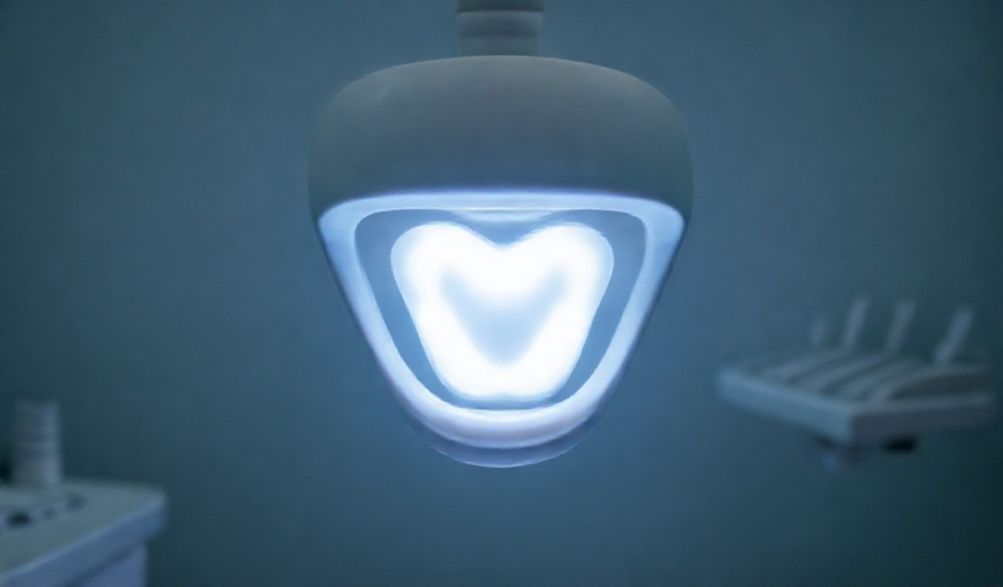
Dental LED Light: A Complete Guide to Modern Curing Technology
If you’ve ever had a dental filling, sealant, or veneer, you’ve experienced a moment of modern dental alchemy. After your dentist places a soft, putty-like material, they bring over a wand that emits a brilliant, otherworldly blue light. You might hear a soft beep or feel a gentle warmth. In seconds, that malleable material transforms into a hard, durable part of your tooth. This isn’t magic—it’s science, powered by one of the most critical tools in contemporary dentistry: the dental LED curing light.
This device is the unsung hero behind strong, long-lasting, and aesthetically pleasing dental restorations. For patients, it’s a brief flash of blue. For dental professionals, it’s a sophisticated piece of technology that demands precision and understanding. This guide serves as a comprehensive, expert-informed resource for both audiences. We’ll demystify what a dental LED light is, explore its significant benefits, outline what makes a great device, and share best practices for its use. The information here is grounded in dental material science principles and industry best practices, aiming to educate and empower your understanding of this foundational technology.
What is a Dental LED Light? Defining the Technology
At its core, a dental LED curing light is a high-tech wand designed for one primary purpose: to harden light-activated dental materials with remarkable speed and precision. It’s a standard fixture in every dental operatory, essential for procedures involving composites (tooth-colored fillings), cements, sealants, orthodontic adhesives, and more.
The Core Function: Photopolymerization Explained Simply
The process is called photopolymerization. Here’s a simple breakdown:
1. The Material: Your dentist uses a special resin material filled with microscopic particles and, crucially, a chemical called a photoinitiator (most commonly, camphorquinone).
2. The Trigger: This photoinitiator is specifically designed to be activated by a certain wavelength of blue light, typically around 460-480 nanometers (nm).
3. The Reaction: When the LED light emits this precise blue wavelength, the photoinitiator molecules absorb the energy and become “excited.” This excitement kicks off a rapid chain reaction, linking all the individual resin molecules together into a single, solid, cross-linked polymer network.
4. The Result: What was once a soft paste becomes a hard, durable, and functional restoration—all in a matter of seconds.
From UV to LED: The Evolution of Curing Lights
The journey to today’s LED lights is a story of progress:
* First-Generation UV Lights: The original curing lights used ultraviolet (UV) light. They were slow, had a limited cure depth, and raised safety concerns due to potential tissue damage from UV exposure.
* Halogen Lights: These became the workhorse for decades, using a bright halogen bulb to produce a broad spectrum of light, including the necessary blue wavelengths. However, they had major drawbacks: they generated intense heat (risking pulp irritation), had short bulb lifespans, and required noisy cooling fans.
* Modern LED Lights: Light-Emitting Diode (LED) technology revolutionized the field. LEDs produce light in a very narrow, targeted spectrum that perfectly matches the absorption peak of common photoinitiators. This makes them incredibly efficient, cool-running, and long-lasting. They are now the unequivocal standard of care.
Key Components of a Dental LED Curing Unit
Understanding the parts helps demystify the tool:
* LED Emitter: The heart of the device. This solid-state semiconductor chip produces the specific blue light without the excess heat or unnecessary wavelengths of its predecessors.
* Light Guide Tip: The removable, often curved, wand that delivers the light to the tooth. Tips come in various diameters (from wide for broad coverage to narrow for hard-to-reach spots) and are made of fiber optics or liquid-filled cables.
* Cooling System: Modern LEDs generate minimal heat, but higher-powered units may have passive heat sinks or quiet fans to maintain performance and comfort.
* Control Interface & Settings: This includes buttons or a touchscreen to select curing time, light intensity (measured in mW/cm²), and specialized modes (like ramp or pulse curing). A timer and audible completion signal are standard.
Top Benefits of Using LED Curing Lights in Dentistry
The shift to LED technology wasn’t just an upgrade; it was a leap forward that benefits everyone in the dental chair.
Superior Cure Depth and Restoration Strength
Incomplete curing leads to a weak, unstable restoration prone to fracture, discoloration, and microleakage (bacteria sneaking in at the edges). High-intensity LED lights deliver a powerful, consistent dose of energy, ensuring the resin cures thoroughly—even in deeper layers. This translates directly to:
* Increased longevity for fillings, crowns, and veneers.
* Better bond strength between the restoration and the natural tooth structure.
* Improved physical properties, like wear resistance and color stability.
Enhanced Patient Comfort and Safety
This is where patients feel the difference most tangibly.
* Reduced Heat: Halogen lights could get uncomfortably hot on the tooth. LEDs emit significantly less heat, minimizing the risk of thermal shock or irritation to the sensitive tooth pulp.
* Faster Curing: Many materials now cure in 10-20 seconds with an LED, compared to 40+ seconds with older technology. This means less time with your mouth open and shorter overall appointment times.
* No Harmful UV Radiation: LEDs use visible blue light, eliminating the health concerns associated with prolonged UV exposure for both patients and dental staff.
Efficiency and Cost-Effectiveness for the Dental Practice
For dental professionals, LEDs are a smart investment.
* Extreme Longevity: An LED chip can last for thousands of hours of use, often outlasting the device itself. This eliminates the frequent and costly bulb replacements needed with halogen lights.
* Low Energy Use: LEDs are highly energy-efficient, consuming a fraction of the power of halogen units.
* Reliability & Reduced Downtime: Their solid-state design makes them more durable and less prone to failure than lights with fragile filaments or complex filter systems. This reliability supports practice sustainability and provides an excellent return on investment.
Key Features to Look for in a Dental LED Curing Light
Not all curing lights are created equal. Whether you’re a dentist purchasing equipment or a patient curious about your care, these are the critical specs and features that define performance.
Light Intensity (mW/cm²) and Why It Matters
Irradiance (light intensity delivered to the surface) is the engine of curing. It’s measured in milliwatts per square centimeter (mW/cm²).
* Why it Matters: Higher irradiance delivers more photons to the resin, enabling deeper cure and/or faster curing times. For most modern composite resins, a minimum of 1000 mW/cm² is recommended. High-power lights can range from 1200 to over 3000 mW/cm², which is essential for curing through thicker increments or under indirect restorations.
* The Caveat: Intensity can degrade over time or if the light guide is damaged. This is why regular calibration with a device called a radiometer is a crucial part of maintenance.
Wavelength Spectrum (nm) and Compatibility
The light must “speak the language” of the resin.
* The Standard Range: Most dental resins are formulated to be cured by blue light in the 460-480 nm range, which matches the absorption of camphorquinone.
* Polywave/Plaid Lights: A significant advancement is the “polywave” LED, which emits a second, lower wavelength (typically violet light around 410 nm). This activates alternative photoinitiators used in some bleached-shade composites, universal adhesives, and specialty materials, ensuring broader compatibility and more complete curing of a wider array of products.
Curing Modes: Standard, Ramp, and Pulse
Sophisticated lights offer different curing programs to manage the polymerization process:
* Standard Mode: A constant, high-intensity light from start to finish. Simple and effective for most situations.
* Ramp Mode: The light intensity starts low and gradually increases to its peak over a few seconds. This slow start allows the resin to flow and adapt slightly as it begins to harde, reducing polymerization shrinkage stress—a major cause of post-operative sensitivity and marginal gaps.
* Pulse Mode: The light pulses on and off in a specific sequence. This can also help control shrinkage stress and heat generation during extended curing cycles.
Ergonomics, Battery Life, and Durability
The best technology is useless if it’s awkward to use or always dead.
* Ergonomics: A lightweight, well-balanced handpiece reduces hand fatigue during a busy clinical day. The trigger should be easy to activate.
* Battery Life: Cordless LED lights offer fantastic mobility. Look for a device with a long-lasting lithium-ion battery that can cure dozens of restorations on a single charge and has a clear battery indicator.
* Durability: The device should feel robust and be able to withstand the occasional bump or drop. Quality light guides should be easy to sterilize or disinfect without degrading.
Best Practices for Using Your Dental LED Light Effectively
Owning a high-end light is only half the battle. Proper technique and maintenance are what ensure predictable, excellent clinical results.
Proper Technique: Distance, Angle, and Time
A small error in technique can lead to a significant drop in delivered light energy.
* Distance is Critical: Light intensity follows the Inverse Square Law. Doubling the distance from the tooth reduces the intensity to one-quarter. The light guide tip should be placed as close as possible to the restoration surface—ideally within 1-2 mm.
* Angle Matters: The tip should be positioned perpendicular (90 degrees) to the surface being cured. An angled approach scatters light and reduces effective irradiance.
* Time According to Instructions: Always follow the resin manufacturer’s recommended curing time, which is based on the material’s chemistry and your light’s tested output. Do not guess.
Regular Maintenance and Calibration
A curing light is a precision medical device, not a simple flashlight.
* Daily: Wipe the light guide tip with an approved disinfectant. Inspect it for cracks, crazing, or debris, which can drastically scatter and reduce light output.
* Weekly/Monthly: Use a radiometer (a small meter that measures light intensity) to check the output of your device. If the intensity has fallen below the manufacturer’s specification or your clinical requirements, the light guide may need replacing or the unit may need servicing.
* Battery Care: Follow charging protocols to maximize battery lifespan. Don’t constantly leave a cordless unit on the charger.
Ensuring Complete Curing in Challenging Scenarios
Some situations require extra attention:
* Deep Cavities: Use a incremental layering technique. Cure each 2mm layer completely before adding the next. This ensures light penetrates to the bottom of each layer.
* Under Indirect Restorations (Crowns/Bridges): Use a high-intensity light and consider a “turbo” or focused tip that concentrates the beam. Extend curing time significantly (e.g., 40-60 seconds per surface) as the light must pass through the ceramic or zirconia restoration first.
* Opaque or Dark Shades: Darker composites absorb more light, limiting penetration. Use thinner increments and consider slightly longer curing times.
Frequently Asked Questions (FAQ) About Dental LED Lights
Q: Is the blue light from a dental LED harmful to my eyes?
A: While staring directly at the intense blue light is not recommended, the brief, controlled exposure during dental work is safe for patients. As a standard safety precaution, dental professionals and patients wear protective orange-tinted eyewear. These glasses are specifically designed to block the curing blue wavelength, filtering it out and preventing any potential retinal fatigue or discomfort.
Q: How long does a dental LED curing light last?
A: The LED emitter itself has an exceptionally long lifespan, often rated for 10,000 hours or more of use—which translates to many years in a clinical setting. The overall device’s longevity (5-10 years) depends more on battery health, physical handling, and the durability of internal electronics. With proper care and maintenance, it’s a long-term investment.
Q: Can all dental resins be cured with a standard LED light?
A: The vast majority of modern dental composites, adhesives, and sealants are formulated for standard blue LED light (~460-480nm). However, some specialized materials, including certain “dual-cure” cements (which have a chemical cure backup) and some “bulk-fill” resins, may have specific requirements. The golden rule is to always follow the resin manufacturer’s instructions for compatible light type and curing time.
Q: Why does my dentist use that orange shield over the light sometimes?
A: That orange attachment is often a light-curing concentrator or “turbo tip.” It acts like a lens, focusing the beam of light into a more intense, narrower spot. This is particularly useful for delivering maximum energy to a small, specific area, such as the cement under a single crown or a deep part of a cavity, ensuring a complete cure where it’s needed most.
Q: How do I know if my filling was cured properly?
A: As a patient, you trust in your dentist’s training and technology. Proper curing is a fundamental, non-negotiable step in restorative dentistry. When a trained professional uses a properly maintained, high-quality LED light with correct technique—following material instructions for time and method—the cure is highly reliable. This reliability is a cornerstone of clinical success and a standard part of all dental education and practice protocols.
Conclusion
The dental LED curing light is far more than a futuristic-looking gadget; it is a cornerstone of modern, effective, and patient-friendly dentistry. This technology has evolved from a slow, hot, and uncertain process into a precise, rapid, and reliable science. It empowers dentists to create stronger, more durable, and aesthetically superior restorations that can last for years.
For patients, the presence of this technology is a reassuring sign of a practice committed to quality, comfort, and contemporary standards of care. The reduced chair time, minimal heat, and superior results directly enhance your dental experience.
For dental professionals, mastering this essential tool—through understanding its features, adhering to best practices, and committing to regular maintenance—is critical for ensuring optimal clinical outcomes. It represents a direct investment in the longevity of your work and the satisfaction of your patients.
As material science continues to advance, so too will curing technology. From polywave LEDs to smarter, feedback-driven devices, the future promises even greater precision, integration, and predictability. For now, the humble blue LED light remains an indispensable hero in the daily mission to create healthy, beautiful, and lasting smiles.
p>