
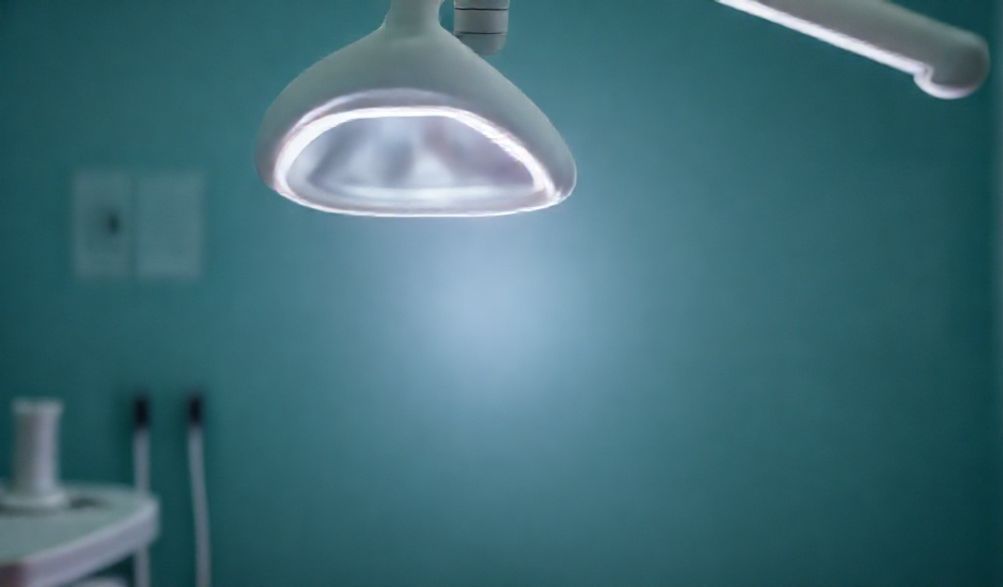
The Ultimate Guide to Dental Lights: Illuminating Modern Dentistry for Better Patient Care
Introduction
In the precise world of dentistry, visibility is everything. The humble dental light, often overlooked by patients, is a cornerstone of clinical success. It is far more than a simple lamp; it is a sophisticated optical instrument that directly impacts diagnostic accuracy, procedural efficiency, ergonomics, and ultimately, patient outcomes. From the warm glow of an incandescent bulb to the brilliant, shadow-minimizing beam of today’s advanced LED systems, dental lighting technology has undergone a revolutionary transformation.
This evolution reflects a deeper understanding of how light quality influences clinical performance. The right dental operatory light empowers clinicians to detect the subtlest pathology, execute procedures with micron-level precision, and work comfortably for longer periods. Conversely, poor lighting can lead to missed diagnoses, procedural errors, and accelerated clinician fatigue.
This comprehensive guide will illuminate the critical role of the dental light, exploring its technological journey, decoding the key specifications that matter, and providing a clear framework for selection. Whether you are outfitting a new operatory or upgrading an existing one, this expert-backed resource will ensure you can make an informed investment that benefits both your team’s well-being and your patients’ standard of care.
1. The Critical Role of Illumination in Dental Procedures
1.1. Why Proper Lighting is Non-Negotiable for Dental Accuracy
The mouth is a small, dark, and highly reflective cave. Achieving clear, detailed vision within it is the first and most fundamental challenge of dentistry. A high-quality dental light is the primary tool to overcome this.
- Diagnostic Precision: Optimal lighting is the clinician’s most vital diagnostic aid. It enables the detection of early, non-cavitated caries (white spot lesions), hairline tooth cracks (craze lines), and subtle variations in soft tissue color and texture that may indicate pathology, such as oral cancer or mucosal disease. Without light that offers excellent contrast and color fidelity, these early signs can be easily missed.
- Procedure Success: There is a direct, undeniable link between illumination and clinical accuracy. Shadow-free, intensely focused light is essential for:
- Preparations: Clearly defining cavity margins and ensuring precise tooth reduction.
- Restorations: Accurately placing and contouring fillings, inlays, onlays, and crowns.
- Surgery: Visualizing surgical fields during extractions, implant placement, and periodontal procedures to protect vital structures and ensure complete debridement.
- Endodontics: Locating calcified canals and thoroughly cleaning the intricate root canal system.
- Ergonomics and Eye Strain: Clinicians spend hours focusing on a small, brightly lit field against a darker background. Inadequate or flickering dental lighting forces the eyes to constantly adjust, leading to significant strain, headaches, and fatigue. Proper illumination with even field coverage and minimal glare reduces this strain, supporting long-term occupational health and career longevity.
1.2. The Evolution of Dental Operatory Lights: From Halogen to LED
The history of the dental light mirrors advances in general lighting technology, but with a relentless focus on medical-grade performance.
- A Brief History: Early lights used simple incandescent bulbs, which were inefficient and produced excessive heat. The introduction of halogen technology was a major step forward. Halogen lights offered brighter, whiter light and were the standard for decades. However, they had significant drawbacks: they generated intense radiant heat (a discomfort for patients and clinicians), consumed substantial energy, and had bulbs that required frequent and costly replacement.
- The LED Revolution: The advent of high-power Light Emitting Diode (LED) technology fundamentally changed the landscape. LED dental lights quickly became the gold standard, and for compelling reasons:
- Cool Operation: LEDs emit very little infrared radiation, meaning the light beam is remarkably cool. This enhances patient comfort and eliminates the “hot hands” feeling for clinicians.
- Energy Efficiency: LEDs use a fraction of the electricity required by halogen lights, leading to meaningful operational cost savings.
- Longevity: An LED light engine can last 50,000 hours or more—essentially the lifetime of the device—eliminating bulb replacement costs and downtime.
- Instant On/Off & Dimming: LEDs reach full brightness instantly and can be dimmed smoothly without color shift.
- Future Trends: The future points toward smarter integration. We are beginning to see dental lights with adaptive color temperature, which can shift from a cooler light for surgery to a warmer light for patient comfort. Integration with practice management software and voice-activated positioning are also on the horizon, further streamlining the clinical workflow.
2. Key Features & Technologies in Modern Dental Lighting
Choosing a dental light requires understanding its technical language. These specifications directly translate to clinical performance.
2.1. Understanding Core Technical Specifications
- Lux and Lumen Output: This is the measure of brightness.
- Lumens measure the total amount of visible light emitted by the source.
- Lux measures how much of that light falls on a surface (lumens per square meter). This is the critical number for dentistry.
- Recommended Levels: For general dentistry, a dental light should deliver 20,000 to 40,000 lux at the typical working distance (e.g., 800mm/32 inches). Specialized lights for microsurgery or endodontics may exceed 100,000 lux for extreme focus.
- Color Temperature (Kelvin – K): This describes the “warmth” or “coolness” of the light’s appearance.
- Lower Kelvin (3000K-4000K): Appears “warm” or yellowish.
- Higher Kelvin (5000K-6500K): Appears “cool” or bluish, mimicking natural daylight.
- Clinical Ideal: A range of 4500K to 5500K is considered optimal. This daylight-balanced light provides excellent contrast, reduces eye strain, and is the standard for color-critical tasks.
- Color Rendering Index (CRI): This is arguably the most important metric after brightness. CRI measures a light source’s ability to reveal the true colors of objects compared to a natural light reference (sunlight).
- Scale: 0-100 (100 being perfect color replication).
- Clinical Necessity: A CRI of 90 or higher is essential for dentistry. It allows for accurate shade matching in cosmetic and restorative work, reliable distinction between tooth structure and composite resin, and correct identification of tissue health (e.g., differentiating between inflamed and healthy gingiva).
2.2. Essential Design and Functional Characteristics
- Shadow Reduction Technology: Shadows cast by the clinician’s head and hands are the enemy of visibility. Modern lights combat this through:
- Multiple LED Emitters: Using several small LEDs spread across a panel, rather than a single point source, creates overlapping beams that fill in shadows.
- Specialized Reflectors/Optics: Engineered lenses and reflectors shape the light beam to provide wide, even coverage that illuminates the entire oral cavity.
- Adjustability and Maneuverability: A light must go where you need it, effortlessly.
- Reach & Articulation: It should have a long reach and multiple pivot points (often 4-5 joints) to position the beam from any angle without obstructing the clinician.
- Balance & Stability: The arms should move smoothly and stay firmly in position once placed, without “droop.”
- Heat Management: Even with cool LED emitters, electronics generate heat. Effective internal heat sinks and ventilation are crucial to protect the LED lifespan and ensure the housing remains comfortable to touch.
- Infection Control: The dental light is a high-touch surface. Design features like seamless, smooth housings, lack of crevices, and optionally, antimicrobial coatings, make thorough cleaning and disinfection between patients fast and effective.
3. Choosing the Right Dental Light for Your Practice
With the technical basics covered, how do you select the perfect dental light for your specific situation?
3.1. Assessing Your Clinical Needs and Operatory Layout
- Procedure-Based Selection:
- General Dentistry/Restorative: Prioritize high CRI (95+), brightness of 30,000+ lux, and excellent shadow reduction.
- Endodontics/Oral Surgery: May require a light with a higher maximum lux setting or a focused “spot” mode for deep cavity illumination.
- Hygiene: A light with good overall illumination and easy positioning is key, though often slightly less specialized than the doctor’s primary light.
- Mounting Options:
- Ceiling-Mounted: Offers the greatest freedom of movement, unobstructed floor space, and is ideal for multi-doctor operatories or those with space constraints. Requires professional installation.
- Wall-Mounted: A good space-saving alternative to ceiling mounts, with similar range benefits.
- Chair-Mounted: Attaches directly to the dental chair. It is often more cost-effective and moves with the chair, but its range can be more limited and it may contribute to chair “clutter.”
- Integration: Ensure the light’s style and footprint complement your existing cabinetry, chair, and delivery system. Consider control integration (e.g., can the light be activated by your chair’s touchpad?).
3.2. Evaluating Cost vs. Long-Term Value
- Total Cost of Ownership (TCO): Look beyond the sticker price. An LED dental light may have a higher initial cost than a discounted halogen model, but its TCO is almost always lower. Calculate the savings from zero bulb replacements and reduced energy consumption over 5-10 years.
- Warranty and Service: A robust warranty (often 3-5 years on LEDs) is a sign of manufacturer confidence. Understand what it covers (parts, labor, light output) and the support network in your region.
- The Importance of a Trial: If possible, arrange for a demonstration unit to be installed in your operatory. Use it for a day or week on real procedures. This is the only way to truly judge its handling, light quality, and fit with your workflow.
4. Maintenance, Safety, and Optimizing Your Light’s Performance
A great dental light is a long-term investment. Proper care ensures it performs optimally for years.
4.1. Routine Care and Cleaning Protocols
- Daily Disinfection: After each patient, wipe down all touch surfaces—especially the handle and positioning arms—with an EPA-approved hospital-grade disinfectant wipe. Avoid abrasive cleaners or excessive moisture on lenses or joints. Always follow the manufacturer’s specific instructions.
- Regular Inspection: Periodically check for any reduction in brightness, a change in color tone, or physical issues like stiff joints, loose screws, or fraying cables. Early detection of problems can prevent bigger failures.
4.2. Ergonomics: Positioning for Clinician and Patient Comfort
- Optimal Positioning: The classic rule is to position the dental light as close as possible to the clinician’s line of sight. This minimizes shadows. Typically, this means placing the light above the patient’s chest or shoulder, angled down into the mouth. Avoid shining the light directly into the patient’s or clinician’s eyes.
- Patient Considerations: Before beginning a procedure, briefly direct the light toward the patient’s cheek or chin for a moment to allow their pupils to adjust, rather than shining it straight into their dark-adapted eyes. For lengthy procedures, ensure the beam is focused only on the oral cavity to minimize peripheral glare for the patient.
Frequently Asked Questions (FAQ)
Q1: What is the biggest advantage of LED dental lights over halogen?
A: LED lights offer three primary advantages: they produce significantly less heat, reducing patient discomfort and clinician hand fatigue; they are far more energy-efficient, saving on operational costs; and they have a much longer lifespan (often 50,000+ hours), eliminating frequent and costly bulb replacements.
Q2: How bright should a dental operatory light be?
A: For most general dental procedures, a brightness of 20,000 to 40,000 lux at the working distance is recommended. Specialized procedures like endodontic surgery may require even higher, focused intensity. Always refer to manufacturer specifications and consider adjustable intensity settings for versatility.
Q3: What does Color Rendering Index (CRI) mean, and why is it important?
A: CRI measures a light’s ability to reveal the true colors of objects compared to natural sunlight. A CRI of 90 or above is considered excellent for dentistry. It is crucial for accurate shade matching in cosmetic work, proper identification of tissue health, and distinguishing between different dental materials.
Q4: How often should I replace my dental light?
A: With modern LED lights, the light engine itself may last 10+ years. However, components like arms, handles, or switches may wear. There’s no set schedule—replace your light if it shows significant dimming, color inaccuracy, physical damage, or can no longer meet your clinical needs. Regular maintenance extends its life.
Q5: Are there any safety standards for dental lights?
A: Yes. Reputable manufacturers design lights to comply with international medical device and electrical safety standards (such as IEC 60601-1). Look for relevant certifications and ensure the light has proper thermal management to prevent overheating.
Conclusion
Selecting the right dental light is a critical investment in the quality, efficiency, and ergonomics of your practice. It is a decision that goes far beyond mere brightness, encompassing accurate color rendition, intelligent shadow management, and durable, clinician-friendly design. By understanding the core technologies—particularly the unparalleled benefits of modern LED systems—and carefully matching features to your specific clinical requirements, you can choose a tool that enhances every procedure you perform.
Ultimately, superior illumination is a direct and powerful contributor to superior dentistry. It empowers you and your team to work with greater precision and confidence, reduces physical strain to support long-term career health, and fosters a more professional and comfortable environment for your patients. In the detailed and demanding field of oral healthcare, the right dental operatory light doesn’t just help you see better; it is a foundational element that helps you provide consistently better care.
p>