
The Complete Guide to Dental Loupes: Enhancing Precision, Ergonomics, and Patient Care
Introduction
For dental professionals, the ability to see fine detail is not just a matter of convenience—it’s a critical component of diagnostic accuracy, procedural precision, and long-term career health. The human eye has its limits, and performing intricate work in a small, dark oral cavity pushes those limits daily. This is where dental loupes, the magnifying eyewear used by clinicians, become an indispensable tool.
Far from being a simple accessory, modern dental loupes are engineered optical systems that fundamentally improve clinical outcomes. This comprehensive guide will explore the science, selection, and significant benefits of dental loupes, drawing on established optometric principles and ergonomic research. We’ll provide evidence-based information to help dental students, hygienists, and seasoned practitioners make informed decisions to protect their posture, enhance their vision, and elevate the standard of care they provide to every patient.
1. What Are Dental Loupes and How Do They Work?
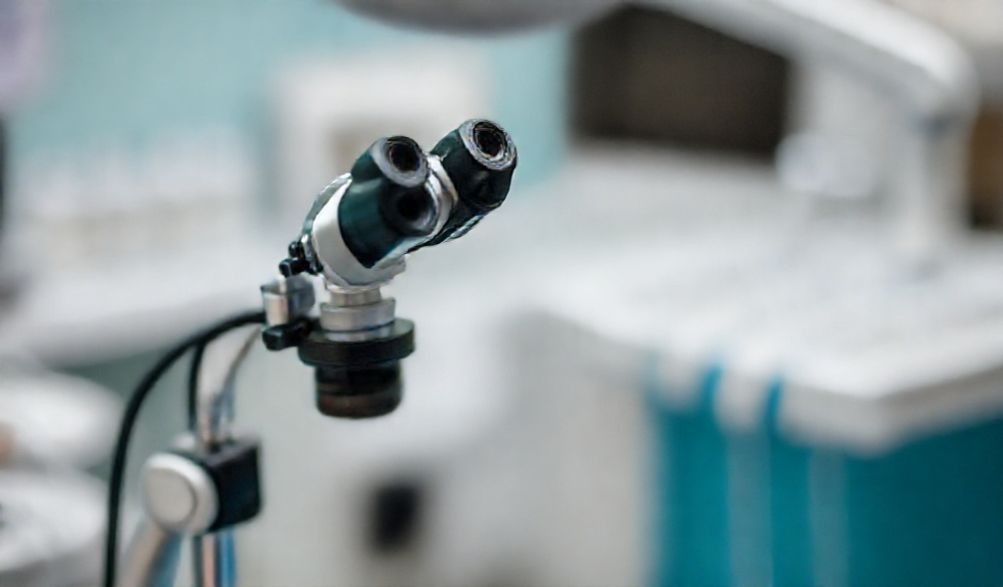
Dental loupes are magnification systems, typically mounted on eyewear or a headband, that bring fine details into clear, enlarged view. They are the bridge between the naked eye’s limitations and the microscopic precision required in modern dentistry.
1.1. The Basic Optical Principles of Magnification
At their core, loupes work by using converging lenses to bend light rays, creating a virtual image that appears larger and closer to the eye than the actual object. This process is governed by a few key optical metrics that every user should understand:
- Magnification Power: Expressed as a number followed by “x” (e.g., 2.5x, 3.5x), this indicates how many times larger an object appears. Common ranges are from 2.5x to 6x or higher for specialized procedures. A critical caveat: higher power isn’t universally better. As magnification increases, the field of view and depth of field decrease, requiring more precise head positioning and stability.
- Field of View: This is the diameter of the area you can see clearly at a given working distance. A wider field of view (common with lower magnification) provides more contextual awareness, while a narrower one (with higher magnification) offers intense focus on a specific site.
- Depth of Field: Think of this as the vertical “slice” of space that remains in sharp focus without needing to move your head forward or backward. A greater depth of field allows for some natural movement during a procedure, while a shallow depth of field requires the clinician to remain extremely still.
1.2. Core Components: Lenses, Frames, and Mounts
The performance and comfort of your dental loupes depend on the integration of several components:
- Lens Systems: There are two primary optical designs:
- Galilean Systems: Utilize two simple lenses. They are lighter, more compact, and generally less expensive. They are excellent for entry-level and lower magnification (typically up to 3.0x) needs.
- Prismatic (Keplerian) Systems: Employ multiple lenses and internal prisms to fold the light path. This design allows for higher magnification (3.5x and above) with superior optical clarity, a wider field of view, and better depth of field at that power, though they are often heavier and more costly.
- Frame Types: Options range from custom prescription-style frames to lightweight sport-style frames. The choice impacts comfort, weight distribution, and the ability to integrate with other personal protective equipment like face shields.
- Mounting Systems: This is how the magnification barrels attach to the frame.
- Through-The-Lens (TTL): The barrels are permanently fixed and optically centered based on your precise pupillary distance (PD) and working distance. They offer superior stability, less weight on the nose bridge, and a consistent view.
- Flip-Up: The magnification barrels hinge up and down, allowing you to quickly switch between magnified and normal vision. They offer flexibility, can sometimes be adjusted for different users, and allow you to keep your personal prescription glasses. They can feel front-heavy and have more moving parts that may require maintenance.
2. The Critical Benefits: Why Every Dental Professional Should Use Loupes
Investing in a quality pair of dental loupes is an investment with a multi-faceted return, impacting your clinical skill, physical health, and practice efficiency.
2.1. Enhanced Visual Acuity and Diagnostic Precision
This is the most immediate benefit. Magnification illuminates a world of detail otherwise missed. With loupes, clinicians can reliably:
* Detect early caries lesions in fissures or on smooth surfaces.
* Identify microfractures in teeth or existing restorations.
* Ensure complete calculus removal during periodontal therapy, leaving no remnants behind.
* Visualize marginal discrepancies on crown preps or finished restorations at a level that ensures a perfect seal.
This leads to more accurate diagnoses, more conservative treatment interventions, and ultimately, higher-quality, longer-lasting results for the patient.
2.2. Profound Ergonomic Advantages and Posture Protection
Perhaps the most significant long-term benefit is ergonomic. Dentistry is notoriously hard on the body, with a high prevalence of musculoskeletal disorders (MSDs) in the neck, back, and shoulders. The root cause is often chronic forward head posture—craning the neck to see into the mouth.
Loupes break this cycle. By providing clear vision at a greater distance, they force the clinician to sit upright, with their spine in a neutral position and their arms closer to their body. This proper working posture dramatically reduces strain on the cervical spine, trapezius muscles, and lower back. Studies have consistently shown that loupe users report significant reductions in neck and back pain. For a career that can span decades, this isn’t just about comfort; it’s about career longevity and sustainability.
2.3. Improved Clinical Technique and Efficiency
Precision begets efficiency. When you can see clearly, your hand movements become more confident, deliberate, and accurate. Tasks like:
* Preparing ideal crown margins.
* Performing minimally invasive caries removal.
* Placing sutures with exacting precision.
* Navigating fine canal anatomy in endodontics.
…all become more predictable and controlled. This reduces the need for re-doing steps, minimizes procedural errors, and can shorten operative times as skill adapts to the enhanced visual feedback.
2.4. Integration with Lighting: The Loupes-Light Combination
Vision is a product of both magnification and illumination. Overhead operatory lights often create shadows from the clinician’s head and hands. A coaxial LED light source, mounted directly on the loupes, solves this. It projects a bright, white, shadow-free light directly along your line of sight into the oral cavity. This combination reduces eye strain from squinting, improves color contrast (vital for distinguishing caries from healthy dentin), and further enhances the detail revealed by magnification.
3. A Step-by-Step Guide to Choosing the Right Dental Loupes
Selecting your first or next pair of loupes is a personal and clinical decision. Rushing this process can lead to discomfort, poor adoption, and wasted investment. Follow this structured approach.
3.1. Determining Your Key Specifications
Getting these measurements right is foundational.
* Working Distance: This is the most critical measurement. It’s the distance from your eye to your patient’s mouth when you are sitting in a healthy, upright posture. It is typically measured from the knuckle of your clenched fist (simulating a handpiece) to your eye. Common ranges are 14-18 inches for hygienists and 16-20 inches for dentists, but this is highly individual.
* Magnification Level: For most general practitioners, hygienists, and students, starting in the 2.5x to 3.5x range is ideal. It provides substantial visual enhancement while maintaining a forgiving field of view and depth of field. Specialists in periodontics, endodontics, or surgery may progress to 4.5x, 5.0x, or higher as their need for extreme detail increases.
* Declination Angle: This is the angle of the ocular lenses relative to the ground. A proper declination angle ensures that when you are sitting upright, you are looking straight through the centers of the lenses without tilting your head down. An incorrect angle will force you back into poor posture.
3.2. Comparing Loupes Types: TTL vs. Flip-Up
Revisiting the mounting types with a buyer’s lens:
* Through-The-Lens (TTL):
* Pros: Lighter weight, more stable (no wobble), perfectly centered optics, streamlined look.
* Cons: Custom-made, so they cannot be shared or easily adjusted later. Require a very accurate fitting.
* Best For: Clinicians who use loupes full-time and want the most integrated, stable experience.
* Flip-Up:
* Pros: Flexibility to flip up for quick conversation or to look at radiographs. Can sometimes be adjusted for a different user. Allows you to wear your own prescription glasses underneath.
* Cons: Can feel heavier on the front, may have a slight wobble, and the flip mechanism adds a point of potential failure.
* Best For: Those who want flexibility, are sharing equipment in a school setting, or have a strong preference for their own frames.
3.3. The Essential Fitting Process
Never buy dental loupes online without a professional fitting. A reputable company will have a trained representative who will:
1. Assess your natural working posture.
2. Precisely measure your interpupillary distance (PD) and working distance.
3. Have you try on demo models with different magnifications.
4. Often use a fitting device to simulate the declination angle and working distance.
5. Offer a trial period to ensure the loupes feel comfortable and provide clear vision in a clinical setting before the order is finalized.
4. Maximizing Your Investment: Care, Maintenance, and Best Practices
Your loupes are a precision optical instrument. Proper care ensures they perform optimally for years.
4.1. Daily Cleaning and Safe Storage
- Cleaning: Always use a clean, lens-specific microfiber cloth. For smudges, use a drop of lens spray (designed for coated optics) on the cloth, not directly on the lens. Gently wipe in a circular motion. Never use your lab coat, paper towels, shirt sleeves, or harsh chemicals like alcohol or window cleaner, as these can permanently damage anti-reflective coatings.
- Storage: When not in use, always place your loupes in their hard, protective case. Never leave them loose on a counter, chair, or in a drawer where they can be scratched, sat on, or knocked to the floor.
4.2. Avoiding Common Damage
- Be mindful of dropping them, even from chair height.
- Avoid extreme temperatures (e.g., don’t leave them in a hot car).
- Keep fingers off the lens surfaces to minimize oils and scratches.
- Periodically check and tighten the screws on the hinges and mounts with the provided micro-screwdriver.
4.3. Achieving Clinical Proficiency
There is a learning curve. Your brain and hands need to adapt to the new visual information.
* Start Simple: Wear your loupes for non-clinical tasks like reading, using a computer, or writing to get used to the magnification and restricted field of view.
* Practice on a Typodont: Perform basic handpiece exercises, caries removal, and restorative procedures on a model before using them on a patient.
* Be Patient: It may take a few days to a couple of weeks to feel completely natural. Start by using them for one or two simpler procedures per day and gradually increase.
Frequently Asked Questions (FAQ)
Q: Are dental loupes only for surgeons or specialists?
A: Absolutely not. Dental hygienists, general dentists, endodontists, periodontists, and students all benefit tremendously from loupes. For hygienists, they are critical for thorough calculus detection and removal while protecting posture during long procedures.
Q: What is a good starting magnification for a student or first-time user?
A: Most professionals recommend starting with 2.5x or 3.0x magnification. This provides a significant visual enhancement while maintaining a generous field of view and depth of field, making the adaptation process smoother.
Q: Can I get prescription lenses in my dental loupes?
A: Yes. Most high-quality loupe manufacturers offer frames that can be fitted with your personal optical prescription, either as separate “reader” lenses in flip-up models or as fully integrated prescription lenses in TTL models.
Q: How much should I expect to invest in a good pair of loupes?
A: A quality starter set with basic magnification and frame typically ranges from $800 to $1,500. Sets with higher magnification, premium frames, integrated LED lights, and prescription lenses can range from $2,000 to $3,500+. This is a long-term investment in your health and skill.
Q: Do loupes completely eliminate neck and back pain?
A: While loupes are the single most effective tool for promoting healthy posture, they are part of a holistic ergonomic strategy. Proper chair height, patient positioning, and taking micro-breaks are also essential. Loupes dramatically reduce the strain that leads to pain.
Conclusion
Dental loupes have evolved from a niche tool into a standard of care for the modern dental professional. They bridge the gap between human visual limitation and the extraordinary precision required in dentistry. The decision to use loupes transcends simply seeing better; it is a commitment to practicing longer, with less pain, and at a higher standard.
By understanding the optical principles, carefully selecting equipment through a professional fitting, and committing to proper use and maintenance, you integrate a tool that pays dividends in clinical outcomes, professional longevity, and personal well-being for the duration of your career. In an era where excellence and ergonomics are paramount, dental loupes are not just an option—they are an essential component of a sustainable, high-quality practice.
Disclaimer: This guide is for informational purposes based on established optical and ergonomic principles. It is not a substitute for professional advice from a licensed optometrist or a certified ergonomic consultant. Always consult with qualified representatives for fittings and address specific health concerns with your physician.
p>