
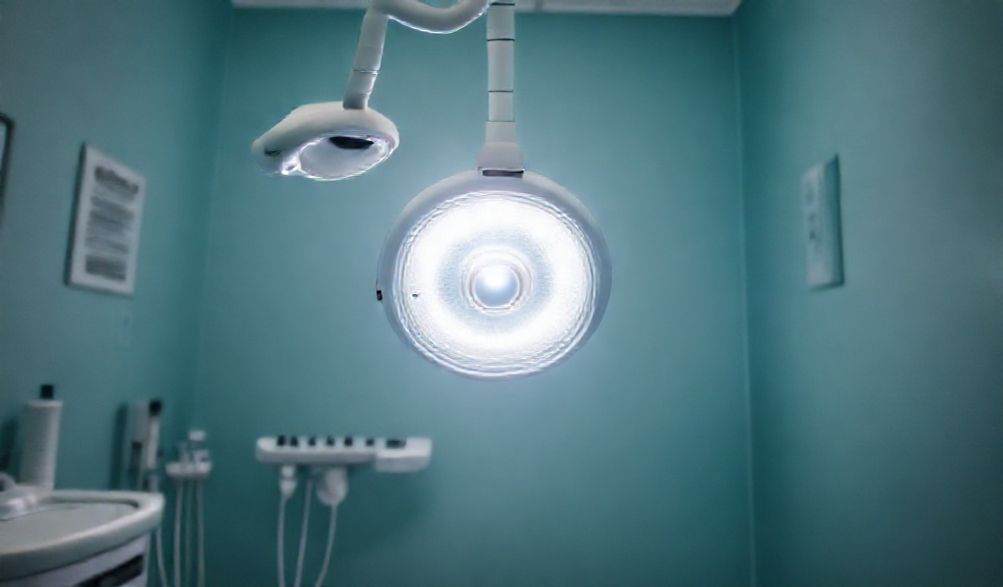
The Ultimate Guide to Dentist Lights: Illuminating the Path to Better Oral Health
You settle into the dental chair, lean back, and a familiar fixture swings into view. With a soft click, a brilliant, focused beam illuminates your mouth. It’s a universal experience, but have you ever wondered about that dentist light? Is it just a glorified flashlight, or is there more to this essential piece of dental equipment?
For most patients, the operatory light is simply the bright thing that helps the dentist see. But from a clinical perspective, it is one of the most critical tools in the practice. The quality of light directly influences diagnostic accuracy, procedural success, and even your comfort during a visit. This guide aims to demystify the dental operatory light, shedding light on the sophisticated technology, ergonomic design, and thoughtful engineering that works quietly behind the scenes to ensure you receive the best possible care.
We’ll explore why specialized lighting is non-negotiable in modern dentistry, break down the key features you should know about, and explain how this technology benefits both practitioner and patient. Whether you’re a curious patient or simply appreciate the marvels of modern medicine, understanding the dental exam light is a glimpse into the high-precision world of oral healthcare.
Why Dentist Lights Are More Than Just a Bright Idea
A dentist’s work is a feat of minute detail, performed in a small, dark, and reflective space. Imagine a watchmaker trying to assemble a tiny mechanism in a dim room. Impossible, right? The same principle applies to dentistry. The right dentist light transforms the oral cavity from a shadowy cave into a well-defined landscape, where every groove, color variation, and texture matters. It’s a foundational tool for quality care, impacting three core areas: clinical precision, patient experience, and practitioner well-being.
Clinical Precision and Diagnostic Accuracy
This is the foremost and most critical function. The human eye is remarkable, but it needs optimal conditions to detect the subtlest signs of disease.
- Caries Detection: Early-stage tooth decay (caries) often manifests as a faint white spot or subtle shadow under the enamel. shadow-free, high-definition illumination is crucial for spotting these early lesions before they become larger cavities.
- Identifying Cracks and Fractures: Hairline cracks in teeth can be invisible under poor lighting. A focused, intense beam helps dentists identify these fractures, which are important to treat to prevent pain or infection.
- Assessing Tissue Health: The gums, cheeks, and tongue must be examined for signs of inflammation, infection, or abnormal lesions. Accurate color rendering is vital here. Is that tissue a healthy pink, an inflamed red, or showing signs of something more serious? The light must reveal the truth.
- Shade Matching: For cosmetic procedures like crowns, veneers, or fillings, matching the restoration to your natural tooth color is an art and a science. This requires a light source that accurately reproduces the full spectrum of color, ensuring your new crown looks seamless in daylight, office lighting, and everywhere in between.
Without a high-quality dental operatory light, these tasks rely on guesswork. The right illumination turns diagnosis from an estimation into a science.
Enhancing Patient Comfort and Experience
Dental anxiety is real, and environmental factors play a huge role. The classic stereotype of a blinding, hot light bearing down on a patient is rooted in older technology.
- Reduced Glare and Heat: Modern LED dentist lights produce significantly less heat than their halogen predecessors. That uncomfortable “sunburn” feeling on your face is largely a thing of the past. They also manage glare better, reducing the instinct to squint or close your eyes.
- Minimized Intrusion: Ergonomic designs feature thinner arms and smaller heads. The light feels less like a massive apparatus invading your personal space and more like a precise tool. Smooth, quiet movement also contributes to a calmer atmosphere.
- Consistent Comfort: During a long procedure like a root canal or crown preparation, consistent, cool illumination helps keep the patient relaxed, making the experience more tolerable.
Ergonomics and Dentist Well-being
Dentistry is physically demanding. Practitioners often maintain static, awkward postures for extended periods. A poorly designed light exacerbates this strain.
- Reducing Physical Strain: A well-balanced, easy-to-position light allows the dentist to direct illumination exactly where it’s needed without contorting their own neck, back, or shoulders. They can maintain a healthier posture.
- Combating Eye Fatigue: Shadowy, uneven, or color-distorted light forces the eyes to work harder, leading to fatigue and headaches. A homogenous, color-accurate field of light reduces this strain, allowing the dentist to focus for longer periods without visual stress.
- Improving Longevity: By reducing physical and visual strain, a good dental exam light helps protect the dentist’s most important assets: their eyes and musculoskeletal health. This isn’t just about comfort—it’s about sustaining a long, healthy career.
Key Features to Look for in a Modern Dentist Light
So, what separates a basic light from a clinical-grade instrument? It comes down to a set of specific technical features, each designed to solve a particular challenge in the operatory.
LED Technology: The Gold Standard
Gone are the days of power-hungry, hot-running halogen or xenon bulbs. Light Emitting Diode (LED) technology is now the undisputed leader.
- Cooler Operation: LEDs convert most of their energy into light, not heat. This directly enhances patient comfort.
- Energy Efficiency: They use a fraction of the electricity of older technologies, saving the practice money and reducing its environmental footprint.
- Longevity: An LED light engine can last for 50,000 hours or more—often a decade or more of clinical use—virtually eliminating the hassle and cost of bulb replacements.
- Consistent Output: Unlike halogens that dim over time, LEDs maintain their brightness and color temperature consistently throughout their incredibly long lifespan.
Color Rendering Index (CRI) and Color Temperature
This is the science of how we perceive color under light, and it’s critical in dentistry.
- Color Rendering Index (CRI): Measured on a scale of 0-100, CRI indicates how accurately a light source reveals the true colors of an object compared to natural sunlight. For dentistry, a CRI of 90 or higher is essential. A low CRI can make a tooth look yellower or grayer than it is, leading to inaccurate shade matching for restorations or misjudging tissue health.
- Color Temperature: Measured in Kelvin (K), this describes the “feel” of the light—from warm (yellowish, ~3000K) to cool (bluish, ~6000K). Many dental operatory lights offer adjustable color temperatures. A cooler “daylight” setting (around 5500K) is ideal for procedures requiring high visual acuity and true color. A warmer setting might be used for initial exams to create a more relaxing ambiance.
Lumen Output and Field of Illumination
Brightness matters, but so does how that brightness is delivered.
- Lumen Output: Lumens measure the total quantity of visible light. Dental lights need to be intensely bright (often 20,000 to 60,000+ lux at the center of the field) to overcome shadows in the deep, confined oral cavity.
- Field Size and Homogeneity: It’s not just about a bright spot. The light must cover a broad area (the entire mouth) evenly. A “homogeneous” field has no distracting hot spots or dark edges. This even, shadow-reduced illumination is what allows the dentist to see clearly across the entire operative site without constantly repositioning the light.
Ergonomic Design and Maneuverability
If a light is difficult to position, it won’t be used optimally.
- Articulating Arms: Lightweight arms with multiple friction points or counterbalanced springs allow for smooth, single-finger positioning. They should hold their place securely without drifting.
- Infection Control: In the post-pandemic world, this is paramount. Features like seamless surfaces, autoclavable handles, or disposable protective barriers make the light easy to disinfect between patients, ensuring a safe environment.
Types of Dental Operatory Lights
Dental practices choose their lighting based on space, workflow, and budget. Here are the common configurations:
Chair-Mounted Lights
As the name suggests, these lights are attached directly to the dental chair.
- Pros: Space-efficient, as no floor or ceiling space is needed. The light moves intuitively with the chair, always maintaining a relative position to the patient’s mouth.
- Cons: The arm can sometimes interfere with the dentist’s or assistant’s movement. It also limits some positioning flexibility compared to ceiling mounts.
Ceiling-Mounted Lights
This popular option is suspended from a track or fixed mount on the ceiling.
- Pros: Frees up all floor space around the chair, eliminating any risk of bumping into a stand. Offers the greatest range of motion and positioning flexibility, easily swinging completely out of the way when not in use.
- Cons: Requires professional installation and is generally more expensive upfront. The track system must be sturdy to support the light’s weight.
Wall-Mounted and Portable Lights
These serve more specialized or supplementary roles.
- Wall-Mounted: A space-saving alternative to ceiling mounts in smaller operatories.
- Portable Lights: Often used by hygienists for exams, in surgery suites, or as an auxiliary light source. They offer ultimate flexibility but lack the hands-free convenience and power of primary operatory lights.
Maintaining Your Dental Light for Optimal Performance
A high-end dentist light is an investment. Proper maintenance ensures it performs flawlessly for years and protects that investment.
Routine Cleaning and Disinfection Protocols
Follow the manufacturer’s instructions precisely. Generally:
* Use only recommended, non-abrasive cleaners and soft cloths.
* Avoid alcohol-based solutions or harsh chemicals on lenses, as they can damage anti-glare and anti-fog coatings.
* Wipe down the entire light, including arms and handles, between each patient with an approved disinfectant.
Regular Inspection and Calibration
- Visual Check: Periodically look for signs of dimming, a noticeable color shift (yellowing or bluing), or flickering.
- Mechanical Check: Ensure all joints move smoothly and hold position. Listen for unusual noises.
- Professional Servicing: Schedule periodic check-ups with the equipment supplier or a qualified technician, just as you would for other major equipment. They can verify light output and color metrics.
Maximizing LED Lifespan
While LEDs last a long time, good practices help:
* Avoid turning the light on and off excessively during the day. It’s often better to leave it on during clinic hours.
* Ensure proper ventilation around the light head to dissipate the minimal heat it does produce.
* Handle with care—avoid banging the light head or forcing the arms.
FAQ Section
Q1: Why is the dentist light so bright? Is it harmful to my eyes?
A: The brightness is necessary to eliminate shadows and provide the detailed illumination required for precise work in a small, dark space. Modern LED dentist lights are designed to filter out harmful ultraviolet (UV) and infrared (IR) radiation. Furthermore, your dentist will always provide you with protective eyewear, which acts as an additional safeguard against any glare or incidental light exposure.
Q2: I feel heat from the light. Is that normal?
A: A very slight sense of warmth is normal, but it should be minimal. This is a key difference between old halogen lights (which got very hot) and modern LEDs. If the light feels excessively hot or uncomfortable, it’s worth mentioning to your dental team, as it could indicate a need for servicing or an older light source.
Q3: How often should a dental practice replace its operatory lights?
A: With LED technology, “burnout” is rare. The primary reasons for replacement are technological obsolescence (newer lights offer better features), mechanical failure of the arms or joints, or a desire to upgrade for improved ergonomics or infection control. A high-quality LED light can easily last 10+ years in a busy practice.
Q4: Can the light’s color affect how my dental work looks?
A: Absolutely. This is one of the most important reasons for high-CRI lighting. If a crown or filling is matched under poor, yellow-tinted light, it may look perfect in the chair but appear obviously different in natural daylight. A high-CRI dental exam light ensures restorations are matched to look natural under all lighting conditions, from your dentist’s office to a sunny day outdoors.
Conclusion
The next time you recline in a dental chair, you’ll see the dentist light for what it truly is: not a simple accessory, but a sophisticated, essential instrument. It is the silent partner in every diagnosis, the unwavering eye during complex procedures, and a significant contributor to both your comfort and the dentist’s ability to provide exceptional care.
This technology represents a practice’s commitment to precision, patient-centered comfort, and long-term clinical excellence. It’s a piece of equipment where science and ergonomics converge to illuminate the path to better oral health. Don’t hesitate to ask your dentist or hygienist about their lights on your next visit—it’s a great question that shows you’re engaged in your care and appreciate the advanced technology working for your smile.
Ready to experience care under the light of modern dentistry? Schedule your next check-up with a practice that invests in the technology designed for your comfort and health.
p>