
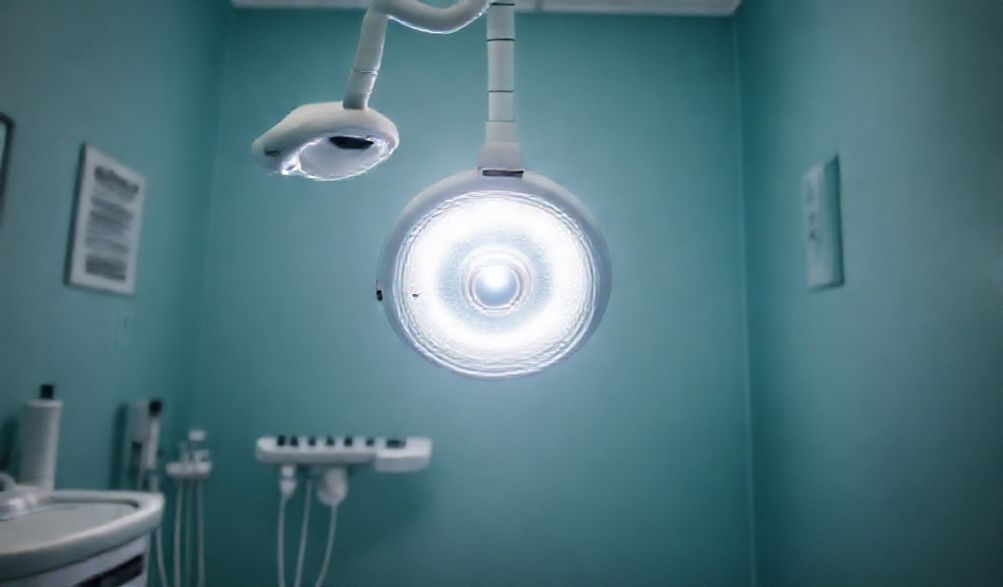
Dentist Light: A Complete Guide to Modern Dental Operatory Lighting
In the world of modern dentistry, where procedures demand micron-level precision, the tools of the trade are often discussed—the high-speed handpieces, digital scanners, and advanced imaging systems. Yet, one of the most fundamental and impactful pieces of equipment is frequently overlooked: the operatory light. A “dentist light” is far more than a simple lamp to brighten a patient’s mouth. It is a sophisticated, engineered instrument that sits at the very core of clinical excellence. Proper illumination directly dictates diagnostic accuracy, procedural success, long-term clinician health, and patient comfort. This comprehensive guide delves into the evolution, technology, and critical considerations behind dental operatory lighting. Whether you are a dental professional looking to upgrade your practice or a patient curious about the advanced environment of your care, this resource will illuminate the essential role of this pivotal tool.
The Critical Role of Proper Lighting in Dentistry
Imagine a watchmaker trying to assemble a delicate timepiece in dim, shadowy light, or an artist attempting to match a specific hue under a discolored bulb. The task becomes not just difficult, but prone to error. The same is true in dentistry. The oral cavity is a small, dark, and highly reflective space, making optimal lighting not a luxury, but an absolute necessity.
Beyond Illumination: Accuracy in Diagnosis and Treatment
The primary function of a dental light is to enable the clinician to see with absolute clarity. This visual precision is the first step in every successful dental intervention.
- Detection of Pathology: Early dental caries (cavities), micro-fractures in teeth, and subtle soft tissue abnormalities like oral cancer precursors can be nearly impossible to detect under poor lighting. A high-quality light with excellent color rendering is crucial for distinguishing between healthy enamel, demineralized areas, and stained fissures.
- Shade Matching: In restorative and cosmetic dentistry, matching the color of a crown, veneer, or filling to the natural dentition is both an art and a science. Lighting with an incorrect color temperature or poor Color Rendering Index (CRI) can lead to restorations that look perfect in the operatory but appear mismatched in natural daylight—a common and costly problem known as metamerism.
- Procedural Precision: During delicate procedures like root canal therapy, periodontal surgery, or placing a dental implant, the clinician must visualize tiny anatomical features. Adequate, shadow-free illumination deep within the oral cavity is non-negotiable for ensuring thorough debridement, precise incision lines, and accurate placement.
Ergonomics and Reducing Clinician Fatigue
Dentistry is physically demanding, with practitioners often maintaining static, awkward postures for extended periods. Poor lighting is a major, yet preventable, contributor to musculoskeletal disorders (MSDs) in the profession.
- The Strain of Poor Light: When a light is not bright enough, positioned incorrectly, or casts deep shadows, clinicians instinctively compensate. They lean in closer, twist their necks and backs into unnatural positions, and strain their eyes to see. This repetitive stress accumulates over years, leading to chronic pain in the neck, shoulders, back, and eyes.
- The Ergonomic Solution: A modern, maneuverable dental light is an ergonomic tool. Lights with long reach, easy articulation, and stable positioning allow the clinician to maintain a neutral, healthy posture. The light is brought to the field of view, not the clinician to the light. By eliminating shadows and providing even illumination, it also reduces intense visual focusing and associated eye fatigue, allowing for longer, more comfortable, and more productive clinical days.
Enhancing Patient Comfort and Experience
The patient’s experience in the dental chair is significantly influenced by the operatory environment, and the light plays a starring role.
- Physical Comfort: Older halogen lights were notorious for emitting significant heat, often described by patients as a “hot spotlight” on their face. Modern LED lights run remarkably cool. Furthermore, advanced designs minimize glare, preventing the uncomfortable experience of having a bright light shining directly into the eyes when the dentist is not actively working.
- Psychological Impact: Perception is reality. A bright, clean, and modern operatory illuminated by crisp, white light subconsciously communicates professionalism, hygiene, and technological advancement. It fosters a sense of confidence and safety in the patient, which is a cornerstone of a positive dental experience and building long-term trust.
Key Features and Technology of Modern Dental Lights
Today’s dental lights are marvels of applied technology, designed to solve the specific challenges of intraoral illumination.
LED Technology: The New Standard
The shift from halogen and fluorescent bulbs to Light Emitting Diode (LED) technology has revolutionized dental lighting.
- Cooler Operation: LEDs produce light with minimal infrared radiation, meaning they emit virtually no heat on the patient’s face—a major comfort upgrade.
- Longevity and Reliability: An LED light source can last 50,000 hours or more, compared to 1,000-2,000 hours for a halogen bulb. This translates to over a decade of use without a bulb change, eliminating downtime and replacement costs.
- Energy Efficiency: LEDs consume a fraction of the electricity required by halogen lights, leading to meaningful savings on utility bills and a reduced environmental footprint.
- Superior Light Quality: LEDs provide consistent, bright illumination without the yellowing or dimming that occurs as halogen bulbs age. Key specifications include:
- Color Temperature: Measured in Kelvins (K), this describes the “warmth” or “coolness” of the light. The dental standard is “daylight white,” typically between 4500K and 5500K, which provides a neutral, bright light ideal for clinical work.
- Color Rendering Index (CRI): This is a critical metric, scored from 0-100. It measures the light’s ability to reveal the true colors of an object as they would appear under natural daylight. For dentistry, a CRI of 90 or higher is essential for accurate shade matching and tissue assessment.
Design and Maneuverability
A brilliant light is useless if it can’t be positioned exactly where it’s needed.
- Mounting Options: Lights come in several configurations:
- Ceiling Mount: Offers the greatest range of motion and keeps the floor space clear. Ideal for larger operatories.
- Wall Mount: A space-saving option that provides good maneuverability.
- Chair Mount: Attached directly to the dental chair, moving with it for consistent positioning. May have a more limited range.
- Track Mount: Allows a single light to service multiple chairs or be easily moved along a ceiling track.
- Articulation: Look for lights with multiple joints and counterbalanced arms that move smoothly and effortlessly with a light touch, yet lock solidly into position without drift or sag.
- Light Head Design: The shape (round or rectangular) and size of the light head affect the beam pattern. A larger head or a rectangular shape can provide a wider, more even field of illumination.
Advanced Functionality
Beyond basic illumination, modern lights offer features that enhance workflow and clinical outcomes.
- Shadow-Reduction Technology: This is achieved through multi-point lighting—using several LEDs arranged around the perimeter of the light head or a specially designed reflector. This casts light from multiple angles, filling in the shadows created by the clinician’s head and instruments, providing unparalleled clarity in deep cavities.
- Automation: Many lights now feature programmable preset positions, allowing the clinician to recall a perfect lighting setup for specific procedures (e.g., “maxillary anterior” or “mandibular right”) at the touch of a button. Some even have automatic sterilization cycles that position the light head to expose all surfaces to disinfectant sprays or UV light.
- Integration: High-end systems can integrate with the dental chair’s control system or practice management software, allowing lights to activate and position automatically when a procedure code is selected.
How to Choose the Right Dental Operatory Light: A Buyer’s Guide
Investing in new operatory lights is a significant decision. Here’s a structured approach to making the right choice.
Assessing Your Clinical Needs and Specialties
Your specific practice focus should guide your selection.
* General Practice/Family Dentistry: Requires a versatile, all-around light with excellent shadow reduction and high CRI for the wide variety of procedures performed.
* Surgical Specialties (Oral Surgery, Periodontics): May prioritize intense, focused spot illumination for deep tissue work and hemostasis. Lights with a higher intensity “surgical mode” are beneficial.
* Orthodontics: Needs good overall illumination for bonding brackets and placing wires, but may not require the extreme shadow reduction needed for cavity preps.
* Multi-Operatory Practices: Consistency across operatories is key for clinician adaptability and a uniform patient experience. Standardizing on one model or brand is often advisable.
Budgeting and Total Cost of Ownership
While upfront cost is a factor, consider the long-term financial picture.
* Initial Investment vs. Long-Term Savings: An LED light has a higher purchase price than an old halogen model but saves thousands in bulb replacements, energy costs, and potential downtime over its lifespan. Calculate the Total Cost of Ownership.
* Warranty and Service: A robust warranty (often 3-5 years on LEDs) is a sign of manufacturer confidence. Consider the availability and cost of service from the dealer or manufacturer in your area.
Top Brands and Models to Consider
Several manufacturers are renowned for quality and innovation in dental lighting. It is crucial to see demonstrations and test lights in person, as feel and usability are highly subjective. Reputable brands include (this is a non-exhaustive, informational list):
* A-dec: Known for reliability, ergonomic design, and seamless integration with A-dec chairs.
* Daray / Waldmann: A leader in LED technology, often praised for exceptional color quality and innovative designs like their “Cool Light” series.
* Midmark: Offers powerful, feature-rich lights like the M3 and M11, known for brightness and shadow reduction.
* Flight Dental Systems: Provides high-quality, cost-effective options that are popular in many practices.
* Planmeca: Their lights are designed for full integration within the Planmeca ecosystem.
Maintenance, Safety, and Best Practices
To protect your investment and ensure safety, proper care is mandatory.
Routine Cleaning and Disinfection Protocols
- Between Patients: Any surface contacted during a procedure—especially the light handle—must be cleaned and disinfected with an EPA-registered hospital-grade disinfectant, following the manufacturer’s instructions for contact time and compatibility with materials.
- Daily/Weekly Cleaning: The light head, arm, and yoke should be included in the operatory’s environmental cleaning routine to remove dust and spatter.
Ensuring Optimal Performance and Longevity
- Regular Checks: Periodically verify that the light maintains consistent brightness, color temperature, and holds its position without drifting. Inspect arms and joints for smooth movement.
- Troubleshooting: For issues like flickering (often a connection issue) or failure to hold position (may require joint tension adjustment), always refer to the manufacturer’s manual or authorized service technician.
Safety Considerations for Staff and Patients
- Heat Management: Even with cool LEDs, never leave the light stationary on a patient’s face or closed eyes for an extended period.
- Ocular Safety: Avoid looking directly into the LED array. Some lights have a diffuser or filter to further reduce glare. Be mindful of reflective surfaces (like mirrors) that could direct light unintentionally.
FAQ Section
Q: Why have most dentists switched from halogen to LED lights?
A: LED lights offer superior benefits: they run significantly cooler (increasing patient comfort), last tens of thousands of hours, consume less energy, and provide excellent, consistent color quality that is crucial for accurate clinical work.
Q: What does “Color Rendering Index (CRI)” mean for a dentist light?
A: CRI measures a light’s ability to reveal the true colors of an object compared to natural light. A high CRI (90+) is essential in dentistry to accurately distinguish between subtle shades of tooth structure, restorative materials, and healthy vs. diseased tissue.
Q: How often should a dental operatory light be cleaned?
A: According to infection control standards, the light’s handles and any surfaces contacted during a procedure should be disinfected between every patient. The entire light head and arm should be cleaned according to the clinic’s routine environmental cleaning schedule and the manufacturer’s guidelines.
Q: Can poor dental lighting actually cause mistakes?
A: Yes. Inadequate or poorly colored light can lead to diagnostic errors, such as missing early decay, incorrect shade selection for crowns or fillings, and reduced precision during delicate procedures, potentially affecting treatment outcomes.
Q: What is “shadow-reduced” lighting?
A: Shadow-reduced lighting uses multiple LEDs or a special reflector design to direct light from several angles. This minimizes the dark shadows cast by the clinician’s head and hands, providing more even illumination deep inside the oral cavity.
Conclusion
The “dentist light” is a foundational pillar of modern dental care. Its importance transcends simple visibility, impacting diagnostic accuracy, ergonomic health, procedural success, and the overall patient experience. By understanding the core technologies like LED efficiency and high CRI, prioritizing features that match your clinical workflow, and committing to rigorous maintenance, a dental practice makes a wise and critical investment. The right light is more than equipment; it is a partner in delivering precise, comfortable, and high-quality care. Before making a purchase, consult with equipment specialists, insist on live demonstrations, and choose the tool that will illuminate the path to clinical excellence for years to come.
p>