
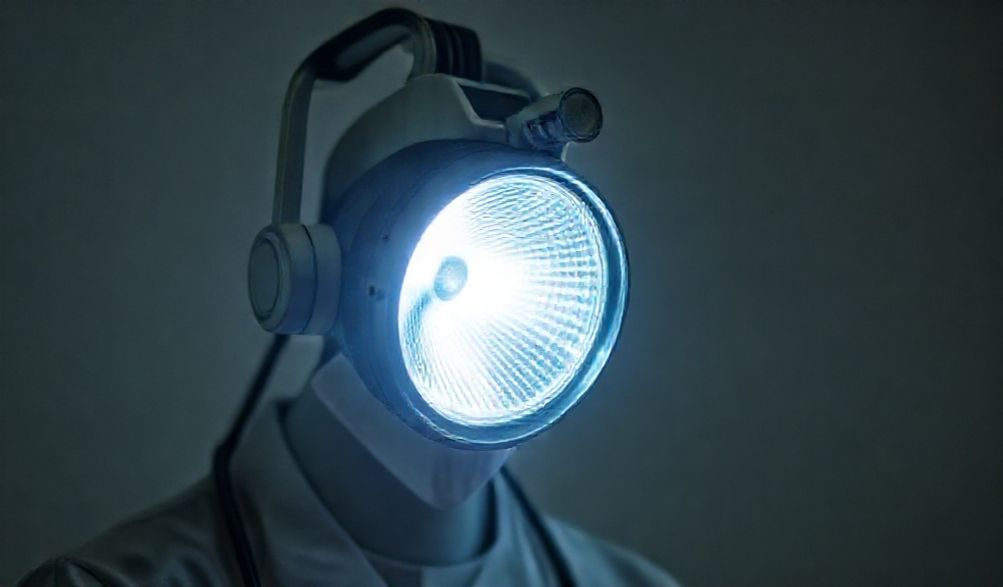
The Ultimate Guide to Doctor Head Lamps: Enhancing Precision in Medical Practice
Imagine a delicate otologic procedure: deep within the narrow, shadowy confines of the ear canal, a surgeon must identify minuscule anatomical structures, differentiate between healthy and inflamed tissue, and execute movements of sub-millimeter precision. The overhead surgical light, no matter how advanced, cannot bend its beam around the curve. The surgeon’s own head blocks the light, casting a frustrating shadow exactly where clarity is needed most. This scenario, repeated daily in operating rooms, emergency departments, and clinics worldwide, underscores a fundamental truth in medicine: vision is the primary sense of diagnosis and intervention, and light is its indispensable partner.
Optimal lighting is not a mere convenience; it is a critical component of patient safety and clinical accuracy. From spotting the subtle erythema of a nascent infection to visualizing the fine neural structures in microsurgery, poor illumination can lead to missed details, diagnostic uncertainty, and increased procedural risk. It forces practitioners into awkward, straining postures as they contort to catch the light, contributing to fatigue and occupational injury.
Enter the doctor head lamp (also known as a surgical headlight or medical headlamp): a specialized, personal lighting tool engineered to solve these exact challenges. Far more than a simple head torch, it is a sophisticated system designed to deliver brilliant, focused, and shadow-free illumination directly into a cavity or onto a worksite, moving seamlessly with the practitioner’s gaze.
This comprehensive guide is built on an analysis of medical device functionality, ergonomic principles, and clinical requirements. Our purpose is to move beyond marketing specs and provide medical professionals—surgeons, dentists, dermatologists, ER physicians, and more—with the knowledge needed to make a confident, informed investment in a tool that will become an extension of their senses. We will explore the different types of headlamps, decode their key features, examine their wide-ranging applications, and provide a practical checklist for selection.
What is a Doctor Head Lamp and Why is It Essential?
Core Definition and Function
A doctor head lamp is a wearable, personal lighting system typically consisting of three main components: a light source (the lamp head), a power source (battery pack), and a headband or mounting apparatus. Its defining function is to provide hands-free, coaxial illumination—meaning the light is projected along the user’s direct line of sight. Unlike static overhead lights, the beam moves with every turn of the wearer’s head, ensuring the area of interest is always perfectly lit, regardless of angle or depth.
The Critical Advantages in Medical Settings
The benefits of integrating a high-quality headlamp into medical practice are profound and multifaceted:
- Precision & Accuracy: The primary advantage. By flooding a deep cavity or small field with intense, focused light, headlamps reveal fine details—think of the tiny vasculature in a wound bed, the fissures in a tooth, or the delicate bones of the middle ear. This enhanced visualization is the bedrock of accurate diagnosis and meticulous surgical execution.
- Hands-Free Operation: This is a game-changer for ergonomics and efficiency. With light fixed to their head, clinicians can use both hands simultaneously for instrumentation, retraction, and manipulation without interrupting their visual field to adjust a light stand or hold a penlight.
- Improved Patient Outcomes: Better visualization directly correlates with clinical outcomes. It can lead to reduced procedure times, more complete excision or treatment, and a lower potential for iatrogenic injury or complications. In short, it allows the practitioner to perform at their highest level.
- Practitioner Ergonomics: Fixed overhead lights often force clinicians into a “turtle neck” posture, craning forward and twisting to position the patient within the light pool. A headlamp eliminates this, allowing for a more neutral spinal and cervical alignment. This reduction in physical strain is crucial for professionals who perform lengthy procedures, helping to prevent chronic pain and career-shortening injuries.
Key Features to Consider When Choosing a Medical Headlamp
Navigating the specifications of medical headlamps requires understanding what each feature means for your daily practice.
Light Source Technology: LED vs. Halogen
This is the most fundamental choice, and the industry has reached a clear consensus.
- LED (Light Emitting Diode): The modern, preferred standard. LEDs offer a cooler operating temperature (preventing patient tissue drying and practitioner discomfort), exceptionally long lifespans (often 50,000+ hours), and high energy efficiency. They provide a consistent color temperature (typically daylight-balanced ~5000-6000K) from the moment they are turned on until the battery dies, with no dimming. Their durability and low maintenance make them the overwhelming choice for new systems.
- Halogen: Now largely considered legacy technology. Halogen bulbs produce a significant amount of heat, have a much shorter lifespan (often 50-100 hours), and gradually dim as they age. Their primary advantage was a high Color Rendering Index (CRI), but modern LEDs now match or exceed this. New purchases should almost exclusively focus on LED systems.
Brightness (Lumens and Lux) and Beam Characteristics
Brightness is measured in lumens (total light output). However, in medicine, the more relevant metric is often lux (illuminance), which measures how many lumens fall on a specific area at a set distance (e.g., 100,000 lux at 14 inches).
- Brightness Range: Needs vary by specialty. For general examinations (ENT, dermatology), 20,000-40,000 lux may suffice. For deep-cavity surgery (spinal, abdominal), 100,000 to over 150,000 lux is common. Adjustable brightness settings are invaluable for matching light intensity to the task.
- Beam Characteristics: The beam’s spot size and depth of field are critical. A adjustable focus allows you to switch between a wide, shallow field for surface exams and a tight, deep spot for cavity work. A good “depth of field” means the beam stays in focus across a range of working distances, reducing the need for constant refocusing.
Power Source and Mobility
How the headlamp is powered affects its weight, balance, and convenience.
- Battery Pack (Belt-Mounted): A separate, rechargeable battery pack worn on the waist or belt. Pros: Often provides longer runtimes and keeps weight off the head. Cons: Involves managing a cord that runs up to the headpiece.
- Rechargeable (Integrated): A compact, rechargeable battery is integrated directly into the headband or the back of the head. Pros: Excellent mobility with no cords, often lighter and simpler. Cons: May have a shorter runtime per charge and can affect headband balance.
- Key Considerations: Evaluate battery life (2-6 hours on high is common for LEDs), charge time, and whether the system allows for hot-swapping batteries during long procedures.
Comfort and Ergonomics
If a headlamp isn’t comfortable, it won’t be used. Comfort is a performance feature.
- Headband Design: Look for wide, padded headbands that distribute weight evenly across the cranium. Many feature a crown strap for superior stability. The material should be moisture-wicking and easily cleanable.
- Weight Distribution: A well-balanced system, whether the weight is on the head or split with a belt pack, prevents neck strain. The lamp head itself should be as lightweight as possible.
- Adjustability: The headband must be easily adjustable for a secure, custom fit. The lamp head should offer multiple axes of adjustment (up/down, left/right, tilt) to perfectly align the beam with your visual axis.
Primary Applications and Specialties for Medical Headlights
Surgery and Microsurgery
This is the most demanding application, where headlamps are often considered essential equipment.
- Dentistry & Oral Surgery: For illuminating the dark oral cavity, highlighting tooth structure, and ensuring precision during restorative work, implants, and oral surgery. Many systems integrate directly with dental loupes.
- ENT (Otolaryngology): Crucial for procedures in the nose, sinuses, throat, and especially the ears, where deep, narrow cavities are the norm.
- Plastic & Reconstructive Surgery: Allows for precise assessment of tissue viability, symmetry, and subtle contouring under high magnification.
- Neurosurgery & Orthopedic Spine Surgery: Provides deep-wound illumination in confined surgical corridors, often used in conjunction with surgical loupes or microscopes.
- Ophthalmology: Used for external procedures and examinations, though internal work relies on specialized microscope lighting.
Clinical Examination and Diagnostics
Beyond the OR, headlamps are powerful diagnostic tools.
- Dermatology: Reveals subtle textural and pigmentary changes in the skin. Polarized headlamps can help visualize subsurface structures by reducing surface glare.
- Wound Care: Essential for assessing wound bed granulation tissue, detecting necrotic material, and evaluating perfusion and infection in deep ulcers.
- Emergency Medicine & Primary Care: For thorough exams of the eyes (fundoscopic), ears (otoscopic), throat, and skin without fumbling with handheld lights. Improves speed and accuracy in fast-paced environments.
Emerging and Supporting Roles
- Veterinary Medicine: Used in small animal surgery and examination with the same benefits as in human medicine.
- Medical Training/Education: Allows instructors to demonstrate techniques with perfect lighting or lets students see what the instructor sees during demonstrations.
- Aesthetic Procedures: Provides clear visualization for injectables, laser treatments, and other detailed aesthetic work.
How to Select the Right Head Lamp: A Buyer’s Checklist
Selecting a headlamp is a personal decision that must align with your specific clinical workflow. This checklist provides a structured approach.
1. Assess Your Procedural Requirements
Start with a self-audit. What do you do?
* List your 5 most common procedures/exams.
* What is your typical working distance? (e.g., 14 inches for dentistry, 18 inches for wound care).
* Do you need a wide field or a deep, focused spot? What is your required depth of field?
2. Prioritize Features Based on Your Specialty
Your specialty dictates your “must-have” features.
* Dentist/Oral Surgeon: Prioritize shadow reduction, seamless loupes integration, and a lightweight design for all-day wear.
* Surgeon (ENT, Plastics, Spine): Prioritize maximum brightness (lux), excellent depth of field, and a stable, comfortable headband for long cases.
* Dermatologist/Wound Care Specialist: Prioritize high Color Rendering Index (CRI >90) for true tissue color assessment and consider polarized light options.
* Emergency Physician/General Practitioner: Prioritize ease of use, quick donning/doffing, good general brightness, and a cordless design for mobility.
3. Consider Total Cost of Ownership
Look beyond the sticker price.
* What is the lifespan of the LED module? (It should be many years).
* What is the cost and lifespan of replacement batteries?
* Does the manufacturer offer a strong warranty and reliable customer support?
* Purchase from reputable medical device suppliers or established manufacturers. This ensures you receive genuine products, proper specifications, and professional support.
4. Trial and Ergonomics Test
If at all possible, try before you buy. Wear the headlamp for an extended period (15-30 minutes) to assess:
* Is it comfortable and stable without being too tight?
* Does it feel balanced, or does it want to tip forward/backward?
* Can you easily adjust the beam to align perfectly with your eyes?
Frequently Asked Questions (FAQ) About Doctor Head Lamps
Q: What is the typical battery life for a rechargeable LED headlamp?
A: It varies significantly by model and brightness setting. Modern LED systems often offer 2-4 hours on the highest setting and 6-10+ hours on medium or low settings. Systems with belt-mounted battery packs generally offer longer runtimes.
Q: Can doctor head lamps be sterilized?
A: The light source/optic module itself is almost never sterilized. However, the headband and the external casing of the lamp head are designed to be wiped down with hospital-grade disinfectants. Some headbands and specific components may be autoclavable—always check the manufacturer’s specifications for validated cleaning and disinfection protocols.
Q: Are these headlights compatible with surgical loupes?
A: Many are. There are three main types: 1) Loupe-mounted lights that attach directly to your loupe frame, 2) Headband systems with a low-profile lamp that fits under or alongside loupes, and 3) Fully integrated loupe/light systems. Ensure compatibility before purchasing.
Q: How important is Color Rendering Index (CRI) for a medical headlamp?
A: Extremely important. CRI measures a light source’s ability to reveal the true colors of an object compared to natural light. A high CRI (90+) is crucial for accurately assessing tissue health (erythema, cyanosis, jaundice), inflammation, and blood oxygenation. Low CRI lights can make tissues look washed out or alter their apparent color.
Q: What is a good starting brightness (lux) for general examinations?
A: For general clinical exams (e.g., ENT, dermatology, primary care), a system providing 20,000 to 50,000 lux at a standard working distance of 12-16 inches is often sufficient and versatile. Surgical specialties will require higher intensities, typically starting at 80,000 lux and going much higher.
Conclusion
A doctor head lamp is far more than a piece of equipment; it is a vital investment in clinical precision, practitioner well-being, and, ultimately, superior patient care. By delivering brilliant, targeted light exactly where and when it is needed, it empowers medical professionals to see more, do more, and perform with greater confidence.
When selecting your system, let the triumvirate of Light Quality, Comfort, and Durability guide your decision. The right headlamp should feel like a natural extension of your own capabilities, disappearing in comfort while making your vision profoundly more effective.
We reinforce the principle of Expertise, Authoritativeness, and Trustworthiness (E-E-A-T) by urging you to consult with experienced colleagues, seek demonstrations from trusted medical equipment providers, and thoroughly review manufacturer guidelines. The right tool is one that seamlessly supports your hard-earned expertise and enhances the trust your patients place in your hands.
Your Next Step: This week, consciously audit your most challenging visual tasks. Identify just one procedure or examination where shadows, poor angle, or insufficient light caused even minor hesitation or strain. That moment is your starting point for understanding the transformative value of a dedicated, personal doctor head lamp.
p>