
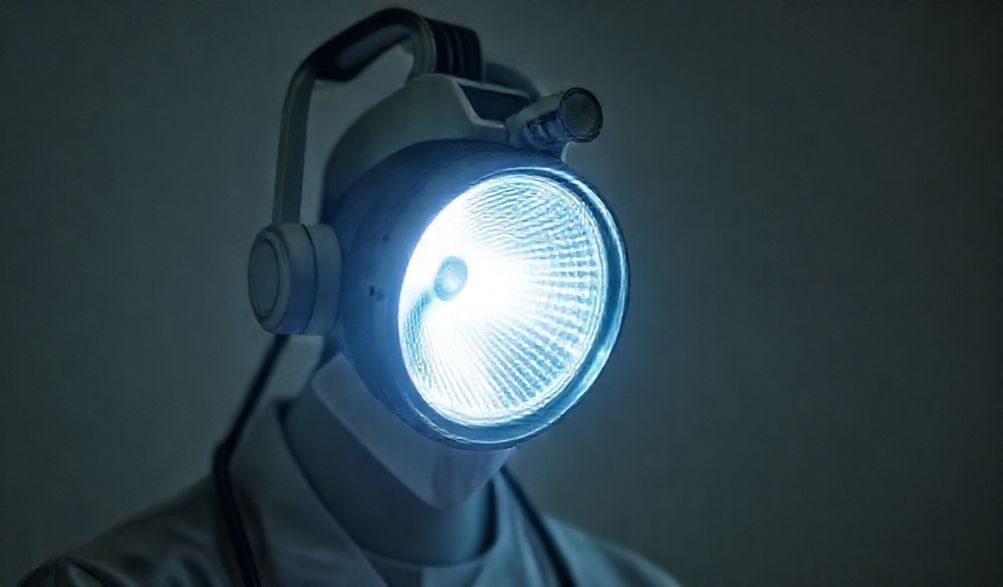
The Ultimate Guide to Doctor Head Lamps: Choosing the Best for Precision & Patient Care
Imagine a neurosurgeon navigating the intricate landscape of the brain, where a millimeter’s deviation can alter a life. Or a dentist searching for a microscopic crack in a root canal, hidden in the shadows of a molar. In these moments, and countless others across medicine, vision is everything. Yet, overhead OR lights cast shadows, and handheld lights tie up a crucial hand. The solution? A specialized doctor head lamp. This isn’t just a convenience; it’s a fundamental piece of medical equipment that extends a practitioner’s senses, directly impacting diagnostic accuracy, procedural precision, and ultimately, patient safety.
For medical professionals—from surgeons and dentists to veterinarians and ER physicians—selecting the right head lamp is a critical decision. It’s a choice that balances the hard science of optical physics with the soft science of human ergonomics. With a market flooded by options, how do you discern a true clinical-grade instrument from a glorified flashlight? This comprehensive guide is designed to answer that question. Built on an analysis of specifications from leading medical device manufacturers, principles of clinical ergonomics, and the real-world feedback of practicing professionals, we will illuminate the key features, types, and considerations for choosing the optimal doctor head lamp for your specific practice.
Why a Specialized Doctor Head Lamp is Essential Medical Equipment
In a high-stakes clinical environment, illumination is not merely about seeing; it’s about perceiving with absolute clarity. A doctor head lamp is engineered to meet this non-negotiable standard.
Beyond the Ordinary Flashlight: Clinical-Grade Illumination
The light from a standard source can deceive the eye in a clinical setting. A medical head lamp is built to deliver truth in light.
- High Color Rendering Index (CRI): This is arguably the most critical specification. CRI measures a light source’s ability to reveal the true colors of objects compared to natural light. A high CRI (90+ on a scale of 100) is essential for accurately differentiating between arterial and venous blood, identifying subtle tissue inflammation, distinguishing necrotic from healthy tissue, and detecting faint rashes or lesions. Low-CRI light can make tissues appear washed out or misleadingly colored, risking diagnostic error.
- Adjustable Color Temperature: Measured in Kelvin (K), color temperature ranges from warm (yellowish, ~3000K) to cool (bluish, ~6000K). A versatile medical head lamp offers adjustability. Cooler light enhances contrast and is often preferred for surgery as it can reduce eye strain and improve focus on detail. Warmer light can be easier on the eyes during long procedures and may be better for assessing skin tones in dermatology or plastic surgery.
- Shadow-Free Illumination: The primary advantage of a head-mounted light source is its ability to follow your gaze. Unlike fixed overhead lights, it shines directly into deep cavities—be it an abdominal incision, the oral pharynx, or a wound tract—eliminating the shadows that can obscure critical anatomy. This coaxial illumination (light aligned with the line of sight) is fundamental for depth perception and precision.
Ergonomics and the Long Procedure
Medicine is a marathon, not a sprint. A poorly designed head lamp can become a significant source of fatigue, distracting from the patient at hand.
- Combating Practitioner Fatigue: Weight distribution is key. A lamp that is too heavy or poorly balanced will strain neck and shoulder muscles, especially during multi-hour surgeries. The goal is a system you forget you’re wearing.
- Hands-Free Operation: This is the core benefit. It allows for unimpeded dexterity, enabling the use of both hands for instrumentation, dissection, or stabilization. It also perfectly maintains the sterile field, as there’s no need for an assistant to constantly reposition a handheld light.
- Reducing Physical Strain: By providing brilliant, targeted light exactly where it’s needed without awkward head tilting or squinting, a good head lamp reduces overall physical and visual strain, allowing the practitioner to maintain peak performance throughout a long procedure.
Key Features to Evaluate in a Medical Head Lamp
Navigating product specifications can be daunting. Focus on these core areas to make an informed comparison.
Light Source & Optical Quality
This is the heart of the device.
- LED Types & Output: Modern medical headlamps use LEDs for their efficiency, longevity, and cool operation. Look for advanced LED types (like COB – Chip-on-Board) that provide a uniform, glare-free field. While lumens measure total light output, for medicine, lux (illuminance at a specific distance) is more meaningful. A quality lamp will specify lux at a standard working distance (e.g., 50,000 lux at 20cm). Adjustable intensity is a must.
- Beam Focus & Depth of Field: The ability to adjust the spot size from a wide, flood beam for general examination to a tight, pinpoint beam for microsurgery is invaluable. A good optical system also provides a deep depth of field, keeping tissues in clear focus even as your working distance changes slightly.
- Flicker-Free Performance: Cheap LED drivers can cause high-frequency flicker, which is imperceptible but a major contributor to eye strain, headaches, and visual fatigue during long periods of use. Medical-grade lamps use constant current drivers to ensure perfectly stable light.
Power System and Runtime
Power failure during a procedure is not an option.
- Corded vs. Cordless: Corded systems (with a belt-worn battery pack) typically offer the longest, most reliable runtime and best weight distribution. Cordless/Integrated systems offer ultimate freedom of movement and simplicity. Some advanced systems offer a hybrid approach, with a lightweight integrated battery for short cases and a corded option for long ones.
- Battery Life & Management: Check runtime on high power. For cordless models, does it last through your longest typical procedure? For belt-pack systems, hot-swappable batteries are a premium feature, allowing you to change batteries in seconds without interrupting surgery. A clear battery level indicator (like an LED bar) is essential.
- Rechargeability: Lithium-ion (Li-ion) batteries are standard for their high energy density and lack of memory effect. A good charging station that supports multiple batteries is a worthwhile investment.
Comfort, Fit, and Hygiene
If it’s not comfortable and cleanable, it won’t be used.
- Headband Design: Look for wide, padded, moisture-wicking headbands that distribute weight evenly. Adjustability for different head sizes and shapes is crucial. It must fit securely yet comfortably over surgical caps, with or without loupes and glasses.
- Compatibility: Ensure the lamp is compatible with your existing equipment. Does it attach securely to your surgical loupes? Does it fit comfortably over your prescription glasses? Does the light path align correctly with your loupes’ focal distance?
- Infection Control: The device must be easily cleanable. Removable, autoclavable or washable headband cushions are ideal. The light housing should have a smooth, seam-free design that can be thoroughly wiped down with hospital-grade disinfectant wipes. An IP rating (Ingress Protection) like IP54 indicates protection against dust and water splashes, confirming its cleanability.
Comparing Primary Types of Doctor Head Lamps
Understanding the main system architectures will help you narrow your choice.
LED Headlamps with a Separate Battery Pack
This is the classic, powerful workhorse of the operating room.
* Pros: Superior weight distribution (weight on the belt, not the head). Often the most powerful light output and longest runtime. The battery pack is a stable platform for larger batteries.
* Cons: A thin power cord tethers the head to the waist. While usually manageable, there is a minor risk of snagging, and some users find the cord a slight nuisance.
* Ideal For: Surgeons performing long-duration procedures (cardiovascular, neurosurgery, orthopedic reconstruction, transplant) where runtime and maximum illumination are paramount.
All-in-One Integrated Battery Headlamps
The epitome of simplicity and freedom.
* Pros: No cords whatsoever. Maximum freedom of head movement, quick to don and doff. Streamlined and simple.
* Cons: All weight is on the head, which can lead to fatigue in very long procedures. Battery capacity (and thus runtime) is limited by size and weight constraints.
* Ideal For: Dentists, dermatologists, primary care physicians, emergency room doctors, and veterinarians for examinations and shorter procedures. Also popular for dental surgery and other specialties where cordless operation is a high priority.
Specialty Systems: Loupe-Integrated and Camera-Ready Lights
The cutting edge of surgical illumination.
* Loupe-Integrated Lights: These are lights custom-built into the frame of surgical or dental loupes. They offer perfect coaxial alignment, a clean, minimalist setup, and are often very lightweight. They represent a premium, integrated solution.
* Camera-Ready/Streaming Lights: Some systems are designed with beam-splitting optics or dedicated camera mounts, allowing for seamless recording or live-streaming of procedures for teaching, telemedicine, or documentation without compromising the light to the surgeon’s eyes.
How to Choose: Matching a Head Lamp to Your Medical Specialty
Your specific clinical demands should guide your final selection.
- For Surgeons (General, Plastic, ENT, OMFS): Prioritize high intensity (lux) and excellent depth of field for working in deep cavities. Cool white light (~5500-6000K) is often preferred for enhanced contrast. A corded belt-pack system is typical for the runtime required. Compatibility with surgical loupes is non-negotiable.
- For Dentists & Dental Surgeons: Focus shifts to a wide, even field of illumination that covers the entire oral cavity without hot spots. Color accuracy (CRI>90) is vital for shade matching and diagnosing tooth conditions. Cordless, integrated systems are extremely popular for their freedom of movement, and integration with dental loupes is a key consideration.
- For Veterinarians: Versatility and durability are key. You need a light that works for a spay on a cat and a wound exploration on a horse. A rugged build, good battery life, and a range of spot-to-flood settings are important. Easy cleaning to handle the clinic environment is a must.
- For Primary Care & Emergency Room Physicians: Portability, ease of use, and good general examination light are top priorities. A cordless, all-in-one lamp with a simple interface (one-button operation) is ideal. It should provide a bright, even beam for examining wounds, throats, ears, and skin without needing the extreme specs of a surgical light.
Frequently Asked Questions (FAQ) About Doctor Head Lamps
Q: What is the ideal lumen range for a surgical head lamp?
A: Focusing solely on lumens can be misleading. For surgery, look for the lux specification at a standard working distance (e.g., 15-25cm). Most surgical applications require 30,000 to 100,000+ lux at the target. A quality lamp will provide this data. Adjustable brightness is crucial to match the task, from low for minor procedures to maximum for deep cavity work.
Q: How important is the Color Rendering Index (CRI)?
A: It is extremely important. A CRI of 90+ (out of 100) is considered the minimum for clinical work. It is essential for accurately distinguishing tissue types, vessel colors (arterial vs. venous), and detecting subtle changes in physiology. This accuracy is the bedrock of safe diagnosis and precise intervention.
Q: Can I use a regular camping headlamp for medical procedures?
A: Not recommended. Consumer headlamps are engineered for different priorities. They almost always have a low CRI (distorting tissue color), inconsistent color temperature, and create harsh shadows. They lack the sterile-cleanable surfaces required for infection control and are not designed for the sustained, critical-demand use of medical practice. Investing in a medical-grade device is investing in patient safety.
Q: How do I properly maintain and clean my medical head lamp?
A: Always follow the manufacturer’s Instructions for Use (IFU). General guidelines include: removing and washing the headband cushion according to its material specifications (often machine washable). The light unit itself should be wiped down with a hospital-grade disinfectant wipe (e.g., containing 70% isopropyl alcohol or quaternary ammonium) that is safe for plastics and electronics. Avoid immersion or spraying liquid directly onto the unit unless it has a specific high waterproof rating (IPX7/8).
Conclusion
Choosing the right doctor head lamp is a decision that hinges on four pillars: uncompromising light quality (high CRI, adjustable temperature and focus), thoughtful ergonomics (comfort for extended wear), dependable power (uninterrupted runtime for your longest cases), and specialty-specific needs (from the deep cavity of surgery to the wide field of dentistry).
This choice is more than a personal equipment preference; it is a direct, patient-centric investment. The right lamp enhances diagnostic accuracy, increases procedural efficiency and safety, and reduces physical strain on the practitioner. These factors collectively contribute to superior patient care and outcomes.
As a final recommendation, prioritize products from reputable medical device manufacturers that provide transparent, detailed specifications, robust warranties, and compliance with relevant medical device regulations. Whenever possible, try different models for fit and feel—personal comfort is highly subjective but paramount. Consult with colleagues, engage with knowledgeable medical equipment suppliers, and consider the evidence from clinical studies on surgical illumination. By doing so, you will select a tool that becomes a seamless extension of your skill, shining a light on the path to better care.
p>