
Illuminating Precision: A Comprehensive Guide to Surgical Headlights for Medical Professionals
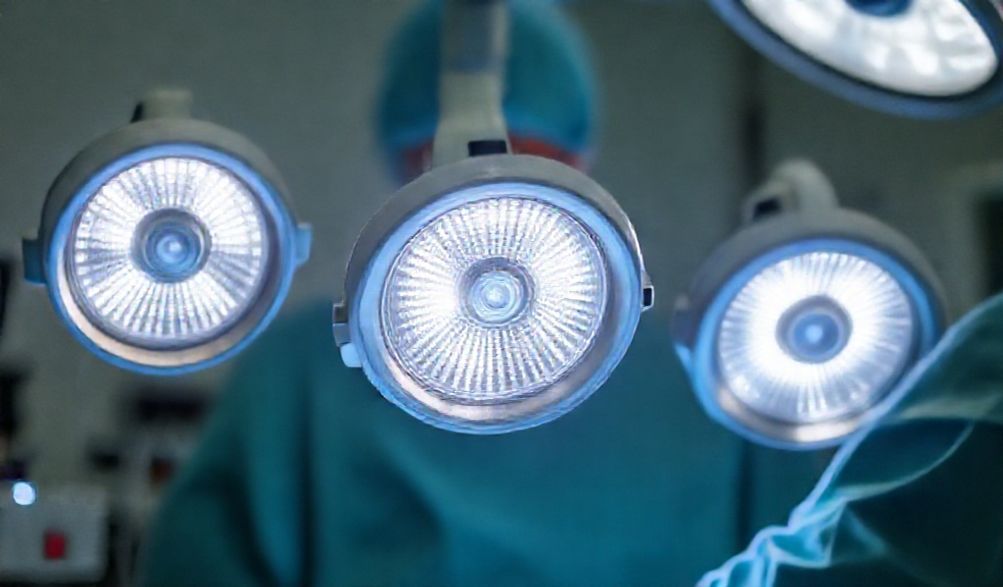
In the high-stakes theater of the operating room, where millimeter precision can define outcomes, one fundamental element is often the unsung hero: light. Beyond simply illuminating the field, optimal surgical lighting is a critical determinant of a surgeon’s ability to see, interpret, and act. Studies consistently link superior visualization to reduced procedural errors, shorter operative times, and enhanced patient safety. While overhead operating lights provide the foundational canvas of illumination, they fall short in the intricate, shadow-filled recesses of the human body. This is where specialized headlights for surgery become indispensable.
Modern los frontales quirúrgicos are sophisticated, hands-free illumination systems engineered to deliver controlled, high-quality light directly into deep cavities and onto complex anatomies. They transform a surgeon’s vision, turning challenging visual landscapes into clearly defined territories. This guide serves as an authoritative, unbiased educational resource for surgeons, surgical residents, and hospital procurement teams tasked with evaluating these vital tools. The insights herein are compiled from expert surgeon interviews, peer-reviewed literature, and technical analyses of medical device standards, ensuring the information is reliable, practical, and grounded in real-world clinical experience.
The Critical Importance of Specialized Lighting in Surgery
Traditional overhead surgical lights, despite their power, have inherent limitations. They are excellent for broad, superficial field illumination but create significant challenges in deeper or narrower operative sites. Surgeons often cast shadows with their own heads and hands, and the light’s path can be obstructed by instruments or assistants. Furthermore, the depth of field—the range of distance that remains in sharp focus—can be shallow, forcing the surgeon to choose between a focused view of a superficial layer or a blurred view of a deeper structure.
Dedicated surgical headlights are designed to overcome these exact problems. By mounting a high-intensity light source on the surgeon’s head, the illumination becomes coaxial with their line of sight. Where the surgeon looks, the light follows, virtually eliminating self-shadowing. This direct, focused beam dramatically improves contrast and detail recognition within deep wounds, sinus cavities, or during microvascular procedures.
The clinical implications are profound. Enhanced visualization reduces cognitive load and visual strain, allowing surgeons to maintain focus and precision during lengthy operations. Research in fields like neurosurgery and microsurgery has demonstrated that improved lighting correlates with more accurate dissection, reduced iatrogenic injury, and improved ergonomics by minimizing awkward postures adopted to “chase the light.” In essence, a surgical headlight is not merely a convenience; it is a fundamental tool for extending a surgeon’s capabilities and safeguarding patient outcomes.
Key Features and Technology of Modern Surgical Headlights
Navigating the market for headlights for surgery requires an understanding of their core technologies and specifications. This objective breakdown focuses on what features matter most, independent of brand.
Light Source Technology: LED vs. Xenon
The evolution of surgical headlights has been defined by the light source. Historically, xenon bulbs were the gold standard, prized for their bright, white light with excellent color rendering. However, they came with significant drawbacks: they generated intense heat, had a relatively short lifespan (typically 500-1000 hours), consumed substantial power, and required bulky power supplies.
The advent of high-power Light Emitting Diode (LED) technology has revolutionized the field. Modern LED systems now match or exceed the brightness of xenon while offering decisive advantages:
* Vida Útil: LEDs can last 50,000 hours or more, effectively making them lifetime components.
* Efficiency & Heat: They are far more energy-efficient, converting power to light with minimal wasted heat, which enhances patient safety and surgeon comfort.
* Instant On & Control: LEDs provide full brightness instantly and allow for more precise and responsive dimming controls.
* Durabilidad: As solid-state devices, they are more resistant to shock and vibration.
The industry has overwhelmingly shifted to LED as the new standard due to its reliability, cool operation, and lower long-term cost of ownership.
Optical Performance Specifications
Beyond the light source, the optical design determines the quality of illumination. Key metrics to evaluate include:
- Depth of Field: This is arguably one of the most critical specifications. A deep depth of field keeps both superficial and deep structures in clear focus simultaneously without constant refocusing. Adjustable depth of field is a premium feature that adapts to different procedure types.
- Spot Size & Focus: The ability to adjust the beam from a wide, diffuse field (for larger areas like in orthopedic or general surgery) to a tight, pinpoint spot (for microsurgical tasks) is essential. A smooth, easily adjustable focus mechanism is a mark of a quality system.
- Brightness Control: Variable intensity settings are necessary to match lighting to the tissue type and procedural phase, preventing glare off reflective surfaces or excessive light that can cause tissue drying.
Ergonomics and Design Considerations
A headlight is worn for hours; therefore, ergonomics directly impact surgeon fatigue and acceptance.
- Peso y equilibrio: The system’s total weight and its distribution across the head are crucial. Well-designed headbands use padding and counterbalance weights to prevent pressure points and neck strain.
- Power Source: Cable vs. Cordless: Cable-powered systems draw from a base unit, offering unlimited runtime but restricting mobility with a tether. Battery-powered (cordless) systems offer complete freedom of movement and simplify setup but add weight to the head or belt and have a finite runtime (typically 4-8 hours for modern LEDs). The choice often depends on procedural mobility needs and operating room logistics.
- Compatibilidad: The headlight must integrate seamlessly with other equipment. This includes compatibility with surgical loupes (often via a flip-up mount or a dedicated loupe-frame clip), and not interfering with eyewear, masks, or hoods.
Selecting the Right Surgical Headlight: A Procedural Needs Analysis
Choosing a system is not one-size-fits-all. The most effective approach is a procedural needs analysis based on your surgical specialty and practice patterns.
Recommendations by Surgical Specialty
- Microsurgery, Neurosurgery & Ophthalmology: These fields demand the highest tier of optical performance. Prioritize systems with extreme brightness, exceptional depth of field, and true coaxial or near-shadow-free illumination. High Color Rendering Index (CRI) is vital for accurately distinguishing subtle tissue and vessel shades.
- ENT, Dental & Oral-Maxillofacial Surgery: Maneuverability and flexibility are key. Surgeons benefit from lightweight, cordless systems that allow full range of motion. A wide range of spot size adjustment is useful for transitioning from a broad oral cavity view to a focused view on a single tooth or sinus portal. Easy integration with dental or surgical loupes is mandatory.
- General, Plastic, Orthopedic & Vascular Surgery: These specialties require a versatile workhorse. Look for a robust balance of a wide field of illumination, good depth of field for cavities like the abdomen, and sufficient brightness for deeper orthopedic sites. Durability and ease of cleaning are also important considerations for high-volume, varied practices.
Hospital vs. Individual Purchase Factors
The decision matrix differs for institutional procurement versus an individual surgeon’s investment.
- Hospital/Institutional Purchase: Procurement teams must consider service contracts, standardization across departments, ease of sterilization for central processing, durability for shared use, and integration with existing hospital infrastructure (e.g., charging stations). Total cost of ownership, including long-term maintenance and battery replacement, is a primary driver.
- Individual Surgeon Purchase: The surgeon prioritizes personal ergonomics, specific optical preferences for their niche procedures, and portability if practicing at multiple facilities. The upfront cost is weighed against the perceived daily benefit in visualization and reduced fatigue.
Mantenimiento, Seguridad y Mejores Prácticas
Proper care ensures performance, longevity, and safety for both patient and surgeon.
Cleaning, Sterilization, and Battery Care
- Cleaning & Sterilization: Always follow the manufacturer’s Instructions for Use (IFU) and your hospital’s infection control policy. Typically, the headband and forehead pad are cleaned with hospital-grade disinfectant wipes. The light source module (the most sensitive component) often requires low-temperature sterilization, such as hydrogen peroxide plasma (e.g., STERRAD®) or ethylene oxide gas. Never autoclave components unless the IFU explicitly states they are autoclavable.
- Cuidado de la Batería: For cordless systems, follow lithium-ion battery best practices: avoid complete discharge, store at room temperature, and use the manufacturer’s charger. Having a spare, charged battery is essential for uninterrupted surgery.
Ensuring Patient and Surgeon Safety
- Seguridad Térmica: Although LEDs are cool, intense focused light can still cause tissue drying or thermal injury if placed too close or left static on one spot for too long. Maintain a safe working distance.
- Seguridad Eléctrica: Ensure any system used is certified to medical device electrical safety standards, such as IEC 60601-1. Never modify or use damaged equipment.
- Control del Deslumbramiento: Position the light source carefully to avoid reflecting glare off instruments or wet surfaces back into your eyes or onto the critical surgical site, which can cause temporary blindness and compromise the procedure.
Preguntas Frecuentes (FAQ)
Q: Are surgical headlights worth the investment for a practicing surgeon?
A: For any procedure where overhead lighting is insufficient—deep cavity work, microsurgery, or complex reconstruction—a surgical headlight is considered a vital, practice-transforming tool. The investment is justified by reduced visual and physical fatigue, enhanced precision, and the potential to improve procedural efficiency and outcomes.
P: ¿Cuál es la duración típica de la batería para un faro quirúrgico inalámbrico?
A: It varies significantly by model and the brightness setting used. Modern LED cordless systems typically offer between 4 to 8 hours of runtime on a single charge at medium-to-high intensity, which is sufficient for a full day of surgery. It is a universal best practice to have a fully charged backup battery available.
Q: How do I properly clean and sterilize my surgical headlight?
A: You debe adhere to the specific manufacturer’s Instructions for Use (IFU). General protocols often involve wiping down the headband with an approved disinfectant. The light engine typically requires low-temperature sterilization (e.g., hydrogen peroxide plasma). Immersing components in liquid or using an autoclave is usually prohibited and will damage the device.
Q: Can I use a regular LED headlamp for surgery?
A: Absolutely not. Consumer headlamps lack the medical-grade color accuracy, adjustable focus and depth of field, intensity control, and sterility assurances required for surgery. They are not certified as medical devices, posing significant risks regarding electrical safety, infection control, and providing inadequate or misleading illumination for critical tasks.
Q: What should I look for during a hands-on trial or demo?
A: Insist on a trial in a realistic environment. Wear it with your loupes and mask. Assess comfort over 30 minutes, ease of adjustment, the intuitive feel of the controls, and most importantly, the quality of the light on a simulated field (e.g., a deep box with models). Check for unwanted shadows, hotspots, glare, and how true colors appear.
Conclusión
Surgical headlights represent a sophisticated convergence of optics, ergonomics, and medical engineering. They are far more than simple lamps; they are procedure-specific tools that significantly enhance intraoperative visualization, reduce surgeon strain, and contribute to the foundation of surgical precision. The key to a successful investment lies in carefully matching the system’s technical features—its light quality, depth of field, ergonomics, and power system—to the specific demands of your surgical specialty and operating environment.
We encourage readers to engage their clinical engineering departments for technical evaluations, seek candid recommendations from peers in their field, and, most importantly, request comprehensive in-person demonstrations before making a final decision. In the relentless pursuit of surgical excellence, where every detail matters, optimal illumination is not merely an accessory. It is a fundamental, non-negotiable component of superior patient care and the very art and science of surgery itself.
p>