
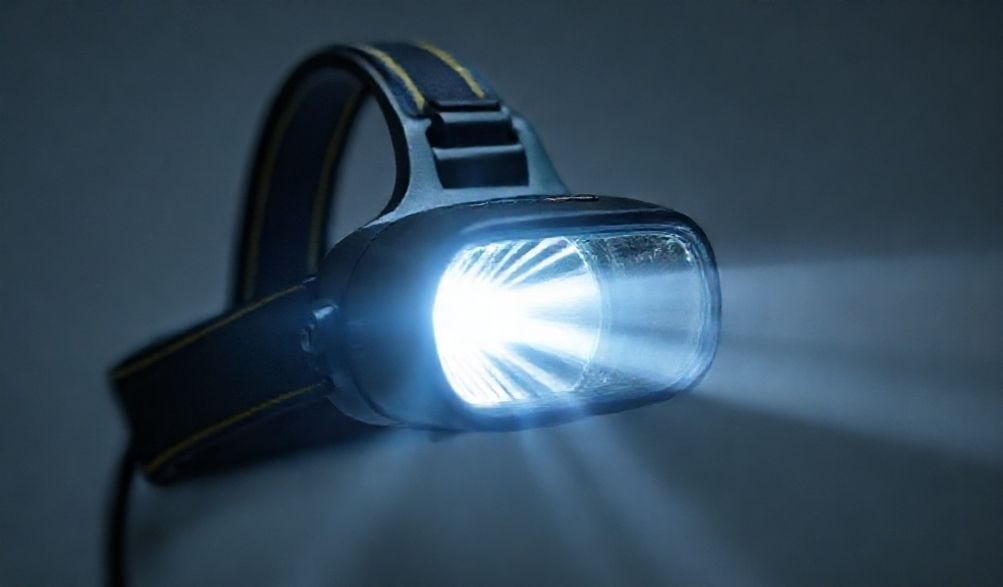
The Ultimate Guide to Medical Headlamps: Illuminating Precision in Healthcare
Imagine a neurosurgeon navigating the intricate landscape of the brain, where a millimeter’s deviation carries profound consequences. Picture an emergency physician in a trauma bay, working against time to assess a critical injury under harsh, uneven light. Envision a dentist searching for the faintest margin line on a prepared tooth. In these moments and countless others across healthcare, vision is the primary sense guiding critical decisions. The quality of that vision depends entirely on one fundamental, yet often overlooked, factor: light.
In medical and healthcare settings, lighting is not a mere convenience; it is a foundational pillar of accuracy, safety, and ultimately, patient outcomes. Suboptimal illumination can lead to diagnostic uncertainty, procedural inefficiency, and eye strain for the provider. This is where the specialized medical headlamp transcends being a simple tool to become an essential extension of a clinician’s senses. Designed for the unique demands of clinical environments, a medical-grade headlamp delivers precise, hands-free illumination exactly where it’s needed.
This comprehensive guide is crafted to demystify the world of medical headlamps. Moving beyond marketing jargon, we will explore the technical specifications that matter, grounded in expert requirements, manufacturer engineering, and real-world user experience. Whether you are a surgeon, dentist, veterinarian, nurse, first responder, or a procurement specialist for a healthcare institution, this resource aims to empower you with the knowledge to make an informed, evidence-based decision for your practice.
What is a Medical Headlamp? Beyond a Standard Headlamp
At first glance, a medical headlamp might resemble its outdoor recreational cousin. However, the similarity is only superficial. The demands of a clinical environment impose non-negotiable standards that transform it into a precision instrument.
Defining the Critical Difference
A standard camping or DIY headlamp is engineered for general visibility—lighting a path, reading a map, or fixing a tent in the dark. Its priorities are battery life, ruggedness, and a high lumen output, often at the expense of color accuracy.
A medical headlamp, in contrast, is engineered for visual diagnosis and intervention. The key differentiators are:
- Sterility and Cleanability: It must withstand rigorous cleaning with hospital-grade disinfectants without degrading. Some components or entire units may even be autoclaveable.
- Optical Clarity and Color Fidelity: The light must reveal true tissue colors, not just white brightness. This requires advanced optics and high-quality LEDs with a high Color Rendering Index (CRI).
- Reliability and Consistency: Failure is not an option mid-procedure. Medical headlamps feature robust construction, secure battery systems, and predictable performance.
- Ergonomic Design for Extended Use: It must remain comfortable and stable during hours-long surgeries or clinical examinations, often while worn over surgical loupes or glasses.
Core Components and Anatomy
Understanding the basic anatomy of a medical headlamp helps in evaluating its quality:
- Índice de Reproducción Cromática (IRC): Almost exclusively high-performance LEDs. The quality, binning (sorting for consistency), and optical design around the LED are crucial.
- Power System: This includes the battery (often a rechargeable lithium-ion pack) and its housing. Considerations are runtime, recharge speed, and the availability of hot-swappable batteries for uninterrupted use.
- Banda para la Cabeza: Designed for all-day comfort. Look for moisture-wicking, hypoallergenic materials, wide straps to distribute weight, and secure, adjustable fittings.
- Housing/Body: The casing that holds the electronics. It should be fluid-resistant (with an IPX rating), durable, and designed for easy cleaning without harboring pathogens.
Key Features to Consider When Choosing a Medical Headlamp
Seleccionar la medical headlamp requires careful consideration of several technical and ergonomic factors. The “best” light is the one that best fits your specific clinical tasks.
Light Quality and Performance
This is the heart of a medical headlamp. More lumens are not always better; the quality of those lumens is paramount.
- Luminosity (Lumens) & Beam Distance: Lumens measure total light output. For most close-up medical work (dentistry, suturing, examination), a range of 200 to 600 lumens is often sufficient and prevents excessive glare or “light flooding.” For illuminating deeper cavities (in surgery or ENT), 600 to 1,200+ lumens may be necessary. Beam distance is less critical than even, focused illumination at a working distance of 10-20 inches.
- Temperatura de Color (Kelvin): Measured in Kelvins (K), this describes the “warmth” or “coolness” of light. Daylight-balanced light (5000K to 6000K) is the medical standard. It provides a neutral white light that reduces eye strain over long periods and, most importantly, allows for accurate color perception of tissues, blood, and mucosa.
- Beam Type & Focus: A tight spot beam is ideal for focused tasks like locating a small vessel or canal. A flood beam provides wider, even illumination for surface exams or larger operative fields. Many premium medical headlamps offer an adjustable focus, allowing you to seamlessly transition between the two.
- IRC (Índice de Reproducción Cromática): This is arguably the most critical spec for medical use. CRI measures a light source’s ability to reveal the true colors of an object compared to natural sunlight (which has a CRI of 100). A CRI of 90 or above is essential. A low-CRI light can make erythema (redness) look dull, cyanosis (blueness) harder to detect, or tissue appear unnaturally gray, potentially masking vital diagnostic cues.
Ergonomics and Comfort for Long Procedures
A headlamp that causes discomfort will be a distraction and a liability.
- Distribución del Peso: The lightest lamp isn’t always the best if it’s front-heavy. A well-designed medical headlamp uses a counterbalanced battery pack at the back of the headband to center the weight.
- Diseño de la banda para la cabeza: Look for padded, adjustable straps made from breathable material. A secure, non-slip fit is vital to maintain a consistent beam angle without constant readjustment.
- Compatibilidad: Ensure the headband can accommodate wearing over surgical loupes, prescription glasses, or a surgical hood comfortably.
Power and Durability
Your light must be as dependable as you are.
- Battery Life & Runtime: Check the runtime at the brightness level you’ll use most. A 4-hour runtime at max power is less useful than an 8-hour runtime at a standard procedural setting. Specifications should be clear about these different levels.
- Recargables frente a Desechables: Modern medical headlamps predominantly use rechargeable lithium-ion batteries for cost-effectiveness and convenience. The best systems allow for hot-swapping—changing the battery without powering down—which is crucial for long surgeries.
- Build Quality and Resistance: Look for an IPX rating (Ingress Protection) indicating resistance to fluids and dust. clasificación IPX4 (splash-resistant) is common, while IPX7 can withstand immersion. Verify the manufacturer’s instructions for approved cleaning agents and, if needed, autoclave compatibility.
Primary Applications and User Profiles
The ideal medical headlamp varies significantly by specialty. Here’s how needs differ across the field:
Surgery & Operative Fields (General, Dental, Veterinary)
- Necesidades: Maximum shadow reduction, deep-cavity illumination (e.g., abdominal, oral), perfect color rendition for tissue differentiation, and seamless integration with surgical loupes.
- Spec Focus: High CRI (>93), adjustable spot-to-flood beam, high lumen output (600+), comfortable headband for marathon procedures, and often a dedicated, powerful battery pack.
Clinical Examination & Diagnostics
- Specialties: Emergency Room, Primary Care, Dermatology, ENT, Ophthalmology.
- Necesidades: Hands-free light for otoscopic/ophthalmoscopic exams, wound assessment, skin lesion evaluation, and general patient observation.
- Spec Focus: Excellent color accuracy (CRI >90), a mix of spot and flood light, lightweight design for frequent on/off use, and good battery life for a full clinical shift.
Emergency Medicine & First Response
- Necesidades: Ruggedness, reliability, instant-on functionality, long battery life, and performance in unpredictable environments (ambulances, accident scenes, low-light triage areas).
- Spec Focus: Durable, fluid-resistant construction (high IP rating), simple controls (often one-button), multiple brightness modes including a low-power setting for conservation, and potentially a power source compatible with vehicle chargers.
Other Healthcare Settings
- Midwifery/Nursing: For perineal assessment, IV insertion, and wound care during night rounds. Comfort and a gentle, wide flood beam are key.
- Medical Tattooing (e.g., Areola Restoration): Requires exceptional color accuracy to match pigments to skin tones perfectly.
- Laboratory/Pharmacy: For detailed sample inspection and compounding in hoods.
Top Medical Headlamp Brands and Models: A Comparative Overview
While we avoid endorsing specific products, here is a neutral, feature-based overview of several respected brands in the medical headlamp space. Remember, the best choice is dictated by your specific application.
| Brand (Example Models) | Key Strengths | Typical Lumen Range | Notable Feature Focus | Common Use Case |
| :— | :— | :— | :— | :— |
| Enova (Quantum, Illuminator) | High, uniform illumination; excellent loupes integration. | 10,000 – 40,000 Lux | Uniform light field, reduced glare, modular systems. | Surgery (especially with loupes), detailed procedural work. |
| Sunnex (Versalume, Starlite) | Versatility, adjustable focus, strong value. | 200 – 800+ Lumens | Adjustable spot-to-flood, variety of headband styles, good CRI. | General surgery, dentistry, veterinary, clinical exam. |
| Welch Allyn (KlearVision) | Diagnostic clarity, medical heritage. | 150 – 500+ Lumens | Optimized for exam & diagnosis, lightweight, medical-grade build. | Clinical examination, ENT, primary care, nursing. |
| Adroit (Helix, Aspect)* | Ergonomics, customizable systems. | 300 – 1,000+ Lumens | 360° rotating light engine, exceptional balance, modular design. | Long-duration surgery, microsurgery, specialties requiring perfect positioning. |
Note: Enova often uses Lux (illuminance at a surface) rather than Lumens (total output), emphasizing the usable light at the working distance.
The crucial takeaway: A medical headlamp with moderately high lumens but superb CRI, comfort, and beam quality will serve you better than the highest-lumen lamp with poor color rendering and an uncomfortable fit.
Mantenimiento, Seguridad y Mejores Prácticas
Proteger su inversión y garantizar la seguridad del paciente requiere un cuidado adecuado.
Proper Cleaning and Sterilization Protocols
- Siga siempre las instrucciones específicas del fabricante. They are the authoritative source.
- For non-sterile use, wipe down the housing and headband with a hospital-grade disinfectant wipe after each use. Avoid submerging unless the unit is rated for it.
- For sterile procedures, some models have detachable, autoclavable light modules or protective sterile sleeves. Never autoclave a component unless explicitly certified by the manufacturer.
Battery Safety and Storage
- Use only the charger provided by the manufacturer.
- For lithium-ion batteries, avoid fully depleting them regularly. Partial discharges are better for long-term health.
- Store in a cool, dry place. For headlamps not in daily use, follow the manufacturer’s guidelines for long-term storage charge levels (often ~50%).
Avoiding User Fatigue and Eye Strain
- Ajuste Correctamente: Coloque la fuente de luz centrada en su frente e inclínela para alinearla con su línea natural de visión. Un haz tembloroso o desalineado obliga a realizar microajustes constantes y causa fatiga.
- Utilice el Brillo Apropiado: No utilice siempre la configuración máxima. Use el brillo más bajo que sea cómodo para la tarea para reducir el deslumbramiento y los reflejos.
- Tome Pausas Visuales: Durante procedimientos largos, mire conscientemente fuera del campo intensamente iluminado por momentos para relajar los músculos de enfoque de sus ojos.
Preguntas Frecuentes (FAQ)
P: ¿Puedo usar una linterna frontal de camping común para fines médicos?
R: Se desaconseja firmemente. Las linternas frontales recreativas carecen del alto IRC necesario para un diagnóstico preciso de colores, suelen tener una temperatura de color que distorsiona la apariencia de los tejidos y no están diseñadas para soportar los protocolos de limpieza clínica ni garantizar la esterilidad. Son una herramienta para visibilidad, no para visualización médica de precisión.
P2: ¿Cuántos lúmenes necesito realmente para procedimientos quirúrgicos?
R: No hay una única respuesta, ya que depende de la profundidad de la cavidad y la preferencia personal. Sin embargo, para la mayoría de los procedimientos, un rango de 400 a 800 lúmenes es común y efectivo. Concéntrese en encontrar una lámpara donde los lúmenes se entreguen con alto IRC, distribución uniforme y deslumbramiento mínimo, en lugar de buscar el mayor número de lúmenes.
P: ¿Son fiables las linternas frontales médicas recargables?
R: Sí, absolutamente. Los sistemas recargables modernos de grado médico que utilizan baterías de iones de litio son muy fiables, duraderos y proporcionan una salida constante. Los beneficios incluyen un menor costo a largo plazo, conveniencia y respeto al medio ambiente. Para procedimientos críticos y largos, elija un modelo con batería intercambiable para poder cambiarla sin interrumpir su trabajo.
P: ¿Qué significa IRC y por qué es tan importante?
R: IRC (Índice de Reproducción Cromática) es una escala de 0 a 100 que mide con qué precisión una fuente de luz revela los colores reales de los objetos en comparación con la luz natural. En medicina, un IRC alto (90+) es vital porque le permite ver diferencias sutiles en el color de los tejidos, la inflamación, la oxigenación de la sangre y los bordes de las lesiones. Un IRC bajo puede ocultar estas pistas visuales críticas.
P: ¿Cómo ajusto correctamente mi linterna frontal para evitar sombras?
R: Primero, asegúrese de que la banda para la cabeza esté ajustada y segura. Coloque el módulo de luz lo más centrado posible en su frente. Incline el haz para que el punto de máxima intensidad caiga donde se enfoca su mirada natural a su distancia de trabajo (típicamente a 14-18 pulgadas de distancia). Una fuente de luz estable, bien centrada y que se mueva con su cabeza minimizará las sombras causadas por sus propios instrumentos o manos.
Conclusión
Elegir una lámpara frontal médica medical headlamp es una inversión en su capacidad profesional y, lo que es más importante, en la calidad y seguridad de la atención al paciente. Es una decisión que debe priorizar la óptica de precisión y el diseño ergonómico sobre la potencia bruta. Las conclusiones clave son buscar una luz equilibrada como la luz del día con un Índice de Reproducción Cromática (IRC) de 90 o superior, asegurar que la adaptación y la comodidad soporten sus jornadas de trabajo más largas, y seleccionar un sistema con la durabilidad y fiabilidad requeridas para su entorno clínico.
Permita que esta guía sirva como su referencia fundamental. La elección más informada proviene de alinear estas especificaciones técnicas con sus tareas diarias específicas. Consulte con colegas sobre sus experiencias con diferentes modelos, y adhiérase siempre a las pautas autorizadas del fabricante para el uso, limpieza y mantenimiento. Al seleccionar cuidadosamente la herramienta que lleva los detalles críticos a una claridad perfecta, usted ilumina el camino hacia mejores diagnósticos, intervenciones más precisas y resultados óptimos.
Llamado a la Acción: Antes de comenzar su búsqueda, tómese un momento para definir sus necesidades. ¿Cuál es su especialidad principal? ¿Cuál es su distancia de trabajo típica? ¿Cuánto duran sus procedimientos continuos? Utilice la lista de verificación de características de esta guía para comparar modelos, y busque demostraciones o períodos de prueba siempre que sea posible para experimentar la diferencia que puede lograr una iluminación verdaderamente de grado médico.
p>