
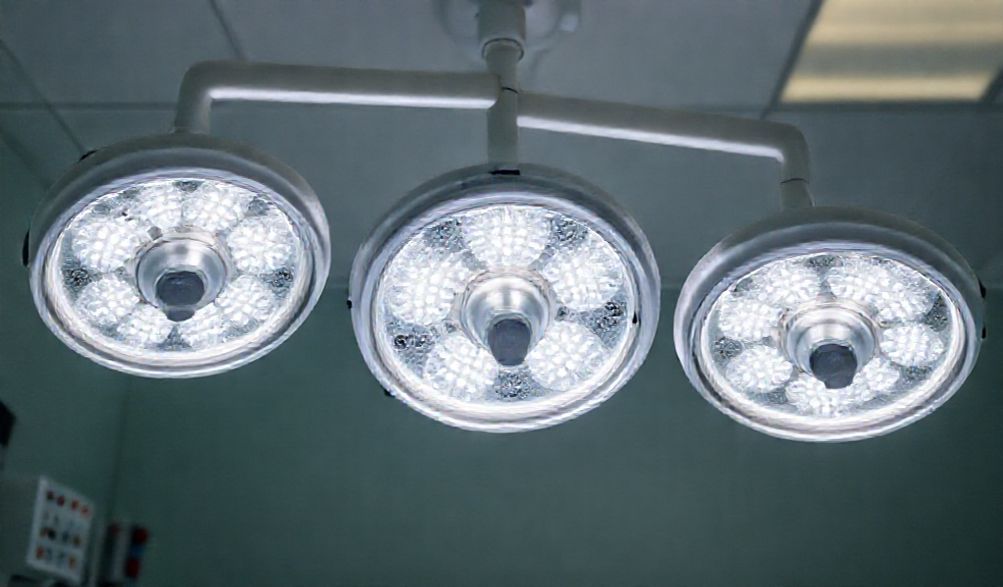
Your Complete Guide to Buying Surgery Lights for Sale: Quality, Safety, and Value
The operating room is a theater of precision, where every instrument, every movement, and every second counts. At the center of this high-stakes environment is a piece of equipment so fundamental that its performance can directly dictate success: the luz quirúrgica. For administrators, clinical engineers, and surgeons tasked with procuring new OR equipment, navigating the market for “surgery lights for sale” is a complex challenge that blends clinical necessity with fiscal pragmatism.
This isn’t a simple purchase of a lamp; it’s an investment in patient safety, surgical accuracy, and staff ergonomics. The right lighting system enhances a surgeon’s ability to differentiate between subtle tissue shades, reduces debilitating eye strain during lengthy procedures, and maintains the integrity of the sterile field. The wrong choice can lead to sombras, hotspots, fatigue, and compromised outcomes.
With options ranging from cutting-edge LED systems to value-driven refurbished units, and specifications filled with terms like Lux, CRI, and depth of illumination, the decision-making process can feel overwhelming. This comprehensive guide is designed to cut through the complexity. We’ll explore the core technology, decode essential features, compare purchase pathways, and provide a step-by-step procurement framework. Our goal is to empower you with the knowledge to make an informed, confident, and cost-effective investment that will illuminate your operating theater for years to come.
Understanding Surgical Lighting: Core Principles and Technology
Before evaluating specific models or vendors, it’s crucial to understand what sets surgical illumination apart from any other light source. These are engineered medical devices built to exacting standards for a singular, critical purpose.
The Critical Role of Illumination in Surgical Outcomes
Superior surgical lighting is a force multiplier for the surgical team. Its primary job is to render the surgical site in a way that mimics natural daylight, providing clarity, contrast, and color accuracy. Proper illumination directly reduces surgeon eye strain and mental fatigue, which is paramount during multi-hour procedures. When a surgeon doesn’t have to struggle to see, cognitive load decreases, and focus can remain entirely on the task at hand.
Furthermore, advanced lighting is designed to minimize shadows cast by surgeons’ heads and hands. This shadow reduction is not a mere convenience; it is vital for procedural accuracy. It allows for better depth perception and tissue differentiation—being able to distinguish a nerve from a blood vessel or healthy tissue from diseased tissue often comes down to subtle color and texture variations under perfect light.
Key Technical Specifications Decoded
When comparing surgery lights for sale, you’ll encounter specific technical terms. Here’s what they truly mean:
- Lux and Lumen Output: Lux measures illuminance (how much light falls on a surface), while lumens measure luminous flux (the total light output). In surgery, a consistent, high-intensity field (often 40,000 to 160,000 lux at the center) is needed. However, “more” isn’t always “better.” The light must be homogeneous, without harsh gradients or dim edges that can cause pupil constriction/dilation and strain.
- Índice de Reproducción Cromática (IRC): This is arguably the most critical specification. CRI measures a light source’s ability to reveal the true colors of objects compared to natural light. A high CRI (≥90, with ≥95 being ideal) is non-negotiable. It ensures blood appears red, tissue appears its correct hue, and organs are seen in their true color, which is essential for accurate diagnosis and intervention.
- Profundidad de Iluminación: This refers to the light’s ability to provide consistent intensity even deep within a body cavity. A light with excellent depth of illumination will maintain a bright, uniform field whether the focus is on a surface incision or deep within a pelvic or thoracic cavity, eliminating “hotspots” at the center and dark areas at the periphery.
LED vs. Halogen: A Modern Comparison
The shift from halogen to LED is the defining technological transition in surgical lighting.
- Halogen Lights: The traditional choice, they produce a warm, high-CRI light. Their significant drawbacks include high energy consumption, substantial radiant heat output (which can dry out tissue and discomfort the surgical team), and short bulb lifespan (typically 1,000-2,000 hours), leading to frequent and costly replacements.
- La iluminación integrada es un factor revolucionario. Now the modern standard, LEDs offer dramatic advantages. They are vastly more energy-efficient (reducing operating costs by up to 80%), produce minimal radiant heat, and have an exceptionally long lifespan (40,000 to 60,000+ hours). This means a decade or more of use without a bulb change. While the upfront cost for LED surgery lights for sale is higher, the Total Cost of Ownership (TCO) is almost always lower due to savings on energy, replacement bulbs, and reduced cooling load in the OR.
Key Features to Evaluate When Purchasing Surgery Lights
Beyond raw specifications, the design and usability features of a surgical light system determine how well it integrates into the surgical workflow.
Maneuverability and Ergonomic Design
A light must go where the surgery goes without compromising sterility. Evaluate the suficiente y la articulation of the light arms. Can the light head be easily positioned directly over the surgical site from various ceiling mount points? A smooth, perfectly counterbalanced system allows for effortless repositioning with a single touch, even while scrubbed, preventing contamination of the sterile field. Also, assess the control panels—they should be intuitive, easy to clean, and positioned for access by circulating nurses.
Light Field Characteristics and Shadow Management
Look beyond the single number for lux. Inquire about the focal spot diameter (the size of the central, highest-intensity area) and the profundidad de campo. Modern systems use computer-designed reflectors and multiple LED arrays (often in a concentric ring configuration) to create what’s known as “shadow dilution.” When a surgeon’s head blocks one set of LEDs, the others fill in the gap, dramatically reducing obstructive shadows. This multi-source design is key to consistent illumination.
Sterility and Infection Control Compliance
The physical design must support a sterile environment. The light head should have a seamless, closed canopy with no crevices or seams where pathogens can accumulate. All materials must withstand daily cleaning with harsh disinfectants without degrading. Features like sealed joints, antimicrobial coatings, and smooth surfaces are not extras—they are essential for infection control protocols.
Navigating Your Purchase Options: New vs. Refurbished
One of the most significant decisions you’ll face is whether to invest in new or certified refurbished surgery lights for sale. Both are valid paths, depending on your facility’s needs and budget.
The Case for New Surgical Lights
Purchasing new offers the pinnacle of current technology, design, and warranty. You receive the latest LED innovations, the most advanced ergonomic features, and guaranteed compliance with all contemporary safety and performance standards (like IEC 60601-2-41). A full manufacturer’s warranty (typically 2-5 years) provides peace of mind. This path is ideal for new hospital construction, major OR suite renovations, or when a specific, cutting-edge feature is required.
The Value Proposition of Certified Refurbished Lights
For many facilities, certified refurbished lights present an outstanding value. “Certified refurbished” means a pre-owned light from a reputable manufacturer (e.g., Stryker, Steris, Berchtold) has been taken by a specialized vendor, completely disassembled, worn parts replaced, updated with new LED modules if applicable, meticulously tested, and recertified to meet original performance specifications.
The primary advantage is cost, with savings of 40-60% compared to new models. This allows facilities to acquire premium-brand performance on a constrained budget or equip multiple rooms for the price of one new light. The key is vetting the refurbisher. They must provide a robust warranty (a minimum of one year on parts and labor), full service records, and documentation of compliance. They should be an authorized service partner for the brands they refurbish.
Red Flags to Avoid in the Marketplace
Exercise extreme caution with “as-is” equipment sold without certification or warranty. These units may have hidden damage, outdated safety standards, or compromised performance. Always prioritize vendors with a sterling reputation, proven healthcare experience, and a robust service network. The lowest upfront price can lead to the highest long-term cost in repairs and downtime.
The Procurement Process: A Step-by-Step Guide
A structured approach ensures you select the right system for your specific needs.
1. Conducting a Needs Assessment for Your Facility
Start internally. What surgical specialties are performed (e.g., delicate neurosurgery vs. open abdominal procedures)? What is the size and layout of your ORs? What is the ceiling infrastructure (track systems, fixed points)? Most importantly, consult your key stakeholders: Cirujanos, enfermeras de quirófano y personal de ingeniería biomédica. Su experiencia práctica es invaluable para definir los requisitos de intensidad lumínica, maniobrabilidad y facilidad de uso.
2. Búsqueda y Evaluación de Proveedores
Busque proveedores con una experiencia sólida y demostrada experiencia en el ámbito de equipos de capital médico. Solicite especificaciones detalladas del producto, pida referencias de instalaciones similares y revise casos de estudio. Un proveedor confiable actúa como consultor, ayudándole a adaptar la tecnología a la necesidad, no solo procesando un pedido.
3. Costo Total de Propiedad (CTP) Más Allá del Precio de Etiqueta
El precio de compra es solo el comienzo. Un análisis honesto del CTP incluye:
* Instalación: Refuerzo del techo, trabajo eléctrico y montaje.
* Mantenimiento: Costo de las inspecciones anuales de mantenimiento preventivo.
* Consumibles: Para luces halógenas, considere el costo y la mano de obra de los reemplazos de bombillas cada pocos meses.
* Consumo de Energía: Calcule la diferencia de costo anual entre una lámpara halógena de alto consumo y un LED eficiente.
* Servicio y Soporte: Comprenda el costo y la cobertura de los contratos de servicio. Asegúrese de que las piezas de repuesto estarán disponibles durante la vida útil del sistema.
Preguntas Frecuentes: Preguntas Comunes Sobre Luces Quirúrgicas en Venta
¿Cuál es la vida útil típica de una luz quirúrgica LED?
Los módulos LED en sí tienen una calificación de 40,000 a 60,000 horas de uso. En un horario típico de quirófano, esto se traduce en 10-15 años o más antes de que se pueda notar una disminución en la salida de luz, superando con creces las 1,000-2,000 horas de una bombilla halógena.
¿Puedo modernizar mi antigua luz quirúrgica con tecnología LED?
Para muchas marcas principales, sí. Proveedores especializados ofrecen kits de modernización LED que reemplazan el antiguo conjunto de lámpara halógena. Esto requiere una evaluación profesional para garantizar una disipación de calor adecuada, compatibilidad eléctrica y que el rendimiento mejorado cumpla con las expectativas. Puede ser una forma rentable de modernizar un sistema mecánico confiable.
¿Qué garantía debo esperar?
Las luces quirúrgicas nuevas de los principales fabricantes suelen incluir una garantía integral de 2 a 5 años. Un proveedor acreditado de luces quirúrgicas reacondicionadas certificadas en venta debe proporcionar un mínimo de 1 año de garantía completa en piezas y mano de obra, con opciones de extensión.
¿Qué tan crítico es el servicio y soporte después de la venta?
Es absolutamente crítico. Las luces quirúrgicas son dispositivos mecánicos que requieren calibración y mantenimiento. Elija un proveedor con una red de servicio calificada y receptiva. Cuando una luz no funciona, un quirófano puede quedar inactivo, lo que resulta en una pérdida significativa de ingresos. Un soporte confiable minimiza este riesgo.
¿Existen estándares específicos que las luces quirúrgicas deben cumplir?
Sí. En los Estados Unidos, las luces quirúrgicas están reguladas por la FDA como dispositivos médicos de Clase II. Internacionalmente, deben cumplir con la norma IEC 60601-2-41, que define rigurosamente los requisitos de seguridad, rendimiento (incluida la homogeneidad del campo de luz y la reproducción cromática) y marcado.
Conclusión
La búsqueda de la luz quirúrgica adecuada surgery lights for sale es un proceso estratégico que equilibra la excelencia clínica con la sabiduría operativa. Al basar su decisión en los principios fundamentales de la iluminación quirúrgica—priorizando un Índice de Reproducción Cromática excepcional, campos de luz profundos y homogéneos, y un diseño ergonómico—invierte directamente en la precisión quirúrgica y el bienestar del personal. Sopesar cuidadosamente el valor a largo plazo de la nueva tecnología frente a los ahorros significativos del equipo reacondicionado certificado permite una gestión fiscal inteligente sin comprometer la calidad.
En última instancia, el éxito radica en asociarse con un proveedor conocedor y acreditado que ofrezca no solo un producto, sino experiencia, soporte confiable y un compromiso con el éxito de su instalación. Vaya más allá de simplemente encontrar una luz en venta; invierta en un sistema de iluminación que servirá como una piedra angular confiable y de alto rendimiento de su quirófano, iluminando el camino hacia mejores resultados para los pacientes en innumerables procedimientos por venir. Comience con una evaluación exhaustiva de las necesidades, haga las preguntas detalladas aquí descritas y elija un socio en quien pueda confiar.
p>