
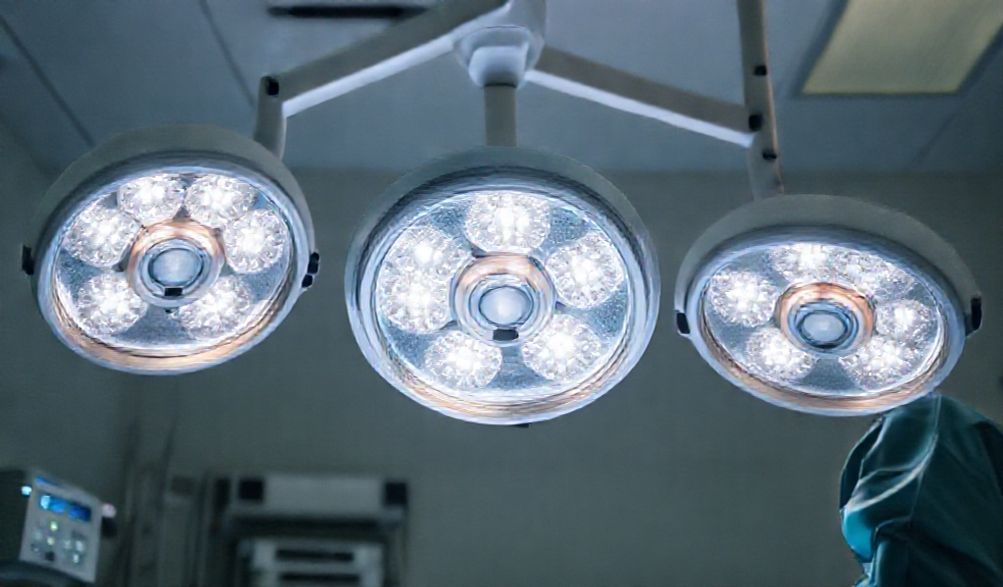
Surgical Examination Lights: A Comprehensive Guide to Optimal Lighting in Medical Procedures
In the intricate dance of surgery, where millimeters matter and tissue planes must be perfectly discerned, one element is foundational yet often underappreciated: light. A single shadow obscuring a critical vessel, a glare reflecting off an instrument, or a color distortion masking tissue ischemia can mean the difference between a routine procedure and a life-altering complication. surgical lighting is not merely a utility; it is an active, intelligent participant in patient safety and surgical success.
This guide serves as a thorough, evidence-based resource for the entire clinical team—from the surgeon seeking unparalleled visualization to the nurse manager overseeing operating room (OR) upgrades, and the facility planner designing a new surgical suite. We synthesize principles from medical device standards, peer-reviewed studies on surgical ergonomics, and clinical best practices to cut through the technical jargon. Our purpose is to empower you with the knowledge to make informed, strategic decisions about surgical examination lighting. This comprehensive overview will detail the critical types, key performance features, practical selection criteria, and essential maintenance protocols necessary to ensure these vital systems perform at their peak in any clinical setting.
Why Surgical Lighting is More Than Just Illumination
Moving beyond the simple concept of “brightness,” modern luz quirúrgicaing is a sophisticated ergonomic and diagnostic tool. Its quality directly influences both the procedural outcome and the well-being of the surgical team.
The Direct Impact on Surgical Outcomes
The primary mandate of a surgical light is to enable precision. Studies in surgical ergonomics consistently draw a direct line between optimal lighting and reduced error rates. Enhanced visualization allows for more accurate dissection, better identification of anatomical structures, and improved control during delicate maneuvers. This is particularly crucial in specialties like neurosurgery, ophthalmology, and plastic surgery, where subtle visual cues are paramount.
Furthermore, proper lighting is a significant factor in combating surgeon fatigue—both visual and physical. Inadequate lighting forces the surgeon’s eyes and brain to work harder to compensate for poor contrast, shadows, or incorrect color representation. This visual strain can lead to headaches, decreased concentration, and cognitive fatigue over long procedures. Physically, poorly positioned lights can cause surgeons to adopt awkward, static postures to “chase” the light, contributing to musculoskeletal strain.
Key Performance Metrics: Beyond Brightness
Evaluating a surgical light requires understanding a suite of interconnected metrics:
- Illuminance (Lux): This is the measure of light intensity on the surgical field. While “more lux” may seem better, the requirement is procedure-specific. For example, a superficial procedure may require 40,000-160,000 lux, while deep-cavity surgery demands systems capable of delivering intense, focused light without excessive peripheral spill that can cause glare.
- Índice de Reproducción Cromática (IRC): Perhaps as critical as intensity, CRI measures a light source’s ability to reveal the true colors of objects compared to natural light. A high CRI (90+ is ideal, with 100 being perfect sunlight) is non-negotiable. It allows surgeons to accurately distinguish arterial blood from venous blood, identify subtle tissue changes like cyanosis or ischemia, and differentiate between similar-looking structures. Poor CRI can lead to diagnostic uncertainty.
- Gestión de Sombras: The goal is not to eliminate all shadows—some provide essential depth perception—but to minimize obstructive shadows. Advanced surgical lights use multiple LED point sources arranged in a specific pattern or reflector technology to fill in shadows created by the surgeon’s head and hands. This provides deep-cavity illumination, ensuring the base of a wound is as well-lit as the surface.
- Homogeneidad: This refers to the evenness of light distribution across the field. A light with poor homogeneity will have a bright, glaring “hot spot” in the center and dimmer edges, forcing constant refocusing of the eyes. High homogeneity ensures consistent illumination across the entire area of interest, reducing visual fatigue.
Types of Surgical Examination Lights
The term “surgical light” encompasses a range of systems designed for different applications and scales of procedure.
Overhead Surgical Lights (Major Systems)
These are the workhorses of the main operating room, typically configured as single or multiple lamps on a central assembly.
- LED vs. Halogen: The industry has decisively shifted to LED technology. LEDs offer a vastly superior lifespan (40,000-60,000 hours vs. 1,000-2,000 for halogen), dramatically reducing replacement frequency and maintenance costs. They produce significantly less radiant heat, enhancing patient and staff comfort. LEDs are also far more energy-efficient and provide exceptional, consistent light quality with high CRI from the first use to the last.
- Ceiling-mounted vs. Track-mounted: Ceiling-mounted lights are fixed to a single point, offering robust stability. Track-mounted systems provide greater flexibility, allowing lights to be moved along a ceiling rail to service multiple OR tables or to be positioned out of the way when not in use. The choice depends on OR layout, surgical specialty mix, and desired workflow flexibility.
Specialized and Supplementary Lighting
Overhead systems are often complemented by targeted lighting solutions.
- Headlights and Loupes: For microsurgery, dentistry, neurosurgery, and intricate plastic procedures, head-mounted LED lights offer intense, coaxial illumination directly in the surgeon’s line of sight. When integrated with surgical loupes, they provide magnified, shadow-free visualization of the smallest structures.
- Minor Procedure Lights: Found in outpatient surgery centers, emergency rooms, labor & delivery rooms, and for bedside procedures, these are smaller, more mobile lights. They may be wall-mounted, on a floor stand, or attached to a procedure cart, providing excellent local illumination for suturing, wound care, and examinations.
- Endoscopic and Cavity Lights: In minimally invasive surgery, the primary light source is often the endoscope itself. However, overhead lights with specific color temperatures and dimming capabilities are crucial to monitor external patient condition and to support ancillary tasks without interfering with the endoscopic image on monitors.
Critical Features for Evaluation and Selection
Choosing a system involves balancing technical performance with practical usability.
Ergonomic and Operational Features
- Maneuverability: The light must be effortlessly positioned. Evaluate the reach, the smoothness of articulation at each joint, and the system’s ability to stay in position without drift. A well-balanced light reduces physical effort for staff.
- Esterilidad: Design elements matter. Sterile handles should be intuitive and easy to grip with a draped hand. The overall shape should facilitate easy and secure draping to maintain a sterile field. Surfaces should be seamless and easy to clean.
- Control Sin Contacto: To maintain sterility, controls via foot switches, voice activation, or sterile touch-sensitive interfaces on the handle are essential. The ability to adjust intensity and color temperature without breaking scrub is a key workflow advantage.
Technological and Safety Features
- Color Temperature Control: The ability to adjust light from a cooler, bluer white (e.g., 4500K) to a warmer, yellower white (e.g., 3500K) can enhance contrast for specific tissues. Cooler light can improve visualization of red tones, while warmer light may reduce glare on highly reflective surfaces.
- Integración de Cámara: For teaching hospitals and recording procedures, lights must be “video-friendly.” This means minimal flicker under digital recording, excellent color consistency, and sometimes dedicated modes that optimize light for the camera sensor without blinding the surgical team.
- Redundancy & Safety: Reliability is paramount. Look for systems with redundant LED drivers or multiple independent light modules so that a single component failure doesn’t plunge the field into darkness. Compliance with electromagnetic compatibility (EMC) standards prevents interference with other sensitive OR equipment.
Implementing and Maintaining Your Surgical Lighting System
A strategic approach to procurement and upkeep protects your investment and ensures sustained performance.
The Procurement Checklist
- Clinical Needs Assessment: Engage surgeons and nurses from each specialty. What are their visualization challenges? Do they perform deep-cavity work? Is color differentiation critical?
- OR Layout Audit: Consider ceiling height, table positions, boom placements, and potential obstructions. Will track systems or fixed mounts work better?
- Integración: Look beyond the purchase price. Factor in energy consumption (LEDs save significantly), the cost and schedule of replacement modules/lamps, and the expected service contract costs. The lower maintenance of LEDs often justifies a higher initial investment.
Installation and Commissioning Best Practices
Professional installation is critical. It ensures the light’s focal point is correctly aligned with the OR table height and that the coverage patterns overlap optimally for multi-light configurations. Once installed, comprehensive training for all OR staff—surgeons, nurses, and techs—on all features and controls is essential to realize the full benefits of the system.
Mantenimiento Rutinario y Verificación del Rendimiento
- Limpieza Diaria: Utilice únicamente limpiadores aprobados por el fabricante. Los residuos de productos químicos agresivos pueden degradar las lentes y los reflectores, disminuyendo permanentemente la intensidad luminosa y la homogeneidad.
- Servicio Profesional Programado: Adhiérase al programa del fabricante, típicamente un servicio anual. Un técnico certificado debe inspeccionar la estabilidad mecánica (por deriva o desequilibrio), la seguridad eléctrica y, lo más importante, el rendimiento fotométrico (verificando que el lux, el IRC y la homogeneidad estén dentro de las especificaciones).
- Monitoreo de la Degradación: Aunque los LED se degradan muy lentamente, su rendimiento puede disminuir con los años. Se debe alentar al personal a informar si las luces parecen más tenues o menos uniformes, lo que activaría una verificación de rendimiento.
Preguntas Frecuentes (FAQ)
P1: ¿Cuál es la vida útil típica de una luz quirúrgica LED en comparación con una halógena?
R: Las luces quirúrgicas LED suelen durar entre 40.000 y 60.000 horas, superando significativamente a las bombillas halógenas (1.000-2.000 horas). Esto se traduce en años de uso sin cambio de bombilla, reduciendo drásticamente los costos de mantenimiento y el riesgo de fallos durante un procedimiento.
P2: ¿Con qué frecuencia deben recibir servicio profesional o calibración las luces quirúrgicas?
R: Los fabricantes generalmente recomiendan un servicio profesional anual. Esta inspección verifica la estabilidad mecánica (comprobando la deriva), la seguridad eléctrica y la salida fotométrica, asegurando que la iluminancia (lux), la reproducción cromática (IRC) y la homogeneidad sigan cumpliendo con las especificaciones de rendimiento originales, críticas para una cirugía segura.
P3: ¿Pueden las luces quirúrgicas contribuir a la fatiga del cirujano?
R: Absolutamente. Una iluminación deficiente que cause deslumbramiento, sombras duras o una reproducción cromática inexacta obliga al sistema visual del cirujano a compensar constantemente. Esto conduce a fatiga ocular, dolores de cabeza y fatiga cognitiva, lo que puede afectar la concentración y el rendimiento, especialmente durante procedimientos largos y complejos.
P4: ¿Existen normas específicas que deban cumplir las lámparas quirúrgicas?
R: Sí. Las normas internacionales clave incluyen la IEC 60601-2-41, que especifica los requisitos de seguridad y rendimiento esencial para las luces quirúrgicas. En los EE. UU., ANSI/AAMI ES60601-1 es la norma armonizada. El cumplimiento garantiza que el dispositivo cumple con los puntos de referencia básicos de seguridad, seguridad eléctrica y rendimiento.
P5: ¿Cuál es la característica más importante para las luces de quirófano de un hospital universitario?
R: Si bien todas las características son importantes, Una integración superior de cámaras y un Índice de Reproducción Cromática (IRC >95) muy alto son primordiales. Esto asegura que las grabaciones de video y las transmisiones en vivo proporcionen una representación precisa y realista del campo quirúrgico, lo cual es esencial para una enseñanza efectiva, la telemedicina y la revisión de procedimientos.
Conclusión
Seleccionar luces de examen quirúrgico es una inversión profunda y a largo plazo en la calidad clínica, el bienestar del personal y la seguridad fundamental del paciente. Requiere un equilibrio cuidadoso entre las especificaciones técnicas duras (lux, IRC, homogeneidad) y la ciencia blanda de la ergonomía y el flujo de trabajo operativo. Para proteger esta inversión, consulte en profundidad con los usuarios finales clínicos, colabore con proveedores acreditados y certificados, y adhiérase rigurosamente a los programas de mantenimiento prescritos. Esto preserva la eficacia y seguridad del sistema a lo largo de su vida útil.
En el entorno de alto riesgo de la cirugía, la luz adecuada hace más que iluminar; aclara la anatomía, protege contra errores y permite la excelencia quirúrgica. Priorizar esta herramienta esencial es un compromiso directo y tangible con el avance del estándar de atención.
Llamado a la Acción: Comience realizando una auditoría simple de iluminación en su propio centro. Reúna comentarios de los equipos quirúrgicos sobre sus puntos problemáticos. Consulte con colegas de especialidades similares sobre sus soluciones. Finalmente, solicite demostraciones prácticas a proveedores de equipos médicos de renombre. Experimente de primera mano la diferencia que puede marcar una iluminación quirúrgica moderna y óptima.
p>