
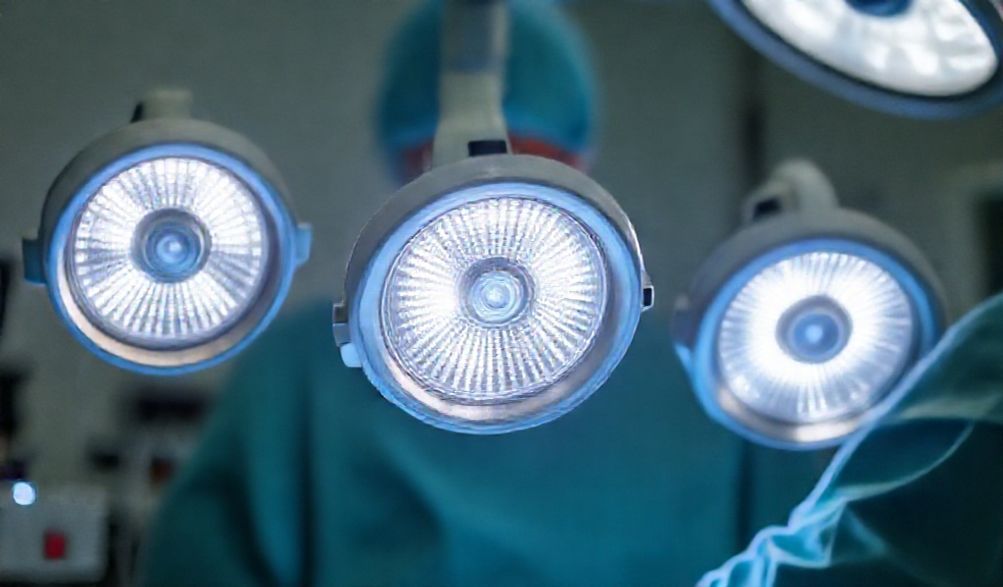
Illuminating Precision: A Comprehensive Guide to Surgical Headlights for Medical Professionals
In the high-stakes theater of the operating room, where millimeter precision can define success, the tools of the trade are scrutinized with intense focus. Scalpels, sutures, and imaging systems are rightfully celebrated. Yet, there is one foundational technology, often operating in the background of our awareness, that is fundamental to every visual task a surgeon performs: illumination. Headlights for surgery are far more than simple flashlights mounted on a headband. They are sophisticated, ergonomic optical systems designed to deliver intense, shadow-free, and focused light directly into the surgical field. This guide is crafted for surgeons, surgical residents, operating room nurses, and hospital procurement specialists seeking an authoritative, evidence-based resource. We will delve into the technology, key selection criteria, clinical benefits, and best practices for using los frontales quirúrgicos to enhance visual acuity, reduce surgeon fatigue, and ultimately improve patient outcomes. Our analysis is grounded in clinical ergonomics, optical engineering principles, and the practical realities of the modern OR.
The Critical Role of Illumination in Surgical Outcomes
Before selecting a system, it’s vital to understand por qué specialized illumination is non-negotiable in modern surgery. overhead OR lights, while essential for ambient lighting, cannot provide the coaxial, deep-cavity, or highly specific illumination required for intricate work.
Beyond Visibility: How Light Quality Affects Surgical Precision
The goal of a surgical headlight is not just to make things “bright.” It is to optimize the surgeon’s visual perception. Key aspects include:
- Depth Perception & Shadow Reduction: Unlike overhead lights that cast shadows from the surgeon’s own hands and instruments, a well-aligned headlight provides coaxial illumination—light travels along the surgeon’s line of sight. This dramatically reduces shadows and creates a clear, three-dimensional understanding of the anatomy, crucial for navigating complex tissue planes.
- Tissue Differentiation & Color Rendition: Distinguishing between a nerve, an artery, and a strip of fascia depends on subtle differences in color, texture, and reflectivity. A light source with a poor El Índice de Reproducción Cromática (IRC) can make tissues appear washed out or artificially colored, masking these critical distinctions. High-quality illumination reveals true tissue color and morphology.
- Evidence of Impact: Studies have linked superior illumination to tangible outcomes. Research in fields like microsurgery and dentistry has demonstrated associations between optimized lighting and reduced procedural errors, shorter operating times, and improved identification of anatomical landmarks. In essence, better light translates to more confident, efficient, and accurate dissection.
The Ergonomics of Sight: Reducing Surgeon Fatigue and Physical Strain
The physical toll of surgery is well-documented, with a high prevalence of neck and back pain among surgeons. Poor lighting is a significant, often overlooked, contributor to this strain.
- The Posture Problem: Inadequate or misdirected light forces surgeons to compensate by contorting their bodies—craning the neck, hunching the shoulders, or leaning in—to get a better view. These static, awkward postures are a primary driver of musculoskeletal injuries.
- The Hands-Free Solution: A properly balanced surgical headlight system delivers light exactly where the surgeon is looking, effortlessly. This eliminates the need for compensatory posturing. By maintaining a neutral spine and relaxed shoulder position, surgeons can work longer with less physical fatigue, protecting their careers and sustaining their focus throughout lengthy procedures. The ergonomic benefit is a direct investment in the surgeon’s long-term health and performance.
Understanding Surgical Headlight Technology & Components
To make an informed choice, one must understand the core components that define a system’s performance.
Light Source Evolution: Halogen vs. LED vs. Xenon
The heart of any headlight is its light source. The technology has evolved significantly.
- Halógena: The former standard, halogen bulbs produce a warm light. However, they are inefficient, converting most energy into heat, have a short lifespan (typically 50-100 hours), and can cause tissue drying due to infrared emission.
- Xenon: Brighter and whiter than halogen, xenon offered improved color temperature. Yet, they shared similar drawbacks: high heat output, significant power consumption, and limited lifespan.
- LED (Light Emitting Diode): The unequivocal standard for modern headlights for surgery. LEDs offer superior benefits:
- Brightness & Efficiency: Extremely high light output (measured in lux) with minimal power draw.
- Funcionamiento Fresco: Minimal infrared/heat radiation, protecting delicate tissues and surgeon comfort.
- Larga vida útil: Lifespans of 20,000 to 50,000 hours, making them virtually maintenance-free for years.
- Color Temperature Control: LEDs can be engineered to produce the ideal “daylight” color temperature (~4500-5500K) that enhances contrast and reduces eye strain.
Optical Systems: Focusing on Spot Size, Depth of Field, and Luminance
The light source is only the beginning. The optical system—the lenses and reflectors—shapes that light for surgical use.
- Key Terms:
- Lux: The measure of illuminance (light intensity) on the surgical field. Higher lux values mean a brighter spot.
- Spot Size/Field Diameter: The width of the illuminated area at a given working distance. Adjustable spot sizes are a key feature.
- Depth of Field/Illumination: The distance range over which the spot remains in focus and adequately bright. Crucial for deep cavity work.
- Specialty-Specific Profiles: A neurosurgeon working at the base of the skull needs a small, intensely bright spot with exceptional depth of field. A plastic surgeon performing a facelift may prefer a wider, more diffuse field for even illumination over a broader surface area. The best systems offer adjustable optics to match the task.
The Power System: Battery Packs, Cords, and Runtime
Reliable, uninterrupted power is non-negotiable in surgery.
- Belt-Mounted vs. Battery-in-Line: Belt-mounted packs offer longer runtime and better weight distribution for the head, but add a cable to the surgeon’s person. Battery-in-line systems (where the battery is part of the rear headband cable) are lighter on the belt and have fewer cords but may have shorter runtimes.
- Runtime & Indicators: Modern LED systems typically offer 6 to 10+ hours on a single charge. A clear, visible battery charge indicator (often on the battery pack itself or the light source) is essential for OR planning. Reliability and a proven track record of battery performance are critical purchase criteria.
How to Choose the Right Surgical Headlight System: A Buyer’s Guide
With the technology understood, how does one select the right tool?
Matching the Tool to the Specialty: Neurosurgery, Dentistry, ENT, Plastics, etc.
Different disciplines have unique visual demands:
* Neurosurgery, Spinal, Deep-Cavity ENT: Prioritize maximum depth of field, high lux output in a small spot, and co-axial alignment.
* Odontología y Cirugía Oral: Require a wide field of view to illuminate the oral cavity, often integrated with magnification loupes.
* Plastic, Reconstructive, & Superficial Procedures: Benefit from a larger, more uniform spot size with excellent color rendering to assess skin flaps and tissue viability.
* Microsurgery & Ophthalmology: Demand the highest levels of brightness and precision, often with specialized beam shapes.
Key Performance Metrics to Evaluate Before Purchase
Create a checklist based on these objective and subjective metrics:
1. Light Output: Seek high lux values (e.g., 40,000 to 150,000+ lux) at a standard working distance.
2. Índice de Reproducción Cromática (IRC): Aim for a CRI of 90 or higher. This is critical for accurate tissue discrimination.
3. Spot Size Adjustability: Does it offer a range from a focused spot to a wide field?
4. Peso y equilibrio: The system should feel secure and neutral on the head. Total weight (with battery) under 300 grams is a common target.
5. Comodidad: Padding, adjustability, and heat dissipation are paramount for long procedures.
Considering Compatibility and the Surgical Ecosystem
A headlight does not operate in isolation.
* Integration with Loupes: Most surgeons use magnification. Ensure the headlight can be securely and ergonomically mounted to your loupe frame, or consider an integrated loupe-light system from a single manufacturer.
* Documentation & Cameras: For teaching or recording, some systems offer beam-splitters or camera mounts that integrate seamlessly.
* Esterilización y Control de Infecciones: Critical components (like the light source module) must be compatible with your facility’s sterilization methods (autoclaving, hydrogen peroxide plasma). Understand which parts are sterile, which are cleanable, and what disposable barriers are required.
Mejores Prácticas para el Uso, Mantenimiento y Seguridad
Optimal performance requires proper handling.
Proper Setup and Alignment: Achieving Optimal Illumination
A misaligned headlight is worse than no headlight at all. Follow a consistent setup:
1. Colocación: Position the headband comfortably, with the light source centered on the forehead.
2. Balancing: Adjust the counterweight (if present) or battery cable so the unit feels stable, not front-heavy.
3. Focusing: Aim at a target at your typical working distance. Adjust the spot size and focus until the beam is even, bright, and centered in your field of view without a distracting “hot spot.”
Cleaning, Sterilization, and Routine Maintenance Protocols
Strict adherence to manufacturer guidelines is a patient safety imperative.
* Post-Procedure Cleaning: Wipe down all non-sterile surfaces (headband, cables) with an approved hospital disinfectant.
* Esterilización: Siga la Instrucciones de Uso (IFU) del fabricante exactly for sterilizing the light module. Never autoclave a component not rated for it.
* Cuidado de la Batería: Follow charging protocols to maximize battery lifespan. Store batteries partially charged if not in use for extended periods.
Safety First: Avoiding Thermal, Electrical, and Ocular Risks
- Thermal: Although LEDs are cool, never leave a powered headlight pointed at stationary tissue for prolonged periods.
- Electrical: Regularly inspect cords and connectors for damage. Use only manufacturer-approved chargers and batteries.
- Ocular: Avoid looking directly into the light source. Ensure the beam is not reflecting sharply off instruments into your or your assistant’s eyes.
Sección de Preguntas Frecuentes
P1: ¿Cuál es la vida típica de la batería para una lámpara frontal quirúrgica LED moderna?
R: Most high-quality LED systems offer 6 to 10+ hours of runtime on a single charge at maximum brightness, significantly outperforming older halogen models. Always check the manufacturer’s specifications for the specific model.
P: ¿Puedo usar mi faro quirúrgico con lupas de aumento?
R: Yes, most modern systems are designed for compatibility. Many are offered as integrated “loupe-light” systems, or as separate, easily mounted headlights that can be attached to the loupe frame. It is crucial to ensure the combined weight is ergonomically acceptable.
P: ¿Qué importancia tiene el Índice de Reproducción Cromática (IRC) para la cirugía?
R: Extremely important. A high CRI (90+ is ideal, with 100 being perfect sunlight replication) ensures tissues, blood vessels, and anatomical structures appear in their true colors. This accurate color differentiation is vital for identifying tissue planes, assessing tissue health, and avoiding errors.
Q: Are surgical headlights considered reusable medical devices? What are the sterilization standards?
R: Yes, they are reusable. Critical components that contact the sterile field or user must be sterilizable. Most systems have autoclavable (steam sterilizable) light source modules or use disposable, sterile barriers. Always follow the device manufacturer’s validated Instructions for Use (IFU) and adhere to your institution’s infection control policies.
Q: What is the expected lifespan of a surgical headlight system?
R: El factor principal es la fuente de luz. Los módulos LED suelen durar entre 20.000 y 50.000 horas, lo que les permite perdurar efectivamente durante muchos años de uso clínico. La vida útil general del sistema depende del cuidado de la batería y del manejo físico, y a menudo oscila entre 5 y 10 años con un mantenimiento adecuado.
Conclusión
Seleccionar y utilizar el equipo apropiado headlights for surgery no es simplemente una elección de equipamiento, sino una inversión directa en la precisión quirúrgica, el bienestar del profesional y una atención al paciente superior. Al comprender la tecnología subyacente, emparejando cuidadosamente las capacidades del sistema con las demandas del procedimiento y adhiriéndose a protocolos de mantenimiento rigurosos, los equipos quirúrgicos pueden optimizar su campo visual al máximo potencial. A medida que la tecnología de iluminación continúa avanzando, mantenerse informado a través de canales clínicos de prestigio y la formación de los fabricantes es clave. Recomendamos consultar literatura revisada por pares, buscar demostraciones prácticas de proveedores de dispositivos médicos de confianza y priorizar sistemas respaldados por evidencia clínica sólida y un servicio de soporte confiable para tomar la decisión más informada para su práctica.
p>