
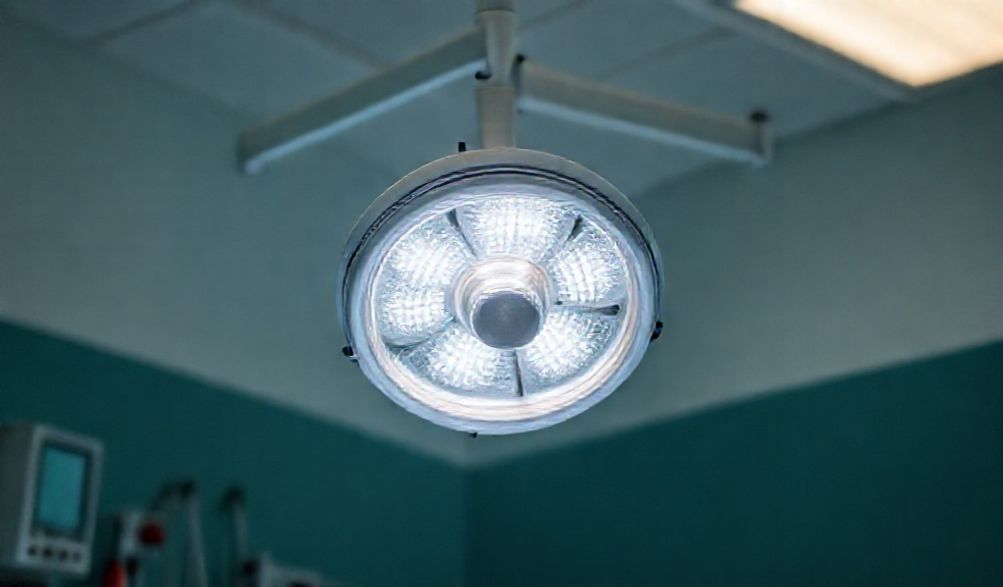
The Complete Guide to Operating Room Lamps: Technology, Safety, and Selection
In the high-stakes environment of the modern operating theater, every piece of equipment plays a role in the delicate ballet of surgery. Among the most critical, yet sometimes overlooked, is the operating room lamp. Far more than a simple source of brightness, the modern luz quirúrgica is a pinnacle of medical engineering—a sophisticated device designed to illuminate not just the surgical field, but the path to a successful outcome. Its performance directly influences a surgeon’s precision, a patient’s safety, and the entire surgical team’s efficiency and endurance.
This guide delves into the intricate world of operating room lamps, moving beyond basic specifications to explore the core technology, clinical impact, and strategic considerations behind this essential equipment. Drawing on principles of surgical engineering and clinical practice, we provide healthcare administrators, clinical engineers, and curious medical professionals with the authoritative knowledge needed to understand, evaluate, and select the optimal lighting solution for any operating room.
The Critical Role of Surgical Lighting in Modern Medicine
The primary function of an operating room lamp is deceptively simple: to provide clear visualization. However, the implications of this task are profound, touching every aspect of a surgical procedure. Inadequate or poor-quality lighting is not merely an inconvenience; it is a tangible risk factor that can compromise patient care.
Beyond Illumination: Enhancing Surgical Precision and Patient Safety
A superior operating room lamp does more than banish darkness. It creates an optimized visual environment that enables a surgeon to perform at their peak. Key to this is the accurate differentiation of tissue types—distinguishing between a nerve, an artery, a vein, and a tumor margin often relies on subtle variations in color, texture, and reflectivity. High-fidelity lighting with excellent color rendering is crucial for these critical decisions.
Furthermore, proper illumination minimizes visual strain and fatigue. When a surgeon must constantly squint or adjust their focus to see details in a poorly lit or shadow-filled cavity, the risk of error increases. A high-intensity, uniformly distributed light reduces this cognitive load, allowing the surgical team to maintain unwavering attention on the task at hand. This directly translates to enhanced patient safety, as precise dissection reduces unintended tissue damage and improves control during delicate maneuvers.
The Impact on Surgical Team Performance and Fatigue Reduction
Surgical procedures can be marathons, lasting several hours. The cumulative effect of eye strain under suboptimal lighting contributes significantly to mental and physical fatigue. A high-quality operating room lamp mitigates this by providing consistent, comfortable illumination that mimics natural daylight. This stability helps maintain the surgical team’s concentration and visual acuity throughout long operations. By reducing the effort required to see, the light allows energy to be directed toward decision-making and technical skill, ultimately supporting sustained team performance and reducing the likelihood of fatigue-related mistakes.
Core Technology and Features of Advanced Operating Room Lamps
Today’s operating room lamps are marvels of optical and mechanical engineering. Understanding their core features is essential to appreciating their value and making an informed selection.
Understanding Light Quality: Lux, Color Temperature, and Color Rendering Index (CRI)
Evaluating a surgical light requires moving beyond subjective “brightness” to objective metrics:
- Lux: This measures illuminance, or the intensity of light falling on a surface. In surgery, a minimum of 40,000 to 160,000 lux is typically required at the center of the surgical field, depending on the specialty, to ensure deep-cavity illumination is sufficient.
- Color Temperature (Kelvin, K): Measured in Kelvins, this describes the hue of the white light. “Warm” light has a lower temperature (e.g., 3000K, yellowish), while “cool” light has a higher temperature (e.g., 5000K, bluish). The surgical standard is a neutral to cool white light, typically between 4000K and 5000K, which provides a bright, alert atmosphere and reduces color distortion.
- Índice de Reproducción Cromática (IRC): Perhaps the most critical metric for surgery, CRI measures a light source’s ability to reveal the true colors of objects compared to natural light. It is rated on a scale of 0 to 100. For accurate tissue differentiation, a CRI of 90 or higher is essential. A light with a low CRI can make tissues appear misleadingly pale, flushed, or dull, posing a significant clinical risk.
Achieving Shadow-Reduction: Multi-Lens Systems and LED Arrays
The elimination of shadows is a defining challenge in surgical lighting. A single light source casts strong shadows from the surgeon’s head, hands, and instruments. Modern operating room lamps solve this through sophisticated optical design:
- Multi-Source LED Arrays: Instead of one large bulb, advanced lights use a panel containing dozens, sometimes hundreds, of individual Light Emitting Diodes (LEDs). These LEDs are arranged in concentric rings or specific patterns.
- Multi-Lens Optical Systems: Each LED or group of LEDs is covered by a specially designed lens. These lenses direct and overlap the light beams from the different points on the panel onto the same spot on the surgical field. When a surgeon’s hand obstructs the light path from one set of LEDs, the overlapping beams from the others fill in the potential shadow, dramatically reducing it to a faint, soft penumbra. This principle of “shadow dilution” is the cornerstone of modern surgical illumination.
Key Functional Features: Sterility, Maneuverability, and Heat Management
The technology extends beyond the light itself to the fixture’s design:
- Esterilidad: The lamp head is designed for the aseptic environment. It features seamless, smooth, non-porous surfaces that can withstand repeated cleaning and disinfection with hospital-grade chemicals without degrading.
- Maneuverability: A surgical light must be effortlessly positioned and remain securely in place. This is achieved through a system of counterbalanced, multi-jointed arms that allow the heavy lamp head to be moved with a light touch and then stay rigidly in position, without drift or droop.
- Gestión del calor: Traditional halogen and metal halide lamps emitted significant radiant heat, which could dry out tissues and discomfort the surgical team. LED technology has revolutionized this aspect, producing minimal infrared radiation. The light delivered is “cold light,” providing intense illumination without the associated heat, greatly enhancing patient and staff comfort.
Types of Operating Room Lamps and Their Applications
Not all operating rooms require the same lighting solution. The choice depends heavily on the surgical specialties performed.
Central Ceiling-Mounted Surgical Lights: The Standard for Major Procedures
These are the workhorses of the main operating room. Typically featuring one or two lamp heads on multi-articulated arms suspended from the ceiling, they offer high intensity (often exceeding 100,000 lux), exceptional shadow reduction, and a large field of illumination. They are designed for versatility, supporting general surgery, orthopedics, cardiothoracic, and abdominal procedures where deep, wide illumination is needed.
Specialty Lights: For ENT, Neurosurgery, and Minimally Invasive Procedures
Certain specialties demand unique lighting solutions:
* ENT/Neurosurgery Lights: These are often smaller, more focused lights that can provide intense, coaxial (straight-line) illumination into deep, narrow cavities like the sinuses or cranial base.
* Endoscopic/Laparoscopic Lights: For minimally invasive surgery, the primary light source is often the scope itself. However, overhead lights are still crucial for ancillary tasks and must be designed to avoid glare on the monitor screens that the surgical team relies on.
Portable and Examination Lights: Supplementary and Emergency Use
Single-arm, mobile surgical lights on floor stands provide flexibility. They are used for minor procedures in treatment rooms, as supplemental lighting in a main OR (e.g., for an additional surgical site), or as reliable backup in case of a main light failure.
Essential Factors for Selecting an Operating Room Lamp
Choosing an operating room lamp is a significant capital investment. A strategic, multi-faceted evaluation is necessary.
Clinical Needs Assessment: Matching the Light to the Surgical Specialty
The selection process must start with the surgeons and the procedures. Conduct a needs analysis: What are the primary surgeries performed? Do they involve deep cavities (requiring high depth-of-field illumination)? Is color differentiation paramount (demanding the highest CRI)? A trauma OR and an ophthalmic OR have vastly different lighting priorities. The best light is the one that best enables the specific surgical work being done.
Evaluating Total Cost of Ownership: Initial Investment vs. Long-Term Operational Costs
The purchase price is just the beginning. A comprehensive financial analysis includes:
* Consumo de Energía: LED systems consume 50-70% less power than older halogen systems, leading to substantial savings on electricity.
* Lamp Lifespan and Replacement Costs: LED arrays can last 20,000 to 50,000 hours, often outlasting the useful life of the fixture itself, eliminating bulb replacement costs and downtime.
* Maintenance and Service: Consider the reliability of the brand, the cost and terms of service contracts, and the availability of local technical support.
Compliance, Standards, and Certification (FDA, IEC 60601-2-41)
Esto no es negociable. Cualquier lámpara de quirófano debe estar aprobada como dispositivo médico en su región (por ejemplo, autorización de la FDA en EE. UU., marcado CE en Europa). Debe cumplir con estrictas normas internacionales de seguridad, en particular la IEC 60601-2-41, que especifica los requisitos esenciales de seguridad y rendimiento para luminarias quirúrgicas y luces de examen. El cumplimiento garantiza la protección contra riesgos eléctricos, mecánicos y térmicos.
Instalación, Mantenimiento y Mejores Prácticas para un Rendimiento Óptimo
Para garantizar que una luz quirúrgica cumpla su función durante años, una instalación y un cuidado adecuados son vitales.
Planificación de la Instalación: Consideraciones Estructurales e Integración en la Distribución del Quirófano
La instalación no es una idea de último momento. Requiere:
* Análisis Estructural: El techo debe soportar el peso significativo de la luz, su sistema de montaje y cualquier adición futura potencial (como brazos para cámaras).
* Planificación Eléctrica: Se necesitan circuitos dedicados con voltaje apropiado y consideraciones de energía de respaldo.
* Cobertura Ergonómica: El rango de movimiento de la luz debe planificarse para garantizar que pueda cubrir adecuadamente toda la mesa quirúrgica y las áreas circundantes sin colisionar con otros equipos montados en el techo, como brazos articulados o monitores.
Protocolos de Mantenimiento Rutinario y Esterilización para Garantizar Seguridad y Larga Duración
- Limpieza Diaria: La cabeza de la lámpara debe desinfectarse después de cada procedimiento utilizando agentes aprobados por el fabricante que no dañen los sellos o las superficies ópticas.
- Mantenimiento Preventivo: Un ingeniero biomédico calificado debe realizar una inspección exhaustiva al menos una vez al año. Esto incluye verificar la tensión y el equilibrio de los brazos, comprobar la salida de luz (métricas de lux y color), inspeccionar cables y conectores, y limpiar los filtros internos.
Capacitación del Personal Quirúrgico para un Uso Eficaz y Seguro
Incluso la mejor luz es ineficaz si se usa incorrectamente. La capacitación integral de cirujanos, enfermeras y personal de apoyo es esencial. Deben ser entrenados en técnicas de manejo adecuadas para evitar dañar los delicados brazos, posicionamiento óptimo para maximizar la iluminación y minimizar las sombras, y en la comprensión de todos los controles y características de seguridad (como el reposicionamiento manual de emergencia).
Sección de Preguntas Frecuentes
P: ¿Por qué las lámparas LED para quirófano han reemplazado en gran medida a los sistemas halógenos y de halogenuros metálicos?
R: Los sistemas LED ofrecen una tríada superior: una eficiencia energética dramática (reduciendo costos operativos), una producción de calor significativamente reducida (mejorando la comodidad del paciente y del personal) y una vida útil excepcionalmente larga (20.000-50.000 horas) con una calidad de luz constante que no se degrada ni requiere un período de calentamiento.
P: ¿Con qué frecuencia debe serviciarse o inspeccionarse una lámpara de quirófano?
R: Más allá de la limpieza diaria por parte del personal clínico, una inspección técnica formal y un mantenimiento preventivo realizados por un ingeniero biomédico calificado o un técnico de servicio certificado deben realizarse al menos anualmente, o estrictamente de acuerdo con el programa recomendado por el fabricante, para garantizar que todos los sistemas operen dentro de especificaciones seguras y efectivas.
P: ¿Cuál es el factor más importante al elegir una luz quirúrgica para un nuevo quirófano?
R: Si bien el costo, el cumplimiento normativo y las características son críticos, el factor primordial es la necesidad clínica. Las especialidades y procedimientos quirúrgicos específicos dictan el rendimiento requerido en intensidad, profundidad de campo, control de sombras y precisión del color. La luz debe ser, ante todo, una herramienta que permita al equipo quirúrgico lograr los mejores resultados posibles para el paciente.
P: ¿Pueden las luces quirúrgicas integrarse con otras tecnologías del quirófano?
R: Absolutamente. Los conceptos modernos de “quirófano híbrido” o “quirófano digital” permiten que las luces quirúrgicas se integren con cámaras de video de alta definición para grabación, enseñanza y telemedicina. Pueden interactuar con sistemas de control de la sala para escenas de iluminación preestablecidas y pueden conectarse con sistemas de navegación quirúrgica o de imágenes, creando un entorno operatorio cohesivo e inteligente.
Conclusión
Seleccionar la lámpara de quirófano adecuada es una decisión estratégica con implicaciones de largo alcance. Es una inversión en precisión quirúrgica, seguridad del paciente, bienestar del equipo y eficiencia operativa a largo plazo. La elección requiere un equilibrio cuidadoso: aprovechar tecnologías avanzadas como la iluminación LED libre de sombras y la reproducción cromática de alta fidelidad, al tiempo que se evalúan rigurosamente los requisitos clínicos, los costos totales del ciclo de vida y un cumplimiento normativo sin concesiones.
Al basar la decisión en las necesidades fundamentales del equipo quirúrgico y sus pacientes, y al comprometerse con una instalación profesional y un mantenimiento disciplinado, las instituciones de salud pueden asegurar una solución de iluminación que se convierta en un socio silencioso y confiable en la atención, iluminando el camino hacia resultados exitosos en miles de procedimientos por venir. Esta guía ha tenido como objetivo proporcionar el conocimiento fundamental para navegar ese proceso de selección con confianza y claridad.
p>