
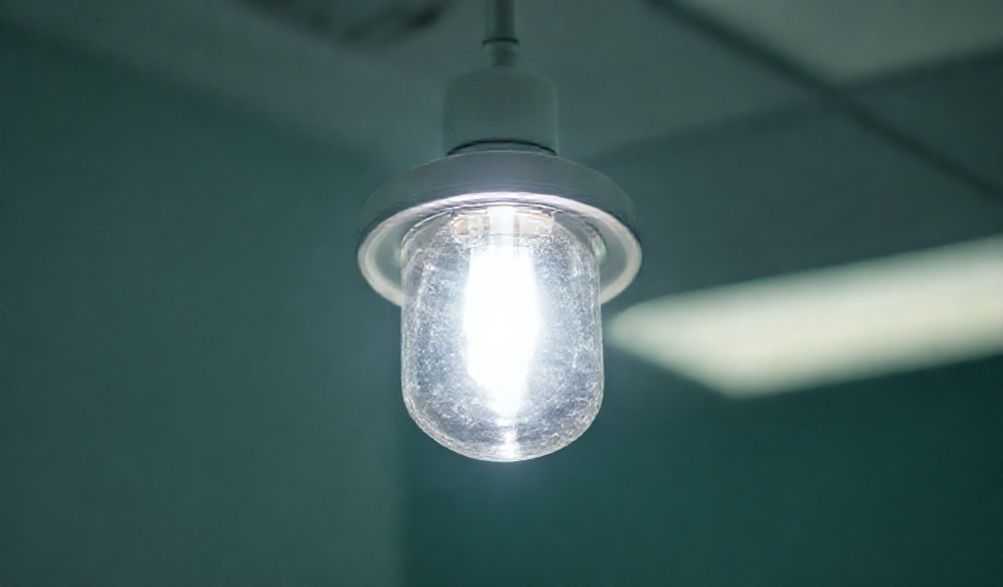
The Ultimate Guide to Medical Lamps: Illuminating Safety, Precision, and Care
Introduction
What if a misdiagnosis, a missed vein, or a surgical complication could be traced back to something as fundamental as the quality of light in the room? In the high-stakes world of healthcare, where millimeters and subtle color variations matter, illumination is far more than a utility—it is a critical component of the clinical toolkit. Poor lighting leads to eye strain and fatigue among professionals, procedural inaccuracies, increased patient discomfort, and a tangible elevation in the risk of human error.
The solution lies not in brighter generic bulbs, but in a category of specialized equipment engineered for these exacting demands: the medical lamp. These are precision instruments designed to deliver consistent, accurate, and safe light where it matters most.
This guide serves as a comprehensive, expert-vetted resource for healthcare administrators, facility managers, procurement officers, and clinicians. Our purpose is to demystify the technical specifications, clarify the diverse types, and provide a framework for selecting the right medical lamp. We synthesize manufacturer data, clinical insights, and industry best practices to offer actionable, trustworthy advice you can use to make informed decisions that enhance care quality and safety.
What is a Medical Lamp? Beyond Standard Illumination
Core Definition and Purpose
A medical lamp is a specialized lighting device designed explicitly for clinical, surgical, diagnostic, and examination tasks. Its primary purpose is to enable accurate visual perception, reducing uncertainty and supporting precise interventions. Unlike commercial or residential lighting, where aesthetics and ambient mood are priorities, a medical lamp is judged solely on performance metrics critical to clinical outcomes: color accuracy, shadow control, intensity, and safety.
Key Differentiating Features
What separates a medical lamp from a standard light fixture? Several engineered features are non-negotiable:
- Índice de Reproducción Cromática (IRC): This is arguably the most critical specification. CRI measures a light source’s ability to reveal the true colors of an object compared to natural light. In medicine, accurate tissue differentiation—distinguishing between arterial blood, venous blood, healthy tissue, and necrotic tissue—is vital. A high CRI (typically >90, with >95 being ideal for surgery) is essential for correct diagnosis and treatment.
- Shadow Reduction & Uniformity: A single, point-source light creates harsh, obstructive shadows. Medical lamps employ technologies like multiple LED arrays, ring-shaped light sources, or combined direct/indirect lighting to fill in shadows and provide uniform illumination across the field, ensuring no detail is hidden.
- Cool Light & Heat Management: Traditional halogen surgical lights emitted significant radiant heat, which could dry out patient tissues and discomfort the surgical team. Modern LED-based medical lamps produce minimal infrared radiation, delivering “cool light” that protects patient physiology and improves practitioner comfort during long procedures.
- Adjustability & Ergonomics: Clinical workflows are dynamic. A high-quality medical lamp offers effortless maneuverability through articulated arms, smooth positioning locks, and a sufficient range of motion to place light exactly where needed without disrupting the sterile field or the clinician’s posture.
Primary Types of Medical Lamps and Their Clinical Applications
Not all medical lighting needs are the same. The right medical lamp is chosen based on its specific clinical application.
Surgical Overhead Lights
- Purpose: To provide intense, deep-cavity illumination during open and minimally invasive surgical procedures.
- Características Clave: These are complex systems. They offer extremely high intensity (often exceeding 40,000 lux), sophisticated shadow reduction (like twin-head designs that eliminate the central shadow), and adjustable color temperature. Many feature sterile handles for intraoperative adjustment by the surgical team and are designed for seamless integration with other OR technologies.
- Ideales para: Main operating rooms, dedicated surgical suites for major and minor procedures.
Examination Lights (Diagnostic & Procedural)
- Purpose: To deliver clear, high-quality light for close-up visualization during patient examinations, wound care, and minor outpatient procedures.
- Características Clave: Prioritize high CRI and flexibility. They come as wall-mounted units, ceiling-mounted on track systems, or mobile floor stands. Articulated arms or goosenecks allow precise positioning. Intensity is sufficient for detailed work but generally lower than surgical lights.
- Ideales para: Examination rooms, emergency departments, dental operatories, outpatient clinics, and nursing stations.
Specialty Medical Lamps
- Headlights & Loupe Lights: Provide hands-free, co-axial illumination (light delivered along the line of sight) for maximal visibility in confined spaces. Essential for dentists, oral surgeons, neurosurgeons, and dermatologists.
- Endoscopy & Cavity Lights: Compact, focused lights used for illuminating internal body cavities during endoscopic procedures or specific examinations.
- Lámparas de Fototerapia: Designed for treatment, not visualization. Used primarily for treating neonatal jaundice (bilirubin lights) or certain skin conditions like psoriasis and eczema using specific wavelengths of light.
Critical Factors for Selecting the Right Medical Lamp
Elegir una lámpara frontal médica medical lamp is a strategic decision. Here’s a framework to guide your selection process.
Clinical Task & Environment Assessment
Start by defining the primary use case. Is it for major surgery, routine physical exams, dental work, or wound dressing? Assess the physical environment: room size, ceiling height, existing electrical infrastructure, and the need for mobility. A mobile floor lamp offers flexibility in a multi-purpose room, while a ceiling-mounted track system is ideal for a busy ER bay.
Technical Specifications Deep Dive
Move beyond marketing terms and focus on measurable performance:
* Lux/Lumen Output: Lux measures illuminance (light falling on a surface). General exams may require 15,000-30,000 lux, while major surgery demands >40,000 lux. Ensure the output is consistent and doesn’t degrade significantly across the illuminated field.
* Temperatura de Color (Kelvin): Measured in Kelvins (K), this describes the light’s “warmth” or “coolness.” Warmer light (~3500K) can be soothing and is sometimes used for patient comfort in certain areas. Cooler, daylight-like light (4500K-6000K) enhances contrast and alertness, making it standard for most procedural and surgical tasks.
* Dimmability & Control: Smooth, flicker-free dimming is crucial. It allows clinicians to adapt light levels for specific tasks or patient sensitivity and helps reduce visual fatigue over long periods.
Safety, Compliance, and Certification
This is non-negotiable. A true medical lamp is a regulated device.
* Medical Device Certification: In the U.S., the lamp should have FDA Class I or II medical device registration. Globally, look for the CE mark (Europe) and evidence of compliance with the ISO 13485 quality standard for medical devices.
* Seguridad Eléctrica: Compliance with the la IEC 60601-1 series of standards is essential for electrical safety in medical environments.
* Control de Infecciones: The housing must be seamlessly sealed, easy to clean, and resistant to harsh hospital-grade disinfectants without degrading.
The Benefits of Modern LED Medical Lighting
The shift from halogen and metal halide to LED technology has revolutionized medical lighting, offering multifaceted benefits.
Enhanced Clinical Outcomes
Superior light quality directly translates to better care. High-CRI LED medical lamps improve diagnostic accuracy, allowing clinicians to see true tissue states. Enhanced shadow reduction and uniformity give surgeons unparalleled visual control, increasing procedural precision. For staff, the reduction in glare and flicker minimizes visual fatigue, supporting sustained concentration and reducing error rates.
Operational Efficiency & Cost Savings
While the initial investment may be higher, the total cost of ownership is lower. LEDs have an exceptionally long lifespan (often 50,000+ hours), dwarfing that of halogen bulbs. They consume 50-80% less energy, significantly cutting utility costs. The need for bulb replacements and associated maintenance labor is virtually eliminated, freeing up clinical engineering resources.
Sustainability and Patient Comfort
LEDs represent a greener choice. Their low energy consumption reduces a facility’s carbon footprint. They contain no hazardous materials like mercury. Most importantly, the near absence of infrared heat emission creates a more comfortable microenvironment for the patient on the table and prevents tissue desiccation, contributing directly to better patient outcomes and comfort.
Instalación, Mantenimiento y Mejores Prácticas
A premium medical lamp must be properly installed and maintained to perform as intended.
Professional Installation Considerations
Always use certified installers. They ensure electrical connections meet hospital-grade standards, ceiling mounts can support the significant weight (especially for surgical lights), and the lamp is positioned for optimal coverage and workflow integration, avoiding conflicts with other equipment or room fixtures.
Protocolo de Mantenimiento Rutinario
Proactive maintenance ensures longevity and safety.
* Daily/After Use: Wipe down handles, arms, and housings with manufacturer-approved disinfectants.
* Mensual/Trimestral: Inspect all articulating arms and joints for smooth movement and any signs of wear. Check mounting hardware for tightness.
* Anualmente: A formal inspection by clinical engineering to verify light output (lux levels), color metrics, and electrical safety. Check for any dimming or color shift in the LEDs.
Staff Training for Optimal Use
The best technology is only as good as the person using it. Incorporate medical lamp operation into clinical training. Staff should know how to:
* Position the light optimally to avoid casting their own shadow.
* Utilize different color temperature modes if available.
* Perform basic troubleshooting (e.g., checking power connections, resetting the unit).
* Handle the equipment gently to preserve the precision mechanics of the arms.
Sección de Preguntas Frecuentes
P1: ¿Cuál es la característica más importante a buscar en una lámpara quirúrgica?
A: While intensity is crucial, the combination of excelente reducción de sombras y la outstanding color rendering (CRI >95) is paramount. These features work together to provide a clear, true-color, and unobstructed view of the surgical site, which is fundamental for safety and accuracy.
Q: Can I use a high-quality commercial LED light in an exam room?
A: It is strongly discouraged. Commercial lights lack the necessary high CRI for accurate diagnosis, the clinical certifications for safety, proper heat management, and the ergonomic, cleanable design required for medical use. Using them introduces an unnecessary and potentially risky variable into patient care.
Q: How often should medical lamps be replaced or serviced?
A: LED light engines rarely need “replacement.” However, the system should be inspected annually by qualified personnel. Mechanical components—articulating arms, joints, and locking mechanisms—are the wear points and may require lubrication or adjustment per the manufacturer’s scheduled maintenance guidelines.
Q: Are there specific medical lamps for home healthcare use?
A: Yes. For home wound care or caregiver examinations, look for portable examination lights from reputable medical device manufacturers. Key features to seek include high CRI, flexible gooseneck positioning, and battery-operated options for convenience. Ensure it is fit for the intended medical purpose.
Q: What certifications are absolute must-haves?
A: At a minimum, FDA clearance as a medical device (U.S.) and compliance with the la IEC 60601-1 electrical safety standard are essential. These certifications are your assurance that the product has been designed and tested for the unique safety and performance demands of the clinical environment.
Conclusión
A medical lamp is far more than a source of light; it is a vital diagnostic and procedural tool that directly impacts the quality and safety of care. Selecting the right one requires a clear understanding of the clinical need, a focus on performance specifications like CRI and lux output, and an unwavering insistence on proper medical-grade certifications.
Investing in the right medical lighting is, ultimately, an investment in practitioner well-being, operational efficiency, and—most importantly—patient safety and care quality. We encourage you to use this guide as a foundation for discussions with your clinical engineering teams and reputable medical equipment suppliers. Whenever possible, request demonstrations in simulated or actual clinical conditions. Seeing the stark difference in color accuracy and shadow control firsthand is the most powerful way to understand the value of a true medical lamp.
By prioritizing optimal illumination, you illuminate the path to a more modern, safe, and effective healthcare environment for all.
p>