
What is a Headlamp on a Car? A Complete Guide to Function, Types, and Safety
You turn the key, the engine rumbles to life, and with a flick of a stalk, a powerful beam of light cuts through the darkness. That simple action relies on one of your car’s most critical safety systems: the headlamp. But what exactly is a headlamp on a car? Is it just a fancy word for a headlight?
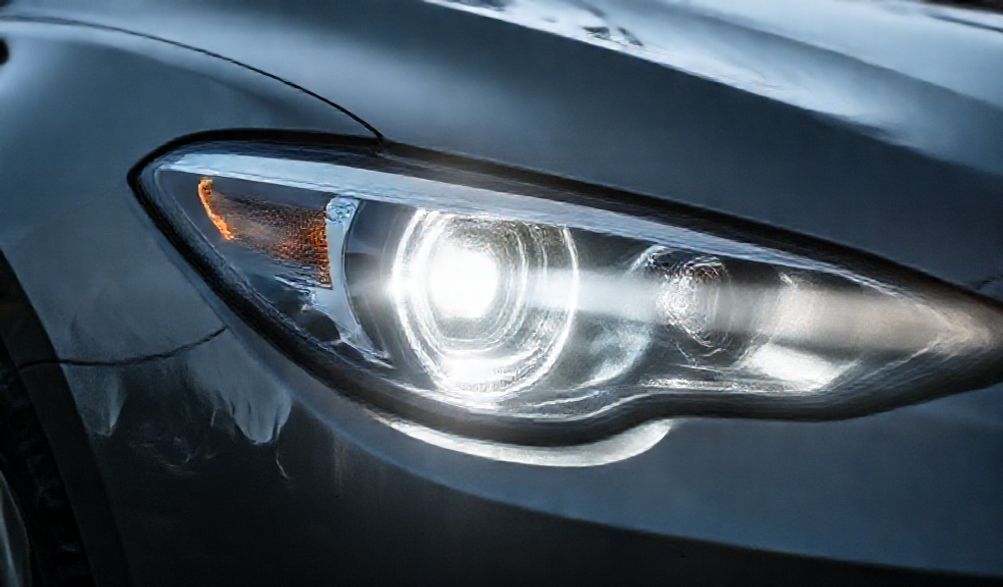
In its simplest form, a headlamp (commonly called a headlight) is a forward-facing lamp mounted on the front of a vehicle. Its primary, non-negotiable function is to illuminate the road ahead during low-visibility conditions like night, rain, or fog, ensuring safe driving for you and others. However, to call it just a “bulb” is a vast understatement. A modern headlamp is a sophisticated assembly of optics, electronics, and durable materials, engineered to precise legal standards. It is as vital as your brakes or seatbelts.
This guide will delve deep into the world of automotive headlamps. We’ll move beyond the basic definition to explore how they work, the different technologies powering them from classic halogen to cutting-edge laser systems, and provide you with practical, experience-based advice on maintenance and safe use. Understanding this essential component is key to being a safer, more responsible driver.
The Core Function: More Than Just Light
At first glance, the purpose of a headlamp seems obvious: to light your way. But this illumination serves two distinct, equally important roles that are grounded in automotive safety engineering.
Primary Purpose: Illumination and Safety
The first role is active illumination. A properly functioning headlamp system allows you to see the road surface, potential hazards (like debris or animals), road signs, and markings well beyond your stopping distance. The low-beam setting is meticulously designed to provide adequate forward and side illumination—typically reaching 50 to 100 meters—while controlling the beam’s upward light to protect oncoming drivers.
The second role is conspicuity—making your vehicle visible to others. Your headlamps are a key signal to pedestrians, cyclists, and other drivers, indicating your presence, your width, and your direction of travel. In poor weather or at dawn/dusk, they are often the first thing another road user sees.
Legal Requirement and Standards
Headlamps are not optional accessories. They are a legal requirement for vehicle registration and operation in every country worldwide. This isn’t arbitrary; it’s because their function is so critical to public safety.
Consequently, headlamps must comply with strict government regulations. In the United States, the Federal Motor Vehicle Safety Standard (FMVSS) No. 108 dictates everything from the minimum and maximum light intensity to the exact beam pattern and aim. In Europe and many other regions, ECE (Economic Commission for Europe) regulations serve a similar purpose. These standards ensure that headlamps provide enough light for the driver without creating dangerous glare that blinds oncoming traffic. The design of every headlamp housing, reflector, and lens is a direct result of these legal requirements.
Anatomy of a Modern Headlamp Assembly
To understand how a headlamp fulfills its duties, let’s look under the lens. A modern headlamp is a sealed system with several key components working in concert.
Key Components Explained
- Índice de Reproducción Cromática (IRC): This is the element that generates the light—be it a halogen filament, an HID arc, or an LED chip. It’s the “engine” of the assembly.
- Reflector: Behind the light source sits a precisely shaped, mirrored surface. Its job is to capture the omnidirectional light emitted by the source and direct it forward in a controlled beam. The shape of the reflector is calculated to create the legal low- and high-beam patterns.
- Lens: This is the clear (or sometimes patterned) cover at the front of the assembly, usually made from durable polycarbonate. It protects the internal components from weather, stones, and UV damage. On many modern headlamps, the lens is purely protective, while the beam shaping is done entirely by the reflector. Some designs use optical lenses or prism patterns in the glass to further focus the light.
- Housing: This is the robust, sealed plastic or metal body that holds everything together. It must withstand vibration, extreme temperatures, and exposure to the elements while keeping moisture and contaminants out.
- Aiming Mechanism: Perhaps the most overlooked yet critical part. These are adjustable screws or, in advanced systems, electric motors that allow for precise vertical and horizontal alignment of the entire beam pattern. Proper aim is non-negotiable for safety and legality.
The Critical Beam Patterns: Low vs. High
Every headlamp system is designed to produce two distinct beam patterns, which are essentially two different ways of using the same hardware.
- Low-Beam Headlamps: This is your default, everyday setting. When you turn your headlights “on,” you’re using low beams. The beam is intentionally angled slightly downward and has a sharp horizontal “cutoff” line at the top. This pattern illuminates the road immediately ahead and to the sides while minimizing the amount of light directed upward into the eyes of oncoming drivers and the mirrors of those you follow.
- High-Beam Headlamps (or “Brights”): When you pull the stalk or push the button for “high beams,” a shutter moves or a second filament activates, altering the beam pattern. The cutoff is eliminated, and the reflector directs light farther down the road and with greater intensity. This provides maximum long-range illumination for dark, unlit rural roads. Their use is strictly governed by etiquette and law, requiring you to dim them whenever another vehicle is approaching or when you are closely following another car.
Evolution of Technology: From Sealed Beams to LEDs
Headlamp technology has evolved dramatically, moving from simple, utilitarian components to complex, intelligent systems.
Halogen Headlamps
For decades, the halogen bulb was the universal standard. It’s an incandescent bulb with a tungsten filament housed in a quartz capsule filled with halogen gas. They are inexpensive to produce and replace, but they are relatively inefficient—converting only about 10-15% of their energy into light, with the rest wasted as heat. They also have a relatively short lifespan, typically between 450 and 1,000 hours.
High-Intensity Discharge (HID/Xenon) Headlamps
Introduced in the 1990s as a premium feature, HID headlamps create light by forming an electric arc between two electrodes inside a quartz capsule filled with xenon gas and metal salts. They produce a much brighter, whiter light that is closer to daylight and are more efficient than halogens. However, they require a high-voltage ballast to ignite and regulate the arc, making them more complex and expensive. A common complaint with poorly implemented HID systems (especially aftermarket retrofits) is excessive glare, as the intense light source can be difficult to control without a properly designed housing.
Light Emitting Diode (LED) Headlamps
LED technology has become the mainstream choice for new vehicles. LEDs are solid-state devices that emit light when an electrical current passes through a semiconductor. They offer tremendous advantages: extreme energy efficiency (using far less power than halogen or HID), incredibly long lifespans (often matching the life of the vehicle), instant on/off capability, and exceptional design flexibility. Their small size allows engineers to create distinctive “signature” lighting designs and pack more advanced features into a single assembly.
Adaptive and Advanced Front-Lighting Systems (AFS)
This is where headlamp technology becomes truly intelligent. Modern systems use sensors and software to adapt the beam in real-time:
* Basic AFS: Headlamps swivel slightly in the direction you are steering, illuminating around a corner before you turn the wheel.
* Adaptive Driving Beams (ADB) / Matrix LED: The most advanced systems. The high beam is split into dozens of individual LED segments. A forward-facing camera detects other vehicles’ lights and tail lights, and the system selectively dims only the segments that would shine on those vehicles. This allows you to drive with what is effectively a permanent high beam that never blinds other drivers, providing maximum visibility at all times.
Essential Headlamp Maintenance and Care
Like any critical safety component, headlamps require periodic attention. Neglect leads to reduced performance and, ultimately, unsafe driving conditions.
Regular Cleaning and Inspection
Plastic headlamp lenses are susceptible to UV oxidation, which turns them yellow, hazy, and pitted. This can reduce light output by up to 50%. Regularly clean your lenses with car wash soap, and consider using a dedicated plastic headlamp restoration kit once they begin to cloud. Monthly, make it a habit to do a visual inspection: turn on your headlights and walk around the car. Look for any cracks in the lens, significant condensation inside the housing (a small amount that clears is normal; a pool of water is not), or a bulb that has failed.
The Importance of Proper Alignment
Misaligned headlamps are a major safety issue. Symptoms include:
* Your light beam seems to hit the road just in front of your car or shoots into the trees.
* Oncoming drivers frequently flash their high beams at you (a sign your low beams are aimed too high).
* You can’t see far enough down the road on low beam, but your high beams seem normal.
Alignment should be checked with an optical aiming machine, typically found at repair shops. Have it done during annual service, after replacing a bulb or assembly, and certainly after any front-end impact, even a minor curb strike.
Bulb/LED Replacement Guide
- La documentación—una etiqueta antigua, un nombre grabado de un médico, una factura de venta—transforma un objeto anónimo en un documento histórico. Always consult your owner’s manual for the correct bulb type and replacement procedure. For halogen bulbs, avoid touching the glass quartz capsule with bare fingers. Skin oils can create hot spots when the bulb heats, causing it to fail prematurely. Use a clean cloth or gloves.
- Modern Complexity: Replacing a bulb in an older halogen housing is usually straightforward. However, in modern cars with complex HID or LED assemblies, the “bulb” is often an integrated module. Access can be extremely difficult, requiring bumper or wheel liner removal, and the units are expensive. For these systems, professional service is often the most practical and safe choice.
Safe and Legal Headlamp Use: Best Practices
Having great headlamps is only half the battle; using them correctly is the other.
When to Use Your Headlamps
The law is clear: headlamps are required from sunset to sunrise. However, that’s just the legal minimum. You are also required to use them during any period of adverse weather conditions—rain, snow, sleet, fog—when visibility is reduced. A good rule of thumb: if your windshield wipers are on, your headlights should be on.
Pro Safety Tip: Consider using your low-beam headlights during all daytime driving. Studies, including those by the National Highway Traffic Safety Administration (NHTSA), have shown that Daytime Running Lights (DRLs) or low beams increase your vehicle’s conspicuity, reducing the risk of multi-vehicle daytime collisions. It makes you significantly more visible to drivers at intersections, in merging lanes, and in your peripheral vision.
High-Beam Etiquette and Fog Light Misuse
- High-Beam Etiquette: Dim your high beams for oncoming traffic when you are about 500 feet (150 meters) away. Dim them when you are following another vehicle at a close distance, typically within 300 feet (90 meters). The goal is to never fill another driver’s mirrors with your bright light.
- Fog Light Misuse: Fog lights are supplemental lamps mounted low on the bumper. They are designed to produce a wide, bar-shaped beam that cuts under fog and illuminates the road edges. They are no a substitute for headlights. Using them in clear conditions creates unnecessary glare for other drivers and is often illegal. Use them only in actual fog, heavy rain, or snow, and always in conjunction with your low-beam headlights.
Preguntas Frecuentes (FAQ)
What’s the difference between a headlamp and a headlight?
In everyday conversation, they are completely interchangeable. Technically, purists might argue that “headlamp” refers to the entire physical assembly (the housing, lens, and bulb), while “headlight” refers to the beam of light produced. For all practical purposes—when talking to a mechanic, shopping for parts, or reading your owner’s manual—they mean the same thing.
Can I upgrade my halogen headlamps to LED or HID?
Extreme caution is advised. While the internet is full of “plug-and-play” retrofit kits, they are often illegal and unsafe. A halogen reflector or projector lens is optically engineered for the specific size, shape, and filament position of a halogen bulb. Putting an HID bulb or LED chip in that same housing scatters light uncontrollably, creating blinding glare for other drivers and a worse, often patchy beam pattern for you. The only safe and legal way to upgrade is to replace the entire headlamp assembly with an OEM or certified aftermarket unit designed for that specific light source.
Why are my headlamps dim or yellow?
There are two main culprits:
1. Aging Bulb: Halogen bulbs dim gradually over their lifespan. If your light output has slowly decreased, it’s likely just time for a new set of bulbs.
2. Oxidized Lenses: Yellowing or hazing is almost always caused by UV damage to the plastic polycarbonate lens. This can be remedied with a cleaning and polishing restoration kit. Internal condensation can also cause a diffuse, dim appearance and requires checking the housing seals.
How long should my headlamps last?
Lifespan varies drastically by technology:
* Halogen Bulbs: 450 – 1,000 hours of use.
* HID Bulbs: 2,000 – 5,000 hours.
* LED Modules: 15,000 – 30,000 hours or more, often designed to last the lifetime of the vehicle.
Remember, “hours of use” is key. A bulb used primarily for nighttime driving will last for years, while one used as a daytime running light (at reduced power) may have a different lifespan. Always refer to your vehicle’s manual for specifics.
Conclusión
A headlamp is far more than a simple light. It is a vital, legally mandated safety system that performs the dual function of illuminating your path and ensuring you are seen by others. From the basic principles of the reflector and lens to the smart adaptability of modern matrix LED systems, this technology is fundamental to safe mobility.
The takeaway is clear: properly functioning, clean, and correctly aimed headlamps are a non-negotiable aspect of responsible vehicle ownership. They are your first and most important line of defense when driving in darkness, rain, or fog.
Su llamada a la acción: Tonight, before you drive, take two minutes. Turn on your headlights and walk around your car. Check both low and high beams. Are they bright and white? Is the beam pattern crisp and aimed at the road? If anything seems dim, yellow, or misaligned, make servicing your headlamps a priority. That simple check could be the most important safety inspection you perform all year.
p>