
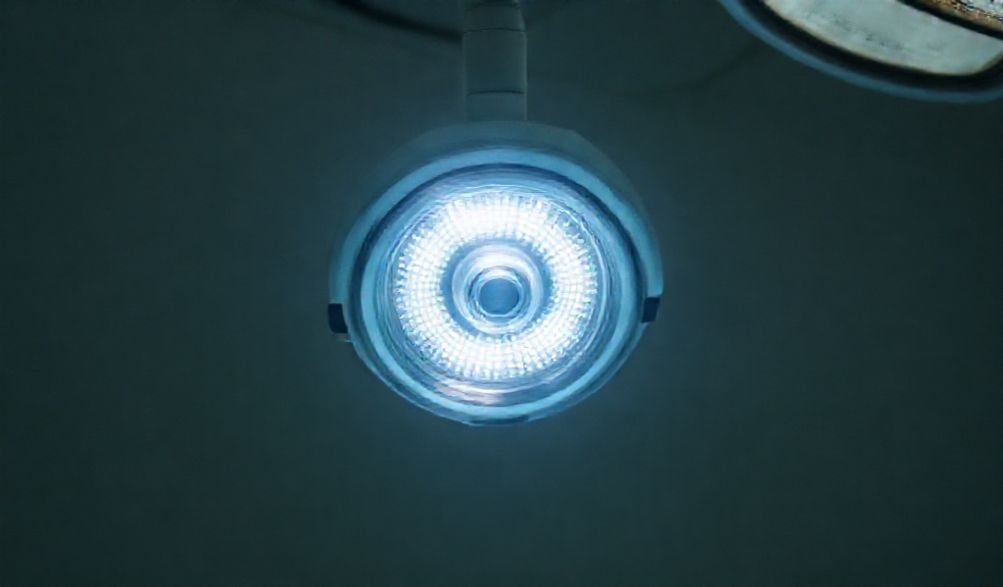
The Ultimate Guide to Surgeon Lights: Enhancing Precision, Safety, and Outcomes in the Operating Room
What is the single most important tool for a surgeon after their own skill and knowledge? While scalpels, sutures, and imaging technology are vital, the answer is something more fundamental: consistent, high-quality illumination. In the high-stakes environment of the operating room (OR), where a millimeter can mean the difference between success and complication, vision is the primary sense guiding every decision. A surgeon cannot operate on what they cannot see clearly. Modern surgeon lights are not mere overhead fixtures; they are sophisticated, life-saving devices engineered to create an optimal visual field, directly impacting procedural accuracy, team performance, and patient safety.
This guide is built on a foundation of surgical best practices, medical device engineering principles, and operating room design standards, synthesizing information from clinical studies, manufacturer specifications, and industry guidelines. Whether you are a surgeon seeking to understand the technology that illuminates your work, a hospital administrator responsible for capital procurement, an OR nurse focused on workflow and sterility, or a biomedical engineer tasked with maintenance, this article will address your core need: to comprehensively understand the types, technologies, features, and selection criteria for surgical lighting systems. Our goal is to empower you to make informed decisions that directly and positively influence surgical outcomes.
Why Surgical Lighting is More Than Just a “Light”
To view a surgeon light as a simple lamp is to misunderstand its role entirely. It is a critical component of the surgical ecosystem, as essential as any monitored vital sign.
The Direct Impact on Surgical Outcomes
The correlation between lighting quality and surgical performance is well-documented. Superior illumination directly reduces surgeon eye strain and cognitive fatigue. During lengthy procedures, struggling to discern subtle tissue variations under poor light leads to squinting, headaches, and decreased concentration. High-quality lighting mitigates this, preserving the surgeon’s visual acuity and mental focus from the first incision to the final closure.
Furthermore, precision in delicate procedures—such as microsurgery, neurosurgery, or pediatric surgery—is inextricably linked to illumination. The ability to differentiate between a nerve and a blood vessel, to identify a tumor margin, or to anastomose tiny vessels relies on exceptional contrast, color accuracy, and shadow control. Studies have shown that optimized lighting can reduce technical errors and improve the speed and accuracy of tissue differentiation, translating to shorter operative times and potentially better patient recovery.
Core Principles: Illumination vs. Shadow Management
The primary challenge of surgical lighting is not just to make things bright, but to make them clearly visible. This involves mastering two key principles:
- Dilución de Sombras: Unlike a single-point light source that creates harsh, deep shadows (imagine a flashlight in a dark room), modern surgical lights use multiple LED modules arranged in a specific configuration. These modules cast overlapping cones of light from slightly different angles. When a surgeon’s hand or instrument creates a shadow from one light point, the other points fill it in, dramatically reducing its density and size. This “shadow dilution” or “shadow reduction” is paramount, allowing the surgeon to work without constantly repositioning their head or the light.
- Depth of Field vs. Field of Illumination: It’s crucial to distinguish between the area covered by light (the field diameter, e.g., 30cm at 1m distance) and the usable depth within that field. Depth of illumination refers to how deep into a cavity (like the abdomen or pelvis) the light can penetrate while maintaining adequate intensity and minimal shadow. A light with a large field but poor depth is useless for deep cavity surgery, while a light with excellent depth but a tiny field is unsuitable for large open procedures.
Patient Safety and Sterility Considerations
The light’s impact extends beyond the surgeon to the patient. Heat management is a critical safety feature. Older halogen lights emitted significant infrared radiation, which could dry out (desiccate) exposed tissues and cause thermal injury. Modern LED lights produce minimal heat at the surgical site, greatly reducing this risk.
From an infection control standpoint, the light must be part of the sterile field. Designs feature seamless, sealed surfaces with no crevices where contaminants can lodge. Handles are either designed to be covered by a single-use sterile sleeve or are themselves easily sterilizable in an autoclave. The entire fixture must withstand rigorous daily cleaning with harsh hospital-grade disinfectants without degrading.
Types of Surgeon Lights: Understanding Your Options
The surgical specialty and OR layout dictate the most suitable type of lighting system.
Ceiling-Mounted Surgical Lights (Single and Dual-Arm)
These are the workhorses of the main operating theater.
* Ventajas: They offer exceptional stability, free up all floor space for personnel and equipment, and provide the greatest range of motion. Dual-arm lights, with two independent light heads on a single ceiling mount, offer unparalleled flexibility—one head can provide broad field illumination while the other can be positioned for deep cavity or focused spotlighting.
* Ideales para: Major operating rooms for general surgery, orthopedics, cardiac, transplant, and any high-traffic surgical suite where robust, reliable, and versatile lighting is required.
Surgical Headlights and Loupe Lights
For procedures where the surgical site is small, deep, or requires extreme mobility, the light must move with the surgeon.
* Ventajas: These systems provide portable, direct, coaxial illumination (the light shines exactly where the surgeon is looking). Headlights, often paired with magnification loupes, are perfect for illuminating deep, narrow cavities like in spinal, ENT (ear, nose, and throat), or dental surgery. They eliminate the problem of the surgeon’s head blocking the overhead light.
* Ideales para: Specialties like dentistry, oral surgery, plastic surgery, otolaryngology (ENT), and any microsurgical procedure where precision in a confined space is key.
Specialty and Hybrid Lighting Systems
The integration of technology is creating new categories. This includes lights with built-in 4K cameras for teaching and documentation, lights combined with large-screen monitors for the surgical team, and systems featuring specific spectral technologies (like narrow-band imaging for enhanced visualization of vascular structures). These hybrid systems turn the light into an information and visualization hub.
Key Technologies and Features to Evaluate
When assessing a modern surgeon light, these are the non-negotiable technological aspects to scrutinize.
LED Technology: The Modern Standard
Light Emitting Diode (LED) technology has completely supplanted halogen and fluorescent sources in new systems.
* Beneficios: LEDs produce a “cool” light with minimal heat emission at the surgical site. They have an exceptionally long lifespan (often 50,000+ hours), reducing maintenance and replacement costs. They are highly energy-efficient and provide a consistent color temperature throughout their life, unlike halogens which yellow as they age.
* Índice de Reproducción Cromática (IRC): This is a critical metric, often overlooked. CRI measures a light source’s ability to reveal the true colors of an object compared to natural light. A CRI of 100 is perfect sunlight. For surgery, a CRI >90 (and ideally >95) is essential. It allows the surgeon to accurately distinguish between arterial blood (bright red), venous blood (dark red), fatty tissue (yellow), and various organ tissues, which is vital for safe dissection and hemostasis.
Light Field Characteristics
Understanding the manufacturer’s specifications is crucial. Key terms include:
* Luminous Intensity: Measured in lux (lumens per square meter). It indicates how “bright” the light is at the surgical site. Typical requirements range from 40,000 lux for general surgery to over 160,000 lux for highly precise microsurgery.
* Diámetro del Campo: The width of the illuminated circle at a specified distance (e.g., “300mm diameter at 1m”). It must be appropriate for the procedure.
* Profundidad de Iluminación: Often shown as a graph, it indicates how light intensity is maintained as a target moves deeper into a cavity. A light with a 20cm+ depth of illumination is necessary for abdominal or pelvic surgery.
Ergonomic and Functional Design
Technology means nothing if the light is difficult or unsafe to use.
* Maneuverability: The light must feel weightless and balanced when positioned. It should glide smoothly into place and stay there without drift. Handle design should allow for easy, intuitive manipulation by a sterile team member.
* Esterilidad: Assess the handle interface. Are sterile sleeves readily available and easy to apply? Are there alternative touchless control options (e.g., voice, foot pedal)?
* Redundancy: For critical life-support procedures (e.g., cardiac, neurosurgery), a redundancy system is mandatory. This means if one LED module or power supply fails, the light automatically maintains a safe, usable level of illumination (typically 50-70% of total output) to allow the procedure to conclude safely.
How to Choose the Right Surgeon Light: A Procurement Checklist
Selecting a surgical light is a significant capital investment. A structured approach ensures the right fit.
Assessing Clinical Needs and Surgical Specialty
Start with the end-users: the surgeons and surgical teams. Create a needs-assessment matrix:
| Procedure Type | Primary Light Requirement | Key Feature Focus |
| ———————— | —————————————————— | —————————————– |
| Cardiac / Major Vascular | Large, deep field; excellent shadow control; redundancy | Dual-arm, high depth, backup system |
| Orthopedic / Trauma | Very large field for limbs; high intensity | Single large-diameter head, high lux |
| Neurosurgery / Spine | Deep cavity illumination; coaxial light for microscopy | Headlights, depth of illumination, hybrid |
| Laparoscopic / MIS | Ambient fill light to monitor ports and patient | Wide field, adjustable color temp |
| Ophthalmic / Micro | Extremely high, focused intensity; cool light | Microsurgical adapter, very high CRI |
Evaluating the Operating Room Environment
The OR itself imposes constraints. Measure ceiling height and ensure structural support can handle the weight of the chosen system. Consider integration with other ceiling-mounted equipment (anesthesia booms, equipment booms, imaging displays) to avoid collisions. Assess the pathway of the light arm to ensure it can reach all critical areas of the surgical table without obstruction.
Total Cost of Ownership (TCO) Analysis
Mire más allá del precio de etiqueta.
* **Costo Inicial:** Purchase price of the light, installation, and any necessary structural upgrades.
* Costo Operativo: Energy consumption (LEDs are far cheaper to run than halogens).
* Costo de Mantenimiento: Expected lifespan of LEDs (avoiding bulb replacements), cost of service contracts, and availability of parts. A cheaper light with expensive, proprietary parts and frequent service needs may cost more in 5 years than a premium model.
Compliance and Certification
This is non-negotiable for patient and staff safety. Ensure the system has the necessary regulatory clearances for your region (e.g., FDA 510(k) clearance in the USA, CE marking in Europe). It must comply with the IEC 60601-1 series of standards for medical electrical equipment, which covers electrical safety, mechanical safety, and radiation safety (for any emitted heat). Do not compromise on certification.
Mantenimiento, Cuidado y Mejores Prácticas
A superb light system is only as good as its upkeep.
Protocolos de Limpieza y Desinfección de Rutina
After every procedure, non-sterile OR staff should:
1. Wipe down the entire light head, arms, and handles with a soft cloth dampened with a hospital-approved, non-abrasive disinfectant.
2. Pay special attention to seams and joints.
3. Use a dry cloth to remove any residue.
4. Nunca spray disinfectant directly onto the light, as fluid can ingress and damage electronics or optics.
Scheduled Preventative Maintenance
A biomedical engineering team should perform scheduled checks every 6-12 months, per manufacturer guidelines. This includes:
* Verifying light intensity and color temperature with a calibrated light meter.
* Checking the balance and smoothness of all joints and movements.
* Inspecting cables and covers for damage.
* Performing electrical safety tests (leakage current, ground integrity).
* Updating software on “smart” systems.
Solución de Problemas Comunes
- Parpadeo: Often a sign of a failing LED driver or power supply. Requires engineering service.
- Intensidad Reducida: Could be dirty lenses/reflectors (clean per protocol), aging LEDs, or a power issue.
- Movimiento Rígido o con Deriva: May require re-balancing by a technician or replacement of gas springs/bearings.
Sección de Preguntas Frecuentes
Q1: What is the ideal color temperature for a surgeon light?
R: Most modern LED surgical lights are calibrated between 4000K and 4500K Kelvin. This produces a bright, neutral white light that closely mimics daylight. It minimizes color distortion (unlike warmer, yellower light) and reduces blue-light-induced eye fatigue associated with very cool temperatures (5000K+), making it optimal for long procedures.
Q2: How often should surgical lights be serviced or calibrated?
R: Adhere strictly to the manufacturer’s preventative maintenance schedule, which is typically every 6 to 12 months for a full technical inspection and calibration by a qualified engineer. However, a visual and functional check by OR staff should be part of the pre-operative setup for every procedure.
Q3: Can traditional halogen surgical lights be upgraded to LED?
R: In many cases, yes. Numerous manufacturers offer retrofit LED modules designed to fit into existing halogen light head housings. This can be a highly cost-effective strategy to gain the benefits of LED technology—cooler light, massive energy savings, and longer service intervals—without the capital expense of a completely new system. A professional assessment of compatibility and electrical load is essential.
Q4: What is the most important feature for reducing surgeon neck and eye strain?
R: While many factors contribute, effective reducción superior de sombras through multi-source design is paramount. A light that provides homogeneous, shadow-free illumination allows the surgeon to maintain a neutral head and neck posture. They are not forced to crane or twist to see around their own shadows, which is a major source of musculoskeletal strain over multi-hour surgeries.
Q5: Are there “smart” surgeon lights?
R: Absolutely. The next generation of surgical lights includes intelligent features. These can include ambient light sensors that automatically adjust intensity to maintain a constant level, touchless gesture or voice control to maintain sterility, WiFi connectivity for remote diagnostics and usage analytics, and the ability to save and recall personalized settings for different surgeons or procedure types.
Conclusión
A surgeon light is far more than overhead infrastructure; it is a critical, life-saving instrument that forms the visual foundation of every surgical intervention. Its value lies at the convergence of advanced optical science, human ergonomics, and uncompromising clinical need. Choosing the right system is a decision that resonates in every procedure performed under it for a decade or more.
Therefore, treat the selection process with the gravity it deserves. Consult not just with procurement, but deeply with the clinical end-users—the surgeons and OR nurses. Engage your clinical engineering department to evaluate serviceability and standards compliance. Partner with reputable manufacturers who can provide evidence-based data and arrange for in-person demonstrations or trial installations in a simulated OR environment. There is no substitute for seeing and feeling the light in action.
As we look forward, lighting technology will continue to evolve, potentially integrating with augmented reality overlays or providing adaptive spectral outputs to highlight specific tissue types. View your surgical lighting not as a static purchase, but as a dynamic, core component of your surgical care platform—one that warrants ongoing evaluation to ensure it continues to meet the ever-advancing demands of modern surgery.
p>