
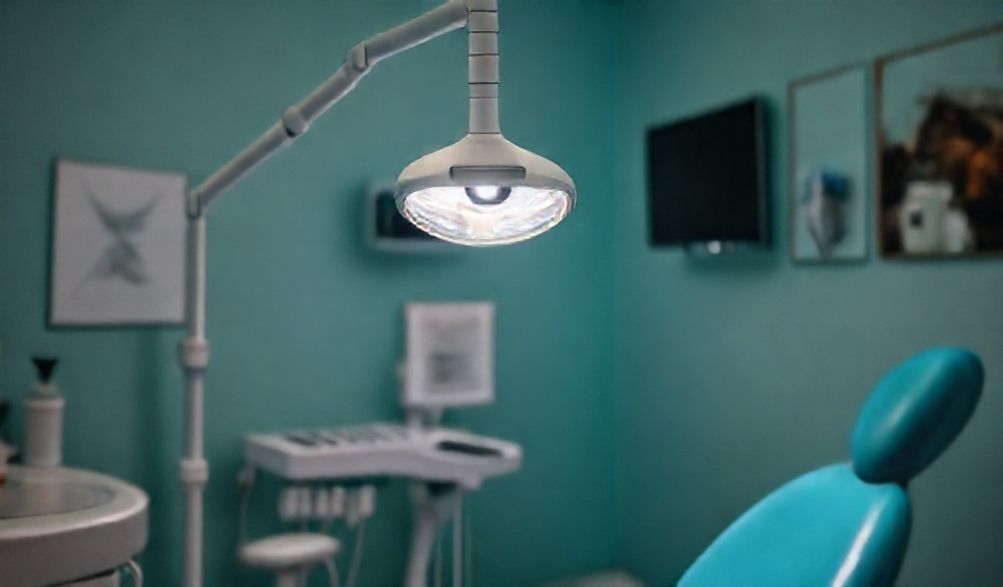
The Ultimate Guide to Dentist Lamps: Illuminating Precision in Modern Dentistry
What’s the single most important tool for a dentist after their skill? While high-speed handpieces, digital scanners, and biocompatible materials often steal the spotlight, there’s a fundamental element that underpins every single procedure: light. Without optimal illumination, even the most skilled hands are working at a disadvantage. The humble dentist lamp, or dental operatory light, is the unsung hero of the modern practice, transforming a simple beam into a critical instrument for precision, accuracy, and care.
The problem of poor lighting in dentistry is more than just an inconvenience. It manifests as persistent eye strain and fatigue for the clinician, leading to long-term occupational health issues. It can cause diagnostic oversights—a hidden caries lesion, a subtle crack in enamel, or a variation in tissue health can easily be missed. Procedurally, it slows down work, increases the potential for errors during delicate restorations or root canals, and can even contribute to patient discomfort from excessive heat or glare.
The solution lies in understanding that today’s dentist lamp is a feat of engineering. It is no longer a simple bulb on an arm but a sophisticated, ergonomic instrument designed specifically to conquer these challenges. This guide will illuminate the path to choosing and using the right light, ensuring your practice shines.
This guide is built on a foundation of E-E-A-T (Experience, Expertise, Authoritativeness, Trustworthiness):
* Experiencia: We synthesize insights from extensive reviews of dental equipment, direct feedback from practicing clinicians, and real-world clinical requirements.
* Experticia: The information is grounded in the technical specifications that matter—color temperature, shadow reduction, lux output—as defined by dental practice standards and ergonomic research.
* Autoridad: Our recommendations align with the principles and guidelines suggested by leading dental associations and clinical equipment evaluators.
* Confiabilidad: Our goal is to provide balanced, practical, and clear information to help you, the dental professional, make confident, informed decisions for your practice and patients.
Why Dental Lighting is Non-Negotiable for Patient Care & Practice Success
A dentist lamp is not a mere accessory; it is a primary diagnostic and operative tool. Its quality directly correlates with the quality of care you provide and the long-term health of your practice.
The Direct Impact on Diagnostic Accuracy
The first step in any treatment is accurate diagnosis, and this is entirely dependent on visibility. A high-quality light with excellent color rendering and appropriate intensity is crucial for:
* Caries Detection: Differentiating between stained fissures and active decay, or spotting the subtle shadow of an interproximal lesion, requires light that reveals true color and detail.
* Crack Identification: Identifying craze lines versus potentially symptomatic tooth cracks demands shadow-free, focused illumination to highlight minute structural defects.
* Tissue Assessment: Evaluating gingival health, detecting oral lesions, and assessing mucosal color for signs of pathology rely on light that does not distort tissue tones. Poor lighting can mask inflammation or other critical signs.
Enhancing Procedural Precision and Efficiency
Once a diagnosis is made, the procedure’s success hinges on precision. A superior dentist lamp acts as a surgical-grade spotlight for the oral cavity.
* Error Reduction: In procedures like composite restorations, precise margins are everything. Shadow-free, bright light ensures you see the exact interface between tooth and material, reducing the need for adjustments and remakes.
* Speed and Workflow: Fumbling to position a dim or poorly articulated light wastes valuable chair time. A responsive, easily maneuverable light allows you to maintain focus and rhythm, leading to more efficient procedures and a better patient experience.
* Specialized Clarity: For endodontics, locating canal orifices in the dark chamber of a pulp floor is exponentially easier with intense, shadow-reduced light. In surgery, it illuminates the field for clean incisions and controlled hemostasis.
Protecting Practitioner Health: Combating Eye Strain and Fatigue
The ergonomic cost of poor lighting is a silent epidemic in dentistry. Squinting, leaning into shadows, and straining to see detail under inconsistent light leads to:
* Visual Fatigue: Headaches, blurred vision, and dry eyes.
* Musculoskeletal Strain: Compensatory poor posture to “get a better look” exacerbates neck, shoulder, and back problems.
* Long-Term Occupational Risk: Chronic eye strain can contribute to premature presbyopia and other vision issues.
A properly positioned, high-quality dentist lamp delivers consistent, comfortable light directly into the oral cavity, allowing you to maintain a neutral posture and reducing the intense focal strain on your eyes throughout the day. It’s a critical investment in your own career longevity.
Key Features to Evaluate When Choosing a Dentist Lamp
Navigating the specifications of a dentist lamp can be daunting. Focus on these core features to make an intelligent comparison.
Light Quality Metrics: Lux, CRI, and Color Temperature
- Lux (Illuminance): This measures the amount of light falling on a surface. For dental procedures, the recommended illuminance at the operative field is typically between 20,000 to 40,000 lux. Insufficient lux forces you to work in the dark; excessive lux can cause glare and patient discomfort.
- IRC (Índice de Reproducción Cromática): Rated on a scale of 0-100, CRI indicates how accurately a light source reveals the true colors of objects compared to natural daylight. For dentistry, a CRI of 90 or above is essential. This is non-negotiable for shade matching in cosmetic work and accurate tissue assessment.
- Color Temperature (Kelvin, K): This describes the “warmth” or “coolness” of light. Warm light (<4000K) is yellowish, while cool light (>5000K) is bluish. The ideal range for dentistry is 5500K to 6500K, known as “daylight white.” This neutral, bright light maximizes contrast, reduces eye fatigue, and provides the most accurate color perception.
Advanced Illumination Technology: LED vs. Halogen
The battle is decisively over: LED is the modern standard.
* LED (Light Emitting Diode):
* Ventajas: Runs extremely cool, eliminating patient discomfort from radiant heat. Highly energy-efficient (uses ~80% less power than halogen). Exceptionally long lifespan (50,000+ hours). Instantly reaches full brightness. Offers perfect daylight color temperature (5500-6500K) and high CRI.
* Desventajas: Higher initial purchase price (offset by long-term savings).
* Halógena:
* Ventajas: Lower upfront cost. Provides a warm, continuous spectrum of light.
* Desventajas: Generates significant heat. Inefficient and costly to run. Short bulb lifespan (1,000-2,000 hours). Color temperature tends to be warmer (~3500K), which can distort color perception.
Recommendation: For any new purchase or upgrade, choose LED. The total cost of ownership and clinical benefits are overwhelmingly superior.
Ergonomic Design and Maneuverability
A light must go where you need it, when you need it, without a fight.
* Alcance y Articulación: The arm should have a wide range of motion to comfortably cover all quadrants for both right and left-handed clinicians, whether seated or standing.
* Balance & Stability: The light should stay firmly in position once placed, without drifting or sagging. Counterbalanced arms are key.
* Control de Infecciones: Look for smooth, sealed housings and touchless controls (footswitch, voice control, or motion sensor) or at the very least, large, easy-to-clean buttons. Handles should be designed for easy wiping with disinfectants.
Shadow Reduction and Field of View
The oral cavity is a cave full of obstacles (lips, cheeks, tongue, hands). A good dentist lamp is designed to penetrate it.
* Multi-Point Light Source: The most effective technology uses multiple LEDs (often 3 or more) arranged in a ring or cluster. By projecting light from several slightly different angles, shadows cast by instruments or fingers are dramatically reduced or even eliminated.
* Diámetro del Campo: The light should provide a wide, even field of illumination (typically 80-120mm at a standard working distance) to cover the entire operative site without constant repositioning.
Types of Dental Operatory Lights and Their Best Uses
Chair-Mounted Lights: The Traditional Workhorse
- Ventajas: Integrated directly into the dental chair, ensuring stability and a unified look. Often more affordable and simpler to install. Movement is directly linked to the chair’s position.
- Desventajas: Positioning can be limited by the chair’s design. It can take up space on the chair arm and may interfere with assistant positioning. The light’s range is tied to the chair’s location.
- Ideal Para: General dentistry practices, especially in compact operatories or as a reliable, cost-effective standard.
Ceiling-Mounted Lights: Maximizing Space and Flexibility
- Ventajas: Offers the greatest range of motion and positioning freedom, completely independent of the chair. Frees up floor and chair space, creating a cleaner, more modern operatory. Ideal for four-handed dentistry and surgical procedures where optimal positioning is critical.
- Desventajas: Higher initial cost and requires professional installation, including structural ceiling support.
- Ideal Para: Modern, spacious operatories, surgical specialties (oral surgery, periodontics), and practices prioritizing maximum ergonomic flexibility.
Wall-Mounted and Portable Options
- Montado en Pared: A space-saving alternative to ceiling mounts, offering good range of motion. Useful in rooms where ceiling mounting isn’t feasible.
- Portable de examen versátils: Small, handheld or on a stand. Excellent for extraoral examinations, consultations, emergency triage, or as a supplementary light source in hygiene bays.
Mejores Prácticas de Instalación, Mantenimiento y Seguridad
Professional Installation Considerations
Especially for ceiling-mounted units, never attempt a DIY installation. It involves:
* Structural Assessment: Ensuring the ceiling can support the weight of the light and arm, both static and in motion.
* Electrical Work: Proper wiring to a dedicated circuit, often requiring an electrician.
* Calibration: Ensuring the counterbalance is correctly set for smooth, stable movement. Always use a manufacturer-certified or highly recommended dental equipment installer.
Protocolo de Limpieza y Desinfección Rutinaria
El dentist lamp is a high-touch surface. A strict protocol is mandatory:
1. After Each Patient: Use an intermediate-level, hospital-grade disinfectant wipe on all touch surfaces—the handle, control buttons, and any part of the arm frequently touched.
2. Diario/Semanal: Gently wipe down the entire housing and arm to remove dust. Never spray disinfectant directly onto the light head. Always follow the manufacturer’s instructions for cleaning the lens to avoid damaging anti-glare coatings.
3. Use Barriers: Consider disposable plastic barriers for handles, but remember: barriers do not replace cleaning and disinfection between patients.
Solución de Problemas Comunes
- Dimming or Flickering (LED): Usually indicates a power supply issue. Check connections. If persistent, contact technical support.
- La Luz No Enciende: Verify the power connection and footswitch/control panel. For halogen lights, check the bulb.
- Movimiento Rígido o con Deriva: The arm’s joints may need lubrication (use only manufacturer-recommended lubricant) or the counterbalance system may need recalibration by a technician.
- Rule of Thumb: For any electrical issue or internal mechanical problem, contact a qualified service technician. Do not open the light housing yourself.
Investing Wisely: Cost vs. Value in Dental Lighting
Understanding the Price Spectrum
A basic chair-mounted halogen light may cost a few hundred dollars. A premium, ceiling-mounted LED light with touchless controls can cost several thousand. The price is driven by:
* Technology: LED commands a premium over halogen.
* Características: Los controles sin contacto, la reducción avanzada de sombras y los materiales premium aumentan el costo.
* Marca y Soporte: Las marcas establecidas con garantías robustas y redes de servicio suelen tener un costo mayor.
* Tipo de Montaje: Los montajes en techo son más costosos que los montajes en silla debido a su complejidad.
Costo Total de Propiedad (CTP)
Mire más allá del precio de etiqueta:
1. Consumo de Energía: Una luz LED utiliza una fracción de la electricidad de un halógeno.
2. Reemplazo de Bombillas: Las bombillas halógenas necesitan reemplazo frecuente y costoso. Los módulos LED están diseñados para durar más de una década de uso clínico.
3. Servicio y Tiempo de Inactividad: Una luz más confiable y bien construida reduce el costoso tiempo de inactividad y las facturas de reparación.
Preguntas que Debe Hacer Antes de Comprar
- P: ¿Cuál es el período de garantía y qué cubre?
- ¿El servicio local y el soporte técnico están fácilmente disponibles?
- ¿Esta luz es compatible con mi sillón dental existente (si es montaje en silla)?
- ¿Las piezas de repuesto (manijas, paneles de control) son fácilmente obtenibles en 5-10 años?
- ¿Puedo obtener una demostración en vivo o una prueba en mi consultorio?
Sección de Preguntas Frecuentes
P1: ¿Cuál es la temperatura de color ideal para una lámpara dental?
R: Se recomienda generalmente una temperatura de color entre 5500K y 6500K (blanco luz diurna), ya que proporciona un excelente contraste para trabajos de detalle, reduce la fatiga ocular y no distorsiona el color real de dientes y tejidos blandos.
P2: ¿Con qué frecuencia debo reemplazar mi lámpara de consultorio dental?
R: Las lámparas LED tienen una vida útil de 50.000 horas o más. Para una consulta típica, esto significa 15-20 años de uso. El reemplazo suele deberse al desgaste mecánico o al deseo de actualizar funciones, no a fallas de la luz. Las bombillas halógenas necesitan reemplazo cada 1.000-2.000 horas (aproximadamente cada 6-12 meses).
P3: ¿Puedo instalar una luz de montaje en techo en mi consultorio existente?
R: Sí, pero requiere planificación. Debe realizar una evaluación estructural de su techo para asegurar que pueda soportar la carga, instalar el cableado eléctrico apropiado y contratar a un instalador profesional. Consulte siempre tanto con el fabricante de la luz como con un contratista calificado.
P4: ¿Hay luces específicas recomendadas para especialidades dentales?
R: Sí. Los cirujanos orales a menudo prefieren luces de alta intensidad y montaje en techo para una máxima iluminación del campo y flexibilidad de posicionamiento. Los endodoncistas se benefician más de luces con una reducción excepcional de sombras para ver profundamente en las cámaras pulpares. Los dentistas cosméticos deben priorizar luces con un Reproducción Cromática (IRC) muy alto (95+) para una correcta coincidencia de tonos.
P5: ¿Cómo limpio correctamente mi luz dental para mantener el control de infecciones?
R: Después de cada paciente, use una toallita desinfectante de grado hospitalario en todas las superficies de contacto (manijas, botones de control). Limpie la carcasa y la lente regularmente según las instrucciones del fabricante, típicamente con un paño suave y húmedo. Nunca rocíe limpiador directamente sobre el cabezal de la luz, ya que el fluido puede filtrarse y causar daños.
Conclusión
Sus dentist lamp es mucho más que un utilitario; es un pilar fundamental de la excelencia clínica. Es una inversión que genera dividendos en confianza diagnóstica, precisión procedimental, bienestar del profesional y eficiencia general de la consulta. Elegir la luz correcta es una decisión que impacta cada interacción con el paciente y la salud a largo plazo de su carrera.
Al evaluar opciones, priorice la tecnología LED por su operación fría, eficiencia y longevidad. No comprometa el diseño ergonómico y la ni la intensidad adecuada.
adaptada a su especialidad. El costo inicial de una luz superior se justifica rápidamente por su rendimiento, confiabilidad y la mejora tangible en su vida laboral diaria. Esta guía fue creada para proporcionarle información confiable y respaldada por expertos para navegar esta decisión crucial. Lo alentamos a. auditar la iluminación en sus consultorios hoy . ¿Le está ayudando o perjudicando? El siguiente paso es consultar con un proveedor de equipos dentales de reputación.
p>