
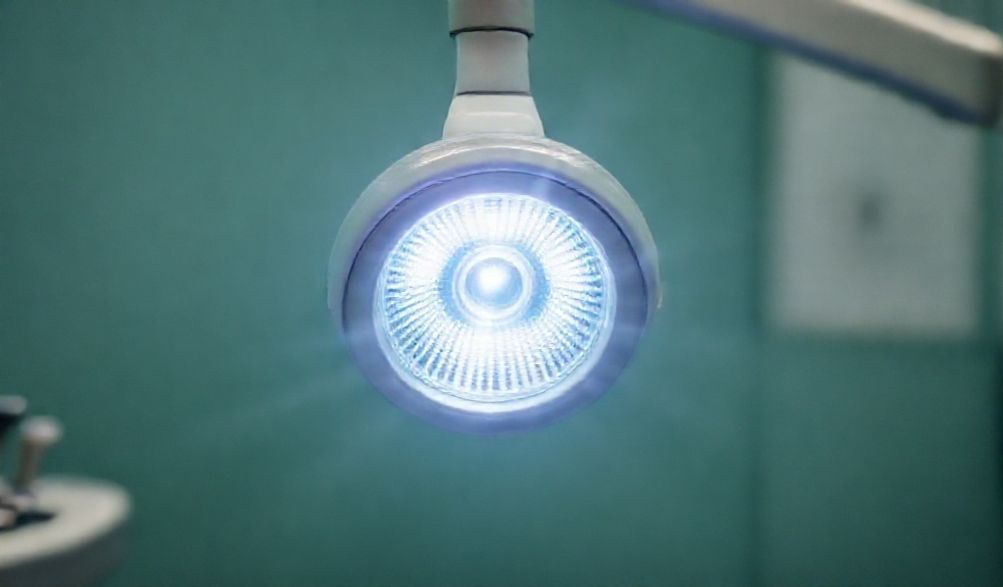
Dental Headlights: A Complete Guide to Enhanced Vision, Precision, and Patient Care
En el intrincado mundo de la odontología, donde los márgenes se miden en micras y la anatomía es compleja, un factor sustenta cada procedimiento exitoso: la claridad. clear visibility. For decades, the overhead operatory light was the sole source of illumination. While functional, it often left clinicians contorting for a better angle, battling shadows cast by their own hands and instruments, and squinting to discern subtle details. Today, a fundamental shift has occurred. The modern dental professional is equipped not just with advanced materials and techniques, but with a personal sun—the dental headlight. This guide is designed to demystify this essential tool, moving beyond seeing it as a simple accessory to understanding it as a core system for enhancing clinical outcomes, safeguarding your own physical health, and elevating the standard of care you provide. Whether you’re a seasoned practitioner looking to upgrade or a new graduate building your first operatory, this comprehensive resource, grounded in technical specifications and professional experience, will illuminate the path to choosing and using the right dental headlight.
What is a Dental Headlight and Why is it Essential?
Beyond the Overhead Light: Defining Modern Dental Illumination
A dental headlight is a personal illumination system that delivers a powerful, focused beam of light directly into the oral cavity, perfectly aligned with the clinician’s line of sight. It typically consists of three core components:
1. The Light Source: Overwhelmingly, this is an LED (Light Emitting Diode) module, prized for its cool operation, exceptional longevity, and accurate color rendering.
2. The Delivery System: This is either a flexible fiber optic cable that transmits light from a remote power source or a wireless, self-contained unit with an integrated battery.
3. The Mounting System: This attaches the light source to the user, commonly via an adjustable, padded headband or via a dedicated clip or bracket that integrates seamlessly with lupas dentales.
This system stands in stark contrast to the traditional overhead light. The overhead light is static; you must move the patient or yourself to avoid shadows. It illuminates broadly, often causing glare and failing to penetrate deep into the oral cavity. The dental headlight, however, is dynamic and personal. It goes where you look, providing shadow-free, concentrated light exactly where you need it, from a Class II prep in a second molar to a canal orifice in an upper central.
The Core Benefits: Why Every Dentist Should Consider One
Investing in a dental headlight is an investment in your practice’s quality and your own professional longevity. The benefits are profound and multifaceted:
- Enhanced Precision & Accuracy: This is the most direct benefit. A bright, focused beam eliminates guesswork. You can clearly see prep margins, caries excavation endpoints, and delicate soft tissue boundaries. This translates directly to higher-quality restorations with better seals, more complete endodontic debridement, and more conservative, precise surgical procedures. It turns “I think that’s clean” into “I see that’s clean.”
- Reduced Eye Strain and Operator Fatigue: Squinting for hours under inadequate light is a primary contributor to eye fatigue and headaches. A headlight provides consistent, optimal illumination without glare, allowing your eye muscles to relax. Furthermore, by bringing light into the cavity, you avoid the need to crane your neck into awkward positions to catch the overhead light, promoting a more neutral and sustainable posture.
- Improved Diagnostic Capability: Modern LED headlights often produce a whiter, more natural light spectrum. This superior El Índice de Reproducción Cromática (IRC) allows you to see the true color of dentin and enamel, detect subtle cracks (craze lines vs. fractures), and identify the earliest signs of demineralization and caries that might be missed under yellow-tinted or diffuse light. It makes you a better diagnostician.
- Increased Patient Comfort & Trust: A procedure performed with clear visibility is typically performed more efficiently. Less time searching means less time the patient spends with their mouth open. Furthermore, a clinician who works with confident, precise movements inspires greater patient trust. Your professional demeanor is enhanced when you’re not struggling with visibility.
Key Features to Consider When Choosing a Dental Headlight
Navigating the market requires an understanding of key specifications. Here’s what to evaluate:
Light Source Technology: LED Dominance
The era of halogen bulbs is over. LED is the undisputed standard, and for excellent reasons:
* Funcionamiento Fresco: LEDs emit minimal heat, protecting both the clinician from forehead discomfort and the patient from thermal irritation.
* Larga Vida Útil: Rated for tens of thousands of hours, an LED module can last for years, even decades, of clinical use.
* Color Accuracy & Temperature: Look for a high CRI (90+) for true color matching in esthetic work. Color temperature, measured in Kelvins (K), is also crucial. A setting around 5500K simulates natural daylight, reducing eye strain and providing the most accurate visual feedback.
* Los LED consumen hasta un 80% menos de energía que los sistemas halógenos para producir la misma o mayor cantidad de luz, reduciendo los costes de servicios. LEDs consume less power, which is especially critical for cordless models, enabling longer battery life.
Brightness and Focus: Lumens, Spot Size, and Depth of Field
- Mide la cantidad total de luz emitida. Más lúmenes generalmente significan una luz más brillante, pero el enfoque del haz es crucial. This measures the total quantity of visible light emitted. Dental headlights range from 5,000 to over 100,000 lumens. For general dentistry, 10,000-30,000 lumens is often ample. Specialists or those using high-magnification loupes may prefer 50,000+ for exceptional detail.
- Spot Size & Depth of Field: The ability to adjust the beam from a wide flood to a tight spot is invaluable. A wide spot is great for initial examination and quadrant dentistry, while a small, focused spot is essential for endodontic access or margin finishing. Similarly, a good profundidad de campo keeps the area in focus even as you move slightly closer or farther away.
Comfort and Ergonomics: Weight, Balance, and Mounting Options
You’ll wear this for hours, so comfort is non-negotiable.
* Montaje: The two main choices are a dedicated headband o integration with your dental loupes. Headbands are versatile and a great starting point. Loupe-mounted systems offer perfect, fixed alignment but require commitment to that specific loupe frame.
* Peso y equilibrio: Lighter is generally better, but balance is more important. A well-distributed system (e.g., with a rear battery counterweight) will feel lighter than a heavier but poorly balanced one. Padded, breathable headbands are essential for all-day comfort.
Power and Mobility: Battery Life and Cable vs. Cordless Systems
This is a major decision point with clear trade-offs:
* Corded (Fiber Optic): Pros include unlimited runtime, consistent maximum brightness, and often lower upfront cost. The significant con is the tether—the cable can feel restrictive, get tangled, or be accidentally pulled.
* Cordless (Battery): Pros offer complete, unencumbered freedom of movement, a cleaner operatory setup, and easier portability. The cons are finite battery life (typically 6-10 hours per charge) and the eventual need for battery replacement.
* Key Metrics: For cordless, scrutinize the battery life at your preferred brightness, charge time, and the cost/process for battery replacement in 2-3 years.
Integrating a Dental Headlight with Your Dental Loupes
While each tool is powerful alone, together they create a synergistic effect that defines modern ergonomic dentistry.
The Synergistic Effect: Magnification Meets Illumination
Dental loupes bring the image closer; the headlight illuminates it perfectly. Magnification without proper light causes eye strain as your pupils dilate to gather more light. Illumination without magnification lacks the detail. Using both allows you to see a bright, enlarged, shadow-free field, maximizing visual acuity and minimizing physical and mental fatigue. They are two halves of a whole system for precision.
Mounting Options: Flip-Up, Through-the-Lens (TTL), and Custom
How the light attaches to your loupes is critical:
* Flip-Up Mounts: The light is attached to a flip-up loupe frame. This allows you to flip the entire assembly (loupes + light) up and out of the way when not in use. It’s versatile and often compatible with multiple loupe models.
* Through-the-Lens (TTL) Mounts: The light is custom-fitted to a fixed, declinated TTL loupe frame. This provides the most stable, compact, and perfectly aligned integration. The system is always in position, but you look under the loupes when not doing detailed work.
* Custom Brackets: Some manufacturers offer proprietary brackets that attach lights to specific loupe arms or frames, offering a semi-custom solution.
Ensuring Proper Alignment and Convergence
The goal is for the center of the light beam to converge with your line of sight through the loupes. Misalignment causes shadows or glare. During setup, aim the light at a small target about 16-18 inches away (your typical working distance). Look through your loupes and adjust the light position until the brightest part of the spot is centered in your magnified field of view. Many loupe-mounted systems have fine-adjustment screws for this precise calibration.
Maintaining Your Dental Headlight for Longevity and Performance
A dental headlight is a significant investment. Proper care ensures it performs reliably for years.
Protocolos de Limpieza y Desinfección de Rutina
Follow the manufacturer’s instructions meticulously.
* Headband/Casing: Wipe down daily with an EPA-registered disinfectant wipe that is safe for plastics and electronics. Avoid bleach or abrasive chemicals.
* Light Lens: Gently clean the lens cover with a soft, lint-free cloth (microfiber) to remove dust and splatter. Avoid scratching the surface.
Caring for Fiber Optic Cables and Batteries
- Fiber Optic Cables: Avoid sharp bends, kinks, or pinching. Coil them loosely when storing. Never sterilize them in an autoclave.
- Batteries (Cordless Models): For lithium-ion batteries, practice “shallow cycles.” Avoid constantly draining to 0% or charging to 100% for storage. A routine of using it to 20-30% and charging to 80-90% can prolong overall battery health. Store in a cool, dry place.
Solución de Problemas Comunes
- Dimming/Flickering Light: Check connections first. For corded models, ensure the cable is fully seated in both the light and power source. For cordless, the battery may be low. If persistent, the LED or driver may be failing.
- **Batería que no mantiene la carga:** After 2-3 years, battery capacity naturally diminishes. If runtime is drastically reduced, it’s likely time for a factory battery replacement.
- Conexiones Flojas: Gently tighten any adjustable screws on mounts or connectors. Avoid over-tightening.
Sección de Preguntas Frecuentes
Q: What is the typical battery life for a cordless dental headlight?
R: Most modern high-quality models offer between 6 to 10 hours of runtime on a single charge, though this is highly dependent on the brightness setting used. Always verify the manufacturer’s stated specifications for the lumen output at that battery life.
Q: Can I use a dental headlight without wearing loupes?
R: Absolutely. Many practitioners start with a headlight on a simple, comfortable headband. It provides immense benefit on its own. You can always add loupes later, and many headband systems can be adapted to mount to loupe frames when you’re ready.
Q: How important is Color Rendering Index (CRI) for dental work?
R: Extremely important, especially for any esthetic or restorative procedure. A CRI of 90+ (on a scale of 0-100) indicates the light source will reveal the true, subtle colors of teeth, composites, and ceramics. This leads to more accurate shade matching and more natural-looking restorations.
Q: Are dental headlights worth the investment for a new graduate or student?
R: Yes, unequivocally. It is an investment in the foundation of your clinical skill set. It improves the quality of your work from day one, accelerates your learning curve by providing better visual feedback, and protects your eyes and posture for a long career. Many now consider it as fundamental as a reliable handpiece.
Q: How do I know what brightness (lumens) I need?
R: Consider your primary procedures. For general hygiene, pediatric dentistry, and basic restorative work, 10,000-30,000 lumens is often sufficient. If you perform surgery, endodontics, or use high-magnification loupes (4.5x and above), you may benefit from 50,000 lumens or more. The best advice is to try different levels if possible through a demo or at a trade show.
Conclusión
The dental headlight has evolved from a niche luxury to a transformative, non-negotiable tool for the modern dental practice. It is far more than just a light; it is a system for achieving clinical excellence, preserving your own ergonomic health, and gaining unparalleled diagnostic confidence. It illuminates the path to better dentistry—literally and figuratively.
Choosing your system is a personal and professional decision. View it as a long-term investment in your craft. Consult with reputable suppliers who offer educational support. Seek hands-on demonstrations to feel the weight, test the brightness, and experience the beam quality. Prioritize the features—be it wireless freedom, supreme color accuracy, or seamless loupe integration—that align with your specific clinical workflow and philosophy of patient care. In the demanding visual landscape of dentistry, the right headlight doesn’t just help you see your work; it helps you redefine what’s possible.
p>