
Veterinary Surgical Lights: A Comprehensive Guide to Optimal Surgical Illumination
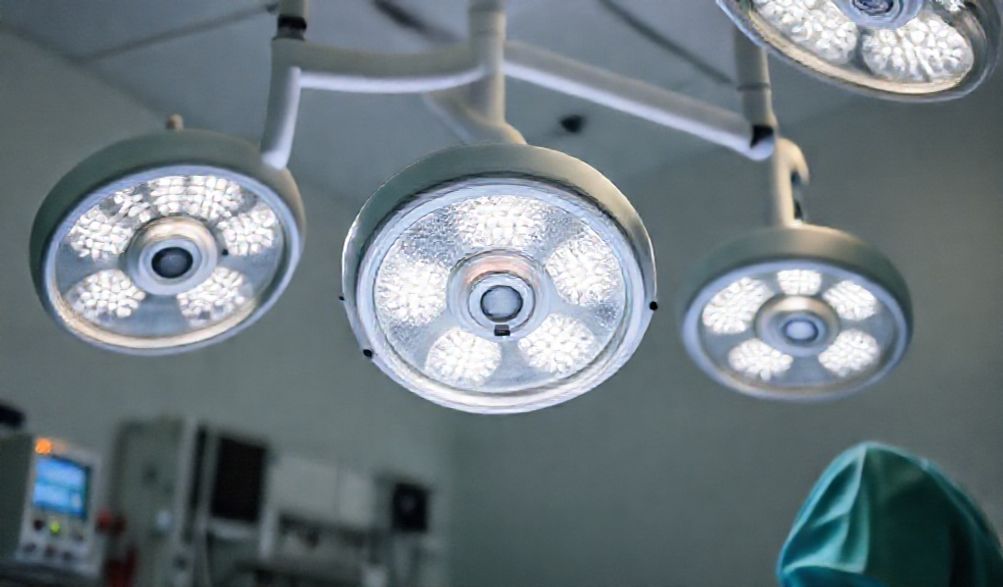
In the high-stakes environment of veterinary surgery, where millimeters matter and anatomy varies dramatically from a Chihuahua to a Great Dane, one piece of equipment stands as a silent, indispensable partner to the surgical team: the luz quirúrgica. More than just a lamp, it is the primary tool for visualization, the foundation upon which precision, safety, and efficiency are built. A poorly lit surgical field is not merely an inconvenience; it is a significant risk factor, increasing the likelihood of fatigue, error, and prolonged anesthesia time.
This comprehensive guide is designed for practice owners, head technicians, and veterinarians who understand that superior patient care is built on superior tools. Whether you are outfitting a new operating room, upgrading aging equipment, or simply seeking to validate your current setup, this article will illuminate the critical considerations. Synthesizing insights from manufacturer specifications, veterinary surgical protocols, and clinical best practices, we will explore the technology, selection criteria, and maintenance essentials that define optimal surgical illumination in modern veterinary medicine.
We will navigate the key technologies behind today’s lights, break down the essential features that impact daily use, provide a practical framework for evaluation, and glimpse into the future of OR lighting.
The Critical Role of Surgical Lighting in Veterinary Medicine
Surgical lighting transcends simple visibility. It is a critical component of the operative environment, directly influencing the surgeon’s ability to perform delicate tasks with accuracy and confidence. In veterinary medicine, this challenge is compounded by the vast range of patient sizes, surgical sites (from ocular to abdominal), and fur-covered surfaces that can absorb light.
How Proper Illumination Impacts Surgical Precision and Patient Safety
The goal of surgical lighting is to create an optimal visual environment that mimics natural daylight within a confined, deep cavity. Key attributes include:
- Depth of Field & Shadow Reduction: Unlike a spotlight, a high-quality surgical light provides intense, even illumination deep into a wound. Advanced “shadow dilution” technology, achieved through multiple LED point sources, minimizes obstructive shadows cast by the surgeon’s head, hands, and instruments. This is paramount in procedures like spays, cystotomies, or spinal surgeries where visual access is limited.
- Tissue Differentiation: The surgeon must clearly distinguish between subtle variations in tissue color, texture, and vascularity. Is that a small blood vessel or a nerve? Is the tissue healthy, inflamed, or necrotic? Proper lighting with excellent color rendering is what makes these critical distinctions possible, guiding surgical decisions in real-time.
- Reduced Visual Fatigue: Glare, “hot spots,” and poor color temperature force the surgical team’s eyes to constantly adjust, leading to strain, headaches, and decreased concentration over long procedures. Ergonomic, consistent lighting helps maintain peak team performance throughout the surgical schedule.
Consequences of Inadequate Lighting: Risks to Procedures and Recovery
Compromising on lighting is a risk no practice should take. The consequences are tangible:
- Increased Iatrogenic Risk: Difficulty visualizing structures can lead to accidental nicks, unnecessary tissue trauma, or missed pathological findings.
- Prolonged Procedure Times: Struggling to see clearly slows down every step—from incision to closure—extending anesthesia time and increasing patient risk.
- Staff Strain and Burnout: Chronic eye strain and the mental fatigue of working in suboptimal conditions contribute to physical discomfort and job dissatisfaction among technical staff and surgeons.
- Compromised Surgical Outcomes: Ultimately, all these factors can converge, potentially affecting the success of the procedure and the speed and quality of the patient’s recovery.
Key Technologies in Modern Veterinary Surgical Lights
Gone are the days of hot, energy-hungry halogen bulbs as the primary option. Modern veterinary surgical suites are dominated by LED technology, which offers a suite of advantages tailored to medical needs.
LED vs. Halogen: Efficiency, Lifespan, and Color Temperature Compared
While some halogen fixtures may still be in use, LED (Light Emitting Diode) technology is now the unequivocal standard for new installations.
- Efficiency & Heat Output: LEDs convert most of their energy into light, not heat. This “cool operation” is a major benefit, preventing tissue desiccation at the surgical site and improving comfort for the surgical team. Halogen lights emit significant infrared radiation, which can dry out exposed tissues.
- Lifespan & Cost of Ownership: An LED engine can last 50,000 hours or more, compared to 1,000-2,000 hours for a halogen bulb. This eliminates frequent, costly bulb replacements and reduces OR downtime.
- Color Rendering & Temperature: LEDs provide stable, consistent color temperature throughout their lifespan. The key metric here is the El Índice de Reproducción Cromática (IRC).
Understanding Light Field Types: Focused vs. Wide, Central vs. Peripheral
Surgical lights offer different field patterns to suit various procedures:
* Focused/Spot Fields: Provide high-intensity, concentrated light for deep-cavity work (e.g., thoracic surgery, deep abdominal exploration).
* Wide/Flood Fields: Deliver broad, even illumination for superficial procedures or large surgical areas (e.g, extensive wound debridement, orthopedic procedures on limbs).
Many modern lights allow the surgeon to adjust the field diameter seamlessly, often via a touch panel or sterile handle control.
The Importance of Color Rendering Index (CRI) for Accurate Tissue Assessment
CRI is a scale (0-100) that measures a light source’s ability to reveal the true colors of objects compared to natural sunlight. For surgery, a CRI of 90 or higher is considered essential. A light with a low CRI might make arterial blood look brownish or mask the subtle cyanosis of poorly oxygenated tissue. High CRI lighting ensures that a tissue’s color is perceived accurately, which is a vital diagnostic cue during surgery.
Essential Features to Consider When Selecting Veterinary Surgery Lights
Beyond core technology, the design and functionality of the light system determine how effectively it integrates into your surgical workflow.
Adjustability and Maneuverability: Arms, Reach, and Ease of Positioning
Veterinary tables vary in height, and surgeons vary in posture. The light must adapt.
* Alcance y Articulación: Look for systems with multi-jointed arms that provide extensive vertical and horizontal reach to cover any table position without obstructing the team.
* Balance & Stability: The light should stay securely in position once placed, without drifting or sagging. Counterbalanced arms are standard for smooth, effortless movement.
* Sterile Handling: The ability to reposition the light head with a sterile handle sleeve is a critical feature for maintaining aseptic technique.
Intensity Control and Dimming: Adapting to Different Procedures and Sensitivities
Not all procedures require the same brightness. A delicate ophthalmic surgery needs different illumination than a routine spay. Precise, stepless dimming allows the team to tailor the light intensity to the task, reducing glare and improving visual comfort. This control should be easily accessible, often on the light head itself.
Sterilization and Cleanability: Designs for Infection Control in the OR
The light is a frequent point of contact in the OR. Its design must support rigorous cleaning protocols.
* Sealed Surfaces: The light head should have a smooth, seamless, and non-porous surface that can be easily wiped down with hospital-grade disinfectants.
* Minimal Crevices: Avoid designs with gaps, seams, or grilles that can trap contaminants.
* Autoclavable Components: Handles and other touch-points should be removable and capable of withstanding autoclave sterilization.
Reliability and Backup Systems: Ensuring Uninterrupted Light During Surgery
A light failure mid-procedure is a nightmare scenario. Reliability is non-negotiable.
* Redundant LED Arrays: High-quality lights have multiple independent LED modules. If one module fails, the others continue to provide ample light to safely complete the surgery.
* Battery Backup: For ceiling-mounted lights, an integrated battery backup ensures illumination continues in the event of a power outage, allowing for safe closure or stabilization of the patient.
* Robust Warranty: A strong manufacturer’s warranty (often 5+ years on the LED engine) is a key indicator of expected reliability and durability.
A Practical Guide to Evaluating and Comparing Surgical Lights
Armed with knowledge of features, how do you make a smart purchasing decision? A structured evaluation is key.
Assessing Your Practice’s Needs: Procedure Types, OR Layout, and Budget
Start with an internal audit:
* Mezcla de Procedimientos: Do you primarily perform soft tissue surgeries, orthopedics, or a mix? Do you need specialty lighting for dentistry or ophthalmology?
* OR Layout & Size: Measure your room. Can it accommodate a large ceiling-mounted system with a long track? Would a wall-mounted or mobile light be more space-efficient?
* Team Input: Involve your surgeons and technicians. What are their frustrations with the current system? What features would improve their workflow?
* Budget: Define a realistic range, considering total cost of ownership (purchase price, installation, and long-term maintenance) rather than just upfront cost.
Key Specifications to Compare on Product Data Sheets
When reviewing products, compare these core technical specifications side-by-side. Here’s a simplified framework:
| Specification | What It Means | What to Look For (Typical Veterinary Range) |
| :— | :— | :— |
| Illuminance (Lux) | Light intensity at the surgical field. | 40,000 – 160,000+ Lux at 1m distance. Higher is better for deep cavities. |
| El Índice de Reproducción Cromática (IRC) | Accuracy of color perception. | 90 or higher. Essential for tissue differentiation. |
| Color Temperature (Kelvin) | The “warmth” or “coolness” of the white light. | 4000K – 5000K. A neutral, daylight white that minimizes eye strain. |
| Field Diameter | Size of the illuminated area at a set distance. | Adjustable range (e.g., 10cm – 30cm at 1m). |
| Shadow Dilution | Ability to minimize shadows. | Rated as a percentage; >60% is good, >80% is excellent. |
| Depth of Illumination | How well light penetrates into a cavity. | Not always quantified; request a demonstration. |
| Warranty | Coverage on parts, LED engine, and labor. | Minimum 3 years; 5+ years on LEDs indicates confidence. |
Installation Considerations: Ceiling Mount vs. Wall Mount vs. Mobile Stands
- Ceiling Mount (Track or Single Point): Offers the greatest range of motion, keeps floors clear, and is most ergonomic. Ideal for dedicated, high-volume ORs. Requires professional installation and structural assessment.
- Montaje en Pared: A space-saving and cost-effective alternative for smaller rooms. May have slightly more limited reach than ceiling systems.
- Mobile Floor Stand: Provides ultimate flexibility. Can be moved between multiple rooms (e.g., treatment, dental, minor procedure). Essential for practices without a dedicated OR or for use as a backup/auxiliary light. Ensure it has a sturdy, wheel-locking base.
Maintenance, Safety, and Best Practices for Longevity
A surgical light is a long-term investment. Proper care ensures it performs reliably for years.
Routine Cleaning and Inspection Protocols
- Diariamente: Wipe down the light head and arms with a soft cloth and approved disinfectant. Avoid abrasive cleaners or solvents that can damage surfaces.
- Semanalmente/Mensualmente: Inspect arms for smooth movement. Check for any flickering or dimming of LEDs. Verify that intensity and focus controls are functioning correctly.
Calibration and Performance Checks to Ensure Consistent Output
- Follow the manufacturer’s recommended service schedule, typically an annual inspection by a qualified technician.
- This service should check light output (Lux), color temperature, balance, and electrical safety to ensure the system is operating at its original specifications.
Common Issues and Troubleshooting for Veterinary Surgical Lights
- Drifting/Loss of Balance: May require re-balancing of the arms by a technician.
- Flickering or Dim LEDs: Could indicate a failing driver or LED module. Contact service.
- Stiff or Sticky Movement: Joints may need cleaning or lubrication as per manufacturer instructions.
- Percepción constante de “demasiado tenue”: Es posible que la luz necesite recalibración, o que el difusor/la cubierta estén sucios o deteriorados.
El futuro de la iluminación quirúrgica veterinaria
La tecnología sigue evolucionando, ampliando los límites de lo posible en el quirófano.
Integración con sistemas de imagen digital y visualización quirúrgica
La próxima frontera es la integración perfecta de la iluminación con otras tecnologías del quirófano. Imagine un sistema de luz que ajusta automáticamente su intensidad y campo según el nivel de zoom de una cámara quirúrgica, o uno que puede superponer imágenes preoperatorias (como tomografías computarizadas) como una guía en el campo quirúrgico mediante proyección integrada.
Iluminación inteligente: ajustes automatizados e integración con el entorno del quirófano
“Los quirófanos ”inteligentes" están en el horizonte. Los sistemas de iluminación podrían integrarse con sensores de la sala para ajustarse automáticamente según el tipo de procedimiento registrado en el sistema de gestión de la clínica, o sincronizarse con las preferencias personales del cirujano. Los controles activados por voz para ajustes manos libres son otra área en desarrollo, mejorando aún más la esterilidad y la comodidad.
Preguntas frecuentes (FAQ) sobre luces quirúrgicas veterinarias
P1: ¿Cuál es la temperatura de color ideal (Kelvin) para las luces quirúrgicas veterinarias?
R: El rango ideal suele estar entre 4000K y 5000K. Esto produce una luz blanca neutra y brillante que se asemeja mucho a la luz solar del mediodía. Proporciona una excelente claridad visual sin el tono azul intenso de temperaturas más altas (que puede causar fatiga visual) o el tono amarillento de temperaturas más bajas (que distorsiona el color de los tejidos).
P2: ¿Con qué frecuencia deben serviciarse o recalibrarse las luces quirúrgicas?
R: Siempre adhiérase a las pautas específicas del fabricante, que a menudo recomiendan una verificación de servicio profesional anualmente. Sin embargo, las verificaciones visuales diarias o semanales del rendimiento por parte de su personal son cruciales. Simplemente encienda la luz y asegúrese de que alcanza el brillo máximo sin parpadeos y que el enfoque/ajuste del campo funciona sin problemas.
P3: ¿Se pueden utilizar eficazmente las luces quirúrgicas humanas en la práctica veterinaria?
R: Aunque pueden funcionar, generalmente son preferibles las luces específicas para veterinaria. A menudo están diseñadas con un mayor alcance vertical para adaptarse a la mayor variación en las alturas de las mesas utilizadas para diferentes especies. También pueden estar optimizadas para las diferentes distancias focales requeridas al trabajar en cavidades de animales grandes en comparación con la anatomía humana.
P4: ¿Qué significa “dilución de sombras” y por qué es importante?
R: La dilución de sombras se refiere a la capacidad de una luz para minimizar las sombras oscuras proyectadas por las manos y los instrumentos del cirujano. Se logra utilizando múltiples fuentes LED posicionadas en diferentes ángulos. La luz “rellena” las sombras de una fuente con luz de otra. Un alto porcentaje de dilución de sombras (>80%) es de vital importancia para cirugías de heridas profundas y cavidades, asegurando que el cirujano siempre tenga una visión clara.
P5: ¿Existen opciones de luces quirúrgicas móviles adecuadas para uso multissalas o de emergencia?
R: Absolutamente. Las luces quirúrgicas móviles sobre pedestal son una solución excelente y flexible para muchas clínicas. Son ideales para clínicas sin un quirófano dedicado, para uso en salas dentales, para procedimientos de emergencia en áreas de tratamiento o como luz de respaldo vital. Busque modelos con una base pesada y estable, fácil maniobrabilidad y, preferiblemente, una función de batería de respaldo.
Conclusión
Seleccionar la luz quirúrgica veterinaria adecuada es una decisión que repercute en cada procedimiento que realiza su clínica. No es meramente un accesorio o un mueble; es un equipo médico fundamental que posibilita directamente la precisión, salvaguarda el bienestar del paciente y protege la salud ergonómica de su equipo quirúrgico. La elección implica un equilibrio cuidadoso entre las especificaciones técnicas—IRC, Lux, dilución de sombras—y las realidades prácticas del flujo de trabajo de su quirófano, la retroalimentación del equipo y la población de pacientes.
Le animamos a utilizar esta guía como punto de partida para una auditoría exhaustiva de su iluminación quirúrgica actual. Consulte con especialistas en equipos de buena reputación, exija demostraciones prácticas o períodos de prueba en sus propias instalaciones e involucre a todo su equipo quirúrgico en el proceso de evaluación. Invertir en una iluminación óptima es, inequívocamente, una inversión en el éxito quirúrgico, la satisfacción del personal y el más alto estándar de atención compasiva y competente que brinda a cada paciente.
p>