
The Ultimate Guide to Surgical LED Headlamps: Enhancing Precision in Modern Medicine
In the operating room, where fractions of a millimeter can separate success from complication, a surgeon’s skill is paramount. But what if one of the most crucial tools at their disposal isn’t a scalpel, forceps, or suture, but their very source of light? Visibility is the foundation of precision. Without optimal illumination, identifying delicate structures, differentiating tissue types, and controlling micro-bleeding becomes a formidable challenge. This is where the unassuming yet transformative La lámpara frontal LED quirúrgica enters the scene.
This guide is built on a foundation of expertise, authoritativeness, and trustworthiness (E-E-A-T), synthesizing information from technical engineering manuals, peer-reviewed clinical studies, and industry best practices. Whether you are a seasoned surgeon reevaluating your equipment, a medical student preparing for a career in the OR, a hospital procurement officer tasked with a major purchase, or simply an enthusiast of medical technology, this post aims to provide comprehensive, reliable information.
We will delve into the technology that powers modern surgical illumination, unpack its undeniable benefits, and provide a detailed framework for selecting the right system. By the end, you will understand why the La lámpara frontal LED quirúrgica is more than just a light—it’s a pivotal instrument for enhancing patient care, surgeon well-being, and procedural efficiency.
What is a Surgical LED Headlamp and How Does It Work?
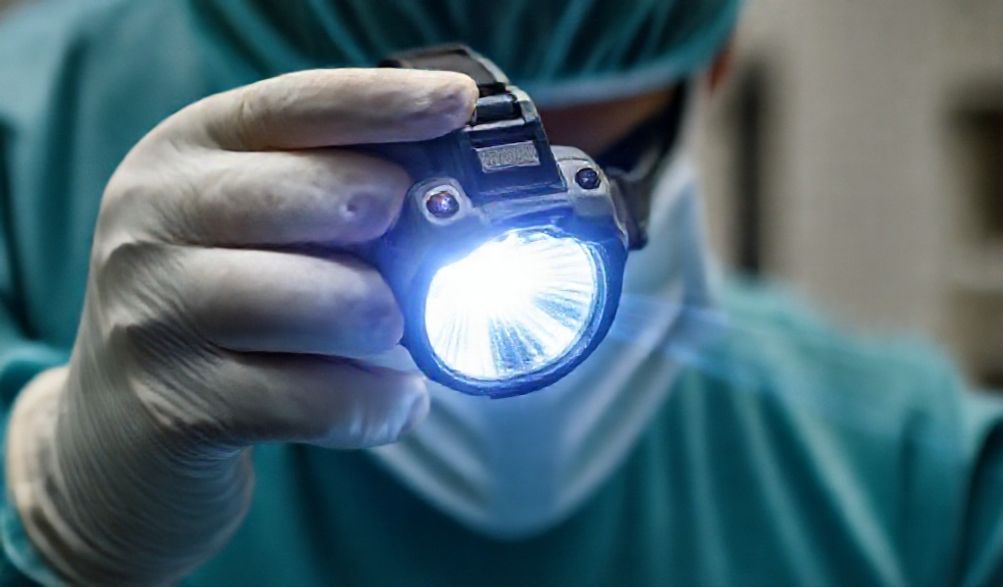
At its core, a surgical headlamp is a wearable, hands-free illumination system designed to project a bright, focused beam of light directly into a surgical field, shadowing the surgeon’s line of sight. Its evolution marks a significant leap from the earlier generations of surgical lighting.
Core Definition & Evolution from Halogen/Xenon
The predecessors to today’s LED systems were typically halogen or xenon bulbs. While a major improvement over overhead lights alone, these technologies had inherent drawbacks. They generated significant heat, often causing discomfort for the surgeon during long procedures. They were bulky, requiring larger power packs and heavier headgear. Most notably, their bulbs had a relatively short lifespan, measured in hundreds of hours, leading to frequent, costly replacements and the risk of failure mid-surgery. The La lámpara frontal LED quirúrgica represents the modern standard, addressing these limitations through solid-state technology.
The Technology Behind the Beam
The heart of the system is the Light Emitting Diode (LED). Unlike halogen bulbs that use a heated filament, LEDs produce light through electroluminescence—the movement of electrons in a semiconductor material. This process is extraordinarily efficient, converting most of the energy into visible light with minimal waste heat. This “cool” operation is a game-changer for surgeon comfort.
However, a raw LED chip emits light in a wide, diffuse pattern. The brilliance of a surgical headlamp lies in its optics. Precision-engineered reflectors and lenses collimate and focus this light into a intense, uniform beam. Advanced systems often use specialized optics to create a “shadow-reduced” or “coaxial” light field, where the light path is aligned with the surgeon’s visual axis, minimizing obstructions from their own instruments or hands.
Basic Components Breakdown
Every surgical headlamp system consists of several key components:
1. Índice de Reproducción Cromática (IRC): The LED module itself, housed in a small, durable casing on the headpiece.
2. Power Source: This can be a rechargeable battery pack worn on a belt or a smaller battery integrated directly onto the headband.
3. Cable: For belt-pack models, a lightweight, flexible cable transmits power from the battery to the headlamp.
4. Banda para la Cabeza: An adjustable, often padded, band designed for secure and comfortable fit. Balance is critical.
5. Control Unit: Typically includes an on/off switch and a dial or button for adjusting light intensity. This may be on the battery pack, the cable, or the headpiece itself.
Key Benefits of Using LED Headlamps in Surgery
The shift to LED technology isn’t just an upgrade; it’s a multi-faceted enhancement that impacts clinical outcomes, ergonomics, and hospital operations.
Superior Illumination & Color Rendering
This is the primary benefit. LED headlamps provide exceptional brightness (measured in lux or lumens) in a focused area. More importantly, they offer superb color quality. Key metrics include:
* Temperatura de Color: Measured in Kelvin (K). Surgical LEDs typically range from 4500K to 6000K, producing a bright, neutral white light that closely mimics daylight. This allows for true, accurate color perception of tissues, crucial for distinguishing between arteries, veins, nerves, and different organ structures.
* Índice de Reproducción Cromática (IRC): A scale (0-100) indicating how accurately a light source reveals the true colors of objects. High-end surgical headlamps boast a CRI of 90 or above, ensuring that subtle color differences in tissue viability, inflammation, or pathology are not masked by poor lighting.
Enhanced Surgeon Ergonomics & Comfort
Surgeon fatigue is a real concern in lengthy procedures. LED headlamps directly combat this:
* Reduced Weight & Heat: LEDs and their associated components are smaller and lighter than older systems. The minimal heat output eliminates the “hot spot” on the surgeon’s forehead, a common complaint with halogen models.
* Balanced Design: Modern headbands are engineered to distribute weight evenly between the forehead and the back of the head, preventing pressure points and neck strain during long, static positions.
The result is a less fatigued surgeon who can maintain peak concentration and fine motor control throughout a procedure.
Reliability and Cost-Efficiency
From an operational standpoint, LEDs are a sound investment:
* Larga Vida Útil: An LED module can last 50,000 hours or more. In practical terms, this means years, if not decades, of daily use without needing a bulb replacement, eliminating a point of failure.
* Los LED consumen hasta un 80% menos de energía que los sistemas halógenos para producir la misma o mayor cantidad de luz, reduciendo los costes de servicios. LEDs consume far less power to produce the same or greater light output. This translates to longer battery runtime per charge.
* Durabilidad: As solid-state devices with no fragile filament, LEDs are more resistant to shock and vibration.
While the initial purchase price may be higher, the total cost of ownership—factoring in zero bulb replacements, lower energy use, and reduced downtime—is typically far lower than with traditional systems.
Critical Features to Consider When Choosing a Headlamp
Seleccionar la La lámpara frontal LED quirúrgica requires matching technical specifications to clinical needs. Here are the most critical features to evaluate.
Brightness and Beam Adjustability
More lumens aren’t always better; control is key.
* Spot vs. Flood: A adjustable beam is essential. A tight “spot” setting provides intense, deep-cavity illumination for neurosurgery or spinal work. A wider “flood” setting offers broader coverage for superficial procedures like plastic surgery or wound debridement.
* Depth of Field: This refers to how much of the beam remains in focus at different working distances. A good headlamp provides a clear, uniform circle of light whether you are 10 inches or 20 inches from the surgical site.
* Dimmability: The ability to smoothly adjust intensity from low to high is vital. It allows the surgeon to use just the right amount of light for the task, reducing glare and eye strain, and is particularly important in microsurgery.
Power System and Runtime
Power management can make or break a system’s usability.
* Las de iones de litio (Li-ion) son estándar por su alta densidad energética y falta de efecto memoria. Lithium-ion (Li-ion) batteries are the standard due to their high energy density, lack of memory effect, and slow self-discharge.
* Belt-Pack vs. Battery-on-Head: Belt-pack systems house a larger battery, offering extended runtime (often 6-8+ hours) and moving the main weight off the head for better balance during marathon procedures. Cordless (battery-on-head) models provide complete freedom of movement and are ideal for shorter cases or specialties requiring significant head turning.
* Duración y carga: Ensure the system’s rated runtime exceeds your longest typical procedure. Look for features like quick-charge capabilities (e.g., 1-hour charge for 3 hours of runtime) and clear battery level indicators.
Comfort and Hygiene
If it’s not comfortable or cleanable, it won’t be used properly.
* Diseño de la banda para la cabeza: Look for multi-point adjustment, soft, replaceable padding, and a secure yet gentle grip. The goal is a “forget-it’s-there” fit.
* Infection Control – The Non-Negotiable Feature: This is paramount for patient safety. The headband and light casing that enter the sterile field debe be able to be covered. The highest standard is an autoclavable (steam-sterilizable) headpiece. The next best option is a system designed to be used with a single-use, sterile disposable drape/cover. Never compromise on this feature.
Applications Across Medical Specialties
The versatility of modern headlamps makes them indispensable across the surgical spectrum.
Neurosurgery and Spinal Procedures
Here, deep, narrow cavities are the norm. Surgeons require an intensely focused “spot” beam with excellent depth of field to visualize structures at the base of a craniotomy or within the spinal canal.
ENT (Otolaryngology) and Microsurgery
Precision is measured in microns. ENT and microsurgeons need extremely bright, shadow-reduced, and often coaxial illumination to see fine structures of the inner ear, vocal cords, or during microvascular anastomoses. Flicker-free light is also critical to prevent visual fatigue under the microscope.
Dentistry and Oral Surgery
Intraoral work presents a unique challenge: illuminating a confined, moisture-rich space. Dental-specific headlamps often feature a lower profile to avoid obstruction and light designed to penetrate oral tissues effectively for procedures like implantology or endodontics.
General Surgery, Plastics, and Emergency Medicine
These fields demand versatility. A surgeon might need a flood beam for a large laparotomy incision, a focused spot for delicate dissection near the bile duct, and everything in between. In trauma or emergency settings, a reliable, bright, and quickly donned headlamp can be invaluable for wound exploration and repair.
Mantenimiento, Seguridad y Mejores Prácticas
A premium La lámpara frontal LED quirúrgica is a significant investment. Proper care ensures its longevity, safety, and reliability.
Proper Cleaning and Sterilization Protocols
Always follow the manufacturer’s specific instructions for cleaning and sterilization. Los principios generales incluyen:
* Non-Sterile Components (Battery, Cable): Wipe down with a hospital-grade disinfectant wipe after each use.
* Components Requiring Sterile Barrier: As per the manufacturer’s IFU (Instructions for Use), the headpiece will either be:
* Autoclavable: Cleaned, placed in a sterilization pouch, and run through a standard steam autoclave cycle.
* Cover-Compatible: Thoroughly disinfected, then covered with a new, sterile disposable drape for each procedure.
* Nunca immerse components in liquid unless explicitly stated by the manufacturer. Never use abrasive cleaners or harsh chemicals.
Battery Care and Storage
- Follow the “charge/discharge” guidelines in the manual. For Li-ion batteries, avoid constantly keeping them at 100% charge if storing for long periods; a 40-80% charge is ideal for battery health.
- Store batteries and the headlamp in a clean, dry, room-temperature environment.
- Keep spare batteries charged and ready to swap for long procedures.
Pre-Procedure Checklist
Develop a routine:
1. Charge: Ensure primary and backup batteries are fully charged.
2. Enfoque: Adjust the beam focus/width to the intended setting.
3. Ajuste: Don the headband and adjust for secure, comfortable balance.
4. Function Test: Turn on the light, cycle through intensities, and check the beam pattern.
5. Secure Cables: Route the cable (if present) so it does not dangle or become a snag hazard.
6. Sterile Barrier: Apply the sterile autoclave pouch or disposable drape as per protocol.
Preguntas Frecuentes (FAQ)
Q1: How long does a typical surgical LED headlamp battery last?
A: On a single charge, most modern systems last between 4 to 8 hours, depending on the brightness setting. High-end belt-pack models can often exceed 8 hours. It is a universal best practice to have a fully charged backup battery available for any procedure.
Q2: Can the light be too bright and cause eye strain for the surgeon?
A: Yes, which is why adjustable brightness is a critical feature. Proper technique involves using the minimum intensity necessary for optimal visualization. This reduces glare from reflective surfaces and minimizes eye fatigue. Advanced models with flicker-free drivers further reduce strain during prolonged use.
Q3: Are surgical LED headlamps safe for all patients?
A: Yes. LEDs emit negligible amounts of ultraviolet (UV) and infrared (IR) radiation. The light is “cool,” meaning very little heat is transferred to the patient’s tissue at the surgical site, which is a significant safety advantage over older, hotter light sources. Always adhere to the device-specific operational guidelines.
Q4: What is the typical lifespan of the LED itself?
A: The LED module is incredibly durable, often rated for 50,000 to 100,000 hours of use. Under normal surgical schedules, this typically means the LED will outlast many other components of the system and is not considered a routine replacement item.
Q5: How do I choose between a corded (belt-pack) and a cordless (battery-on-head) model?
A: The choice depends on your surgical workflow. Cordless models offer ultimate freedom of movement and are excellent for shorter procedures or in specialties like dentistry where frequent head turning is needed. Corded belt-pack models provide longer, more predictable runtime and superior weight distribution, making them the preferred choice for surgeons performing lengthy operations such as in cardiothoracic, transplant, or complex reconstructive surgery.
Conclusión
El La lámpara frontal LED quirúrgica stands as a testament to how technological refinement can directly elevate the art and science of surgery. It is far more than a simple convenience; it is a fundamental tool that enhances precision through superior light quality, protects surgeon well-being via ergonomic design, and ensures reliability through robust, efficient engineering.
Investing in a high-quality system from a reputable manufacturer, backed by strong clinical evidence and clear protocols for hygiene, is an investment in patient safety and surgical excellence. It is a decision that merits careful consideration of the features outlined in this guide.
In the high-stakes environment of the operating room, where clarity is synonymous with control, optimal illumination is non-negotiable. We encourage you to evaluate your current needs, trial equipment where possible, and prioritize the features—be it beam quality, comfort, or sterile compatibility—that align most closely with the demands of your specific surgical practice. The right light doesn’t just illuminate the field; it illuminates the path to better outcomes.
Consult with your trusted medical equipment supplier to arrange a demonstration and experience the critical difference in clarity and comfort firsthand.
p>