
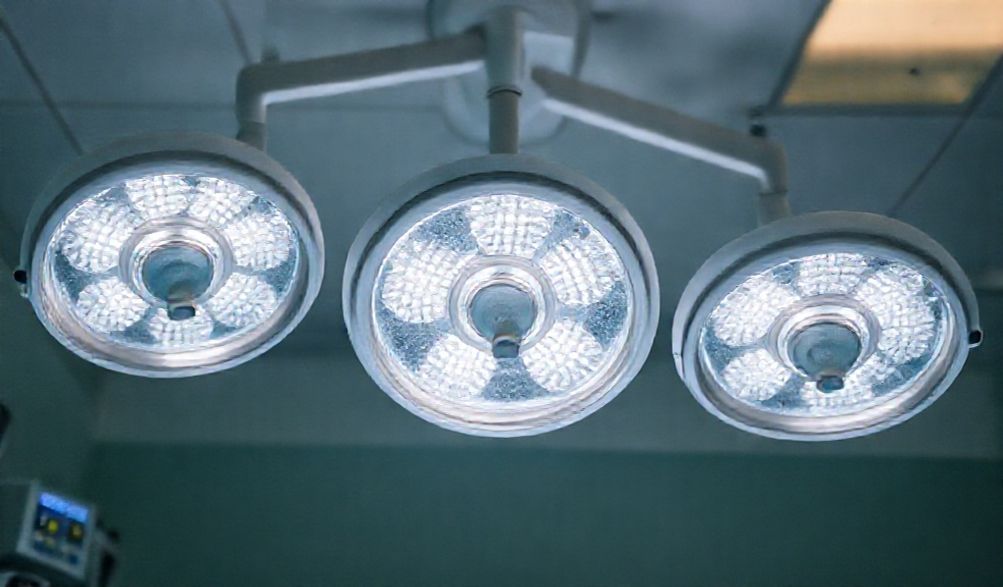
Surgical Lights: A Comprehensive Guide to Types, Technology, and Selection for Optimal Operating Room Outcomes
In the high-stakes environment of the operating room, where millimeters can define success, one critical factor is often taken for granted until it fails: light. Imagine a cardiac surgeon navigating a complex valve repair, a neurosurgeon differentiating between grey and white matter, or an orthopedic team aligning a fracture. In each scenario, a single shadow, a moment of glare, or inaccurate color perception can impede precision, prolong procedure time, and, most critically, compromise patient safety. surgical lighting is not merely about brightness; it is a foundational technology that directly influences clinical outcomes, team performance, and operational efficiency.
This comprehensive guide is designed to empower hospital administrators, surgical directors, clinical engineers, and procurement specialists. Navigating the market for luces quirúrgicas halógenas, involves a maze of technical specifications, competing claims, and significant financial investment. Our goal is to translate that complexity into clear, authoritative, and practical insights. We will move beyond sales brochures to explore the core technologies that define modern illumination, the various types of lights and their ideal applications, and a structured framework for making an informed selection that aligns with your clinical and financial objectives. By the end, you will possess the knowledge to evaluate luces quirúrgicas halógenas, not as a commodity, but as a long-term strategic investment in your facility’s surgical excellence.
The Critical Role of Surgical Lighting in Modern Healthcare
While the primary function of a luz quirúrgica is obvious—to illuminate the operative site—its impact resonates throughout the entire surgical ecosystem. Advanced lighting is a silent partner to the surgical team, enhancing their capabilities and safeguarding the patient.
Beyond Illumination: Impact on Surgical Precision and Patient Safety
The link between superior visualization and reduced human error is well-established. A well-lit surgical field allows for precise dissection, accurate identification of anatomical structures, and meticulous control of bleeding. This precision is paramount in minimizing intraoperative complications. Furthermore, optimal illumination plays a direct role in infection control. Inadequate light can force surgeons to work closer to the wound or obscure subtle signs of contamination, potentially increasing the risk of Surgical Site Infections (SSIs). By providing deep, shadow-free illumination, modern luces quirúrgicas halógenas, enable the team to maintain a sterile field and perform thorough irrigation and debridement with confidence.
Enhancing Surgical Team Performance and Reducing Fatigue
A lengthy surgery demands sustained visual acuity from the entire team. Poor lighting—characterized by glare, “hot spots,” or inadequate color rendering—is a major contributor to eye strain, headaches, and premature mental fatigue. This visual stress can slow decision-making and reduce overall alertness. Modern systems address this through features like homogeneous light diffusion, which eliminates harsh contrasts, and high Color Rendering Index (CRI), which ensures tissues appear in their true, natural hues. Ergonomic design, allowing for easy, effortless positioning, also reduces physical strain on nurses and technicians who adjust the lights, contributing to a more efficient and less taxing work environment.
Core Technology & Key Features of Advanced Surgical Lights
Understanding the underlying technology is key to differentiating between a basic light and a true surgical tool. Today’s systems are engineered around a set of critical performance metrics.
LED Technology: The Modern Standard
The shift from halogen and xenon to Light Emitting Diode (LED) technology represents the most significant advance in luz quirúrgica design in decades. LEDs are now the unequivocal standard, and for compelling reasons:
* Funcionamiento Fresco: LEDs emit minimal infrared radiation, drastically reducing heat directed at the surgical site. This protects delicate tissues and improves surgeon comfort.
* Energy Efficiency & Longevity: LEDs consume up to 80% less power than halogen systems and boast lifespans exceeding 50,000 hours—often a decade or more of normal use—virtually eliminating the cost and disruption of bulb replacements.
* Consistent Performance: LED output maintains a stable color temperature and intensity throughout its lifespan, unlike halogen bulbs which dim and yellow over time.
Understanding Key Performance Metrics
When evaluating lights, look beyond wattage. These metrics define clinical performance:
* Lux & Illuminance: Lux measures light intensity at the surgical field. While general surgery may require 40,000-100,000 lux, deep-cavity procedures like cardiac or pelvic surgery often need 160,000 lux or more to achieve adequate illumination at depth.
* Índice de Reproducción Cromática (IRC): This scale (0-100) measures a light’s ability to reveal the true colors of objects compared to natural light. A CRI >90 is essential for accurately differentiating between arterial blood, venous blood, fatty tissue, and organ parenchyma, which can appear subtly different under poor light.
* Shadow Reduction & Depth of Illumination: No single light source can eliminate shadows. Advanced systems use multiple LED arrays (often hundreds of individual diodes) arranged in a specific geometry with sophisticated reflectors. This design allows light from multiple angles to fill in shadows created by the surgeon’s head and hands. “Depth of illumination” refers to the light’s ability to maintain quality and intensity deep within a wound, a critical feature for spinal or prostate surgeries.
Ergonomic Design and Sterilization Compatibility
A high-performance light is useless if it’s difficult to position or cannot be kept sterile. Key design considerations include:
* Maneuverability: Lights should feature effortless movement across multiple axes, with perfect balance to hold position securely without drift. Touch-free, sterile handle covers are a standard requirement.
* Capacidad de limpieza: The entire housing must be seamless, with no gaps or crevices that can harbor pathogens. Surfaces must withstand daily cleaning with aggressive, hospital-grade disinfectants without corroding or degrading.
Types of Surgical Lights and Their Clinical Applications
The “one-size-fits-all” approach does not work in the modern OR suite. Matching the light type to the clinical application is crucial for efficiency and outcomes.
Ceiling-Mounted Surgical Lights: The OR Workhorse
These are the primary lights in major operating rooms.
* Single vs. Dual Head: A single large-diameter head provides excellent illumination for many procedures. A dual-head system (two independent light heads on one boom) offers unparalleled flexibility, allowing one head to provide broad-field illumination while the other provides focused, deep-cavity light or illumination from a complementary angle. This is the preferred configuration for complex, multi-specialty ORs.
Surgical Light Systems for Specialized Procedures
- Headlights: Worn by the surgeon, these fiber-optic or LED systems provide direct, coaxial illumination exactly where the surgeon is looking. They are indispensable in specialties like dentistry, ENT, maxillofacial, and plastic surgery, where the operative site is narrow and deep.
- Wall-Mounted & Floor-Stand Lights: These are ideal for spaces where ceiling infrastructure is lacking or flexibility is needed. They are common in minor procedure rooms, endoscopy suites, labor & delivery rooms, and for trauma bays. Modern floor stands are highly mobile and stable.
- Hybrid/Articulating Lights: Often wall or ceiling-mounted on a multi-jointed arm, these lights offer a middle ground—more power and reach than a headlight, but more targeted positioning than a large ceiling light. They are perfect for ophthalmology or as supplemental lighting.
How to Select the Right Surgical Lights: A Procurement Checklist
Seleccionar luces quirúrgicas halógenas, is a strategic process that blends clinical need with financial and operational wisdom.
Assessing Clinical Needs and OR Workflow
Start with a clinical audit:
1. What are the primary surgical specialties using the room? (e.g., Orthopedics needs high intensity and depth; GI may prioritize integration with video).
2. What is the room size and ceiling height? This determines necessary boom reach and rotation.
3. Interview surgeons and nurses. What are their frustrations with current lighting? Observe procedures to identify workflow bottlenecks.
Evaluación del Costo Total de Propiedad (CTP)
The purchase price is just the beginning. A true financial analysis includes:
* Costo Inicial: The capital expenditure for the light and installation.
* Consumo de Energía: Calculate the annual cost difference between an LED system and an older halogen system.
* Mantenimiento y Repuestos: LED systems have near-zero bulb replacement costs. Factor in the cost and terms of recommended service contracts.
* Tiempo de inactividad: What is the clinical and financial impact of a light being out of service? Evaluate vendor service response times.
Compliance, Safety, and Certification Standards
Ensure any system under consideration carries essential international safety certifications:
* IEC 60601-1: The baseline safety standard for medical electrical equipment.
* ISO 9680: The specific international standard for the performance and safety of luces quirúrgicas halógenas,.
* Certificaciones Regionales: Such as FDA clearance, CE marking, or other local market approvals.
Vendor Evaluation: Service, Support, and Integration
A reliable partner is as important as the product. Key questions include:
* Red de Servicio: Is there local, qualified technical support? What are the guaranteed response times?
* Garantía: What is covered and for how long?
* Future-Proofing: Can the system integrate with other OR technologies, such as 4K video capture systems or the hospital’s network for data logging?
The Future of Surgical Illumination: Emerging Trends
El luz quirúrgica is evolving from an illumination device into an intelligent OR hub.
Integration with Digital OR and Imaging Systems
The next generation of lights often incorporates high-resolution 4K cameras at the light head’s center. This allows for seamless recording of procedures for documentation, tele-mentoring, and training without obstructing the surgical field or requiring separate, bulky camera stands.
Smart Lighting and Adaptive Controls
Imagine lights that automatically adjust intensity based on the ambient light in the room, or systems controlled by voice command or sterile touch panels. Programmable settings can recall preferred light configurations for specific surgeons or procedures, streamlining setup time.
Advances in Light Spectrum for Enhanced Visualization
Research is exploring the use of specific, narrow light wavelengths beyond white light. For example, certain blue or green spectra can enhance the contrast of blood vessels or specific tissue types, potentially providing real-time, non-invasive visual cues to the surgeon—a concept known as “spectral imaging.”
Preguntas Frecuentes (FAQ) Sobre Luces Quirúrgicas
Q1: What is the typical lifespan of an LED surgical light, and what maintenance is required?
R: Los LED de alta calidad luces quirúrgicas halógenas, are typically rated for 50,000 to 100,000 hours of use. With average OR utilization, this can translate to 10-20 years before a significant drop in output. Maintenance primarily involves daily cleaning of handles and exteriors with approved disinfectants and periodic professional servicing (e.g., every 1-2 years) to check mechanical components, balance, and electrical safety.
Q2: How many surgical lights are needed per operating room?
R: For a primary operating room, the standard is one ceiling-mounted system. This is most commonly a dual-head light on a single boom, as it provides the greatest flexibility and redundancy. Very large rooms or those dedicated to exceptionally complex procedures (like hybrid ORs) may benefit from two independent ceiling systems. Minor procedure rooms often utilize a single ceiling light or a mobile floor-stand model.
¿Se pueden actualizar los antiguos sistemas de luces quirúrgicas halógenas a LED?
R: Retrofit kits are available for some older models, replacing the halogen lamp module with an LED one. While this improves efficiency and reduces heat, it may not fully capture the performance benefits of a purpose-built, modern LED system with advanced multi-source shadow control and optics. A cost-benefit analysis comparing a retrofit to a complete system replacement is recommended.
Q4: What is the most important factor when comparing different surgical light models?
R: There is no single factor. The decision must balance el rendimiento clínico y la long-term reliability. A checklist should include: adequate and deep illumination (Lux), excellent color fidelity (CRI >90), effective shadow management, effortless ergonomics, a sealed/cleanable design, and the backing of a vendor with a strong service and support network. Brightness alone is not a sufficient metric.
Q5: How does surgical lighting contribute to infection control?
R: Modern luces quirúrgicas halógenas, support infection control in several ways: 1) Funcionamiento Fresco: LED lights minimize heat rising from the wound, which can reduce air turbulence and microbial shedding. 2) Diseño Sellado: Smooth, crevice-free housings prevent the accumulation of biological debris and can be thoroughly disinfected. 3) Mangos Estériles: Easy-to-clean or disposable handle covers prevent cross-contamination.
Conclusión
Seleccionar la luces quirúrgicas halógenas, is a critical, long-term investment that directly influences patient safety, surgical precision, team well-being, and operational efficiency. It is a decision that merits moving beyond simple price comparisons to a thorough evaluation of technology, clinical fit, and total cost of ownership.
We hope this guide has provided you with a foundational framework and the essential vocabulary to navigate this complex procurement process confidently. Use this knowledge as a starting point for deeper, facility-specific analysis. We strongly recommend engaging your clinical engineers, conducting hands-on demonstrations with shortlisted vendors in a simulated OR setting, and requesting clinical white papers and detailed TCO analyses.
Your next step is to conduct a formal needs assessment of your current OR suites. Identify the gaps between your existing technology and your clinical aspirations. Then, reach out to reputable manufacturers to request detailed specifications and arrange evaluations. The path to optimal surgical outcomes is always better lit.
p>