
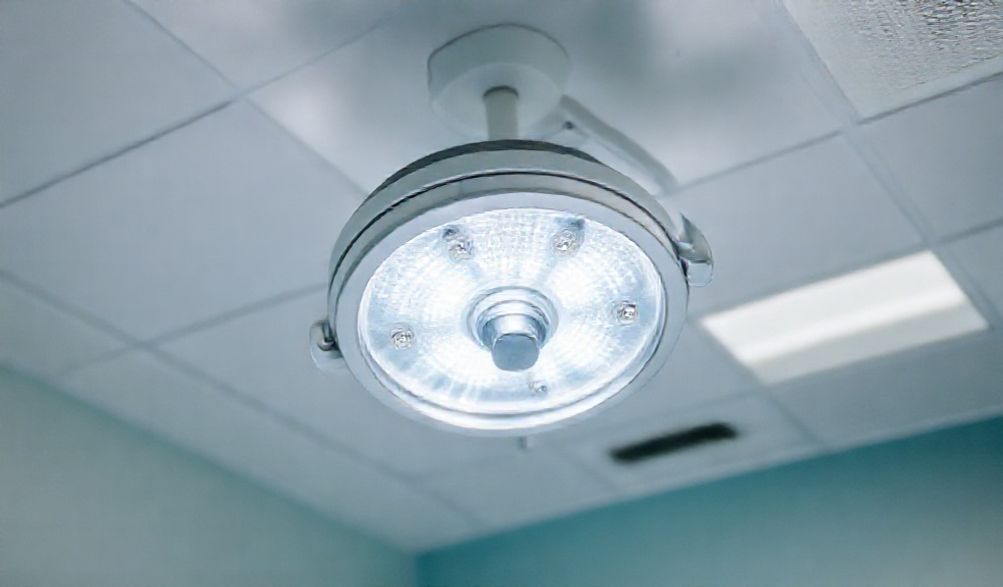
The Complete Guide to Ceiling Mounted Surgical Lights: Technology, Benefits & Selection
Introduction
In the high-stakes environment of an operating room, few factors are as fundamentally critical—and yet sometimes as overlooked—as illumination. The difference between a clear, shadow-free view of the surgical field and one hampered by glare or darkness can be the difference between a routine procedure and a complication. Optimal lighting is not merely a convenience; it is a direct contributor to surgical precision, speed, and, ultimately, patient safety.
This definitive guide is crafted to demystify the sophisticated technology of the modern ceiling mounted surgical light. Drawing on engineering specifications, clinical ergonomics, and real-world facility planning insights, it serves as an essential resource. Whether you are a surgeon advocating for better tools, an OR manager overseeing a renovation, a biomedical engineer evaluating performance, or a procurement specialist navigating capital investments, understanding these systems is paramount.
We will move beyond basic catalogs to explore the advanced technology that powers today’s lights, their tangible and significant benefits over traditional floor-standing models, the critical criteria you must consider during selection, and the best practices for integration and long-term maintenance. By the end, you will be equipped with the knowledge to make an informed decision that elevates the capabilities of your operating theater.
The Evolution of Surgical Lighting: From Shadow to Precision
The journey to today’s advanced ceiling mounted surgical light is a story of relentless pursuit of clarity, control, and sterility. Understanding this evolution underscores why modern systems are engineered as they are.
Early Incandescent Systems and Their Limitations
The earliest dedicated luces quirúrgicas halógenas, were simple incandescent fixtures. While a vast improvement over ambient sunlight or oil lamps, they were plagued by intense heat radiation (often uncomfortably heating the surgeon’s head and the patient’s tissue), poor color rendering that distorted tissue appearance, and profound, single-source shadows cast by the surgeon’s hands and instruments. Their output was also inconsistent and dimmed over the bulb’s short lifespan.
The Halogen Revolution and Improved Color Rendering
The introduction of halogen bulbs marked a significant leap. They offered a whiter, brighter light with a higher El Índice de Reproducción Cromática (IRC), allowing for better differentiation between tissues, arteries, and nerves. Multi-reflector systems were developed to channel light from a single bulb into a ring-like pattern, reducing the central shadow. However, halogen lights still generated substantial infrared heat, consumed significant energy, and had a limited operational life, leading to high ongoing maintenance and replacement costs.
LED Technology: The Modern Standard for Efficiency & Control
The adoption of Light Emitting Diode (LED) technology has been transformative, establishing the current gold standard. LEDs solve the historical trifecta of problems: they are exceptionally energy-efficient, produce minimal radiant heat (preventing tissue desiccation and surgeon discomfort), and have lifespans measured in decades, not hundreds of hours. Most importantly, LED technology enables precise electronic control over intensity and color temperature, and allows for the design of complex, multi-point light sources that virtually eliminate shadows. This shift has made the sophisticated, feature-rich ceiling mounted surgical light we know today possible.
Core Technology & Components of a Modern Ceiling Mounted Light
A state-of-the-art ceiling mounted surgical light is a marvel of interdisciplinary engineering, integrating optics, mechanics, and digital controls into a single, reliable system.
LED Arrays: Understanding Lumens, Color Temperature, and CRI
The heart of the system is its LED array.
* Mide la cantidad total de luz emitida. Más lúmenes generalmente significan una luz más brillante, pero el enfoque del haz es crucial. Measures the total quantity of visible light emitted. Modern lights deliver intense, focused illumination, often exceeding 160,000 lux at the center of the field, without excessive spill that causes glare.
* Color Temperature (CCT): Measured in Kelvins (K), this defines the “warmth” or “coolness” of the white light. Surgical lights typically operate in the 4000K to 5000K range. A cooler temperature (5000K+) offers a crisp, daylight-like appearance that can enhance contrast, while a warmer tone (4000K) is often easier on the eyes during long procedures.
* Índice de Reproducción Cromática (IRC): A critical metric (on a scale of 0-100) that indicates how accurately a light source reveals the true colors of objects compared to natural light. For surgery, a CRI >90 is essential for correctly distinguishing between tissues, oxygenated blood, and subtle pathological changes.
Optical Systems: Lenses, Reflectors, and Depth of Illumination
The raw light from LEDs is shaped by sophisticated optics. Lenses and specially engineered reflectors work in concert to focus the light, creating a deep, homogeneous field. “Depth of illumination” is a key specification—it refers to the distance the light can penetrate into a cavity (e.g., during deep abdominal or pelvic surgery) while maintaining a uniformly bright and shadow-reduced field. Advanced systems achieve depths of 30cm or more.
Mechanical Design: Articulating Arms, Balance Systems, and Sterile Handles
The mechanical structure defines usability. Systems feature multi-segment, counterbalanced articulated arms that allow the light head to be positioned effortlessly with a single finger-touch on a sterile handle. High-quality balance systems ensure the light stays securely in its set position without drift, even when bumped. The handles themselves are designed for easy, aseptic draping and provide intuitive control over coarse and fine positioning.
The Control System: Touchscreens, Footswitches, and Integration
Digital control panels, often touchscreen-based and mounted on the light head or a separate column, allow for precise adjustment of intensity, color temperature, and focus. Footswitches enable hands-free control for the surgeon. The most advanced systems can integrate with the broader OR ecosystem, allowing lighting presets to be recalled as part of a digital surgical workflow or interfacing with room control systems.
Key Advantages of Ceiling Mounted Surgical Lamps
Why has the ceiling mounted surgical light become the dominant choice in new operating room construction and renovations? The advantages are compelling and multifaceted.
Unparalleled Sterility and Reduced Floor Clutter
By removing the large, wheeled base of a floor-standing light, the ceiling mount eliminates a major source of floor-level contamination and a significant obstacle. There are no wheels to trap debris or cords to trip over. This creates a cleaner, more open floor plan that facilitates easier cleaning and reduces the risk of intraoperative contamination.
Superior Maneuverability and Full-Body Cavity Coverage
The multi-articulating arms of a ceiling system provide a vastly greater range of motion. The light head can be swung completely away from the table for patient transfer, positioned directly over any part of the body, or angled steeply for procedures like perineal or shoulder surgery. This “working envelope” ensures optimal coverage for any surgical approach without the physical constraints of a floor stand’s base.
Enhanced Surgical Team Ergonomics and Reduced Fatigue
Ease of positioning translates directly to ergonomic benefits. Surgeons and staff can adjust the light quickly and precisely without straining or wrestling with a heavy apparatus. The reduction in physical effort and the provision of consistent, high-quality illumination help minimize eye strain and physical fatigue during long, complex procedures.
Optimal Integration with Operating Room Infrastructure
Ceiling-mounted systems are designed as part of the OR’s permanent architecture. They integrate seamlessly with other ceiling-mounted services like surgical booms, gas columns, and imaging equipment. This planned integration creates a cohesive, efficient, and technology-ready environment, unlike the ad-hoc placement of mobile equipment.
Critical Selection Criteria for Your OR
Seleccionar la ceiling mounted surgical light is a strategic decision. Here are the key factors to evaluate beyond brand name.
Assessing Luminous Performance: Field Size, Depth, and Shadow Management
Request a live or video demonstration with simulated obstructions. Evaluate:
* Field Size & Homogeneity: Is the illuminated area large and even, with a smooth fall-off at the edges?
* Profundidad de Iluminación: Can it maintain quality light deep within a cavity?
* Reducción de Sombras: Place a simulator (like a cylinder) in the field. How effectively do the multiple LED modules fill in the shadow? True shadow management is the hallmark of a premium system.
Evaluating Ease of Use: Intuitive Controls and Ergonomic Positioning
Test the mechanical movement. Is it smooth and fluid? Does it hold position firmly? Are the sterile handles responsive? Navigate the control panel—is it intuitive, or cluttered and complex? The system should empower, not hinder, the surgical team.
Planning for the Future: Compatibility, Scalability, and Serviceability
Consider the system’s connectivity. Does it use open protocols for potential integration with future OR technologies? If you plan to add lights or upgrade controls later, is the system scalable? Crucially, investigate the manufacturer’s service network, parts availability, and typical response times. Reliability is non-negotiable.
Total Cost of Ownership: Initial Investment vs. Long-Term LED Savings
While the upfront cost is higher than some alternatives, analyze the Total Cost of Ownership (TCO). Factor in the massive savings from LED energy efficiency (often 50-70% less than halogen) and the near-elimination of bulb replacement costs and associated labor over a 10-15 year period. The long-term financial and operational benefits are substantial.
Installation, Maintenance, and Safety Protocols
La implementación adecuada es clave para obtener todos los beneficios de su inversión. ceiling mounted surgical light.
Pre-Installation Planning: Structural Requirements and OR Layout
Es esencial realizar un estudio detallado del emplazamiento. Los ingenieros deben verificar que la estructura del techo pueda soportar las cargas dinámicas y estáticas de la lámpara y su sistema de montaje. Se debe mapear la distribución del quirófano para garantizar que el rango de movimiento de la lámpara cubra todas las posiciones necesarias de la mesa y que no entre en conflicto con otros equipos montados en el techo o con la ventilación.
Programas de Mantenimiento Rutinario para un Rendimiento Óptimo
Adhiérase estrictamente al programa de mantenimiento preventivo del fabricante. Esto generalmente incluye inspecciones anuales por parte de un técnico certificado para verificar el equilibrio, la tensión de los brazos, la seguridad eléctrica y la función del sistema de control. La limpieza regular de lentes y manijas según el protocolo es vital para mantener la salida de luz y la esterilidad.
Comprobaciones de Seguridad Esenciales y Cumplimiento Normativo
Asegúrese de que el sistema se instale y mantenga cumpliendo con la norma internacional de seguridad la IEC 60601-2-41, que regula específicamente el rendimiento esencial y la seguridad de las luminarias quirúrgicas. Las pruebas regulares de seguridad eléctrica (por ejemplo, resistencia de tierra, corriente de fuga) son obligatorias.
Solución de Problemas Comunes
Tenga en cuenta los problemas comunes:
* Parpadeo: Suele indicar una fuente de alimentación o un módulo de control defectuosos.
* Deriva en el Posicionamiento: Normalmente señala rodamientos desgastados o amortiguadores de gas fallidos en el sistema de equilibrio.
* Fallos en los Controles: Pueden ir desde pantallas táctiles inoperativas hasta pedales no responsivos, a menudo relacionados con la electrónica interna o problemas de conexión.
Para todos estos casos, el primer paso es siempre contactar a su departamento de ingeniería biomédica o al proveedor de servicio del fabricante; nunca intente reparaciones internas.
Preguntas Frecuentes (FAQ)
P1: ¿Cuál es la vida útil típica de una luz quirúrgica LED montada en techo?
R: Los sistemas LED de alta calidad están diseñados para 50.000 a 60.000 horas de uso, lo que a menudo se traduce en más de una década de servicio normal en quirófano antes de que la salida de luz se degrade significativamente, superando con creces las antiguas tecnologías halógenas.
P2: ¿Cómo logran las lámparas de techo reducir las sombras en comparación con los soportes de suelo?
R: Utilizan múltiples módulos LED dispuestos en un anillo o matriz. Estos módulos emiten luz desde diferentes ángulos, convergiendo en el sitio quirúrgico. Cuando la cabeza o un instrumento del cirujano bloquea un módulo, los otros lo compensan, minimizando drásticamente las sombras obstructivas.
P3: ¿Son estos sistemas de iluminación compatibles con todas las mesas de quirófano?
R: Generalmente, sí. La consideración principal es el alcance y el radio de acción de los brazos de la lámpara. Un estudio previo adecuado del emplazamiento garantiza que el “volumen de trabajo” del modelo seleccionado cubra toda la trayectoria de desplazamiento de su mesa de quirófano en todas las alturas y ángulos relevantes.
P4: ¿Cuáles son las certificaciones más importantes a buscar?
R: Las certificaciones esenciales incluyen la ISO 13485. (gestión de calidad para dispositivos médicos) y el cumplimiento de la norma internacional de seguridad la IEC 60601-2-41 específica para luminarias quirúrgicas. Las marcas específicas de cada región, como la lista de la FDA en EE. UU. o el marcado CE en Europa, son obligatorias.
P5: ¿Se puede ajustar la temperatura de color de la luz durante un procedimiento?
R: Sí, muchos modelos avanzados ofrecen luz blanca ajustable. Un cirujano podría seleccionar una temperatura más fría (por ejemplo, 5000K) para una mejor diferenciación de tejidos al inicio y cambiar a un tono más cálido (por ejemplo, 4000K) para reducir la fatiga visual durante un procedimiento largo.
Conclusión
La moderna ceiling mounted surgical light es mucho más que un simple dispositivo; es una inversión fundamental en la tríada base del éxito quirúrgico: precisión, eficiencia y seguridad. Impulsados por las capacidades revolucionarias de la tecnología LED y óptica digital, estos sistemas proporcionan la iluminación clara, consistente y controlable que exige la cirugía moderna.
Al hacer su selección, vaya más allá de las especificaciones básicas. Priorice un rendimiento luminoso demostrable adaptado a su especialidad quirúrgica, un diseño ergonómico intuitivo que apoye a su equipo y una red de servicio confiable y probada que garantice la disponibilidad. La lámpara adecuada no es simplemente un equipo comprado; se convierte en una extensión inteligente y fluida de los sentidos del equipo quirúrgico, un componente central de un quirófano de alto rendimiento y preparado para el futuro.
De cara al futuro, la trayectoria apunta hacia una integración aún mayor. La lámpara quirúrgica está preparada para evolucionar hacia un nodo de datos conectado dentro del quirófano inteligente, ofreciendo potencialmente información sobre patrones de uso, automatizando aún más los flujos de trabajo y continuando iluminando el camino hacia mejores resultados para los pacientes.
p>