
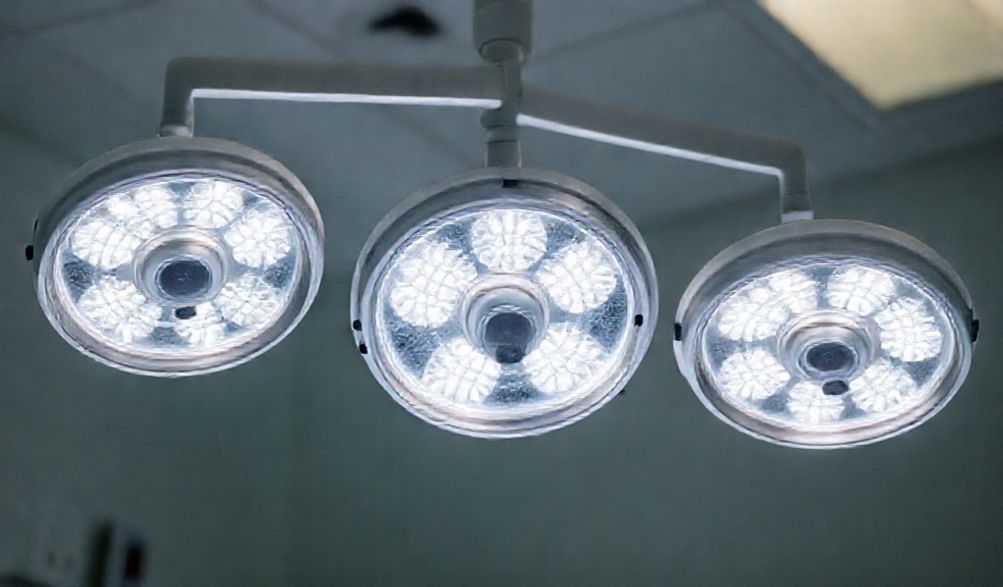
Your Complete Guide to Buying Surgical Lights for Sale: Quality, Types, and Key Considerations
Introduction
In the high-stakes environment of an operating room, every detail matters. While skilled surgeons and advanced instruments capture the spotlight, one foundational element silently dictates the success of every procedure: surgical lighting. It is the unseen partner in precision, the critical tool that illuminates the difference between tissue types, reveals subtle anatomical structures, and directly impacts both patient safety and surgical outcomes. Choosing the right surgical light is not merely an equipment purchase; it is a significant, long-term investment in your facility’s clinical capabilities.
Navigating the marketplace for luces quirúrgicas halógenas, for sale can be a complex endeavor, filled with technical jargon, varying price points, and a multitude of claims. Balancing stringent clinical performance requirements with budget realities is a challenge faced by OR managers, clinical engineers, and procurement specialists alike.
This comprehensive guide is designed to cut through the complexity. Compiled from industry standards, technical specifications, and procurement best practices, it serves as an unbiased resource to empower your decision-making. Whether you’re outfitting a new suite or upgrading existing equipment, this post will provide you with the knowledge to understand the different types of surgical lights, evaluate their key features, and navigate the purchasing process with confidence. We’ll cover the essential technical specs, compare modern and traditional options, and provide a step-by-step framework for making an informed choice that serves your team and patients for years to come.
Understanding Surgical Lighting: More Than Just Brightness
At its core, a surgical light must do far more than simply make the surgical site visible. It must create an optimal visual environment that minimizes strain, maximizes accuracy, and adapts to the dynamic nature of surgery.
The Core Function: Illumination for Precision & Safety
The primary goal is to provide shadow-free, high-contrast illumination deep within the body cavity. This involves three critical principles:
- Reducción de Sombras: Single-point light sources create harsh shadows from instruments and hands. Modern surgical lights use multiple LED arrays or reflector systems to produce overlapping light paths, effectively “filling in” shadows and providing uniform illumination.
- True Color Rendering: The ability to distinguish between shades of red, yellow, and blue in tissue is paramount. A light with poor color rendering can make it difficult to identify arteries, bile ducts, or ischemic tissue, posing a direct risk to patient safety.
- Profundidad de Iluminación: The light must penetrate deep cavities (like in abdominal or pelvic surgery) without a significant fall-off in intensity at the periphery, ensuring the entire wound is evenly lit.
Poor lighting contributes to surgeon and staff visual fatigue, which can lead to decreased concentration and increased error rates. Thus, the quality of light is intrinsically linked to both procedural success and team well-being.
Key Technical Specifications Decoded
When comparing surgical lights for sale, you’ll encounter specific metrics. Understanding them is crucial.
- Lux & Illuminance: This measures the intensity of light hitting the surgical field. General surgery typically requires 40,000 to 160,000 lux at the center of the light field. More delicate specialties like neurosurgery or ophthalmology may demand even higher intensities (up to 200,000 lux) for exceptional detail.
- Índice de Reproducción Cromática (IRC): On a scale of 0-100, CRI indicates how accurately a light source reveals the true colors of objects compared to natural sunlight. For surgical applications, a CRI of 90 or higher is considered essential. A CRI ≥95 is excellent and provides superior tissue differentiation.
- Temperatura de Color: Measured in Kelvin (K), this describes the “warmth” or “coolness” of the light. Surgical lights typically range from 4000K (warm white) to 5000K (cool, daylight white). A temperature around 4500K is often preferred as it offers a neutral white that reduces blue-light glare while maintaining excellent contrast.
- Profundidad de Iluminación: This is a measure of how well the light maintains its intensity as you move away from the focal point. A good depth of illumination (e.g., maintaining 60% of central lux at a specified depth) ensures consistent lighting even when retractors and hands are in the way.
Types of Surgical Lights for Sale: Finding the Right Fit
The market primarily offers two core technologies and two main mounting styles. Your choice will depend on clinical needs, operational workflow, and budget.
LED Surgical Lights: The Modern Standard
Light Emitting Diode (LED) technology has become the dominant choice for new installations and upgrades.
- Ventajas:
- Los LED consumen hasta un 80% menos de energía que los sistemas halógenos para producir la misma o mayor cantidad de luz, reduciendo los costes de servicios. Consumes significantly less power than halogen lights.
- Larga Vida Útil: Rated for 50,000 to 60,000 hours, drastically reducing bulb replacement costs and downtime.
- Minimal Heat Emission: LEDs produce very little infrared radiation, keeping the surgical field and patient cooler.
- Excellent CRI & Stability: High-quality LEDs consistently deliver CRI >93 with stable color temperature over their lifespan.
- Consideraciones: The upfront purchase price can be higher than halogen, and there is a wide variance in quality between manufacturers. Not all LED lights are created equal.
Halogen Surgical Lights: The Traditional Choice
While being phased out, halogen lights are still found in many facilities and available on the secondary market.
- Ventajas: Lower initial purchase price and a light quality that is generally good and familiar to surgical teams.
- Disadvantages: High operating costs due to energy inefficiency and frequent bulb replacements (typically every 1,000-2,000 hours). They emit substantial heat, which can discomfort the surgical team and increase room cooling loads.
Ceiling-Mounted vs. Floor-Standing Models
- Ceiling-Mounted Lights:
- Ventajas: Space-saving, as they don’t occupy valuable floor space. They promote a sterile field by keeping cables and supports off the floor. Multi-arm systems offer extensive mobility and positioning flexibility.
- Desventajas: Installation is more complex and costly, requiring structural assessment and professional mounting. They represent a permanent fixture for that location.
- Floor-Standing/Portable Lights:
- Ventajas: Ultimate flexibility; they can be moved between ORs or used in minor procedure rooms. They are often more cost-effective, especially for facilities needing to equip multiple rooms without the capital for ceiling mounts.
- Desventajas: They consume floor space and can have cables or a base that requires careful management to avoid tripping or compromising sterility.
Critical Features to Evaluate Before You Buy
Beyond basic type, several design and functional features separate adequate lights from exceptional ones.
Mechanical Design & Maneuverability
A light is useless if it can’t be positioned effortlessly and stay put.
* Articulación: Look for lights with multiple arms and joints. A typical configuration might include a horizontal ceiling track, a vertical column, and several segmented arms, allowing the light head to be positioned precisely from almost any angle.
* Balance System: Gas spring systems are common and allow for smooth, fluid movement with minimal effort. Counterweight systems are also reliable. Test the movement—it should be easy to reposition with one hand yet remain perfectly stable when released.
* Capacidad de limpieza: Surfaces should be seamless, with minimal crevices, and be compatible with hospital-grade disinfectants. Removable handles and smooth contours are key for infection control.
Light Field & Pattern Control
- Focusable vs. Fixed: Many lights allow you to adjust the diameter of the light field (e.g., from a focused 10cm spot to a wide 30cm field). This adaptability is valuable for different procedure types.
- Homogeneous Pattern: Technologies like “twin-spot” or multi-LED arrays with specialized optics create a single, uniform field of light without a hot spot in the center or a dim periphery, reducing eye strain.
Integration & Compatibility
- Camera Systems: For teaching, documentation, or telemedicine, ensure the light has a built-in or easily attachable camera mount. Some high-end models offer integrated 4K cameras.
- OR Integration: Lights may offer connectivity to OR control systems, allowing adjustment of intensity or color temperature from a central touchscreen or even voice control.
Características de Seguridad y Redundancia
- Sistemas de Respaldo: The best lights have a backup light source (a secondary set of LEDs or a halogen bulb) that engages automatically if the primary system fails.
- Fail-Safe Braking: Mechanical or electromagnetic brakes should hold the light securely in position, preventing any accidental drift or drop, even if the balancing system is compromised.
The Purchasing Process: A Step-by-Step Guide
A structured approach ensures you select the right equipment and partner.
1. Conducting a Needs Assessment for Your Facility
Start internally before looking at any products.
* Tipos de Procedimientos: What specialties will use the light? Cardiac, orthopedic, and plastic surgery may have different intensity and maneuverability needs.
* OR Layout: Measure ceiling height, room size, and note the location of other fixed equipment. This determines the required reach and mounting style.
* Budget: Consider Costo Total de Propiedad (CTP), not just the sticker price. Include energy consumption, bulb replacement, and expected service costs over 7-10 years. An efficient LED may have a higher upfront cost but a lower TCO.
2. Researching Reputable Suppliers and Manufacturers
- Certifications are Key: Verify that the lights have la autorización de la FDA, and that the manufacturer holds ISO 13485 certification for medical device quality management systems.
- Vet the Supplier: Look for established companies with a strong service network. Read reviews, ask for references from similar facilities, and scrutinize the garantía y la service agreement terms.
3. Requesting Demos, Quotes, and Comparing Options
- Insist on a Live Demo: A spec sheet cannot convey ease of movement or light quality. Request a demo in your facility, if possible, or at a showroom. Have surgeons and nurses test it.
- Create a Comparison Matrix: Build a spreadsheet listing all models under consideration. Columns should include key specs (Lux, CRI), features, warranty length, service terms, and price. This visual tool makes objective comparison straightforward.
4. Planning for Installation and Ongoing Maintenance
- Site Preparation: For ceiling mounts, this may involve structural reinforcement, electrical work, and installing ceiling tracks. Factor this into your timeline and budget.
- Service Planning: Understand the supplier’s response time for service, availability of spare parts, and recommendations for preventative maintenance schedules.
Preguntas Frecuentes (FAQ) Sobre Luces Quirúrgicas
Q1: What is the average lifespan of an LED surgical light?
R: High-quality LED surgical lights are typically rated for 50,000 to 60,000 hours of use. In a busy OR used 8 hours a day, 5 days a week, this translates to over 20 years of service before light output significantly degrades. Lifespan can be affected by usage patterns and thermal management design.
Q2: Can I retrofit my old surgical light with LED technology?
R: It is sometimes possible through the original manufacturer or specialized third-party companies. However, it requires a thorough assessment. Not all housings can manage the different thermal output or power requirements of an LED module. A certified retrofit should include new drivers, cooling systems, and full performance testing to ensure safety and efficacy.
Q3: How important is the warranty, and what should it cover?
R: The warranty is critically important and a sign of the manufacturer’s confidence in their product. Look for a comprehensive warranty of at least 3 years, with 5 years being ideal for premium models. It should cover defects in parts and workmanship. The best warranties also include labor for repairs and may offer preventative maintenance checks.
Q4: Are refurbished or used surgical lights a good option?
R: They can be a cost-effective solution, but caution is essential. Only purchase from certified medical equipment reconditioners who completely disassemble the light, replace all wear-and-tear parts (seals, handles, springs), install new LED modules or lamps, update software, and perform full safety and performance testing. They should provide a new warranty (often 1-2 years). Avoid uncertified online marketplaces for such critical equipment.
Q5: What ongoing maintenance do surgical lights require?
R: El mantenimiento de rutina incluye la limpieza diaria de manijas y superficies con desinfectantes autorizados. El mantenimiento periódico (semestral o anual) debe ser realizado por un técnico calificado y puede incluir la verificación de los sistemas de equilibrio y frenado, la limpieza de filtros de aire internos (si los hubiera), la comprobación de las métricas de salida de luz (Lux, CRI) y la inspección de todas las uniones mecánicas y cables.
Conclusión
La compra surgical lights for sale Es una decisión que equilibra el rendimiento clínico crítico, la confiabilidad mecánica a largo plazo y el valor general para su institución. La “mejor” luz no es la más costosa, sino la que se adapta perfectamente a sus necesidades quirúrgicas específicas, al flujo de trabajo operativo y está respaldada por un proveedor de buena reputación y orientado al servicio.
Utilice esta guía como una lista de verificación fundamental durante su proceso de evaluación. Recuerde que las demostraciones prácticas son invaluables, y la debida diligencia exhaustiva sobre el proveedor es tan importante como las especificaciones del producto. Recomendamos encarecidamente consultar con su equipo de ingeniería clínica y colaborar con proveedores certificados para discutir sus requisitos específicos. Solicite propuestas detalladas, compárelas con su matriz de necesidades y realice una inversión que iluminará el camino hacia una atención al paciente superior en los años venideros.
p>