
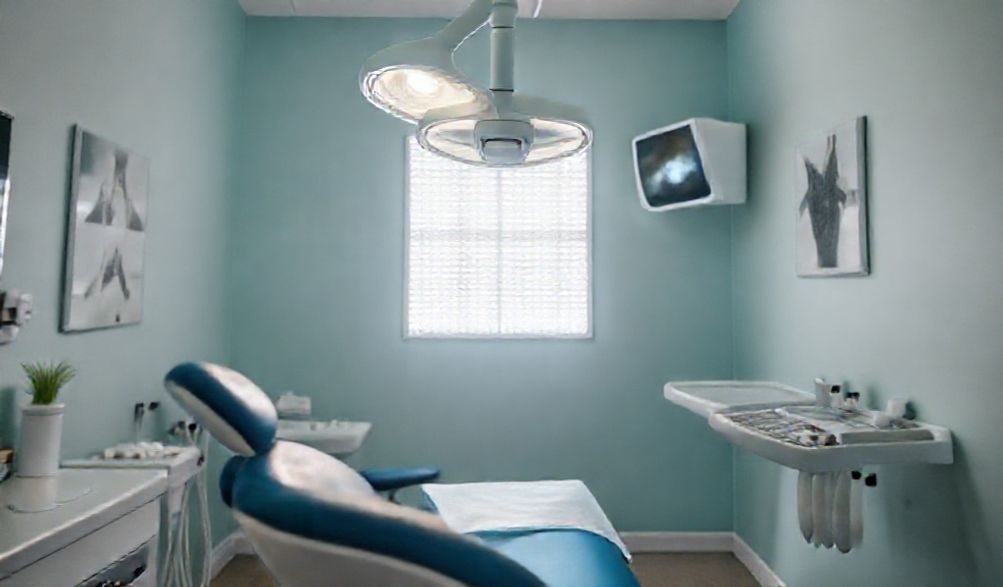
The Ultimate Guide to Choosing the Best Dental Light for Superior Patient Care & Clinical Precision
What if the single biggest factor in your diagnostic accuracy and procedural success wasn’t your skill, your instruments, or your materials, but something far more fundamental? What if it was your light?
In the high-stakes, detail-oriented world of dentistry, illumination is the silent partner in every procedure. It’s the foundation upon which every visual diagnosis is made, every margin is prepped, and every shade is matched. Yet, the dental operatory light is often an afterthought—a piece of equipment chosen by default rather than by design. This oversight can subtly undermine clinical outcomes, accelerate practitioner fatigue, and even affect patient comfort.
This comprehensive pillar page is your definitive resource for cutting through the confusion. We will demystify the technology behind modern dental illumination, compare the key types head-to-head, and provide a clear, actionable framework to help you select the best dentist light for your specific practice needs. Our goal is to empower you to make an investment that directly enhances clinical precision, ergonomic well-being, y patient satisfaction.
This guide synthesizes industry standards, peer-reviewed clinical insights, and practical, real-world experience to support dental professionals in making one of the most vital equipment decisions for their operatory. Let’s shed some light on the subject.
Why Dental Operatory Lighting is a Non-Negotiable for Modern Practices
Moving beyond the simple notion of “brightness,” modern dental lighting is a sophisticated clinical tool. Its impact permeates every aspect of practice, from the accuracy of your first glance to the long-term health of your own posture.
The Impact on Diagnostic Accuracy
The human eye is remarkable, but it is entirely dependent on the quality of light to interpret color, texture, and detail. Subpar lighting is a direct threat to diagnostic precision.
- Índice de Reproducción Cromática (IRC): A light with a low CRI distorts colors. This can mean the difference between identifying incipient caries, discerning a subtle crack in enamel, or accurately assessing gingival health versus inflammation. True tissue color is critical.
- reducción superior de sombras: Harsh, single-point lighting creates deep shadows that can hide calculus, obscure cavity margins, or mask the full extent of a preparation. Effective lighting systems are engineered to minimize these visual obstructions.
- Intensity & Focus: Adequate lux (illuminance) levels are necessary to reveal micro-details on a tooth’s surface or deep within a cavity. The right intensity, adjustable for the task at hand, ensures nothing is missed.
Enhancing Ergonomics and Reducing Fatigue
Dentistry is physically demanding. Your light should be an ally in combating occupational strain, not a contributor to it.
- Optimal Positioning: A light with a fully articulating, easy-to-position arm allows you to place illumination exactly where you need it without contorting your own neck or back to “chase the light.”
- Automatic Features: Lights with motion sensors that turn on/off or recall preset positions eliminate repetitive manual adjustments, streamlining workflow and conserving energy.
- Reducción del Deslumbramiento: Glare from a poorly diffused light source causes squinting and eye strain over long periods. Advanced optics designed to deliver even, glare-free illumination protect your most valuable diagnostic tools: your eyes.
Improving Patient Experience and Perception
The patient’s chair is a vulnerable place. The operatory environment plays a significant role in their anxiety levels and overall perception of your care.
- Gestión del calor: A halogen light bombards the patient’s face with radiant heat, creating discomfort and a sense of claustrophobia. Modern LED lights emit virtually no heat, dramatically improving patient comfort, especially during longer procedures.
- Quiet Operation: The faint hum of a fan or the noise of an articulating arm can be unsettling. Premium lights operate with near silence, contributing to a calmer atmosphere.
- Non-Intrusive Design: A bulky, intimidating light fixture hovering overhead can increase anxiety. Sleek, low-profile designs that move smoothly and stay out of the patient’s direct sightlines foster a more relaxed experience.
Core Technologies: Understanding LED vs. Halogen Dental Lights
The fundamental choice in dental lighting today is between Light Emitting Diode (LED) technology and traditional halogen. Understanding this core distinction is key to making a future-proof investment.
LED Dental Lights: The Modern Standard
LED technology has revolutionized dental illumination, becoming the unequivocal leader for new purchases and upgrades.
- Ventajas:
- Exceptional Efficiency & Lifespan: LEDs consume up to 80% less energy than halogens. Their lifespan is measured in decades (typically 50,000 to 100,000 hours), virtually eliminating bulb replacement costs and downtime.
- Minimal Heat Output: They produce light with almost no infrared radiation, keeping the operative field and the patient cool—a critical advantage for comfort and material curing.
- Superior Optical Control: LED arrays allow for advanced multi-point designs that drastically reduce shadows. They also offer excellent, stable color temperatures ideal for clinical work.
- Consideraciones: The initial purchase price is higher than a basic halogen unit. However, the total cost of ownership (energy + replacements) is far lower over time.
Halogen Dental Lights: The Traditional Choice
Halogen lights were the workhorse of dental practices for generations but are now largely considered legacy technology.
- Ventajas: The primary advantage is a lower upfront purchase cost. The warm, yellowish light (around 3,500K) is familiar to many practitioners.
- Consideraciones:
- High Heat & Energy Use: They are inefficient, converting most energy into heat, which is uncomfortable and can affect certain materials.
- Frequent Maintenance: Halogen bulbs have a short lifespan (1,000-2,000 hours), requiring frequent, costly replacements and posing a risk of failure mid-procedure.
- Limited Features: They typically lack the smart features, shadow reduction, and color accuracy of modern LEDs.
Head-to-Head Comparison Chart
| Feature | LED Dental Light | Halogen Dental Light | Verdict |
| :— | :— | :— | :— |
| Vida Útil | 50,000 – 100,000 hours | 1,000 – 2,000 hours | LED wins decisively. |
| Potencia Térmica | Muy Baja (Luz Fría) | Muy Alta (Calor Radiante Significativo) | La tecnología LED es superior para la comodidad del paciente. |
| Consumo Energético | Muy Bajo (Altamente Eficiente) | Muy Alto (Poco Eficiente) | La tecnología LED ahorra significativamente en costos operativos. |
| Costo Total de Propiedad | Costo inicial más alto, costo de funcionamiento muy bajo | Costo inicial bajo, costo de funcionamiento muy alto | La tecnología LED ofrece un mejor valor a largo plazo. |
| Índice de Reproducción Cromática (IRC) | Constantemente alto (a menudo >95) | Puede ser bueno, pero se degrada con el envejecimiento de la lámpara | La tecnología LED proporciona una precisión más consistente. |
| Recomendado Para | Consultorios modernos centrados en longevidad, comodidad y precisión. | Configuraciones temporales con presupuesto limitado o como luz secundaria. | La tecnología LED es el estándar de cuidado recomendado. |
Características Clave a Evaluar al Seleccionar una Lámpara para Consultorio Dental
Una vez que se ha optado por la tecnología LED, diferenciar entre modelos requiere un análisis más detallado de características específicas que impactan el uso diario.
Métricas de Calidad de Iluminación
- Índice de Reproducción Cromática (IRC): Esto no es negociable. Para el trabajo clínico donde la coincidencia de color y la evaluación de tejidos son críticas, insista en un IRC de 90 o superior. Un IRC de 95+ es ideal, acercándose a la precisión cromática de la luz natural diurna.
- Salida de Lux y Capacidad de Ajuste: El brillo no es solo potencia máxima. Busque una lámpara con un rango amplio y regulable (ej., 10,000 a 30,000+ lux). Esto permite usar menor intensidad para exámenes y mayor intensidad para preparaciones profundas o cirugía. El campo debe estar uniformemente iluminado sin un “punto caliente” deslumbrante en el centro.
- Temperatura de Color: Medida en Kelvin (K). 5000K-5500K se considera el “punto óptimo” clínico, proporcionando una luz blanca neutra y brillante que mejora el contraste y reduce la fatiga ocular en comparación con tonos más cálidos (amarillentos) o más fríos (azulados).
Diseño y Funcionalidad
- Movilidad y Posicionamiento: El brazo es el elemento de trabajo. Evalúe:
- Alcance y Ejes: ¿Cubre fácilmente toda la cavidad oral desde varias posiciones del clínico?
- Flotación y Equilibrio: Un brazo bien equilibrado con un movimiento suave de “flotación” permite un posicionamiento sin esfuerzo con un toque ligero y se mantiene firmemente en su lugar una vez ajustado.
- Huella Espacial: Considere el tamaño del montaje en techo o sillón y su intrusión en el espacio del consultorio.
- Gestión de Sombras: Este es un diferenciador clave. Matrices LED multipunto (3, 4 o más fuentes de luz individuales) proyectan la luz desde ángulos ligeramente diferentes, rellenando las sombras proyectadas por sus manos e instrumentos. Esto es muy superior a los diseños antiguos de punto único.
- Esterilización y Control de Infecciones: La cabeza y el brazo de la lámpara deben tener una carcasa sin costuras y no porosa que pueda soportar la limpieza diaria con desinfectantes de alto nivel sin degradarse. Sin grietas, hendiduras o juntas difíciles de limpiar.
Funciones Inteligentes e Integración
- Sensores Automáticos: La activación sin manos mediante sensores de movimiento o proximidad mejora la asepsia y la conveniencia.
- Memoria de Preajustes: La capacidad de guardar y recuperar instantáneamente posiciones e intensidades de luz para diferentes procedimientos (examen, higiene, cirugía) o clínicos es un gran impulsor del flujo de trabajo.
- Integración: La compatibilidad con su sistema de control del sillón (permitiendo activar la luz desde la pedalera o pantalla táctil del sillón) crea un consultorio moderno y sin interrupciones.
- Nivel de Ruido: Asegúrese de que el sistema de refrigeración (si lo tiene) sea prácticamente silencioso.
Consideraciones Principales sobre Lámparas Dentales por Especialidad y Procedimiento
Si bien una lámpara LED de alta calidad para uso general satisface la mayoría de las necesidades de manera excelente, especialidades específicas pueden priorizar ciertas características.
- Odontología General y Restauradora: La precisión del color es primordial. Se recomienda el IRC más alto posible (>95) para una coincidencia de color de composite impecable y la detección de defectos dentales sutiles. Una excelente reducción de sombras también es crítica para visualizar los márgenes de preparación.
- Cirugía Oral y Periodoncia: Priorice high maximum intensity (30,000+ lux) and a focused, deep field to illuminate surgical sites. The cool operation of LED is a major benefit here to avoid tissue desiccation.
- Endodontics: Intense, cool, and focused light is needed to see deep into access cavities and canals. A light with a very even field helps avoid visual “tunnel vision” during lengthy procedures.
- Orthodontics & Pediatric Dentistry: Patient comfort and perception take center stage. A low-heat, quiet light with a friendly, non-threatening design is ideal. Ease of positioning is also key for frequently changing angles during bracket checks.
Implementing Your New Light: Installation, Calibration, and Maintenance
Your investment doesn’t end at purchase. Proper setup and care ensure you get decades of optimal performance.
- Professional Installation Best Practices: Always use a certified technician. Proper installation ensures:
- The mounting is secure and safely manages the weight.
- The arm is correctly tensioned and aligned for smooth operation.
- Electrical connections are safe and to code, preserving your warranty.
- Daily Use and Calibration Tips:
- Take time to set memory presets for your most common procedures.
- Adjust intensity based on the task—don’t just use “max brightness” all day.
- Periodically verify the light’s color by comparing a shade guide under the light and next to a window in natural daylight.
- Routine Maintenance Schedule:
- Diariamente: Wipe down the light head and arm with a compatible disinfectant.
- Monthly: Check the arm movement for any stiffness or drift. Clean any visible dust from vents.
- A largo plazo: While LED modules rarely fail, consult the manual for any recommended service intervals for mechanical parts. There are no bulbs to replace!
Preguntas Frecuentes (FAQ) Sobre Lámparas Dentales
Q: What is the typical lifespan of an LED dental light?
R: High-quality LED dental lights are rated for 50,000 to 100,000 hours of use. In a typical clinical setting (8 hours a day, 5 days a week), this translates to over 20 years of service, making it a true long-term investment.
Q: How important is the Color Rendering Index (CRI) really?
R: Extremely important. Think of CRI as the “truthfulness” of the light. A CRI below 90 can make teeth appear yellower or grayer than they are, compromising caries detection, tissue assessment, and most critically, esthetic restorative work. For any practice doing composites, a CRI >95 is a wise standard.
Q: Can a dental light be too bright?
R: Absolutely. Excessive, unfocused brightness causes glare, patient discomfort, and clinician eye fatigue—a phenomenon known as “white-out.” The best dentist light offers high ajustables output, allowing you to dial in the perfect intensity for each specific task, from a soft oral exam to a bright surgical field.
Q: Are there specific lights recommended for dentists who wear loupes?
R: Yes. While loupes have their own coaxial headlights, the operatory light should provide excellent iluminación ambiental to reduce harsh contrasts and fill in peripheral shadows. Look for lights renowned for their even, shadow-reduced field, as this creates a consistent visual background that works in harmony with your loupe light.
P: ¿Qué garantía debo esperar?
R: Reputable manufacturers stand behind their products. You should expect a minimum 3-year comprehensive warranty on the entire unit. For the LED engine itself, warranties of 5 years or longer are common and reflect confidence in the solid-state technology’s durability.
Conclusión
Elegir las best dentist light is far more than a simple equipment upgrade; it is a strategic investment in the foundational element of all visual dentistry—illumination. It directly influences diagnostic confidence, restorative excellence, daily ergonomics, and patient perception. As we’ve explored, the decision extends beyond mere brightness to encompass critical factors like color fidelity (CRI), shadow management, thermal comfort, and long-term reliability.
Let this guide serve as your definitive checklist. The evidence and economics are clear: prioritize LED technology for its unparalleled combination of clinical performance, patient comfort, and lifetime value. While specifications are essential, the final test is experiential. Whenever possible, insist on a hands-on demonstration in your own operatory. Feel the balance of the arm, observe the quality of the light on a typodont and typodont, and assess how it integrates into your workflow.
Informed decisions are built on a foundation of knowledge and experience. Use the framework provided here to ask the right questions. Combine this with consultations from trusted colleagues, demonstrations from knowledgeable dealers, and reviews from independent sources. By doing so, you will select a dental light that not only illuminates the oral cavity but also brightens the future of your practice, procedure by precise procedure.
p>