
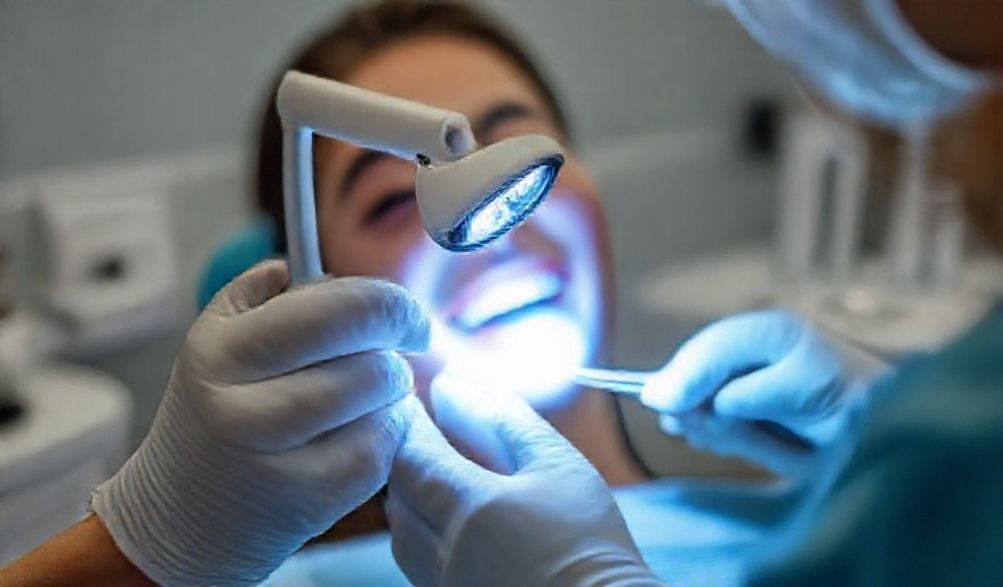
The Ultimate Guide to Choosing the Best Wireless Dental Loupe Light in 2024
Introduction
For dental professionals, the difference between a good procedure and a great one often comes down to millimeters and minutes. The primary battleground for this precision is visibility. Squinting into a dark oral cavity, maneuvering around shadows cast by overhead lights, and maintaining an unnatural, static posture for hours on end are not just minor inconveniences—they are the direct causes of chronic eye strain, debilitating neck and back pain, and procedural fatigue that can compromise clinical outcomes. For too long, the quest for illumination came with a literal tether: a cord connecting a heavy battery pack to your loupes, restricting movement and adding to the physical burden of a long clinical day.
Enter the wireless dental loupe light: a revolutionary piece of ergonomic technology that is transforming operatories. This isn’t merely an upgrade; it’s a paradigm shift towards freedom, comfort, and unparalleled clarity. By eliminating the cord and integrating lightweight, powerful batteries directly into the system, wireless lights offer a solution that enhances both the practitioner’s well-being and the patient’s standard of care.
This comprehensive guide is designed to be your trusted resource. Built on a foundation of expert analysis, technical specifications, and insights gathered from practicing dentists, hygienists, and surgical specialists, we will dissect what makes a great wireless light. Our goal is to move beyond marketing claims and provide you with the actionable knowledge needed to evaluate key features, compare top systems, and ultimately select the best wireless dental loupe light for your unique practice, posture, and procedures. Let’s illuminate the path to a brighter, more comfortable future in dentistry.
Why a Wireless Dental Loupe Light is a Game-Changer for Modern Dentistry
The transition from corded to wireless illumination represents one of the most significant ergonomic advancements in recent dental technology. The benefits extend far beyond the simple convenience of having one less wire to manage.
Ergonomic Benefits: Reducing Neck and Eye Strain
The physical toll of dentistry is well-documented. Traditional corded lights contribute significantly to this burden. The weight of a belt- or waist-mounted battery pack alters your center of gravity, while the cord itself creates drag and can pull on your loupes and head. This forces subtle, constant muscular compensations in your neck and shoulders, accelerating fatigue.
A wireless system liberates you from this load. By removing the cord and distributing the minimal battery weight directly on the headset or frame, it promotes a more natural, neutral posture. You are no longer fighting against equipment to maintain your position. This reduction in static load is not just about comfort for today’s procedure; it’s a critical investment in career longevity, helping to mitigate the musculoskeletal disorders that shorten too many dental careers.
Enhanced Visibility and Precision in Procedures
Clinical excellence is rooted in visual accuracy. A wireless loupe light provides consistent, focused illumination directly in your line of sight. Unlike overhead operatory lights, which can be blocked by your head or hands, the loupe light moves with you, eliminating shadows at the critical point of operation.
Modern wireless lights utilize advanced LED technology to produce a bright, white light with a color temperature (typically 5500K-6000K) that mimics natural daylight. This “true color” illumination is essential for accurate tissue differentiation, detecting early caries, matching composite shades, and identifying fine anatomical details. The result is improved diagnostic confidence and enhanced precision in every restorative, surgical, and periodontal procedure.
The Freedom of Movement and Improved Workflow
The practical, day-to-day impact of wireless freedom cannot be overstated. Moving between operatories, adjusting your chair position for a better angle, or simply turning to reach an instrument becomes seamless. There’s no more unplugging, coiling cords, or worrying about snagging a wire on a cabinet handle.
This translates to a smoother, more efficient workflow. It also enhances operatory cleanliness and infection control, as there is one less high-touch, difficult-to-clean item (the cord) to manage between patients. The simplicity and freedom allow you to focus entirely on the patient and the procedure, not on your equipment.
Key Features to Evaluate When Choosing a Wireless Light
Not all wireless lights are created equal. To find the system that will serve you best for years to come, you need to become familiar with the key specifications and how they impact real-world use.
Light Source and Brightness (Lumens & Lux)
- Lumens vs. Lux: This is a crucial distinction. Lumens measure the total amount of visible light emitted by the source. El lux measures the intensity of that light falling on a surface (illuminance). For dentistry, lux at your specific working distance (e.g., 16 inches) is the more important metric. A light might have high lumens, but if the beam is diffuse, the lux at the operative site could be low. Look for manufacturers that specify lux at a given distance.
- Temperatura de Color: Measured in Kelvins (K), this describes the “warmth” or “coolness” of the light. A range of 5500K to 6000K is considered ideal for dentistry, providing a crisp, neutral white that reveals true tissue color and reduces eye strain compared to yellowish (warm) or bluish (very cool) light.
Battery Life and Charging System
This is the heart of a wireless system’s reliability.
* Battery Type & Runtime: Virtually all premium lights use Lithium-ion (Li-ion) batteries for their high energy density and lack of “memory effect.” Runtime is paramount. Look for a system that offers 6-10 hours of continuous use on a single charge—enough to comfortably cover your longest clinical day without anxiety. Consider if the runtime is quoted at maximum brightness or a typical setting.
* Charging Options: Convenience is key. A dedicated charging dock that holds both the light and a spare battery is ideal for ensuring a full charge every morning. The inclusion of a USB-C charging port is a major plus, offering universal compatibility and the ability to top up from a power bank in a pinch.
* Battery Indicators: A clear, multi-level LED battery indicator on the light itself is essential for preventing mid-procedure shutdowns.
Weight, Balance, and Mounting System
Comfort over a 10-hour day is non-negotiable.
* Distribución del Peso: The total weight is less important than where that weight sits. A well-designed system uses a counterweight at the back of the headband to balance the light at the front. This prevents the feeling of the headset tipping forward and minimizes pressure on the nose and ears.
* Montaje: Systems either use a universal clip that attaches to the loupes’ frame or a custom, integrated bracket engineered for a specific loupe brand/model. Integrated mounts are often more secure and lower-profile but limit your flexibility to switch loupe brands later.
Beam Pattern, Focus, and Adjustability
The quality of the light is as important as its quantity.
* Un punto Do you need a focused spot beam for deep, single-tooth work (like endodontics) or a wider flood beam for quadrant dentistry? Some advanced lights offer adjustable or hybrid beam patterns.
* Focus & Evenness: The light field should be perfectly even, with no dark spots or intense “hot spots” in the center. It must also be precisely focused to match your loupes’ distancia de trabajo y la field of view, creating a seamless circle of bright light without a distracting dark ring at the edges.
Durability, Build Quality, and Warranty
This is a professional tool, not a consumer gadget.
* Materiales: Look for housings made from aerospace-grade aluminum or other robust, lightweight materials. They should feel solid, not plasticky.
* Clasificación IP: An Ingress Protection rating (e.g., IPX4) indicates resistance to moisture and dust. Given the clinical environment, some level of splash resistance is highly advisable for longevity and infection control.
* Garantía: A strong warranty is a manufacturer’s vote of confidence. A 2 to 3-year warranty is standard for premium lights, covering defects in materials and workmanship. It’s your assurance of a sound investment.
Top Contenders: Analysis of Leading Wireless Loupe Light Systems
(Disclaimer: The following is a comparative analysis based on publicly available specifications, professional reviews, and aggregated user feedback as of early 2024. We strongly recommend hands-on demos for a final decision.)
Admetec Orascoptic Spark Wireless
A pioneer in the wireless space, known for its seamless integration with Orascoptic loupes.
* Ventajas: Excellent, even light field with adjustable focus. The proprietary “Spark Pod” magnetic charging dock is incredibly convenient. Known for robust build quality and ergonomic balance.
* Desventajas: Primarily designed for integration with Orascoptic loupes; can be more challenging to adapt to other brands. Premium price point.
* Ideales para: Orascoptic loupe users seeking a top-tier, fully integrated wireless system with outstanding customer support.
Designs for Vision Wireless LED
A highly respected name offering powerful performance and flexibility.
* Ventajas: Exceptionally bright output with adjustable intensity settings. Offers both custom mounts for DFV loupes and universal clip options. Known for durability and long battery life.
* Desventajas: Some users note the system can be slightly heavier than some competitors, making perfect balancing critical.
* Ideales para: Specialists and surgeons who require maximum brightness and flexibility, and for users of DFV’s high-magnification systems.
Lumadent UltraLight Wireless
Often praised as a leader in value and user-friendly design.
* Ventajas: Very lightweight and well-balanced design. Features a unique, tool-free adjustable focus ring to perfectly match your loupes. Uses a standard micro-USB/USB-C for charging and offers excellent battery life. Strong warranty.
* Desventajas: While bright, its peak lux output may be slightly less than some premium surgical-focused models.
* Ideales para: General practitioners, hygienists, and specialists looking for a lightweight, comfortable, and highly adaptable wireless light that offers tremendous value.
Comparison Chart
| Feature | Admetec Spark | Designs for Vision Wireless | Lumadent UltraLight |
| :— | :— | :— | :— |
| Brightness (Typical) | Very High (Adjustable) | Extremely High (Adjustable) | High (Adjustable) |
| Duración de la Batería | 6-8+ hours | 8-10+ hours | 8-10+ hours |
| Weight | Light | Moderate | Very Light |
| Beam Type | Even, adjustable focus | Even, adjustable spot/flood | Even, user-adjustable focus |
| Mounting | Custom (Orascoptic) | Custom (DFV) & Universal Clip | Universal Clip & Custom Brackets |
| Price Range | Premium | Premium | Mid-Range to Premium |
Practical Considerations for Integration and Use
Compatibility with Your Existing Loupes
This is the first and most critical step. Do not assume compatibility. Contact both your loupe manufacturer and the light manufacturer. Ask:
* Do they offer a custom bracket for your specific loupe model and magnification?
* If using a universal clip, will it fit securely on your frame without obstructing your view or feeling bulky?
A perfect fit is essential for optimal performance and comfort.
The Investment: Cost vs. Long-Term Value
A premium wireless light is a significant investment, often ranging from $800 to $2,000+. It’s vital to frame this not as an expense, but as an investment in:
* Your Clinical Outcomes: Improved visibility leads to better diagnostics and more precise work.
* Your Physical Health: Reducing strain is an investment in your career longevity and quality of life.
* Your Daily Productivity: A smoother workflow and less fatigue mean you can practice more sustainably.
Maintenance and Care Tips for Longevity
- Limpieza: Wipe the light housing and lens daily with a soft, lint-free cloth dampened with an approved disinfectant (check manufacturer guidelines). Never submerge it.
- Cuidado de la Batería: Avoid letting the battery fully deplete regularly. For long-term storage, charge it to about 50-60%. Use only the manufacturer-provided charger.
- Almacenamiento: When not in use, place it in its protective case or on its charging dock to prevent accidental damage.
Preguntas Frecuentes (FAQ)
P: ¿Cuánto suele durar la batería con una sola carga?
R: La mayoría de las luces inalámbricas de alta calidad ofrecen entre 6 y 10 horas de autonomía en un ajuste de medio a alto, lo cual es suficiente para una jornada clínica completa. Consulte siempre las especificaciones del fabricante para conocer la autonomía en el nivel de brillo que planea utilizar.
P: ¿Son las luces inalámbricas tan brillantes como los modelos con cable?
R: Sí. Los avances en la eficiencia de los LED y en la tecnología de baterías permiten que las luces inalámbricas modernas igualen o incluso superen el brillo de los sistemas tradicionales con cable. La limitación ya no es el suministro de energía, sino la disipación de calor y la duración de la batería.
P: ¿Es difícil la configuración inicial y el equilibrio?
R: La mayoría de los sistemas están diseñados para una configuración sencilla. El paso más importante—equilibrar el conjunto ajustando el contrapeso—es crucial para la comodidad y está claramente detallado en el manual. Muchos distribuidores ofrecen asistencia de configuración virtual o presencial.
P: ¿Puedo usar una luz inalámbrica con cualquier marca de lupas dentales?
R: No automáticamente. Aunque existen clips universales, pueden no funcionar de manera ideal con todas las formas de montura. El mejor rendimiento y ajuste provienen de un soporte diseñado por el fabricante para sus lupas específicas. Verifique siempre la compatibilidad antes de comprar.
P: ¿Cuál es la garantía típica para una luz inalámbrica premium para lupas?
R: Los fabricantes de renombre suelen ofrecer una garantía de 2 a 3 años, que cubre defectos de materiales y mano de obra. Esto refleja su confianza en la durabilidad del producto en condiciones clínicas.
Conclusión
Elegir las best wireless dental loupe light es una decisión altamente personal que depende de encontrar la sinergia perfecta entre la tecnología y su práctica individual. Requiere equilibrar los pilares fundamentales de brillo, duración de la batería, peso/equilibrio y compatibilidad perfecta con sus lupas existentes.
Nuestra recomendación final y general es esta: La “mejor” luz no es necesariamente la que tiene el mayor número de lúmenes o la especificación de batería más larga en el papel. Es el sistema que desaparece en su cabeza—aquel en el que no tiene que pensar. Es la luz que proporciona una iluminación constante y clara desde su primer paciente hasta el último, sin causar fatiga, y que se integra tan suavemente en su flujo de trabajo que se preguntará cómo trabajaba sin ella.
Por lo tanto, le recomendamos encarecidamente que busque una demostración práctica siempre que sea posible. Sienta el peso, pruebe el equilibrio y vea usted mismo la calidad de la luz. Consulte con su proveedor de lupas o con un especialista de confianza en equipos dentales que pueda ofrecerle una recomendación personalizada según sus necesidades específicas.
Invertir en una luz inalámbrica es una inversión en la precisión de su trabajo y en la preservación de su herramienta más importante: su propio bienestar físico. Ilumine su camino hacia un futuro más cómodo, seguro y clínicamente excelente.
p>