
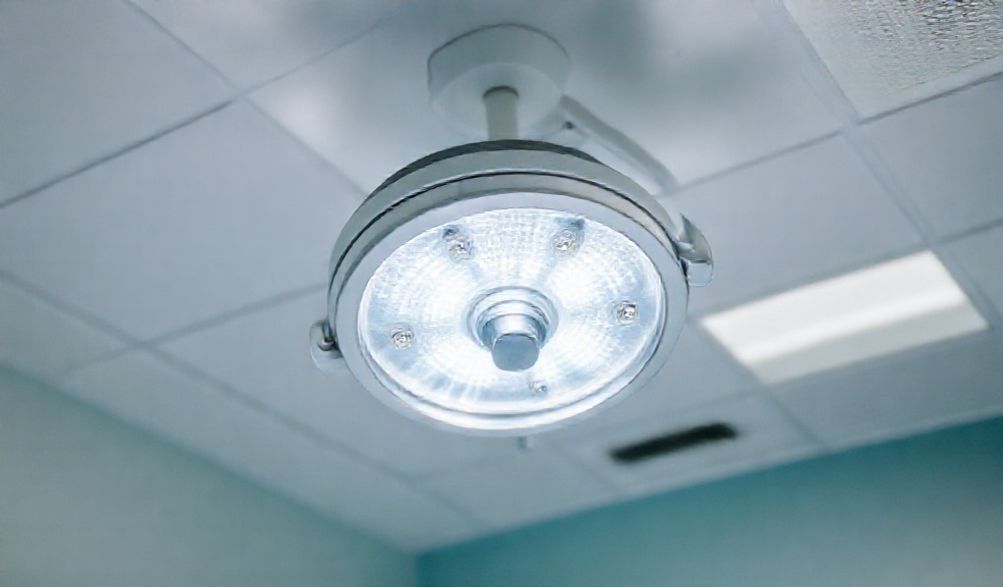
The Complete Guide to Ceiling Mounted Surgical Lights: Technology, Benefits & Selection
Introduction
In the high-stakes environment of an operating room, where millimeters can determine outcomes, one factor is foundational to every successful procedure: light. Optimal illumination is not merely a convenience; it is a critical component of patient safety, surgical precision, and team performance. The evolution from simple lamps to sophisticated, intelligent systems has been driven by this undeniable need. Today, the ceiling mounted surgical light stands as the technological standard, a pivotal piece of equipment that directly influences clinical results.
This comprehensive guide is designed for the key decision-makers—surgeons, clinical directors, hospital administrators, and procurement specialists—who are responsible for equipping modern operating theaters. Our purpose is to move beyond sales brochures and provide an evidence-based, authoritative resource that dissects the engineering, clinical benefits, and practical selection criteria for surgical lighting systems. We will delve into the optical principles that define performance, the ergonomic advantages that protect surgical teams, and the financial considerations that impact long-term operational efficiency.
By integrating insights from medical device standards, clinical studies, and engineering best practices, this guide will empower you with the knowledge to make a truly informed decision. By the end, you will understand not just qué makes a superior ceiling mounted surgical light, sino de por qué it matters, and how to select the ideal system for your specific surgical needs and operating room infrastructure.
1. The Evolution of Surgical Lighting: From Shadow to Precision
The journey to today’s advanced surgical illumination is a story of solving persistent physical challenges. Understanding this evolution highlights why modern systems are engineered as they are.
The Limitations of Early Surgical Lamps
For decades, surgical lighting relied on standalone floor lamps or simple overhead fixtures. These early solutions, often using incandescent or halogen bulbs, presented significant drawbacks:
* Intense Heat: The bulbs generated substantial radiant heat, which could cause discomfort for the surgical team, increase the risk of tissue desiccation in the patient, and create convection currents that disrupted the sterile field.
* Pronounced Shadows: As single-point light sources, they cast hard, dark shadows from the surgeon’s head and hands, obscuring critical anatomy deep within the surgical cavity.
* Obtrusive and Immobile: Floor-standing units consumed valuable sterile zone space, created tripping hazards, and offered limited, often clumsy, adjustability. Their cords and bases were constant barriers to movement and sterility.
The Advent of Ceiling Mounted Systems
El cambio hacia ceiling mounted operating room lights represented a paradigm shift in OR design. This fundamental change addressed the core flaws of its predecessors:
* Liberated Floor Space: By moving the light source to the ceiling, the entire floor area of the OR was freed from obstruction, enhancing safety, mobility, and the ease of maintaining a sterile environment.
* Enhanced Sterility: Ceiling mounting removed a major piece of equipment from the zone of highest contamination risk. The smooth surfaces of the light head and arm are easier to clean and less likely to harbor pathogens than floor-based stands.
* Enabled Advanced Optics: Mounting from above provided the stable platform necessary for developing complex, multi-source optical systems. Engineers could now design lights specifically to combat shadowing and control light field characteristics with precision, unencumbered by floor-based constraints.
2. Core Technology & Engineering of Modern Surgical Lights
The sophisticated performance of a modern ceiling mounted surgical light is the result of deliberate engineering across several key areas.
Optical Design: Achieving Shadow-Reduced Illumination
The primary optical challenge is to fill shadows created by the surgeon’s hands and instruments. This is solved through multi-point source technology.
* Instead of one bright bulb, the light head contains an array of many smaller, powerful LED modules, each focused through a complex system of lenses and reflectors.
* These multiple light paths converge on the surgical site from slightly different angles. When a surgeon’s hand blocks one path, the others immediately fill the shadow, dramatically reducing its depth and contrast. This creates a homogeneous “pool” of light, even in deep cavities.
Light Quality Metrics: Color Temperature & Color Rendering Index (CRI)
Accurate visual perception is non-negotiable in surgery. Two metrics define light quality:
* Índice de Reproducción Cromática (IRC): Measured on a scale of 0-100, CRI indicates how faithfully a light source reveals the true colors of objects compared to natural daylight. A high CRI (typically >90, with >95 being ideal for surgery) is crucial for differentiating between subtle tissue types—distinguishing an artery from a vein, identifying necrotic tissue, or accurately assessing perfusion and oxygenation.
* Temperatura de Color: Measured in Kelvin (K), this describes the visual “warmth” or “coolness” of the light. luces quirúrgicas halógenas, are typically in the neutral white range of 4000K to 4500K. This range provides high visual acuity without the blue-heavy strain of cooler temperatures or the yellow tint of warmer ones, reducing eye fatigue during long procedures.
LED Revolution: Efficiency, Longevity, and Cool Operation
The adoption of Light Emitting Diode (LED) technology has been transformative for operating room lights.
* Efficiency & Cool Operation: LEDs convert a much higher percentage of electrical energy into visible light, not heat. This results in dramatically lower power consumption (often 50-70% less than halogen) and, most importantly, minimal infrared (heat) radiation directed at the surgical site, enhancing patient and staff comfort.
* Longevity & Consistency: LED modules have lifespans exceeding 50,000 hours—years of typical OR use—compared to the few hundred hours of traditional bulbs. Their light output and color quality remain consistent over this lifetime, eliminating the gradual dimming and color shift of older technologies and reducing maintenance frequency and cost.
3. Key Benefits of Ceiling Mounted Surgical Lighting Systems
Investing in a high-quality system delivers tangible returns across clinical, ergonomic, and operational domains.
Enhanced Surgical Performance and Accuracy
This is the paramount benefit. Superior illumination translates directly to:
* Iluminación de Cavidades Profundas: Advanced optics deliver intense, focused light deep into narrow surgical fields, such as in spinal, neurological, or pelvic surgeries, without peripheral glare.
* True Tissue Differentiation: High CRI lighting provides the color fidelity needed for precise dissection, reducing the risk of inadvertent damage to critical structures.
* Reduced Visual Fatigue: Homogeneous, shadow-reduced light with optimal color temperature allows the surgical team to maintain focus and precision for extended periods, potentially lowering error rates.
Improved Operating Room Ergonomics and Safety
The design of ceiling mounted surgical lights inherently promotes a safer, more efficient OR environment.
* Unobstructed Workflow: With no floor stands, there is clear passage for staff, equipment, and the patient bed. This minimizes tripping hazards and logistical conflicts during dynamic procedures.
* Sterile Field Integrity: The smooth, seamless surfaces of the light head and arm are designed for easy and effective disinfection. Their placement above the field reduces the risk of contamination compared to equipment manipulated at floor level.
* Ergonomic Positioning: Balanced arms with smooth movement allow for effortless, single-handed repositioning of the light during surgery, preventing physical strain on the surgeon and maintaining the optimal light field without breaking sterility.
Long-Term Operational Efficiency
Beyond the initial purchase, these systems offer significant operational advantages:
* Durability & Uptime: Built to withstand the rigors of a busy OR, high-end systems offer exceptional reliability, maximizing valuable OR utilization time.
* Lower Lifetime Costs: LED efficiency cuts energy bills, and their extended lifespan slashes replacement part and labor costs. Reduced heat output can also marginally lower HVAC costs in the OR.
* Infrastructure Integration: Modern lights are designed as part of the OR ecosystem, with clean cable management within arms and compatibility with building management systems for monitoring and control.
4. Critical Selection Criteria for Your Operating Room
Selecting the right system requires a careful assessment of your specific needs. Here are the essential factors to evaluate.
Assessing Luminous Intensity and Field Diameter
Light must be both powerful and adaptable.
* Luminous Intensity: Measured in lux (illuminance at the surgical site), intensity requirements vary by specialty. While general surgery may require 40,000-100,000 lux, minimally invasive or deep-cavity procedures often need 160,000 lux or more. Ensure the light can deliver adequate intensity at its maximum working distance.
* Diámetro del Campo: The system should offer adjustable field sizes, from a wide field for open abdominal surgery to a small, intense spot for microsurgery. This is typically controlled via a focus ring on the light head.
Maneuverability and Positioning: Arms, Movement, and Control
How the light moves is as important as the light it produces.
* Arm Configuration: Systems come with single or multiple (e.g., 2 or 3) independent arms. Multi-arm lights offer greater flexibility, allowing one head to provide overhead illumination while another provides oblique or side lighting to eliminate shadow.
* Reach and Balance: The arm must have sufficient reach to cover the entire OR table in all positions (Trendelenburg, reverse, etc.) while remaining stable and perfectly balanced when positioned.
* Control Interfaces: Look for intuitive controls, including sterile, touchless handles (often infrared or capacitive) on the light head itself, backup manual controls, and potentially integration into a central OR touch panel.
Integration and Compatibility
The light should be a seamless component of your OR.
* Mounting Systems: Determine compatibility with your OR ceiling—whether it requires a fixed point mount or can be installed on a ceiling track system for lateral movement.
* Technology Integration: Many systems offer ports for mounting high-definition cameras for documentation, teaching, or telemedicine. Some can integrate with surgical navigation systems or OR control suites.
Compliance and Certification
Esto no es negociable para la seguridad del paciente y del personal.
* Regulatory Approval: In the U.S., the system must have autorización FDA 510(k) as a Class II medical device. Globally, compliance with the la IEC 60601-1 series of safety and performance standards for medical electrical equipment is essential.
* Quality Standards: Manufacturer certification under ISO 13485 (Medical Devices) is a strong indicator of a reliable quality management system.
5. Maintenance, Sterilization, and Total Cost of Ownership
Protecting your investment requires a clear plan for upkeep and understanding all associated costs.
Protocolos de Limpieza y Esterilización de Rutina
Maintaining sterility is a daily requirement.
* Surface Disinfection: The light head, arms, and handles must be cleaned after each procedure with hospital-grade disinfectants compatible with the materials (often plastics and stainless steel). Avoid abrasive cleaners or high-alcohol solutions that can damage coatings.
* Mangos Estériles: Disposable or autoclavable sterile handles are standard. Ensure staff are trained on the correct attachment and removal process to maintain sterility.
Scheduled Servicing and Calibration
Proactive maintenance ensures consistent performance.
* Regular Inspections: Scheduled checks by clinical engineering should verify mechanical stability, smoothness of movement, and the function of all controls.
* Photometric Calibration: Over very long periods, a light meter should be used to verify that lux output and color temperature are within the manufacturer’s specified tolerances, ensuring the light has not degraded.
Understanding TCO: Beyond the Initial Purchase Price
El costo real de una ceiling mounted surgical light abarca todo su ciclo de vida:
1. Adquisición e Instalación: Precio de compra más el costo de la instalación profesional, el refuerzo estructural si es necesario y cualquier trabajo eléctrico.
2. Consumo de Energía: Calcule el costo anual basándose en los vatios de la luz y el horario de uso de su quirófano. Los sistemas LED ofrecen importantes ahorros aquí.
3. Piezas de Repuesto: Considere el costo y el programa para reemplazar los módulos LED (después de 50,000+ horas), las manijas estériles y cualquier componente mecánico sujeto a desgaste.
4. Contratos de Servicio: Evalúe el valor de un contrato de mantenimiento preventivo frente a las reparaciones por tiempo y materiales.
Un sistema con un costo inicial más alto pero menor consumo de energía, mayor vida útil y mayor confiabilidad a menudo tendrá un Costo Total de Propiedad (CTP) más bajo en 10 años que una alternativa más barata y menos eficiente.
Preguntas Frecuentes (FAQ)
P1: ¿Cuál es la vida útil típica de una luz quirúrgica LED montada en techo?
R: Los módulos LED de alta calidad suelen tener una clasificación de 50,000 a 100,000 horas de operación. En un quirófano ocupado, utilizado 10 horas al día, 250 días al año, esto se traduce en una vida útil funcional de 20 a 40 años antes de una caída significativa en la salida de luz, superando con creces cualquier tecnología de bombilla tradicional.
P2: ¿Cómo mejora la iluminación montada en techo el control de infecciones?
R: Elimina un equipo grande de la zona más contaminada (el suelo). Las superficies lisas y selladas de la cabeza y el brazo de la luz están diseñadas para una limpieza fácil y eficaz sin costuras o grietas que puedan albergar patógenos. También elimina los soportes de suelo y los cables que son difíciles de limpiar a su alrededor.
P3: ¿Se pueden integrar estas luces con otras tecnologías del quirófano?
R: Absolutamente. La mayoría de los sistemas modernos están diseñados para la integración. Las características comunes incluyen puertos integrados para cámaras 4K o HD para grabación y educación, compatibilidad con sistemas de video quirúrgico y conectividad con paneles de control del quirófano para un control centralizado de la iluminación junto con otras funciones de la sala.
P4: ¿Cuáles son los factores más importantes para la comodidad del cirujano durante procedimientos largos?
R: Los factores clave son: 1) Reducción de sombras para evitar el reenfoque visual constante, 2) Mínima emisión de calor para evitar molestias y el secado de tejidos, y 3) Maniobrabilidad sin esfuerzo—un brazo perfectamente equilibrado que puede ser reposicionado con un dedo sin romper la esterilidad o causar fatiga física.
P5: ¿Siempre se requiere instalación profesional?
R: Sí, sin excepción. La instalación implica asegurar un dispositivo pesado a la estructura del techo, garantizar la seguridad eléctrica según los estándares de grado médico, calibrar la intensidad y el enfoque de la luz, y a menudo integrarla con los sistemas del edificio. Esto debe ser realizado por técnicos certificados familiarizados con los protocolos de dispositivos médicos y construcción de quirófanos.
Conclusión
El ceiling mounted surgical light es mucho más que un simple accesorio; es una inversión crítica e impulsada por la tecnología en la misión central de cualquier hospital: ofrecer resultados superiores para el paciente. Como hemos explorado, el sistema correcto mejora directamente la precisión quirúrgica a través de óptica avanzada e iluminación de color verdadero, salvaguarda el bienestar del equipo quirúrgico mediante un diseño ergonómico y operación fría, y promueve la eficiencia operativa a largo plazo a través de la durabilidad y la integración.
Elegir el sistema ideal es una decisión estratégica que requiere equilibrar el rendimiento óptico, el diseño ergonómico, la confiabilidad mecánica y el costo total de propiedad con las necesidades específicas de sus especialidades quirúrgicas y la disposición del quirófano. Le recomendamos encarecidamente que utilice esta guía como base para discusiones informadas con ingenieros clínicos, cirujanos y equipos de adquisiciones.
El paso final y crucial es experimentar la tecnología de primera mano. Solicite demostraciones prácticas o instalaciones de prueba en un entorno de quirófano simulado. No hay sustituto para que los cirujanos y el personal manipulen las luces ellos mismos, evalúen la calidad de la iluminación en un entorno realista y valoren la intuitividad de los controles. Esta experiencia práctica, guiada por el conocimiento técnico aquí descrito, garantizará que su inversión ilumine el camino hacia una mejor atención en los años venideros.
Descargo de responsabilidad: Esta guía tiene fines informativos para apoyar el proceso de evaluación y selección. Todas las especificaciones técnicas, el cumplimiento normativo y los requisitos de instalación deben validarse directamente con los fabricantes del equipo y los organismos reguladores correspondientes para su institución y región específicas.
p>