
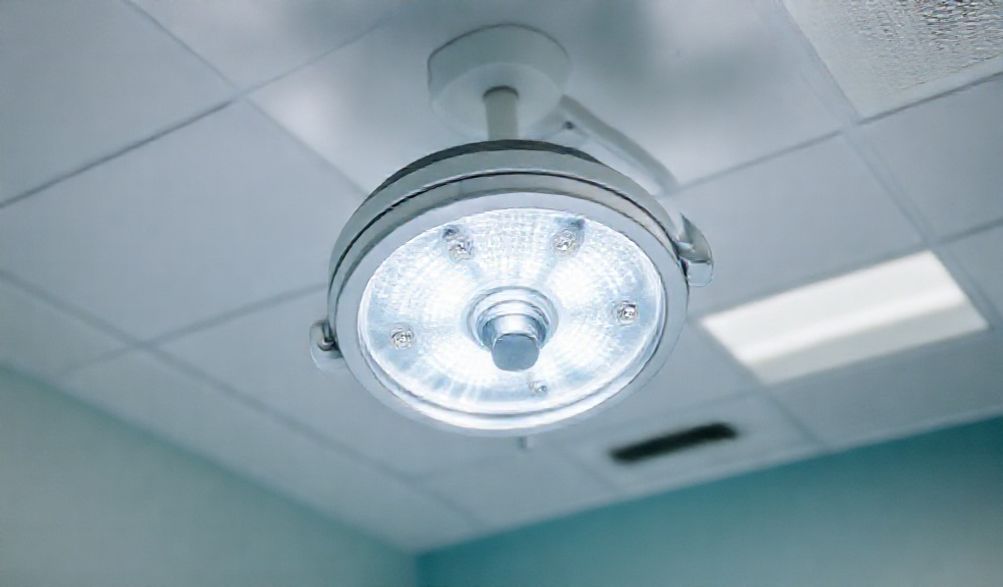
The Complete Guide to Ceiling Mounted Surgical Lights: Technology, Benefits & Selection
surgical lighting is a critical, non-negotiable component of any successful operating room. It is the unsung hero of modern surgery, a tool so fundamental that its importance is often only noticed in its absence. At the heart of this sterile, high-stakes environment is the ceiling mounted surgical light. More than just a “lamp,” it is a sophisticated piece of medical engineering designed to illuminate the intricate landscape of the human body with unparalleLED clarity and consistency.
This pillar guide, crafted from industry expertise and technical knowledge, provides a comprehensive overview of this essential technology. We will demystify the engineering behind these luminous sentinels, explore the tangible benefits they deliver for surgical teams and patient outcomes, and provide a clear, actionable framework for selecting the right system. Whether you are a hospital administrator overseeing a capital purchase, a clinical engineer ensuring operational readiness, or a surgeon advocating for better tools, this guide serves as your definitive resource for understanding the pivotal role of advanced surgical illumination.
Understanding Ceiling Mounted Surgical Light Technology
La moderna ceiling mounted surgical light is a marvel of interdisciplinary design, blending optics, mechanics, and electronics into a single, reliable unit. Understanding its core technologies is the first step to appreciating its value.
Core Optical Systems: From Halogen to LED
The journey of surgical light sources is a story of relentless pursuit of better quality, efficiency, and reliability.
- Halogen & Metal Halide: For decades, halogen bulbs were the standard, providing a warm, continuous spectrum. Metal halide lamps followed, offering brighter, whiter light. However, both technologies shared significant drawbacks: intense heat output, high energy consumption, frequent bulb replacements (every 1,000-2,000 hours), and the risk of sudden failure during a procedure.
- The LED Revolution: Today, Light Emitting Diode (LED) technology is the undisputed leader. Its advantages are transformative:
- Longevity & Reliability: LED modules can last 20,000 to 60,000 hours, virtually eliminating the risk of mid-procedure burnout and drastically reducing maintenance.
- Los LED consumen hasta un 80% menos de energía que los sistemas halógenos para producir la misma o mayor cantidad de luz, reduciendo los costes de servicios. LEDs consume significantly less power than traditional sources, leading to substantial operational cost savings.
- Cool Light: They emit minimal infrared radiation, reducing thermal exposure to delicate tissues and improving comfort for the surgical team.
- Superior Color Quality: Advanced LEDs excel in two key metrics:
- Índice de Reproducción Cromática (IRC): A measure of how accurately a light source reveals the true colors of objects. For surgery, a CRI of 90+ (with premium systems offering Ra95 or even Ra100) is essential. It allows for precise differentiation between arterial and venous blood, healthy and necrotic tissue, and subtle organ variations.
- Temperatura de Color: Measured in Kelvin (K), this defines the “warmth” or “coolness” of the light. Surgical lights typically offer adjustable color temperatures (e.g., 3500K to 5000K), letting surgeons tailor the light from a warmer, higher-contrast setting to a cooler, daylight-mimicking tone.
A critical optical achievement in modern lights is the creation of a campo de luz homogéneo con integrated shadow reduction. This is accomplished not by a single bulb, but through a multi-point source design—often an array of hundreds of individual LEDs arranged in concentric rings or a honeycomb pattern. When a surgeon’s head or hand intrudes, it blocks only a small fraction of these point sources. The remaining LEDs fill in the would-be shadow from multiple angles, dramatically reducing its density and ensuring the surgical site remains consistently and clearly illuminated.
Ergonomic Design & Mechanical Movement
A light that provides perfect illumination is useless if it cannot be positioned perfectly. The mechanical system is the bridge between technology and the human user.
- Suspension Systems: The choice between single, double, or multi-axis arms dictates the light’s range of motion. Multi-axis systems, often with counterbalanced springs, offer unparalleled flexibility, allowing the light head to be positioned effortlessly anywhere over the surgical field and then “float” stably in place.
- Ergonomic Handles: Designed for easy grip by a scrubbed team member, handles must be fully sterilizable (often via autoclavable sleeves or seamless, wipe-clean surfaces). Their placement and sensitivity allow for intuitive, micro-adjustments without contaminating the sterile field.
- Reach & Range: The system must be tailored to the operating room’s dimensions. Sufficient vertical travel accommodates different table heights and surgeon preferences, while horizontal reach must cover the entire potential surgical area without obstruction.
Advanced Control Systems & Integration
Today’s surgical lights are intelligent nodes in the smart OR ecosystem.
- User Interfaces: Touch-sensitive control panels on the light head or handle, and sometimes remote pendants, allow for precise adjustment of intensity, color temperature, and focus without breaking sterility.
- Lighting Presets & Memory: Surgeons can save and recall personalized lighting settings for different procedure types at the touch of a button, ensuring consistency and saving time.
- OR Integration: Advanced systems can integrate with the room’s control system, allowing lights to be dimmed automatically when a surgical display is activated or to synchronize with video recording equipment to ensure optimal lighting for documentation.
- Smart Features: Depth-of-field illumination automatically adjusts light pattern and intensity to maintain consistent brightness as the focal depth changes in deep cavities. Some systems even feature automatic intensity compensation as the light head is moved closer or farther from the target.
Key Benefits of Modern Ceiling Surgical Lighting
Investing in a state-of-the-art ceiling mounted surgical light system yields measurable returns across clinical, human, and operational domains.
Enhanced Surgical Precision and Patient Safety
This is the paramount benefit. Optimal illumination is directly linked to surgical accuracy.
* Reduced Visual Fatigue: Consistent, homogeneous light with high color accuracy minimizes eye strain and mental effort required to interpret the visual field, allowing surgeons to maintain peak concentration for longer.
* Accurate Tissue Differentiation: The high CRI and adjustable spectrum enable confident identification of tissue margins, blood vessel types, and pathological changes, which is fundamental to both curative resection and patient safety.
* Superior Shadow Control: Effective shadow reduction is crucial in deep-cavity surgeries (e.g., orthopedic, spinal, cardiothoracic), where a single deep shadow could obscure a critical structure. Multi-source illumination ensures the cavity is lit from within.
Improved Ergonomics for the Surgical Team
The surgical light is a tool used hundreds of times a day. Its design profoundly impacts staff well-being.
* Reduced Physical Strain: Effortless, counterbalanced positioning eliminates the need for forceful pulling or awkward reaching, preventing strain and fatigue.
* Sterility Assurance: Well-designed, seamless handles and touch interfaces allow for full decontamination, supporting strict aseptic protocol.
* Lower Cognitive Load: Reliable, predictable performance and intuitive controls mean the team spends less mental energy managing the light and more on the patient.
Operational Efficiency and Cost-Effectiveness
While the upfront investment is significant, the total cost of ownership (TCO) for a modern LED system is favorable.
* Ahorro de Energía: LED systems consume up to 80% less energy than halogen systems.
* Minimal Maintenance: The extraordinary lifespan of LEDs eliminates the constant cycle of bulb purchases, inventory management, and replacement labor. Scheduled maintenance shifts from frequent bulb swaps to periodic system checks.
* Durability & Uptime: Built for high-use environments, quality systems offer exceptional reliability, minimizing OR downtime due to lighting failure. Redundant LED modules ensure the light remains functional even if individual diodes fail.
How to Choose the Right Ceiling Mounted Surgical Light
Selecting a system is a strategic decision. A methodical evaluation ensures the investment meets both clinical and practical needs.
Assessing Clinical Requirements and OR Specifications
Begin with a needs analysis:
* Mezcla de Procedimientos: Does your OR serve general surgery, or does it specialize in orthopedics, neurosurgery, or microsurgery? Deep-cavity work demands higher intensity and superior shadow reduction.
* OR Geometry: Precisely measure ceiling height, room size, and the planned location of other ceiling-mounted equipment (anesthesia booms, imaging systems). This determines the required suspension length and reach.
* Light Field & Intensity: Determine the necessary field diameter (the illuminated area at a standard distance) and lux level (illuminance). A larger, brighter field is needed for major trauma or abdominal surgery than for minor procedures.
* Future-Proofing: Consider the trajectory of surgical practice in your facility. Are you moving towards more minimally invasive or hybrid procedures that require lighting integration?
Evaluating Key Performance Specifications
Become fluent in the language of the technical datasheet:
* Lux & Field Diameter: Look for the lux measurement at the center and edge of the specified field diameter (e.g., “160,000 lux at center of 200mm diameter field at 1m distance”).
* CRI & Color Temperature: Insist on a CRI ≥90, preferably ≥95. Verify the adjustable range of color temperature.
* Profundidad de Iluminación: This indicates how well the light maintains intensity as you focus deeper into a cavity. A good system will specify a minimal lux level at a certain depth.
* Redundancy & Safety: What is the failure mode? Do LED modules operate independently so the light remains usable if some fail?
* Ancillary Factors: Check noise levels (from cooling fans), heat dissipation specs, and electromagnetic compatibility (EMC) to avoid interference with sensitive monitoring equipment.
Considering Installation, Service, and Compliance
The best light is only as good as its installation and support.
* Pre-Installation Survey: A mandatory step. The manufacturer or installer must assess ceiling load capacity, structural integrity, and coordinate with other trades (electrical, IT, medical gases).
* Servicio y Soporte: Investigate the warranty period, availability of local service engineers, and the cost/terms of a preventive maintenance agreement. Ask about parts availability and typical response times.
* Cumplimiento Normativo: Ensure the system carries the necessary certifications for your region, such as:
* IEC 60601-1: The general safety standard for medical electrical equipment.
* IEC 60601-2-41: The particular standard for surgical lights.
* ISO 15004-1: For ophthalmic instruments (critical for lights used in eye surgery).
Common Applications and Surgical Specialties
Different specialties have nuanced lighting needs, which modern systems can be configured to meet.
General Surgery and High-Volume ORs
Here, versatility and durability are key. Lights need to adapt quickly between diverse open procedures—from appendectomies to hernia repairs—offering a broad, homogeneous field, easy sterilization, and rock-solid reliability for back-to-back cases.
Specialized Fields: Orthopedics, Neurosurgery, and Cardiothoracic
These disciplines demand deep-cavity illumination. Lights must deliver high-intensity, cold light deep into the wound with exceptional shadow control. The light head must be maneuverable around retractors and other instruments without obstructing the surgeon’s view. High CRI is non-negotiable for distinguishing subtle neural or vascular structures.
Minimally Invasive and Hybrid Operating Rooms
In these technology-dense environments, integration is paramount. The surgical light must coexist and coordinate with large equipment booms, C-arms for fluoroscopy, and large displays for endoscopy. Lighting may need to be tailored not just for the patient, but also to reduce glare on monitors and support advanced imaging workflows.
Preguntas Frecuentes (FAQ)
P: ¿Cuál es la vida útil típica de una lámpara quirúrgica LED?
R: Los módulos LED de alta calidad tienen una duración nominal de 20.000 a 60.000 horas de funcionamiento. En comparación con las bombillas halógenas tradicionales (1.000-2.000 horas), esto se traduce en una década o más de servicio confiable con un mantenimiento mínimo, lo que representa una gran ventaja operativa.
P: ¿Qué importancia tiene el Índice de Reproducción Cromática (IRC) para la cirugía?
R: Es de importancia crítica. Se considera esencial para la cirugía moderna un IRC de 90+ (con sistemas premium que ofrecen 95+ o Ra100). Garantiza que los tejidos, la sangre y los órganos aparezcan con sus colores verdaderos y naturales. Esta diferenciación precisa del color es vital para identificar estructuras anatómicas, evaluar la viabilidad tisular y reducir la incertidumbre diagnóstica.
P: ¿Se pueden instalar luces de techo en cualquier quirófano?
R: No sin una evaluación profesional. La estructura del techo debe evaluarse para determinar su capacidad de carga. La altura de la sala, la distribución planificada de otros equipos montados en el techo (como brazos articulados o columnas de gases) y las rutas eléctricas/de TI deben ser revisadas por un ingeniero clínico o el fabricante antes de la instalación para garantizar la seguridad, funcionalidad y conformidad.
P: ¿Qué significa realmente “reducción de sombras”?
R: Se refiere a tecnologías ópticas diseñadas para minimizar las sombras obstructivas proyectadas por la cabeza y las manos del cirujano. No elimina todas las sombras, pero reduce drásticamente su densidad. Esto se logra típicamente mediante un diseño de fuente multipunto (como múltiples anillos LED), que garantiza que si una trayectoria de luz es bloqueada, varias otras continúan iluminando el mismo punto desde diferentes ángulos.
P: ¿Cómo se mantiene una lámpara quirúrgica de techo?
R: El mantenimiento implica dos niveles: 1) Diario/por procedimiento: Limpieza de todas las asas, superficies de control y exterior del cabezal luminoso con desinfectantes aprobados por el hospital. 2) Mantenimiento preventivo programado: Realizado por técnicos calificados, incluye verificar el equilibrio y suavidad del movimiento, comprobar la función del sistema de control, probar la salida de luz y las métricas de color, e inspeccionar los componentes mecánicos, según lo descrito en el manual de servicio del fabricante.
Conclusión
Seleccionar una ceiling mounted surgical light Es una decisión significativa cuyas repercusiones van mucho más allá del presupuesto de capital. Es una inversión directa en los resultados clínicos, el bienestar del personal y la eficiencia operativa. Como hemos explorado, esta elección va más allá del mero brillo, abarcando óptica avanzada para una visión de color verdadero, ergonomía inteligente para un flujo de trabajo fluido e ingeniería robusta para una fiabilidad inquebrantable.
Al priorizar especificaciones técnicas basadas en la evidencia—como un IRC superior (>95), una reducción efectiva de sombras de múltiples fuentes, un rendimiento de iluminación para cavidades profundas y un ecosistema de servicio probado—las instituciones sanitarias pueden invertir en una herramienta fundamental que apoye activamente la excelencia quirúrgica en los años venideros. La luz adecuada no solo ilumina el campo operatorio; ilumina el camino hacia una atención al paciente más segura, más precisa y más eficiente.
Su Próximo Paso: Recomendamos convocar un comité de selección que incluya a las partes clínicas interesadas (cirujanos, enfermeras) y a expertos técnicos (ingenieros clínicos, gestores de instalaciones). Vaya más allá de las hojas de datos solicitando demostraciones en vivo o visitando sitios de referencia. Lo más importante es organizar la instalación de unidades de evaluación en un espacio no clínico donde sus equipos quirúrgicos puedan interactuar con ellas en un entorno simulado. No hay sustituto para la experiencia práctica para garantizar que la sensación, el rendimiento y los controles del sistema satisfagan las necesidades específicas de la cultura de su quirófano y de sus protocolos de atención al paciente.
p>