
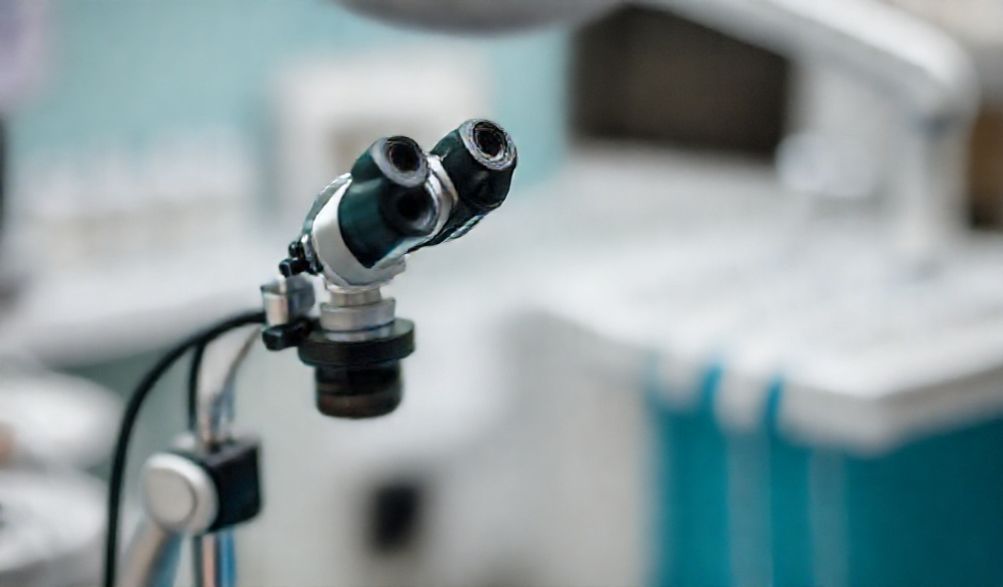
The Ultimate Guide to Dental Loupes: Enhancing Precision, Ergonomics, and Patient Care
Introduction
For dental professionals, the difference between a good procedure and a great one often lies in the details—details that are frustratingly, critically invisible to the naked eye. In the intricate landscape of a tooth’s surface or the depths of a sulcus, the human eye has its limits. This is where lupas dentales, the specialized magnifying eyewear once considered a luxury for elite surgeons, have decisively shifted into the realm of fundamental, evidence-based practice. They are no longer just about seeing more; they are about practicing better, longer, and with greater care.
This comprehensive guide is crafted by synthesizing detailed manufacturer specifications, current clinical ergonomics research, and the hard-won insights of seasoned dental practitioners. Our aim is to move beyond sales pitches and provide a trustworthy, in-depth resource. We will explore how the right dental loupes system can fundamentally transform your daily practice by unlocking microscopic precision, proactively protecting your musculoskeletal health, and elevating the standard of care you deliver to every single patient. Whether you’re a dental student about to begin clinical work, a new graduate building your practice, or an experienced clinician considering a long-overdue upgrade, this guide will navigate the essential considerations for making one of the most impactful investments in your career.
1. What Are Dental Loupes and Why Are They Essential?
At their core, dental loupes are a magnification system. They consist of precision optical lenses, typically mounted on a frame (like glasses or a headband), that work together to bring the operative field into a clear, enlarged view. While a simple magnifying glass offers enlargement, dental loupes are compound lens systems designed for a specific working distance and depth of field, providing a stable, wide, and sharp image. Their soaring adoption is rooted in a powerful dual mandate: achieving superior clinical outcomes and ensuring practitioner wellness.
1.1. The Core Benefits: Beyond Simple Magnification
The advantages of dental loupes extend far beyond just making things look bigger. They create a paradigm shift in how you work:
- Enhanced Visual Acuity: This is the most obvious benefit, but its implications are profound. Loupes enable the identification of microfractures, elusive subgingival calculus, minute caries, and the precise margin lines of a preparation. What was once a “best guess” becomes a clearly visible target. This directly prevents overtreatment, undertreatment, and procedural errors.
- Improved Ergonomics & Posture: Perhaps the most significant long-term benefit. Without loupes, clinicians instinctively hunch forward, bringing their eyes closer to the patient’s mouth to see detail. Loupes break this cycle. By magnifying the field, they allow you to sit back with a neutral spine—shoulders relaxed, back supported—while still seeing with crystal clarity. They promote healthy posture by design.
- Increased Precision and Quality of Work: Enhanced vision naturally leads to enhanced skill execution. Preparations become more conservative, preserving healthy tooth structure. Restorations fit with better marginal integrity. Scaling is more complete. Every procedure benefits from the increased visual feedback, leading to higher-quality, more predictable, and longer-lasting results.
- Reduced Eye Strain and Fatigue: The constant micro-adjustments your eye muscles (ciliary muscles) make to focus at a close distance for hours on end is exhausting. Loupes provide a fixed focal length, allowing these muscles to relax. The reduction in this constant focusing effort translates directly to less end-of-day fatigue and headaches.
1.2. The Professional Standard of Care
The conversation around dental loupes has evolved from “if” to “when.” They are increasingly considered a standard tool in two critical areas of modern dentistry:
1. Preventive Ergonomics: Organizations like the Occupational Safety and Health Administration (OSHA) and the National Institute for Occupational Safety and Health (NIOSH) highlight the epidemic of musculoskeletal disorders (MSDs) in dentistry. Loupes are a primary ergonomic intervention, a tool to comply with the duty to provide a safe working environment for oneself.
2. Minimally Invasive Dentistry: This philosophy hinges on early detection and ultra-conservative treatment. You cannot treat what you cannot see. Loupes are the enabling technology for this standard of care, allowing for the detection and management of pathology at its earliest, most treatable stage.
Professional associations and a growing body of research underscore their importance not as an accessory, but as a core component for career longevity and clinical excellence.
2. Key Features and Types of Dental Loupes: Choosing Your System
Selecting your first or next pair of loupes is a highly personal and professional investment. Understanding the technical differences is crucial to finding a system that feels like a natural extension of your senses.
2.1. Magnification Power: Finding Your Sweet Spot
Magnification is not one-size-fits-all. It’s a balance between detail and field of view, heavily influenced by the optical design.
-
Galilean vs. Prismatic (Keplerian) Systems:
- Sistemas Galileanos: These are the simpler design, using a convex objective lens and a concave eyepiece. They are typically lighter, more compact, and less expensive. They offer excellent depth of field and a wider field of view at lower magnifications (2.0x-3.5x).
- Sistemas Prismáticos (Keplerianos): These use multiple prisms to fold the light path, allowing for higher magnification (3.5x and above) in a relatively compact form. They offer a flatter, larger image with superior resolution at high power but can be heavier, have a slightly smaller depth of field, and are more expensive.
-
Common Magnification Levels:
- 2.0x – 3.0x (Low): The ideal starting point for most. Excellent for general dentistry, hygiene, oral surgery, and new users adapting to magnification. Provides a wide field of view for orientation.
- 3.5x – 4.5x (Medium): The sweet spot for many experienced clinicians. Preferred for detailed restorative work, endodontics (locating canals), periodontics, and fixed prosthodontics. Offers a great balance of detail and usable field.
- 5.0x+ (High): Used for micro-dentistry, intricate endodontic surgery, advanced periodontics, and detailed lab work. Requires a very steady hand and excellent headlamp illumination, as the field of view is small.
2.2. Working Distance and Field of View
- **Distancia de Trabajo:** This is the critical measurement from your eye (more precisely, the corneal plane) to your primary working area in the patient’s mouth. It is unique to your anatomy and preferred seating position. An incorrect working distance will force you into poor posture. It is measured during a professional fitting.
- Field of View: This is the diameter of the area you see through the loupes at your set working distance. A key rule: As magnification increases, the field of view decreases. A high-magnification loupe shows incredible detail of a single cusp, while a lower power shows the entire tooth arch. Choosing magnification involves considering how much context you need versus how much detail.
2.3. Loupes Styles: Through-The-Lens vs. Flip-Up
- TTL (Through-The-Lens): These loupes are custom-made. The magnification barrels are permanently mounted into the carrier lens, aligned precisely to your pupil. They are lighter, more streamlined, and offer a more “natural” viewing experience with no moving parts. However, they have fixed parameters (working distance, declination) and cannot be easily shared or adjusted if your prescription changes.
- Abatibles: The magnification barrels are mounted on a hinge, allowing them to be flipped up and down. This offers flexibility—you can look under the loupes to speak to a patient or consult a screen without removing your glasses. They are often adjustable for working distance and can sometimes be used by multiple people. The trade-off is that they can be bulkier, slightly heavier, and the flip mechanism can be a point of failure.
3. Integrating Lighting: The Critical Role of Dental Loupe Lights
Magnification without proper light is like a high-resolution camera in a dark room—frustrating and ineffective. Shadow-free, focused illumination is what truly reveals the detail the loupes present.
3.1. Why a Loupe-Mounted Light is Non-Negotiable
An overhead operatory light is insufficient for magnified work. It creates shadows from your head, hands, and instruments. A coaxial loupe light, mounted on the frame and aligned with your line of sight, solves this:
* Eliminates Shadows: Light travels directly down your line of sight, illuminating deep into cavities, fissures, and subgingival pockets without obstruction.
* Reveals True Detail: The right light improves contrast, making it easier to differentiate between tooth structure, caries, calculus, and soft tissue.
* Reduces Operatory Glare: By providing intense, focused light where you need it, you can dim the overall operatory lights, increasing patient comfort.
3.2. Choosing a Light Source: LED Technology
Modern loupe lights use powerful, cool-running LEDs. Key metrics to consider:
* Color Temperature (5000K-6000K): This “daylight” range provides ideal tissue contrast and true color rendition, crucial for shade matching and identifying pathology.
* Lumen Output: A measure of total light emitted. For dentistry, 40,000 to 100,000+ lux (a measure of light intensity at the working surface) is common. More lumens/lux isn’t always better; it must be balanced with a comfortable beam pattern.
* Un punto A focused “spot” beam is great for high-magnification work on a single tooth. A wider “flood” beam is better for lower magnification and seeing a larger area.
* Sistemas de Batería:
* Belt-Pack: A battery worn on the waist. Keeps weight off the head but has a cable that can snag.
* Battery-in-Cable: A small, rechargeable battery pod integrated into the light cord. A popular middle-ground for balance.
* Counterweight System: The battery is mounted on the back of the headband, acting as a counterbalance to the front weight of the loupes and light. Excellent for all-day comfort and eliminating cables.
4. The Ergonomic Imperative: Protecting Your Career
This section is the heart of the argument for loupes, grounded in alarming statistics and powerful practitioner testimony.
4.1. How Poor Posture Affects Dental Professionals
Dentistry is physically punishing. Studies consistently show that 60-90% of dental professionals suffer from work-related musculoskeletal disorders (MSDs), with neck, shoulder, and back pain being most prevalent. The classic “dentist’s hunch”—head forward, shoulders rounded, back curved—places immense strain on the cervical spine, trapezius muscles, and lumbar discs. The long-term risks are not just pain: they include degenerative disc disease, pinched nerves, chronic headaches, and tragically, early career attrition due to disability.
4.2. How Properly Fitted Loupes Promote Neutral Posture
Loupes are an ergonomic intervention. The key concept is the declination angle—the angle at which the loupe barrels are tilted downward. Properly fitted loupes are set to a specific declination angle that matches your neutral seated posture. This allows you to look down with your eyes while keeping your neck straight and your back against the chair.
Achieving Neutral Posture with Loupes: A Step-by-Step Guide
1. Start Seated: Sit back in your chair with your hips all the way back, feet flat. Your back should be fully supported.
2. Position the Patient: The patient’s mouth should be at or slightly below your elbow height.
3. Keep Your Head Up: Imagine a string pulling the crown of your head toward the ceiling. Your cervical spine should be straight.
4. Look Through the Loupes: Only your eyes should move downward to look through the optics. If you find yourself tilting your head forward to see, your working distance is too short or your declination angle is wrong.
5. Let Your Arms Rest: Your upper arms should be vertical, close to your body, with forearms parallel to the floor.
This posture, enforced by correctly fitted loupes, distributes force through the skeletal system rather than overloading muscles, safeguarding your physical health for a long, productive career.
5. The Investment: Cost, Fitting, and Maintenance
A quality loupe system is a significant investment, but one that pays dividends for years. Here’s how to approach it practically.
5.1. Understanding the Price Range
Costs can range from a few hundred dollars for basic flip-ups to several thousand for a high-magnification, custom TTL system with a premium light.
* Cost Factors: Magnification (prismatic costs more), lens coatings (anti-reflective), frame material (titanium is light and durable), and the lighting system are the main drivers.
* Framing the Investment: View this not as an expense for a tool, but as an investment in: (1) Your Health (preventing costly pain and treatment), (2) Your Precision (leading to better outcomes and fewer remakes), and (3) Your Practice Revenue (enabling higher-value procedures and improving efficiency).
5.2. The Professional Fitting Process
For TTL loupes, a professional fitting is no negociable. This is often done by a company representative, either in-person or via a detailed measurement kit you complete yourself.
* What’s Measured: **Distancia Interpupilar (PD)**, **Distancia de Trabajo**, **Ángulo de Declinación**, y Vertex Distance (space from eye to lens). Frame style and fit are also carefully selected for all-day comfort.
* The Goal: To create an optical system that feels like a natural part of your vision, requiring no conscious adjustment or strain.
5.3. Care and Maintenance for Longevity
Your loupes are precision instruments.
* Limpieza Diaria: Use only lens-specific microfiber cloths and spray. Never use paper towels, clothing, or harsh chemicals, which can scratch delicate coatings.
* Almacenamiento Adecuado: Always store them in a hard, protective case when not in use. Never leave them on a chair, bracket table, or in a pocket.
* Mantenimiento Profesional: Have the alignment checked periodically (every 1-2 years). If dropped, send them back to the manufacturer for inspection and repair. Do not attempt to bend the frames yourself.
Preguntas Frecuentes (FAQ)
P: ¿Las lupas dentales son solo para cirujanos o especialistas?
R: Absolutely not. General dentists, hygienists, and therapists benefit immensely. Hygienists, in particular, report dramatically improved detection of subgingival calculus and reduced neck strain. They are a foundational tool for any clinical procedure requiring visual detail and postural support.
Q: I’m a dental student. When should I get loupes?
R: Cuanto antes, mejor. Desarrollar hábitos ergonómicos adecuados desde el inicio de la carrera clínica es mucho más fácil que intentar corregir años de mala postura arraigada posteriormente. Muchas facultades de odontología tienen acuerdos con proveedores que ofrecen descuentos educativos, y a menudo existen opciones de financiación para estudiantes.
P: ¿Puedo usar mis gafas graduadas normales con las lupas?
R: Sí, de forma perfecta. Las empresas de prestigio ofrecen dos opciones principales: 1) Las lupas TTL personalizadas pueden fabricarse con su prescripción personal integrada en las lentes portadoras. 2) Los sistemas de tipo "flip-up" pueden montarse en una montura que se coloca sobre sus gafas graduadas. Un ajuste profesional es esencial para garantizar que los centros ópticos se alineen correctamente.
P: ¿Cuánto tiempo se tarda en acostumbrarse a trabajar con lupas?
R: La mayoría de los usuarios experimentan un período de adaptación de 1 a 2 semanas. Comience con tareas simples y no críticas, como exámenes orales, odontogramas o raspado supragingival. Su cerebro necesita tiempo para adaptarse a la nueva coordinación mano-ojo y percepción espacial. La persistencia es clave: la sensación inicial de confinamiento da paso a una nueva normalidad de visión ampliada.
P: ¿Cuál es la garantía típica de un sistema de lupas dentales?
R: Las garantías varían según el fabricante. Un buen referente es una garantía de por vida en los componentes ópticos (lentes/barriles) contra defectos y una garantía de 2 años en la montura y la luz (batería, LED). Siempre verifique los términos específicos y, igual de importante, la reputación de la empresa en cuanto a servicio al cliente receptivo y tiempos de reparación.
Conclusión
Invertir en unas lupas dentales de calidad con iluminación integrada no es simplemente la compra de un equipo; es una inversión decisiva en los cimientos mismos de su práctica clínica y su bienestar personal. La combinación es sinérgica: la visualización mejorada impone una disciplina ergonómica, que a su vez reduce la tensión física, lo que permite períodos más largos de trabajo concentrado y preciso. Este círculo virtuoso eleva la calidad de su odontología y, lo más importante, protege su capacidad para ejercerla con pasión y destreza en las décadas venideras.
Al considerar cuidadosamente los factores aquí descritos—desde comprender los tipos de aumento y la necesidad innegociable de iluminación, hasta comprometerse con un ajuste profesional para la integridad ergonómica—usted puede tomar una decisión informada y segura. Esta elección debe alinearse perfectamente con su estilo clínico, sus necesidades físicas y su visión para su carrera. En el meticuloso, exigente y gratificante mundo de la odontología, ver con más claridad es, inequívocamente, el primer paso para trabajar con mayor precisión, vivir más cómodamente y ejercer con más éxito.
p>